Posts Tagged ‘movies’

I don’t usually do this. I usually try to keep my focus on this blog towards writing, horror, and my career. But as many of you know, occasionally things build up and at some point I need to vent. This is one of those posts. So strap in for another PSA bordering on a rant.

And this time we’re talking about: do people think the theater is their living room?

I go to the theater a lot. Not just the movie theater, but ballets and touring Broadway shows, too. And it just amazes me how few people know how to behave in such a setting! They seem to think that because they paid money to see this, they can act like they’re at home and use their voice at full volume or check their phone.

Yesterday, my mom and I went to go see Back to the Future‘s musical adaptation while it was here in Columbus (yes, there’s a musical adaptation of Back to the Future, and we enjoyed it). And the woman sitting next to me kept having conversations with whom I assume to be her adult daughter during the show. About the actors, their thoughts at the moment, about whatever. And they would do it at a volume you would reserve for your own home.

They would stop talking for a little while and I would be able to calm down enough, but I very nearly did snap and ask them to stop talking. The only reason I didn’t was because we were near the end of the show when I reached my breaking point, so I didn’t see the benefit of doing so.
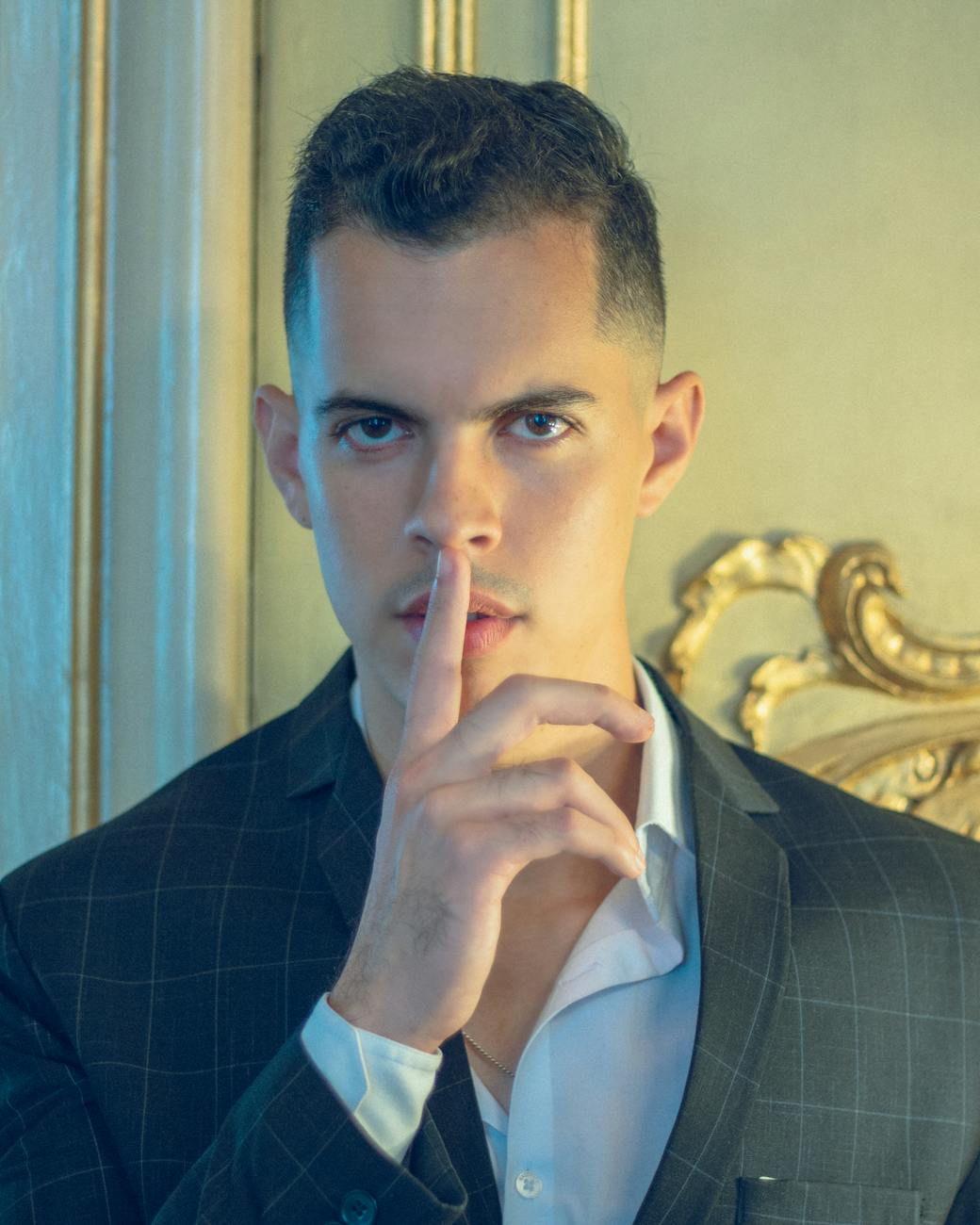
No talking during the show, please! This isn’t your living room, after all! Photo by Rainaly Gonzalez on Pexels.com

Sadly, this hasn’t been a one-time thing. When I’ve gone to the theater, I’ve been seated near people who seem to think a conversation during the movie or performance in a normal tone of voice was perfectly fine. You know, instead of not talking and, if you have to talk, only doing it in a whisper, which you’re supposed to do!

Add in the people who get out their phones to text or check Instagram during a show, or who bring their small children to the show and are totally surprised when the kids can’t handle it (and I’ve written about that before, you can check here if you want to read that post), and you can see why I need to post about this!

In fact, I have posted about this! Last night, I posted about this on my social media, and the month before I posted about bringing small children to shows they’re not prepared for.* Both posts have blown up, and many people have replied talking about their own experiences with theatergoers who had no idea on how to behave in the theater. And some of these experiences have even gone viral: just recently, a man lost his temper at a bunch of women in front of him who were singing along during a performance of Mamma Mia, which lead to the women getting kicked out (you can see a news report about it here).

And who could forget Lauren Boebert getting kicked out of Beetlejuice because she was vaping and getting handsy with her boyfriend during the show? (Honestly, how did that woman become a congresswoman? She’s seven years older than me, but acts like a drunk 17-year-old on the best of days!)

So what’s causing this? I don’t know. It could be any number of things, or it could be that people just never were taught theater etiquette. Whatever the reason, here’s a quick reminder of theater rules for those who need it:

  • When the lights go down, kindly shut up. It’s that simple. Remember, everyone here paid a lot for these tickets, just like you did. And everybody paid to watch and listen to the actors, not to you. So, when the theater’s dark, if you have to talk, do it sparingly and in a whisper, if at all. Otherwise, reserve your voice for the appropriate moments of cheering and laughing.
  • Put your phones on silent or vibrate, and only check them during intermission. Yes, we see you checking your texts and Instagram. Yes, your screen is distracting. And yes, it is going to happen to you if you leave your ringer on, so better just be safe than sorry. Also, save the photographs and the videography for the bows or for special moments when it’s allowed. Seriously, the companies don’t put out that message for their health. Flashes are distracting, and recordings actually cut into show profits.
  • Know your kid before taking them. I know we all want our kids to have special experiences, but making sure they can handle the theater is important. Just because they can handle a half hour TV show or a movie at home doesn’t mean they’re ready for the movie theater. And just because they can handle a movie theater doesn’t mean they’re ready for live performance. Even if you think they are, talk to them about theater etiquette before taking them, and take them out of the theater if they can’t handle it. Especially if the show you want to take them to doesn’t have special performances for school groups or families that are designed with antsy kids in mind (yes, those exist. See if anyone local to you does them).
    And if your kid isn’t ready, hire a babysitter! Trust me, with the price you’re paying for some of these shows, you can afford it. And if you can’t stand to be separated from your child, then don’t go! Parenthood is about sacrifice. Perhaps a night out at the theater will have to be a sacrifice.
  • Finally, do some research before you go! Movies have ratings, and theaters and plays often have age recommendations and content warnings on their websites. But it seems some people still pay for tickets and are surprised when they come and find out the show is a bit spicier than they thought. This is especially true with live theater: people seem to think that Broadway hasn’t evolved since Sound of Music, and are shocked when they get to the theater and find it full of swearing and sex jokes (Book of Mormon, Beetlejuice), lots of suggestive content (Moulin Rouge), and/or serial murder (Sweeney Todd). And just imagine how awkward it is for the parents who bring their kids to these shows!
    So please, do your research before you go! Make sure the show is right for you and yours before purchasing tickets. Otherwise, you’ll take your eight year old to Heathers the Musical and you’ll both be traumatized by the bullying, murders disguised as suicides, and characters attempting suicide!
Just because a show doesn’t come with a rating doesn’t mean it’s appropriate for all ages.

And if someone nearby won’t behave, grab an usher. That’s what they’re there for! They can speak to the offenders and, if nothing gets fixed, have security escort them out. It’s that simple.

Look, I know there are a lot bigger problems I could be ranting about. Believe me, I pay attention to the news. But I go to movies and the theater for the experience and for self-care purposes. And it’s very hard to enjoy myself and heal when I have to deal with other people who can’t practice common courtesy for others. So please, the next time you’re at the movies or a live performance, think about all the other people in the audience with you. If you do, you may find that you can still have fun at the theater without disturbing other patrons.

Thank you.

*I went to see SIX the Musical last month, and someone brought their four year old to the show. The kid started screaming bloody murder about two-thirds of the way through and had to be taken out. Saw that kid before and after the show, and I could tell there was no way they were ready for the theater. Though what their parents were thinking, bringing their kid to a show which includes dick jokes and a song about how one of Henry VIII’s wives was groomed and raped her whole life, I have no idea.

So, you’ve probably heard of Winnie the Pooh: Blood and Honey. If you haven’t, let me give you some background, because it’s important to talk about. So, Winnie the Pooh predates Disney and was originally some stories written by AA Milne. Some of those stories became public domain back in 2021, so now anyone can make a story about Pooh Bear so long as they don’t use anything exclusive to the Disney version. A British filmmaker took advantage of that to make a horror film based on the characters, Winnie the Pooh: Blood and Honey. And ever since its announcement, this film has gotten a ton of buzz, so even if it’s terrible, it’s likely going to make bank.

I’m actually going to see it at the one night screening at my theater. I can’t wait.

Unfortunately, not all of the buzz is positive. Recently, one of the actresses in the film, Danielle Roland, said the cast and crew got a lot of hate for being part of the film. Rhys Frake-Waterfield, who directed and co-produced the movie, even got emails saying he should die. You can read the original article here.

Now, I can understand if people are upset about this film being made, let alone the phenomenon it’s become. Winnie the Pooh is a popular character and childhood icon for many people around the world. Seeing him and Piglet used in a horror film might be upsetting. But death threats? That’s going way too far! You’re threatening to kill someone over a fictional character! Might as well threaten to kill someone over the Easter Bunny!

And here’s the thing: no one is forcing any of these people to watch the film. It’s not like men with guns are going to go into people’s homes and kidnap them to the movie theater for the one-night screening, or force them to put it on their various streaming platforms to watch in their living rooms. If you don’t want to go see it, don’t see it. Even better, pretend it doesn’t exist! You can continue to enjoy your childhood bear without having to acknowledge the one that’s going to be taking an axe to a bunch of college students next month.

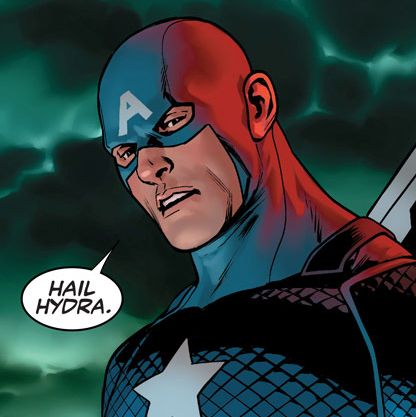
Unfortunately, death threats like this, as well as over-the-top reactions to fictional media of any sort, have become more and more commonplace over the year. Or maybe they’re being reported by news outlets more. Either way, it’s bizarre to read about. When I was in college, I read about people threatening to ruin Charlaine Harris’s career or kill themselves depending on what she wrote into one of her Sookie Stackhouse books. After college, when Marvel had a storyline in the comics where Captain America was revealed to be a Hydra agent, I read articles about people threatening Marvel’s writers for this storyline. One person alleging to be a Marine even said he was going to abandon all his values because of Cap’s betrayal and even become a killer (I seriously hope that was hyperbole). In 2020, when The Last of Us Part II released, people review-bombed the game based on leaked plot points. Part of this was fueled by homophobia (several of the characters in the game are openly LGBT), but a lot of this was due to fans hating the supposed direction of the game. Not only that, but one of the actresses for the game received death threats for playing a villain.

People got way too upset over this one scene.

And now people are threatening to kill folks associated with this new horror film because it’s about a beloved childhood character.

I don’t care about the circumstances or the reasons why. I don’t even care if the people making the threats are serious. I’m more concerned that anyone thinks reacting like this is appropriate. No matter why, you shouldn’t threaten people’s lives like that.

Let me share you a story from my high school days. Back then, I worked for my gym teacher selling tickets to volleyball and basketball games at the door. When I wasn’t taking tickets, I did homework, ate dinner from the snack bar, and read. It was a good gig. One day, however, I was steamed because I had just finished a Dean Koontz novel and absolutely hated its resolution. After the game, I was picked up by my stepmom, who proceeded to drive me home. And as I’m complaining about the book’s ending, my anger radiating off me like heat from a space heater, my stepmom turned around and said, “Rami, it’s fiction! It’s not real! Don’t get so upset about it!”

Well, that shut me up. And it turned out to be very helpful for me, because it made me realize something: as much as I love stories and characters, none of it is real. The absence of these characters and stories from the world wouldn’t change much, let alone their presence. And among all the things to get mad about in the world, a book resolution or how a character is portrayed isn’t one of them.

Since then, as wrapped up in fiction as I get sometimes, I don’t allow myself to get emotionally out of hand because I don’t like the direction. Yes, I’ll share my thoughts on it, but I’m not going to threaten people over it! And if I really dislike it, I just won’t have anything to do with it. My stress levels stay down and everybody stays happy.

And I wish more people would react that way. Or maybe not react at all. If they did, I guarantee we would all be much happier.

saturation [n]: the act or result of supplying so much of something that no more is wanted.

–courtesy of Merriam Webster Online

Lately Hollywood is all about the franchises. Disney announced recently that they are making a Frozen 2, that they’ve set release dates for a Star Wars spin-off and Episode VIII, and for some reason they’re doing a live-action Dumbo remake. Sony recently announced that alongside the new female-led Ghostbusters reboot they’re making a male led one as well to even things out (because three male-led films vs. one female-led one is true equality), plus a production company to come up with all sorts of Ghostbusters-related stuff, and a Zoolander 2 is on its way as well.

Look, I’m looking forward to some of these sequels and prequels and remakes and reboots and spin-offs and franchises. Try and keep me away from the Poltergeist remake, the new Star Wars episode, and a few other upcoming films. However, I think that all this emphasis on creating major film series and franchises is actually working against Hollywood rather than helping it. I know that place is run by money primarily, with the idea of making memories and memorable films being a far second, and all these mega-franchises has everyone wanting to have their own moneymaker. But to pursue all that without investing in new material, to me anyway, is not smart business practice.

Not that there haven’t been original films this year. Seventh Son, Jupiter Ascending, and Chappie all are original films (one’s based on a novel, but whatever), so studios aren’t totally ignoring original ideas. However, the former two were panned and didn’t do well at the box office, while the latter…well, it did well at the box office, but the critics don’t seem to like it. I didn’t either. And that isn’t good, because it might make movie studios more wary about greenlighting new projects.

Does this seem a little excessive to you?

This means more superhero movies, more film series and franchise, more reboots and remakes and God only knows what else. And that’s likely to continue. The question is, how long will it continue? Marvel and DC have films scheduled through 2019 and 2020 respectively, but will we feel like watching them by that time? Will we feel like we’ve seen these films so many times that it takes something rare to make us enjoy the film, like it is for so many horror fans today? Are we going to reach saturation point soon? And when it does, what will the film industry do?

Luckily, there’s the indie scene, which is producing original and wonderful stories all the time (particularly horror: I Am A Ghost, The Babadook, and the upcoming It Follows, though I haven’t seen that last one yet). And the comedy genre keeps churning out with originals, probably because they know that pulling off sequels are difficult in that genre. There’s a growing number of biopics coming out each year (not exactly original, but not exactly overly done either), and most of the movies nominated for the Oscars each year are meant to be stand-alone films. Maybe we won’t reach saturation too soon.

But if we do, I think we might have enough filmmakers out there who aren’t so concerned with money and sequels, and want just to tell good stories. Heck, I might even join in then: I’ve got a few idea for screenplays, so I might write one too one of these days. We’ll see.

Do you like the way Hollywood is these days? Why or why not?

Do you think we’ll reach saturation point soon? What’ll happen when we do?

About a week and a half ago, Variety reported that the Ghost in the Shell live-action film, which had been in development hell for years, was underway and had Scarlett Johanssen in the lead after Margot Robbie turned it down. Not only did this impress upon me to actually read the manga, but it excited and angered GitS fans across the world. The former is understandable, but the latter is a bit more complex. Why? Well, the main character of GitS is named Major Motoko Kusanagi, and she’s Japanese. Johanssen, while a great actress, is white. Why didn’t Touchstone Pictures ask any Japanese actresses?

And this isn’t the only live-action adaptation based on a Japanese franchise where Hollywood has looked at only white actors. The Akira film, which once again is in development after many years in and out of development hell, has been notorious for its producers trying to get white actors in the roles of Japanese characters. Justin Timberlake, Robert Pattinson, and Andrew Garfield are the latest names to come up. George Takei has been vocal about this, warning producers they will upset fans and have a repeat of The Last Airbender (an adaptation of the American anime Avatar: The Last Airbender) if they don’t cast Asian actors. Remember the latter film had a mostly white cast, and, although the film was problematic on a number of levels, the fact that the very diverse characters were all played by white actors upset many fans.

And it’s not just films based on anime that has had this problem. Biblical films such as Noah and Exodus: Gods and Kings have received a lot of criticism not just for the liberties taken with their stories, but the fact that while the characters being portrayed would have most likely have been from the Middle East and Africa, the principle actors were all white. And in Pan, an upcoming movie based on Peter Pan, Tiger Lily is played by Rooney Mara, who is white while her character is Native American. Surprisingly, the Peter Pan live musical on NBC last month actually had a Native American actress and tried not to be so stereotypical with their portrayal of Native Americans, which was one of the few good things about that disaster. The 2003 Peter Pan film also cast a Native American actress in the role of Tiger Lily, and that film rocked! Why can’t Pan do the same thing?

And here’s something interesting I’m not sure if other people have noticed: when the Harry Potter films were still being made, the first couple of films had two different actresses, both black, playing Lavender Brown. At that point she was a background character for the films, but once the sixth book came out she had a much bigger role. When we see her in the sixth movie, she’s played by Jessie Cave, who was white. I mean really. The HP universe has already shown that the main basis for discrimination is how pure your blood is. JK Rowling has already stated that gender isn’t a big deal in the Wizarding world, and I don’t think race would be a big deal either. What’s wrong with Ron dating a black girl, even if the relationship doesn’t work out in the end? Heck, Fred went to the Yule Ball with Angelina Johnson, who in the books was black, and after the series she married and had kids with George Weasley.

And why the heck wasn’t Selma in the Oscars this year? I mean, I don’t really care about the Oscars, but apparently this year has only white nominees, and of those most are male. I don’t know why. I saw Selma, and it was powerful and beautiful. Why can’t it get a nomination or two?

I’ve been vocal about how, almost 47 years after Martin Luther King Jr.’s death, this nation is still full of racial inequality, most illustrated this past year in the deaths of Eric Garner, Michael Brown, and quite a few others, the trials that seem to have lead to nowhere, and the protests that have followed them. The many roles where white actors have played characters of non-white nationalities may seem like a small thing, but it’s actually pretty big. The media has a great power to influence millions and millions of people. What does it say when the people who go to movies don’t see themselves in the movies that they go to see? Even in roles where they should be seeing themselves?

I’m not sure what Hollywood’s reasoning for doing all this white-washing. Maybe they like to bank on star power or something. But I think that studio execs are making a big mistake by not including more diverse casts in their films.  TV execs are catching on much faster: TV shows like Sleepy Hollow,  Scandal and How to Get Away With Murder, which pride themselves on their diversity, are tearing up the prime time landscape, Black-ish and Jane the Virgin, which feature mostly black or Hispanic casts, are some of the year’s best new comedies, and SNL has made it a point to diversify their cast members.

And while I’m still working on getting that sort of reach with my books, I like to use diverse casts in my stories when I can, and I think that that’s some of the best parts of my books. In my thesis novel Rose, half the main cast, including antagonist Akira, are Japanese. In Laura Horn, many of the characters are black or Hispanic, and I plan to keep that in the rewrite. And in the Reborn City series, most of my characters aren’t white. In fact, Zahara Bakur, my protagonist, is an Arab Muslim. And if in an adaptation of any of my works, the white-washing I’ve described above was used in the casting process, I’d be very, very upset.

Because that’s not how the characters should be. We want to see characters who look like us. I’m lucky that I see a lot of white characters. Occasionally I see a Jewish character, though they’re either secular or ultra-Orthodox Jews. But what about others? There have only been two black superheroes in the movies these past couple of years, and they’ve been sidekicks to the white superhero. And what about Hispanic or Asian heroes? Where are the Native American characters?

I think Hollywood is making a great mistake in not diversifying their casts and insisting on the big actors. I’m not saying that white actors no longer have roles in movies. But I do think that there needs to be more roles for blacks, Hispanics, Asians, Native Americans, and other groups and ethnicities in Hollywood movies. It’s not a moral thing. It’s because the world is becoming more diverse every day. The media we consume should reflect that. After all, the media reflects the world, doesn’t it? So reflect the world as it is, Hollywood. And that’s a beautifully diverse landscape of many different groups and peoples with a thousand different stories to tell.