Posts Tagged ‘The Hunger (novel)’

Recently, I tried to read Goblin by Josh Malerman. For those of you who don’t know, Goblin is a collection of six novellas that all take place in the small Michigan town of Goblin, where it rains sixty percent more than anywhere else in the US, the police resemble shuffling zombies, and you don’t enter the woods if you want to come out again.

I liked the idea of it and finally got around to reading it recently. And…I was unimpressed. I got through pages quickly every time I picked it up, but the stories within were just not drawing me in. By the time I got to the fourth novella (I know, I’m a trooper), I was lagging. And finally, by the first night in Marietta, I just couldn’t finish it. I put it down, never to pick it up again.

What was the issue? Well, it was the focus on the titular town. There was too much time spent on it and not enough on the stories. On the storytelling. On the horror.

Way too many words are spent on the town’s history and geography. It feels more like a history lesson at times. In fact, the second novella is focused on a former high school history teacher who knows the town history like the back of his hand. And you get that there’s a lot of interesting history there. And you can feel Malerman’s love for the fictional town.

But all that isn’t what we picked up the book for. We came for a book with six interconnected novellas centered around a single town that will hopefully scare the shit out of us. And this emphasis on worldbuilding by the author comes at the expense of the scaring the shit out of us.

Now, every story, regardless of genre, requires some degree of worldbuilding. The horror genre is no exception. You have to establish the setting, the people, the vernacular, and all that. Sometimes this can be done with having a date at the beginning of the story or just a few hints. Other times, like with stories set in historical eras, you have to do a ton of work to build the setting, bringing to life the clothes and manners and whatnot. And in the fantasy and sci-fi genres, authors will have all sorts of complicated compendiums and charts and maps to make their made up worlds feel as real as possible.

That being said, in the horror genre, the emphasis has to be on scaring readers. So, while you can spend time building those worlds, you have to remember it’s all in subservience of telling your story and scaring those readers. Look at Alma Katsu’s historical horror novels, or my own novel The Pure World Comes. We put so much research into the eras our stories take place and spend so much time building those locations, you can almost feel the winter chill killing the Donner Party, or smell the offal in the street of Victorian London.

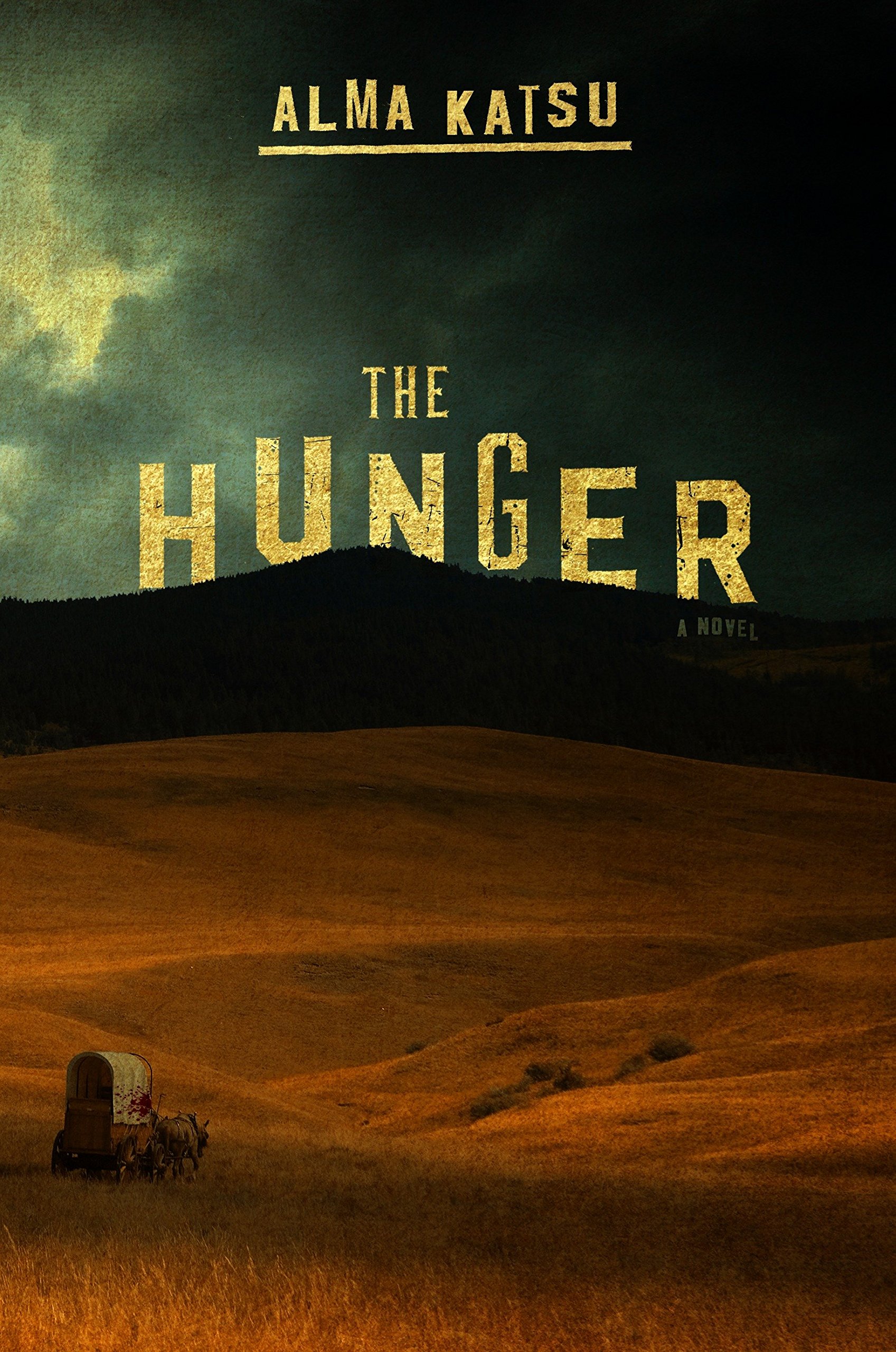
The Hunger is a great example of a story where the worldbuilding doesn’t overwhelm the storytelling.

But neither of us forget that this is all for the story. We never think that the location, while interesting, is more important than telling the story. And it feels like with Goblin, Malerman, for all his strengths as a writer, got those priorities mixed up. And the result were six subpar novellas that might have been decent if more time was spent trying to frighten us readers.

Honestly, I wish the book had approached Goblin’s history like King approached the history of Derry in IT. In that book, the town history, which has several chapters devoted to it, doesn’t detract for the story. For one thing, most of those chapters take place in-between the action, which doesn’t detract from the story. Second, most of those history-building chapters are presented as Mike Hanlon doing research on the town and on It, so these sections are not only part of the main story, but they add context and help us realize just how ingrained It is to Derry. In Goblin, the history is rarely related to the events of any of the novellas, which only detracts from the stories.

And finally, It always has a hand in the history of the town. Whether appearing as Pennywise or causing some disaster at the end of Its active period, It is always there, making the history of Derry the history of It.

As for Goblin…the history could be cut out of most of the novellas I read and it wouldn’t matter. In fact, it might make the stories scarier. Especially since those stories I read don’t really have anything to do with Goblin history.

This is something important to keep in mind when writing horror in a location that requires extensive worldbuilding. Yes, it’s important to bring the location to life. Yes, the history can be interesting and can be talked about throughout the story. However, that must all be done as part of the story. In service to the story. Otherwise, you’re just going to get an ode to a fictional town, and not anything really scary.

Personally, I think I would rather read IT or The Hunger again and use those lessons in my own writing.


One more thing, Followers of Fear: The Solar Press Horror Anthology Volume I, which contains my story “The Dedication of the High Priestess,” is going to be released on December 1st. Not only is this an exciting short story anthology, it also contains one of my favorite short pieces, in print for the first time (before this, it was only available in audio).

If you would like to preorder a copy, you can do so using the links below. If you like in the UK and EU, order directly from the website. If you live in the US, use Orbit DVD.

That’s all for now, my Followers of Fear. Until next time, good night and pleasant nightmares!

Alma Katsu. Photo by Evan Michio

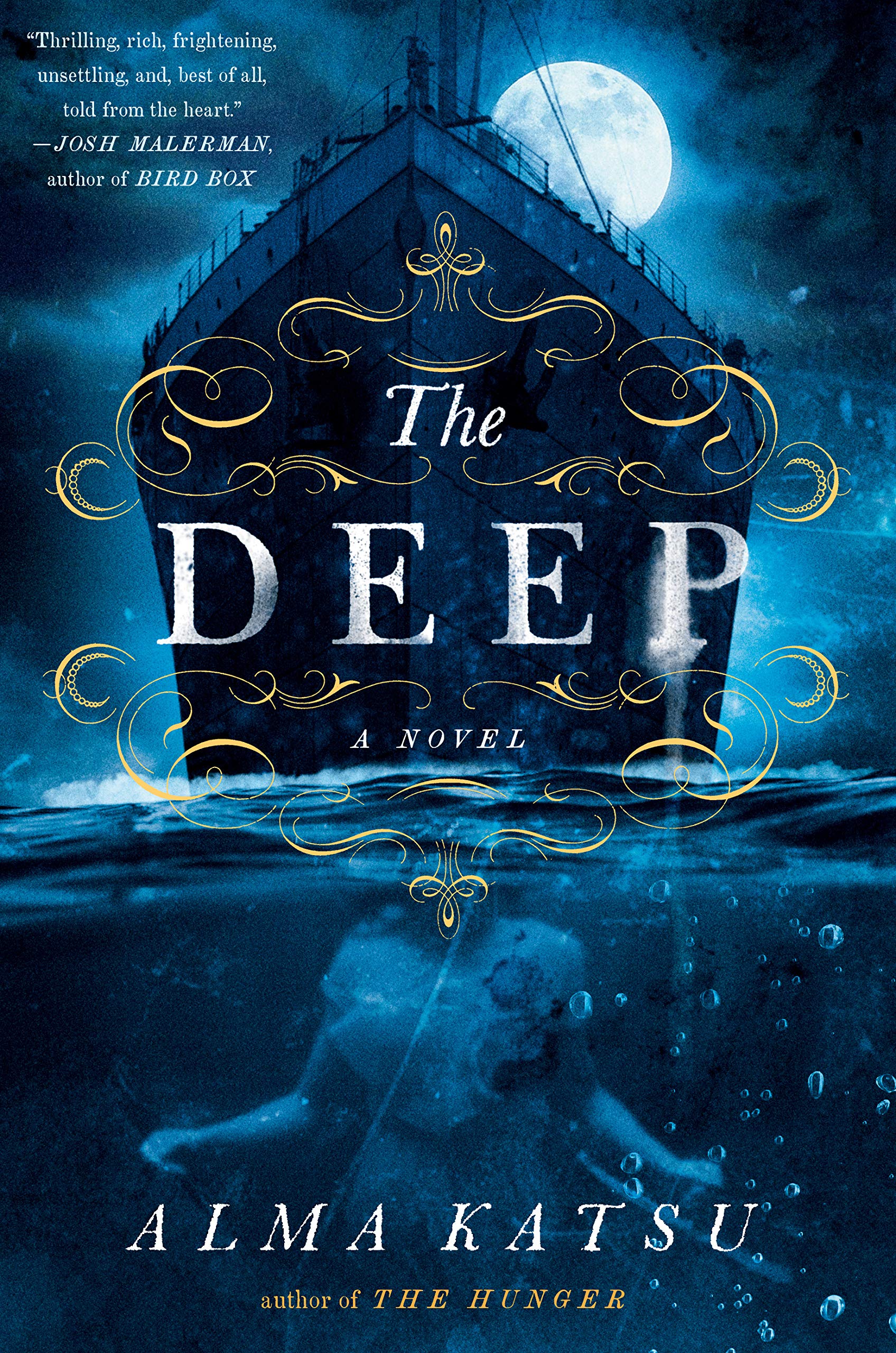
Some of you may remember at the start of the pandemic I had the pleasure to interview Alma Katsu, author of the critically acclaimed novels The Hunger and The Deep (you can read that interview here). I loved both novels, which took on the historical events of the Donner Party and the Titanic, respectively, and turned them into supernatural horror stories. It won’t surprise you, then, that I’ve been looking forward to her next historical horror novel for a while now.

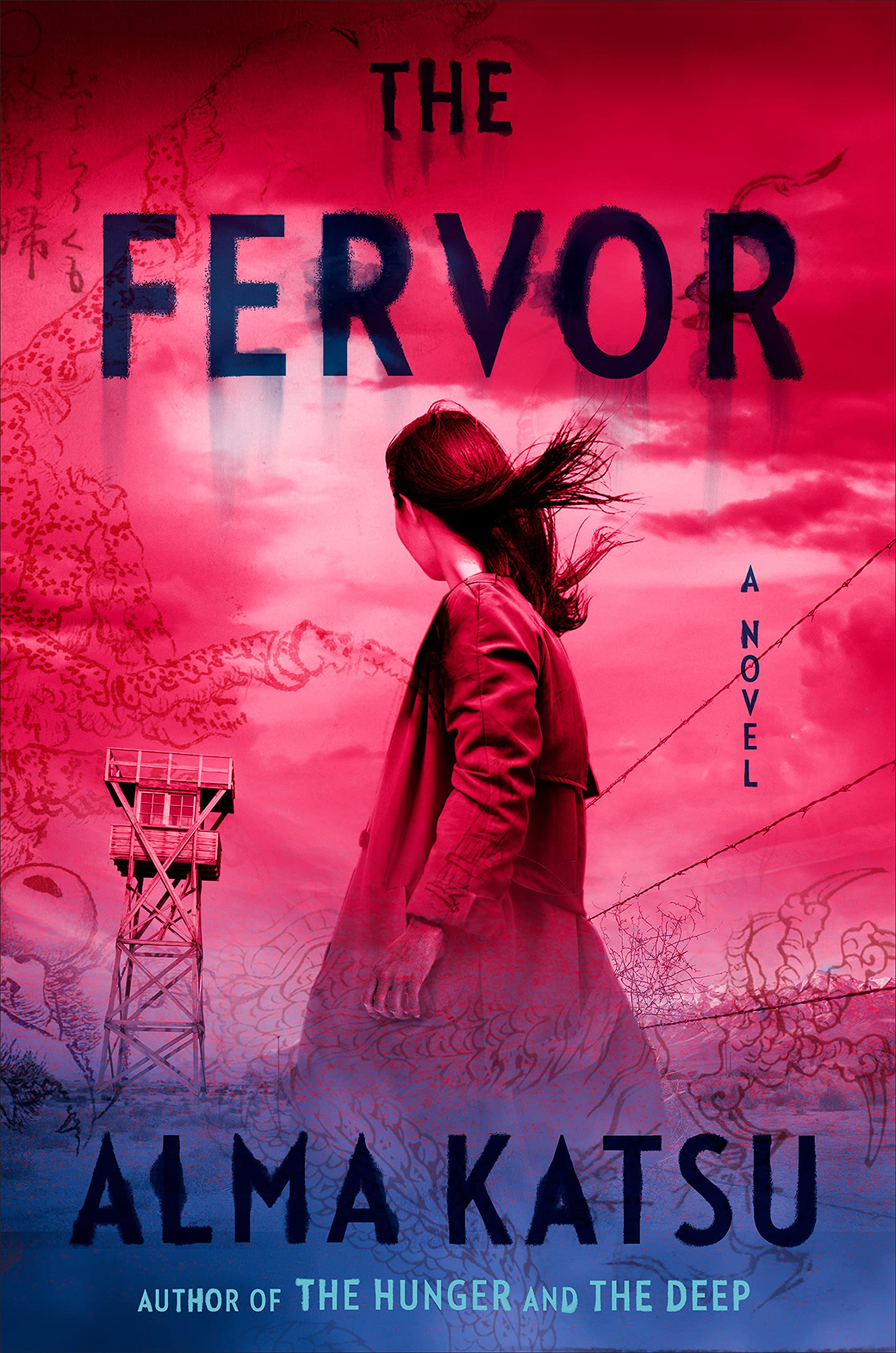
Two pieces of good news: first, Ms. Katsu has a new novel, The Fervor, coming out in late April! The novel takes place during World War II at a Japanese internment camp and involves a strange disease and a stranger monster from Japanese legend. Yeah, you can tell this is right up my alley!

Second pieces of good news: Ms. Katsu has agreed to let me interview her about the book! So without further ado, let’s talk to Alma Katsu and find out why you should be as excited as I am for her new novel.

Rami Ungar: Welcome back to the blog, Ms. Katsu. Please tell us about The Fervor and how it came about.

Alma Katsu: First came the decision to set the next book in WWII. That had to do with trends in publishing, frankly; I’d sat in on the editors’ panel at the Historical Novel Society conference a few years ago, when it was time to come up with a proposal, and their advice was that historical fiction was pretty much dead except for WWII. I’d always thought it would be interesting to write about the internment camps, but then the question was how to turn that into a horror story? Objectively, the horror should be pretty evident: here was a government locking up its own citizens, people who hadn’t committed a crime, because they didn’t trust them. Because the average citizen (with the help of propaganda) believed that Asians were inherently sneakier and untrustworthy.

RU: You’ve talked about your Japanese heritage and how it influenced the story. Can you go into that for us?

AK: This was the first time where the main character of the book has the same ethnicity as me, and it was pretty eye-opening. For one thing, as I was writing I realized that I had a lot of resentments about the way my mother had been treated coming to America after the war, and the way I’d been treated as a minority (to a lesser extent) bottled up inside. Add to that the preconceptions about Asians and Asian women, in particular. This was an opportunity to write the truth, to dispel myths. It was freeing.

RU: I can only imagine! And speaking of Japanese elements, there’s been a surge of stories inspired by Japanese culture, particularly yokai, in the West. Some examples include Nothing but Blackened Teeth by Cassandra Khaw and my own novel Rose. What do you think of that surge, and where do you think it comes from?

The Fervor by Alma Katsu.

AK: I’m afraid I don’t have much to offer here. I know some folks are big into Japanese folktales and such, so I’m not aware of a surge per say. It always seems to be fairly popular thanks to anime! Japanese yokai and yurei are part of the fabric of life for Japanese, and so I’d heard and read stories when I was a kid, and it didn’t seem you could tell a horror story with Japanese characters without incorporating it in some way.

RU: Well, I can attest that anime was definitely an influence on me. Anyway, The Fervor also involves an epidemic in a Japanese internment camp. Did the COVID-19 pandemic influence your decision to include that?

AK: I drew on COVID, yes, the feelings of mass panic and confusion, but The Fervor is about racism. I decided to write it after watching what’s been happening to this country over the past four years or so. I’m not naïve but it’s been bewildering to see racism go mainstream in America. It’s comforting in a way to think it could be a disease, something you could catch, as that at least is understandable. The January 6th attack on the Capitol also influenced the book: The Fervor was an attempt to look at what this country has been going through and compare it to another horrible incident in America’s past, and show that we haven’t changed much.

RU: I’m looking forward to seeing how that plays out in the book. So, what research did you do for the book?

AK: This was different from The Hunger (the Donner Party) and The Deep (the sinking of the Titanic), events that I didn’t know a lot about. I already knew a lot about life in the internment camps, because I’d heard stories from my in-laws, seen documentaries and read articles. I knew what the issues were, I knew how the interned felt and what they had gone through. For the book, it was more a matter of filling in the gaps. I lucked out in that a neighbor’s family had been interned at Minidoka, which is featured in the book, and had a trove of documents from the camp: maps, rosters, newsletters, all kind of non-official documentation that typically gets lost to time. It was a real windfall.

RU: Yeah, primary sources like that are always a boon when writing about history or using it. And speaking of which, you’ve written about the Donner Party, the sinking of the Titanic, and now the Japanese internment camps. Are there any other ages or historical events you would want to write a story about?

AK: After doing three books and having them change a bit each time (going from being fairly close to the history to becoming reinterpretations of events, maybe just shy of alternate histories), I think it’s time to re-evaluate. I’m sure there are plenty of interesting historical events (I’d love to do another Western, for example) but I’m a little burned out on close reads of history right now.

RU: Fair enough. Switching gears a bit, what are you working on nowadays? And when can we expect to see the TV series based on your spy novel, Red Widow?

AK: I just handed in the second in the spy novel series, and though I’m sure it’ll need some work, I’m glad to have that behind me. I’m working on a new project that I can’t talk about at the moment, and hope to be pitching a few TV proposals soon.

Red Widow, the TV series, is chugging along. The pilot script is being polished right now, and we hope to know whether we’ll be shooting the pilot before too long.

RU: Final question: what are you reading these days? And are there any recent reads that you would recommend others check out?

AK: There are so many great books coming out this year that it’s hard to single out just a few. Let’s see… SA Barbes’ debut Dead Silence just came out. It’s space/horror: think Aliens meets Titanic.  It’s a lot of spooky fun. I had the opportunity to read Andy Davidson’s The Hollow Kind, a wonderfully suspenseful, creepy southern Gothic with a dual timeline. It doesn’t come out until October, however. I’m really excited for Catriona Ward’s next novel, Sundial, which I think I liked even better than Needless Street.

RU: Well, thank you for joining us, Ms. Katsu. It was a pleasure to have you again. Please keep us posted on your progress.

If you are interested in The Fervor, you can preorder it now from most retailers. You can also check out Ms. Katsu’s other books, including The Hunger, The Deep and Red Widow. And, of course, you can find Ms. Katsu on her website, Facebook, Twitter and Instagram.

That’s all for now, my Followers of Fear. I look forward to reviewing The Fervor this coming spring. And in the meantime, I’m sure I’ll be back soon with plenty to share with you. Until next time, good night and pleasant nightmares!
What’s up, Followers of Fear and other assorted humans? Recently, at the start of my self-isolation, I read a historical fiction novel with supernatural overtones called The Deep, which I thoroughly enjoyed (see my full review here). Having spoken with the author of The Deep, Alma Katsu, a few times over Twitter, I thought I’d ask if she’d like to be interviewed. She agreed, and the following interview resulted. Ladies, gentlemen, and non-binary gentility, allow me to introduce the author of The Deep and The Hunger (which is on my TBR list), Alma Katsu!

Rami Ungar: Welcome to the blog, Ms. Katsu. Please tell us a bit about yourself and your work.

Alma Katsu: My name is Alma Katsu and I’m the author of five novels, all historical with some element of horror or the supernatural. My most recent book is THE DEEP, a reimagining of the sinking of the Titanic and its sister ship the Britannic. My previous novel was THE HUNGER, a reimagining of the story of the Donner Party. I was very lucky with THE HUNGER, as the book made a number of best books of the year lists and was nominated for several awards, including from Locus magazine and the Bram Stoker Awards.

RU: Please tell us about The Hunger and The Deep, what inspired them and what the writing process for them was like.

AK: Both books are similar, in that they use a historical event as a springboard for a story, but different, too. THE HUNGER is a more of a dystopian—some people have compared it to Cormac McCarthy’s THE ROAD, and Dan Simmons’ THE TERROR. But both books are reflections of the eras in which they took place, which means THE DEEP is a more romantic story, very much of the Edwardian era, with its love of occultism and spiritualism. I tend to write character-driven stories, which might make for a slower pace than some fans of thrillers prefer, but I think it will hit the spot for people looking for a richer read.


My writing process for these books might seem a bit heretical, depending on what you’ve heard from other writers of historical fiction but I keep a very tight schedule doing the research. I was a professional researcher for over 30 years, so I have the benefit of a lot of trial and error and learning what works for me. I do a lot of on-the-spot research along the way, of course. Generally it takes 4-6 months to write the first draft, and then there are rounds of edits, some of which can end up changing the story quite a bit. Writing a novel is definitely a marathon, not a sprint!

RU: Or several marathons, sometimes. Continuing on the topic of historical fiction, obviously you have to take some creative liberties when it comes to famous events in history for the sake of the story. How do you decide what changes to make and how do you go about making them?

AK: Historical fiction is quite a big tent. Some books strive to be reproductions of historical fact with a thin veneer of fiction on top, but that’s not me. I use the historical event as the basis of another story, a different story, usually centered around a theme. The idea behind the THE DEEP has to do with women’s rights, which was a huge issue of the day. In the novel, you see a range of women, poor and very, very rich, struggling with the confines placed on their lives by society. On one end you have Annie Hebbley, the main character, a poor Irish girl who has come to work on the Titanic, and on the other, Madeline Astor, new second wife of JJ Astor, the richest man in America. In between you have a woman doctor (a rarity of the day), an aristocrat who earned her living running a high fashion house, and other poor women with few choices. There’s also the issue of class, and I can think of few settings better to explore this issue than the Titanic!

The changes I make to the historical record are in order to tell the story I’m trying to tell. As long as readers understand that, and are willing to give me a chance to tell them an entertaining and (hopefully) enlightening story, I don’t think there’s an issue.

RU: I have to ask, how hard was it to resist making a snarky reference to the movie Titanic in The Deep? Because the temptation would’ve killed me if I resisted.

AK: I hadn’t seen the movie until I went to write the book, because the movie is what most people today think of when they hear “Titanic,” and I wanted to know what their expectations would be. So, while it wasn’t my favorite movie of all time, I can see why it was popular, and what chords to strike with some people.

RU: You also host a podcast called “Damned History,” about the history behind the stories you write. Can you tell us a little more about that, and the writing process for each individual episode?

AK: The idea for the podcast came from the talks I gave on tour. Audiences told me they got a lot from the talks that enhanced their understanding of my books, but there are only so many people who are going to make it to a live event, so I thought podcasts were the perfect medium to make them available to anyone, anywhere. So, the material in the podcasts for THE HUNGER come from my book tour.


For the episodes for THE DEEP, they’re more on what I think people might find interesting, or what the questions so far have been about, so there’s one episode on Titanic conspiracy theories, and another on some of the real people on the Titanic.

RU: Are you working on anything new right now? And are there any historical events you would like to write about stories about someday?

AK: I’m working on the next historical novel right now, which will deal with World War II, and gearing up for the release of my first spy novel next year, RED WIDOW. This is a first for me, drawing on my career in intelligence, and I hope readers will give it a try.

RU: I’ll check them out, especially the WWII novel. That was the focus of my history major in college, after all. So, when you’re not writing, researching or podcasting, what do you do with your time?

AK: Working! I may retired from government but am still a consultant. There’s a lot of juggling going on in my life right now.

RU: I know what that’s like. What is some advice you would give other authors, regardless of background or experience?

AK: Write and read. Read a lot, read outside of your genre. And try to write every day, write through problems in your story, because writing is like a muscle.

RU: Finally, if you were stuck on a desert island for a while and could only bring three books with you until you were picked up, which would you bring with you?

AK: That’s tough. I’m not one of those writers who worships a particular book, and I like to use my reading to study how other writers have handled a particular issue in writing. I’d definitely have a Sandor Marai book among them, because I love the way he unfolds these terribly complex stories. Right now, I’m enjoying good mystery writing, particularly those of Laura Lippmann and Denise Mina. I like old Barbara Vine mysteries, too.

RU: All are excellent choices. Thanks for coming on the blog, Ms. Katsu. I hope you come by again with your next book.


Both The Deep and The Hunger are available from most book retailers. If you would like to check out Ms. Katsu’s podcast Damned History, you can find it on iTunes, Google Play, Spotify and Soundcloud. And you can find more about Ms. Katsu herself on her website Alma Katsu Books, as well as on Twitter.

If you would like to see more interviews I’ve done with authors, check out my Interviews page.

And if you’re an author who will be releasing a book soon or just released a new one and would like to be interviewed, send me an email at ramiungar@ramiungarthewriter.com. If I’m available, we’ll make some magic happen.

That’s all for now, my Followers of Fear. If you’re celebrating a holiday this weekend, I hope you’re finding it spiritually satisfying. Until next time, stay safe, be healthy, and pleasant nightmares!