It’s almost October, meaning we’re three-quarters of the way through calendar year 2023.
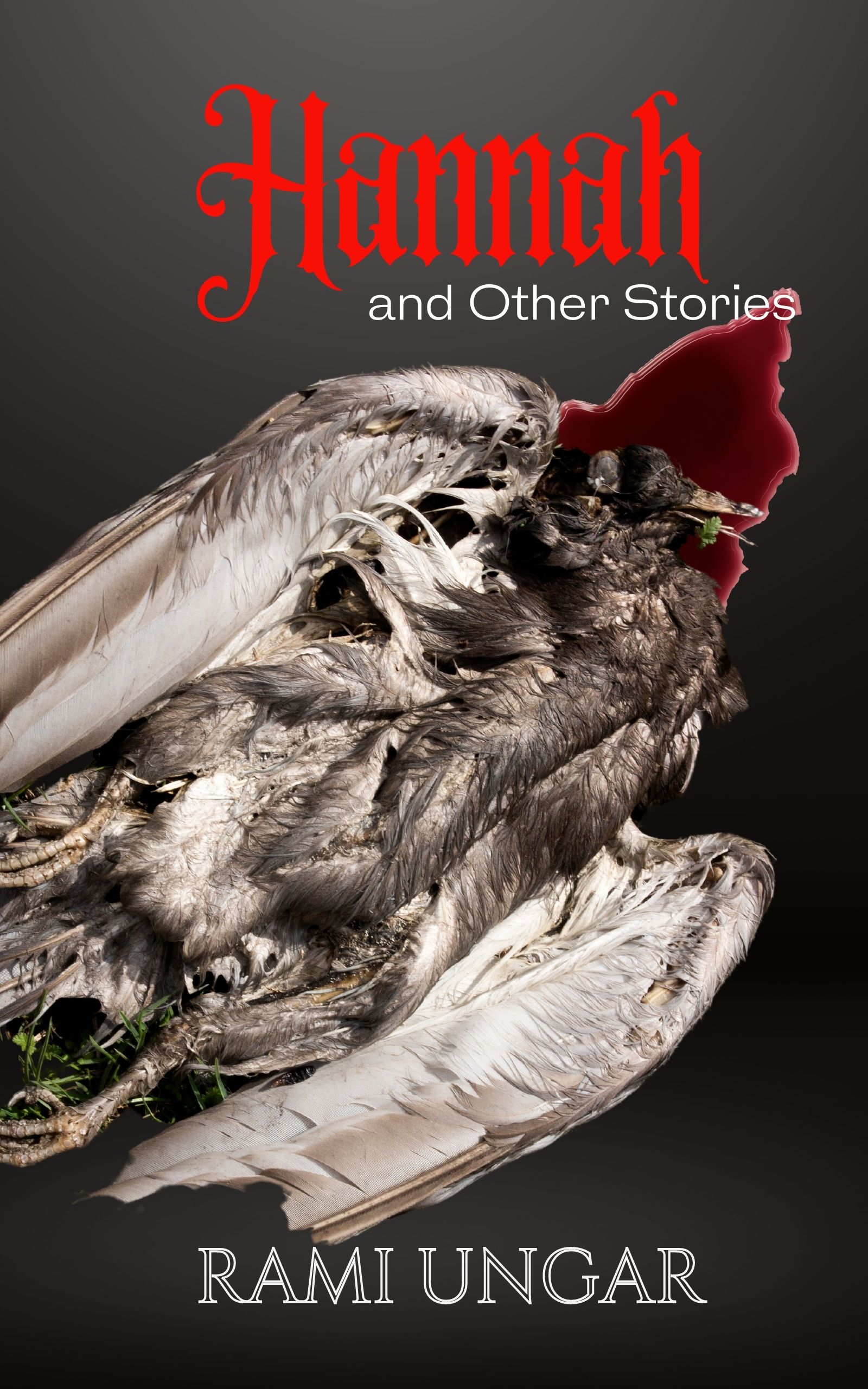
Before 2023 started, I announced that I would be doing something called The Great Editing, where I would spending several months deep in editing stories, mainly drafts of Hannah and Other Stories, plus a couple of novellas and novelettes. Every now and then, I’d take breaks to work on original work, and hopefully it would be done in a couple of months.
Somehow, the Great Editing extended through the summer, and in recent months has been very revved up as I go through stories I wanted to get edited back in the spring. Sure, I still worked on original stories, such as the story I wanted to submit to the grimdark anthology* and a weird fiction story, but for the most part, I’ve been doing a ton of editing.
And promoting for Hannah and the Face of Horror contest. But mostly editing.
Now, I think I’m close to finishing this insane process. I’ve got one more story I’m definitely editing, then another I haven’t decided if I want to edit or if I want to put it in the proverbial trunk. After that, unless beta readers or publishers have notes for me (and usually those edits can be done in less than an hour), I plan to end the Great Editing and work on some original stories. In fact, I have five or six shorter works I want to work on, because they just intrigue me and seem like a ton of fun.
And after those are done, I want to get back to Crawler, the mummy novel I started last year, then put on the back burner, and then entirely off the stove. I’d like to go over what I’ve written once more, apply all the learning and experience I’ve gained since I last worked on the book, and then get to the end of it. I absolutely hate that this book is unfinished, especially when it has such potential. Perhaps by this time next year, it’ll be finished. I would like that.
Well, before that happens, I need to get some edits done. Wish me luck, my Followers of Fear. If I can, I’ll finish The Great Editing done by Halloween.
*Unfortunately, the story I wrote for the anthology wasn’t exactly grimdark, so the anthology rejected it. However, they did say it was a great story and really enjoyed it, so I was happy to hear that. I’ve already resubmitted it, and will hopefully have news soon.
How about that, my Followers of Fear? I only mentioned Hannah and the Face of Horror without trying to get you to buy something or take part. But don’t worry, I’ll do plenty of that in later posts.
Until next time, my Followers of Fear, good night, pleasant nightmares, and 33 days till Halloween! Release the scary clown army!
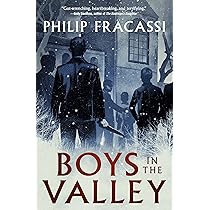
After reading Philip Fracassi’s book Gothic back in spring (see my review here) and after meeting and sharing a drink with him at Stoker Con in June, I was interested in his new book Boys in the Valley. It helped that there was a lot of advanced buzz around the book. So, I preordered the audio book, and started listening to it earlier this month. What did I think?
Boys in the Valley takes place at St. Vincent’s, a Catholic orphanage for boys in an isolated section of 1905 Pennsylvania. It’s not a terrible place, but it’s not exactly a great place, either. Still, those there try to make the best of it. At least, until one night, when the sheriff shows up with an injured man covered in occultic symbols. The events of that night set in motion the release of a terrible evil and a plot that will test everyone in the orphanage. And failure of that test may lead to consequences worse than death.
Gothic was good, but I liked Boys in the Valley better.
The best part of the story is the cast, and it goes to show Fracassi’s skill as a writer at how well he juggles an ensemble cast. Among the characters are Peter, a young man who is training for the priesthood (though he also has feelings for a local farmer’s daughter) and who views himself as part of a long line of St. Vincent boys; David, an angry young man who considers the orphanage a sort of hell; Brother Johnson, a brutish staff member at the orphanage whose journey through the story is fascinating to watch; and Father Poole, the megalomaniac running the orphanage whom I wanted to strangle throughout the book (and it says a lot about the writer that I reacted as viscerally to the character as I do with some politicians).
All these and more characters really made the story come to life for me, as did the story itself. It’s a possession story, but it doesn’t follow the usual trajectory of one, and that makes the direction unpredictable and the twists so much more satisfying. There were several moments where I had no idea what would happen, but desperately hoped for it to go one way and to open my mouth in surprise when it didn’t.
If there were some things I would have liked better, I would have preferred to see some more demonic antics in the novel. That, and I was hoping for a different ending in the final chapter.
But overall, Boys in the Valley by Philip Fracassi is an excellent novel and a fun read. On a scale of 1 to 5, I’m giving the book a 4.6. Heartfelt, with a strong cast and vivid storytelling. Set yourself down with a copy and some communion wine and strap in for the ride.
And if you go with the audio book, you’re in for a treat. The narrator, David Aaron Baker, does an excellent job with the various voices of the characters, shifting from boys and teens with cracking voices to gruff adults in a skillful flash.
That’s all for now, my Followers of Fear. Until next time, good night and pleasant nightmares.
So, this past Thursday was the one-year anniversary of the release of the audio version of The Pure World Comes. (And yes, I realize this is the second time I’ve missed an anniversary like this in the past couple of months, but I’ve been busy!) And, of course, me being me, I have to mark it. So, let’s start celebrating!
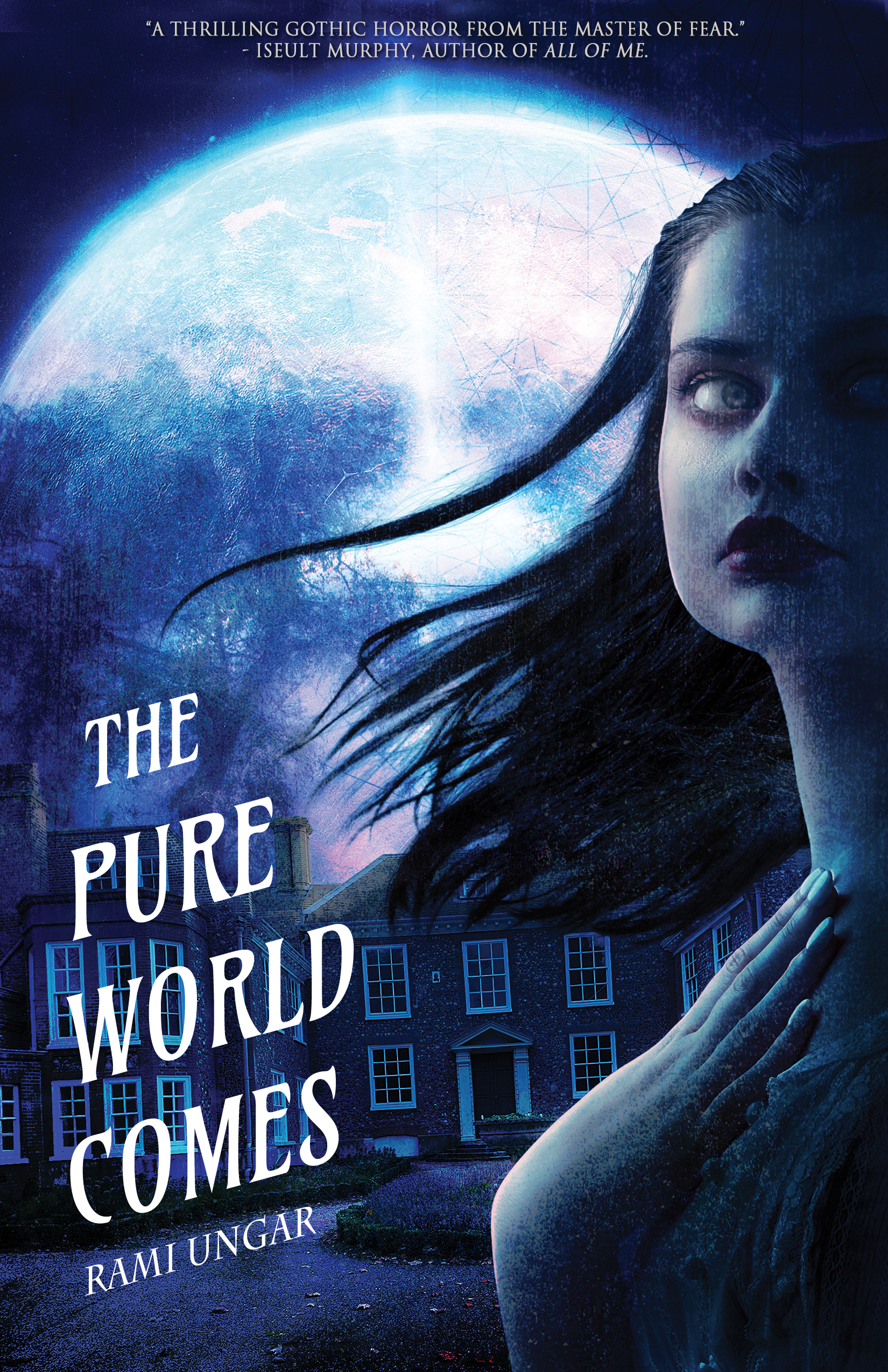
So, if you didn’t know, The Pure World Comes is a Gothic horror novel I wrote during the pandemic. It follows a maid who goes to work for a mad scientist during the Victorian era and what happens to her. Here’s the description on the back cover:
Shirley Dobbins wants nothing more than to live a quiet life and become a head housekeeper at a prestigious house. So when she is invited to come work for the mysterious baronet Sir Joseph Hunting at his estate, she thinks it is the chance of a lifetime. However, from the moment she arrives things are not what they seem. As she becomes wrapped up in more of the baronet’s radical science, she realizes something dark and otherworldly is loose within the estate. And if left unchecked, it’ll claim the lives of all she holds dear.
Not bad, right? I had a lot of fun writing this story. I love the Victorian era (I actually spent five years really researching the era before writing this story) and I kind of made this story into a love letter for both the age and to the Gothic stories that came out during this period, like Frankenstein and Dr. Jekyll and Mr. Hyde. Actually, when I’m selling it at events, I tell people it’s like Frankenstein and Crimson Peak (you know, that Guillermo del Toro movie?) had a baby together. People tend to like that description.
And the reviews the book has received have been enthusiastic. Here’s what they say:
Really enjoyed this! Been a while since I’ve read a Gothic tale and it did not disappoint. I love the twists that it took!
Pax Panic, YouTuber (left on Goodreads before her untimely passing)
What I got was a short novel so perfectly Victorian and utterly Gothic that it made my old-fashioned self giddy as a schoolgirl…Mixing classic-romantic Victorian elements with early science-fiction, tales of Jack the Ripper/Spring-Heeled Jack, and a bit of the occult, this book gives the reader a truly chilling and also slightly fun little Gothic adventure.
HD Daughrity, author of “Tales My Grandmother Told Me.”
The idea of a pure world where pain and suffering doesn’t exist sounds incredible but life is about balance between good and evil. In his book, ‘The Pure World Comes’ Rami Ungar explores the idea.
The main character, Shirley, starts out as a maid, but the reader soon learns that she is mature beyond her years. Her difficult past could however not prepare her for the terrifying experiences she is subjected to. I was on the edge of my seat throughout the book.
The story flows seamlessly and grows in intensity until it explodes at the end. I love stories where the characters evolve with the story. In ‘The Pure World Comes’ we watch Shirley go from being a maid to a brave, super smart young lady who defies the odds.
A great read for anyone who enjoys a mystery thriller sci fi story.
Celeste Wilson, Goodreads reviewer
And these are just a fraction of the reviews I’ve received, the majority of which have been just as enthusiastic.
Sadly, the audio book has only received one review, which is a shame because I think it is awesome! It’s read by Nikki Delgado, who does a fantastic job with all the accents and characters and really helps you immerse yourself in the story. So, I’m really hoping that in the next year, more people will listen to the audio book and maybe even leave reviews.
If you’re interested, I’ll leave links below. Not just for the audio retailers, but for the ebook and paperback retailers as well. And if you like what you read (or listen to), please leave a review or rating other readers and listeners can see what you thought.
Thanks, my Followers of Fear. Also, as we’re 80 days away from Halloween, I wish you happy reading and pleasant nightmares.
Speaking of this past Thursday, if you missed the live showing of Galactic Terrors, I have the video of it embedded below. If you’re at all interested, you can watch me, Lara Frater, and Teel James Gleen read from and discuss our recent or upcoming works. I hope you’ll give it a watch and maybe then start watching the new episodes regularly.
Until next time, my Followers of Fear, good night and pleasant nightmares.
Happy Birthday to the blog, Happy Birthday to the blog, Happy Birthday to Rami Ungar the Writer, Happy Birthday to the blog.
So yeah, it’s been exactly twelve years since this blog was created. Hard to believe, right?
For those of you who don’t know, I first created this blog a few weeks before I was supposed to start college at Ohio State. I was sitting in the library down the road from my mom’s house, on one of their computers, and signed up for WordPress. I had barely any idea what I was doing back then. I had just heard that having a blog might be a good way to build an audience for when I published my first book (which I always considered an inevitability).
Even so, I consider that moment a turning point in my nascent career. Before then, while I had had one paid publication and some unpaid publications prior to the blog, I was still just writing on my parents’ computers and those who knew me as a writer were confined to my social circles. But beginning with my blog, I was able to start making connections with people from around the world. Blogging opened my world, and was essential in me making the connections that would help me grow as a writer and as a person.
Today, at the time of this writing, my blog has over two-thousand posts, over fourteen hundred subscribers, and gets between fifteen hundred and two-thousand views per month. And over the last year, this blog has seen me through so many things in my life: all the editing on Hannah and Other Stories; the publication of That Which Cannot Be Undone, my dragon bat story, and The Dedication of the High Priestess; the audio book for The Pure World Comes was released; I celebrated my first Halloween, Hanukkah, and Passover in my condo, among other things; I took part in the Face of Horror contest and The Great Editing; I went to my first ever Stoker Con; I celebrated several big publishing anniversaries, including The Quiet Game‘s ten-year release anniversary; and, as I announced the other day, I got a grant from the Greater Columbus Arts Council.
I wonder what will happen in the next year? Obviously, Hannah is due out next month, and I have big hopes for that book. But what else? I was invited to submit to an anthology, but we’ll see if that story gets accepted or fits the publisher’s vision for the anthology. And I have a number of stories I need to edit and start shopping around, so hopefully that goes well. And I want to try and finish writing Crawler, the mummy novel I started last year.
Whatever happens, I know I’ll have the support of so many amazing readers and writers behind me. Reading this blog, reading my books, and leaving their thoughts in comments and reviews.
Speaking of which, if you would like to preorder Hannah and Other Stories, or you would like to check out any of my books that are already available, I’ll leave links below. And if you like what you read, please leave a review online so I know what you thought.
That’s all for now, my Followers of Fear. Until next time, good night, happy anniversary, and pleasant nightmares!
If you don’t know what those are, they’re YouTubers who mostly review books. There’s a whole bunch of them devoted to horror. I’ve been following one for a while now. Pax Panic. She was funny, she was enthusiastic, she loved horror and you could tell that, even though her channel was small, it would grow.
I say “was” because she passed earlier this year. Some time ago, she announced she had cancer and was undergoing treatment. I, and the rest of her following, rallied around her, offered her our support. I think there might have been a fundraiser for medical costs, but I’m not sure. Anyway, she went through treatment, and we hoped that was the end of it. But we soon learned that the treatment didn’t take, and she posted that she only had a few months to live.
Obviously, we were upset. We kept watching her and supporting her.
And then a few months ago, her husband posted that she’d passed. And just writing it, I’m feeling a little teary. I don’t get teary-eyed often, but I feel like crying just typing this. She was an amazing person, and it fucking sucks that she had to die so young.
Anyway, her husband said that she recorded a bunch of videos prior to her treatment and death, and that he would be uploading them in her memory. Which I and her other followers appreciated.
And today, a video was uploaded to her channel, a video with reviews of multiple books. One of the books was The Pure World Comes. My Gothic horror novel.
I’ve posted the video below. If you want to watch just her review, it’s from 3:12 to 5:52.
Followers of Fear, I was not expecting this. I sent her a review copy of The Pure World Comes a while ago, and she left a review on Goodreads, and I thought that was that. I never expected that she would include it in a video, let alone one after her death. And she delivered it full of such love for the story and for the concept and how I played with both the Gothic elements and the Victorian elements and the scientific elements.
I appreciate all my reviews (except for ones like the one from a troll who wanted to make fun of me over something in my biography). But this one had me shook emotionally. It was so sweet and unexpected and it really hit me emotionally. These videos always make me feel a little sad, because Pax is no longer with us, but this one…it just amplified both my sadness and my gratitude. Hands down, one of the best reviews I’ve ever received for one of my stories.
Pax, wherever you are, thank you. This meant so much to me. I miss you, and I hope that right now, you’re reading all the scary stories you can dream of.
If you’re at all interested, I highly recommend checking out Pax’s channel and her other videos. She left a lot of material and there’s probably going to be more in the weeks and months to come. It’ll be heartbreaking, but it’ll be worth watching.
And if you’re at all interested in checking out The Pure World Comes after watching Pax’s review, I’ll include links before. For those unfamiliar, it’s a Gothic horror story about a maid in Victorian England who goes to work for a mad scientist. As Pax said, it’s got Gothic with Frankenstein mixed into it.
And if you like what you read, please leave a review online. Positive or negative, I love reader feedback, and it helps me and other readers as well.
That’s all for now, my Followers of Fear. I’m still kind of shook, but I’m taking it in stride. I’ll also be heading to bed soon. Until next time, good night and pleasant nightmares.
Picture about ten years ago. You’ve released a book, but after an initial ten or so sales, no one is looking at your book or leaving reviews. Your blog has barely a hundred followers, and you maybe only get one or two views a day. Sometimes you get more, but those days are rare and they don’t usually get you more than ten. Also, you’re sending out short stories to plenty of publications–non-paying, because you think those publications are easier to get into and you’re working your way up to paid publications–but over and over, it’s just rejection after rejection.
Thoughts about what you’re doing wrong and how are you supposed to become a writer like this flit through your head.
This was me at times during my early writing career, specifically after the release of The Quiet Game. Variations of it, I’m sure, other writers have gone through at various points of their careers, including well into them. Some may even entertain giving up fiction writing, that they don’t have what it takes to become anything in this industry.
Repeated disappointment can be quite the demotivator.
That being said, if you keep trying and can get through the disappointment, perhaps something amazing can happen.
Despite the disappointment, I kept writing and blogging and submitting. I published some more books (two of which I later took out of circulation for reasons I won’t get into), and they got fans. A few even scared people. My blog kept growing and people started rooting for me in earnest. I started working with some other writers to give advice on writing and self-publishing, and it helped increase my influence. I got a lot of rejections on my short stories, but I did get some publications, and that helped me stay motivated.
In 2017, I joined the Horror Writers Association, and not too long after, I joined the newly-formed Ohio chapter. Finally, I’d found my people. And somehow, I ended up becoming the chapter coordinator, which is still my position today (I was reelected by popular vote).
I honestly feel Rose was a turning point in my career, both as a validation of all my previous efforts and a sign of things to come.
In 2018, I got my novel Rose, which I wrote as a college thesis, accepted for publication. I was going to be traditionally published. Thus followed fifteen months of editing and rewriting, during which my anxiety disorder also manifested. Somehow, through all of it, I got the book published and people liked it. To this day, it’s still my most popular book.
Also, in 2019, I had a short story, “Car Chasers,” published in an anthology and was paid five-hundred dollars for it. To this day, it’s still the most I’ve ever made off a single story.
During 2020 and COVID, I kept writing. I met with my fellow writers virtually and we helped each other along. I attended my first event as a vendor in Iowa, and learned a lot. In 2021, I attended events and got more stories accepted and published, including The Pure World Comes and Hannah and Other Stories. In 2022, the former came out in paperback, ebook, and audio book, and I got more work accepted, including The Dedication of the High Priestess, which to this day I still think is some of my best work ever.
Also, after nearly two years of work, my friends and I created a small press and released That Which Cannot Be Undone, an anthology of Ohio horror.
This year, editing on Hannah reached the point we could set a release date. I went to Stoker Con, where not only did a lot of people know who I was, but many people, including my heroes in the horror genre, were eager to meet me. (And they were so nice!) A few even agreed to be eARC readers for Hannah.
Also, I’m working on a grimdark story for an anthology I’ve been invited to, and there’s a chance other stories may be released this year. This past week, The Quiet Game reached its ten-year release anniversary and more people are reading it than ever, especially this week. And I was at the Columbus Book Festival this past weekend and sold more books and made more than I’ve ever earned in four years of vending. I don’t expect the same results this weekend at Gem City Comic Con, but I’m hopeful for good things.
Me and my fellow Ohio horror writers at the Columbus Book Festival. I’m on the end.
And I’ve heard from plenty of people, including an old coworker and my tattoo artist, that they’re reading my work and enjoying it so far.
(Yes, I have a tattoo artist. Surprise!)
All this isn’t to brag. It’s to say that if you keep working hard and working to improve, things won’t stay the same. You can build a foundation for yourself, a catalog of work. And then readers and colleagues and more will be drawn to you. They may even eagerly await your work. You may not be able to write full-time, let alone live the Stephen King lifestyle, and it may take a shit ton of time, but you could become someone whose work people enjoy.
Or, to quote Field of Dreams, “If you build it, they will come.”
And isn’t that what we all want, in the end?
That being said, I do hope I’ll be writing full-time by 2028. I actually asked my Tarot cards if I could be writing full-time in five years, and they said there’s a strong possibility. That’s poured gasoline on the fire under my ass. I can’t wait to see what happens under this level of motivation. Wish me luck, Followers of Fear!
Thanks for reading, my Followers of Fear. I’ve been wanting to do a post like this for a while. I hope many of you found it helpful.
Also, I’ll be in Dayton, Ohio this weekend for Gem City Comic Con to sell books and do Tarot readings. If you can stop by, please do so. And if you can’t, click that button thing below. It’ll take you to my Books page. If you’re looking for new reading material, there’s plenty there to choose from. Just remember to leave me a review if you end up reading something of mine so I know what you thought.
That’s all for now, my Followers of Fear. Until next time, good night and pleasant nightmares.
It’s that time again. I have a lot going on, so I thought I would list it now right now. Besides, it’s a good excuse to slip in some reminders about things.
So, without further ado, here’s what’s going on in my crazy life. Enjoy!
Hannah and Other Stories As you are no doubt aware, my new collection Hannah and Other Stories is on its way. It contains tales of ghosts, budding serial killers, and carnivorous horses, among other things, and it’ll be out on September 23rd, while currently available for preorder.
Before we get there, however, there’s a bit more work to do. BSC Publishing Group will be sending me the notes for the last draft any day now, at which point I will quickly edit it. We will then send out the eARCs to the ARC readers, who will hopefully read it and provide some helpful blurbs and reviews that will make people want to read Hannah more.
In addition, I’m doing everything I can to make sure this book is successful. I’ve already been booked for a couple of podcasts and shows, some of which I will list below, and I’ll likely be scheduled for more once the eARC is ready. I’m also posting short videos on my YouTube channel about the inspiration behind some of the stories in Hannah, as well as a candlelit reading of an excerpt from one of the stories. I plan to post more videos and excerpts as time allows.
With any luck, these and more avenues I’m pursuing will allow Hannah and Other Stories to be successful once it’s released. It would be amazing if that were to happen.
Speaking of which, if you would like to preorder a copy of Hannah, you can do so here. And you can read an excerpt here. I hope you check them out, because it’s a fucking great collection. Not something horror fans will want to miss.
The Quiet Game: Five Tales to Chill Your Bones As I’ve said before, The Quiet Game, my first collection and first published book, will pass its ten-year release anniversary next Monday, July 17th, 2023. Obviously, I plan to do a blog post and a YouTube video, as well as other social media posts, to mark the occasion. I’m even doing a giveaway: if you preorder a copy of Hannah and email me letting me know you did before Friday the 14th, you could win a signed copy of The Quiet Game.
My email is ramiungar@ramiungarthewriter.com. I’ll hopefully announce the winner on the 17th. I hope you all take a chance to enter.
Short Fiction I’ve some good news on this front. I recently wrote a weird fiction short story that I think has potential. And very soon, I’ll be writing a grimdark story for an anthology. I was actually invited to submit a story to this anthology, so I’m very excited to start on the story. And once it’s done, I plan to have it edited and submitted as soon as possible. Same with the weird fiction story.
After that, I have a bunch of short stories, novelettes, and novellas to work on. I want to finish rewriting the ending of “They Sleep Within the Rock,” AKA the story where I put neo-Nazis through hell. I also have to edit “It Changes You,” AKA the Backrooms story before shopping it around, and rewrite/heavily edit “The Underground Kings” and “Forever Young,” two short stories I think have a bunch of potential.
All of them, I feel, have a chance of being published somewhere. And after they’re worked on…
Crawler For those of you who are unaware, Crawler is a mummy novel I started writing last year. I got about seven or eight chapters in, but then stuff with Hannah started to heat up, and I had to put it on the back burner. And then I took it off the burner and onto a trivet. I’d like to get it back on the stove again by the end of the year. It may not be the biggest new thing in horror, but I would like to get it done.
Fingers crossed that happens.
Upcoming Events Here are some of the things I’ve got going on in the near future that I think you may be interested in. Hell, maybe you’ll have an opportunity to stop by for some of them:
This coming weekend, Saturday, July 15 and Sunday, July 16, I’ll be joining HWA Ohio at the Columbus Book Festival in downtown Columbus. It’s an amazing festival to support local authors, organizations and groups. If any of you are in Columbus this weekend, please feel free to stop by. There’s entertainment for all ages, and I would love to see you.
The weekend afterwards, on July 22 and July 23, I’ll be at the Dayton Convention Center in Dayton, OH for the Gem City Comic Con. I’ll be selling books and reading Tarot cards there, so please stop by if you can. I believe if you go to their website, you should still be able to get tickets.
On August 10, I’ll be joining some members of the New York HWA chapter for their podcast, Galactic Terrors. It’ll be broadcast live on Facebook and YouTube before becoming available as a podcast. I’ll be reading from Hannah and maybe answering some questions from those listening in. Further details, such as links and who else will be on the show, will be provided as we get closer. I’ll be sure to post those details as soon as we get them, so hopefully you can attend.
On September 9 and 10, I’ll be with HWA Ohio at Mystics & Marvels at the Franklin County Fairgrounds in Hilliard, Ohio. At this event last year, HWA Ohio really cleaned up, and I almost sold out! I’m looking forward to returning this year, and I hope more people come by. Including you!
And there will be more events as time goes on, especially with Hannah releasing in September. I’ll be sure to let you know about them as soon as they’re confirmed!
That’s all for now, my Followers of Fear. If anything else comes up, or there’s something I really want to talk about, I’ll be sure to let you know on this or any of my other platforms (which now includes the Threads app as rami_ungar_writer). Until then, however, good night and pleasant nightmares!
I can’t believe I missed this milestone! I know I was busy, but man, there’s no excuse.
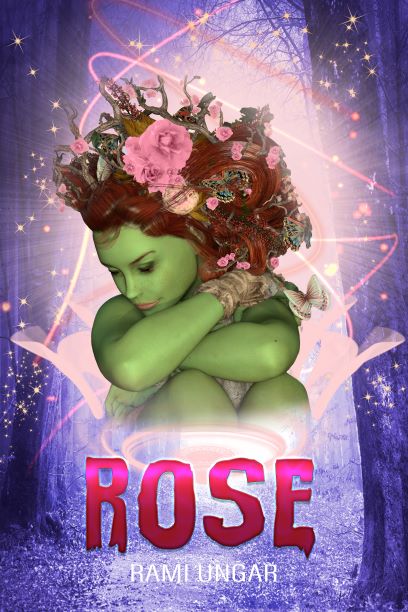
Anyway, to be precise, Rose was originally released two years ago yesterday. For those of you who don’t know, Rose is my most popular novel, and the first I published with an actual publisher. The novel follows a young woman, Rose Taggert, who turns into a plant/human hybrid. And that’s just the start of her problems! It’s Kafkaesque, full of Japanese mythology, and is plenty creepy.
Here’s the back cover matter:
Rose Taggert awakens in a greenhouse with no clear memory of the past two years and, to her horror, finds her body transformed into an unrecognizable form.
Paris Kuyper has convinced Rose that they are lovers and as Paris could not bear for her to die, he has used an ancient and dark magic to save her from certain death.
But the dark magic Paris has used comes at a price. A price which a terrible demon is determined to extract from Rose.
As Rose struggles to understand what is happening to her, she must navigate Paris’s lies and secrets; secrets that Paris will do anything to protect.
Not bad, right? And let me tell you, plenty of people have come to enjoy the book in that time. Here are the reviews:
Loved the premise and all of the descriptions of turning into a plant creature, as well as several other body horror scenes, were disturbing in the best way. I also liked the psychological horror of the story and was often at the edge of my seat wondering what would happen next…Overall, a solid horror story! I feel the strong beginning and surprising and intense ending made this a great horror experience and a book I would definitely recommend.
Emma, Amazon reviewer
One of the most original stories that I have read in quite some time. Rose is a tale that is hard to categorize; part horror, part urban fantasy, but entertaining from start to finish. This was my first time reading Rami Ungar, but it will not be my last.
John Watson, author of “Bloody Mary” and “Salem”
In this work, Rami Ungar paints a captivating picture of Japanese folklore and magic, which serves as a backdrop for a story about captivity, manipulation, and possession! His narrative style also captures the dread and claustrophobia of being a captive, not to mention the twisted pathology of the captor! Scary stuff, and all the while you’re rooting for the bad guys to get their just desserts!
Matthew Williams, author of The Cronian Incident
And these are only a small fraction of reviews Rose has received. As I said, it’s my most popular novel. And I’m hoping in the coming year that it’ll continue to grow in popularity and readership. Hell, I got to give a copy to an author I greatly admire at Stoker Con, so maybe she’ll tweet about it or something.
And if she doesn’t, oh well. Rose is constantly finding its way into the hands of readers, and they usually become fans. Some even leave reviews online, which is great because it lets me know other what they think and encourages other readers to check out the book.
Speaking of which, if you would like to check out Rose, I’ll include links below. You can get it in paperback, ebook, and audio formats. And if you do get a copy and read it, please leave a review online. Like I said, they help me and other readers out, and I would love to see what you think.
Anyway, that’s all for now. I may have missed the four-year anniversary, but I’ll be sure to do something big for the five-year anniversary. And in the meantime, you know I’ll be working like a demon to accomplish my writing goals.
Until next time, my Followers of Fear. Good night and pleasant nightmares!
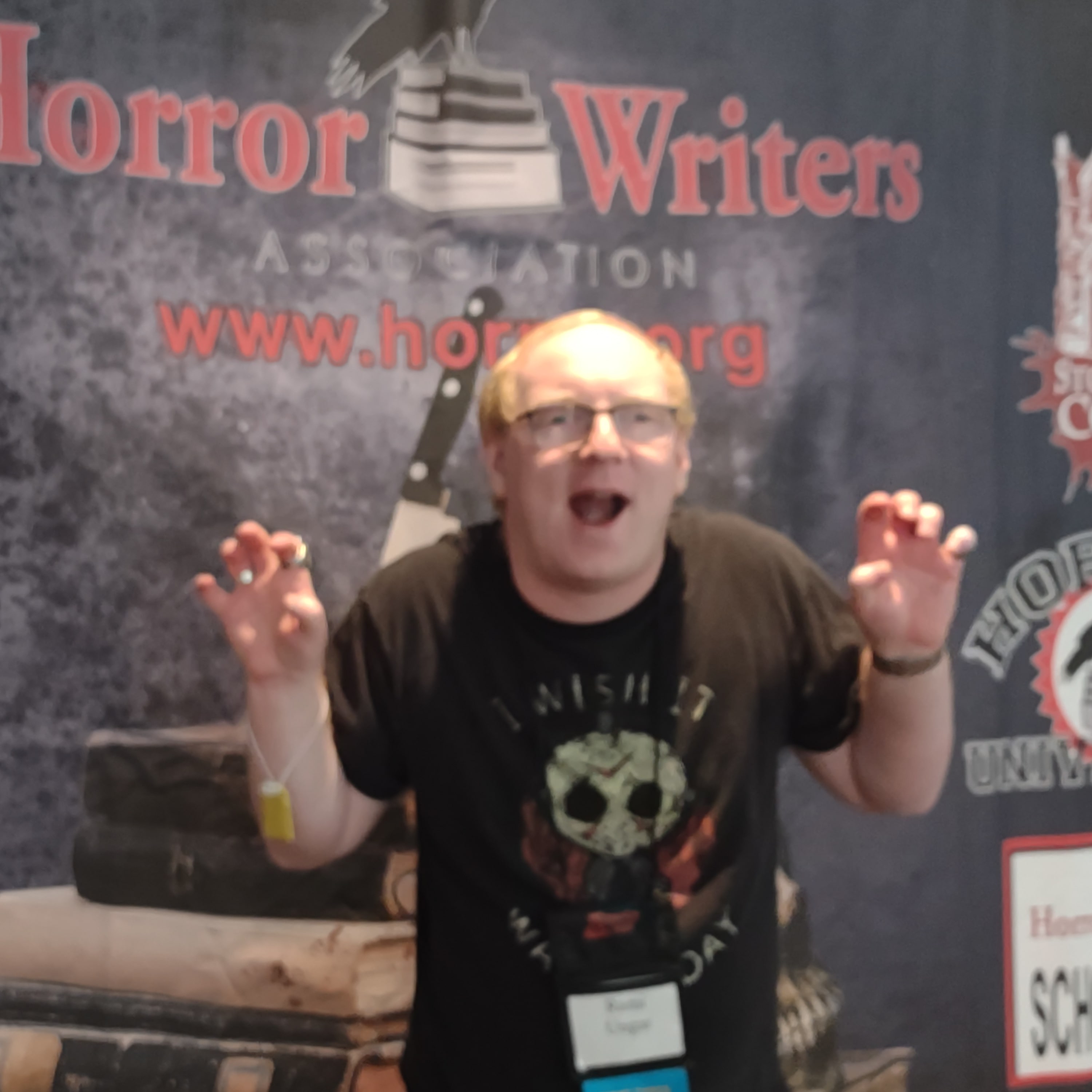
I’m back, Followers of Fear! And let me tell you, I had the best time at Stoker Con, the biggest convention for the horror writing community in the world! Four days spent with my comrades in the Horror Writers Association discussing all things horror and enjoying all things macabre. Honestly, it was one of the best experiences I’ve ever had!
And it was in Pittsburgh, which despite how difficult it is to drive in, was the home of George A. Romero, so his presence was felt throughout the convention. Hell, the city has kind of embraced Romero as sort of a patron saint, and the George A. Romero Foundation was even a sponsor for the con, so that made it extra special.
But back to the con. Honestly, how can I describe it to you? I guess I could go over the things that made it memorable to me while also supplying photos here and there. Yeah, that works, so let’s go for it.
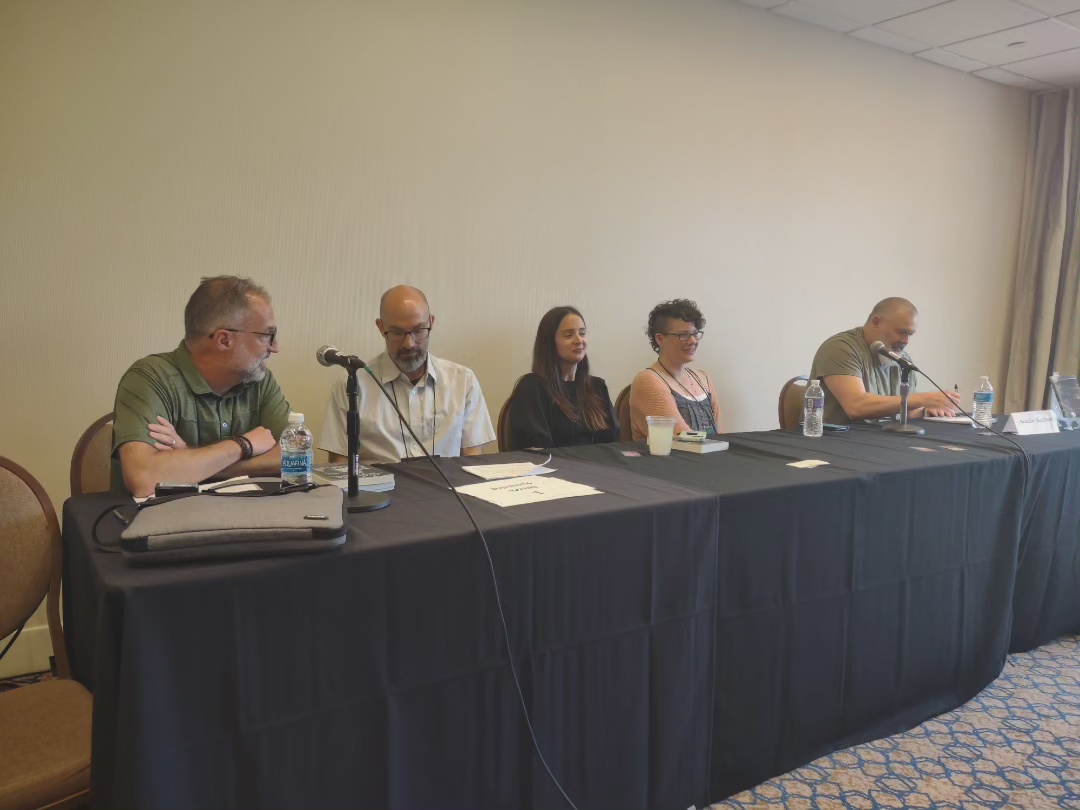
All the awesome panels! I think there were over 60 panels and classes to take, and I attended as many as I could. All were a lot of fun and quite educational. I didn’t sit on any panels, but I did enjoy watching them. Some, like the Evolution of the Zombie panel, were more like a conversation between the panelists and the audience. Probably helped that I walked in pretending to be a zombie in need of caffeine and snacks.
The panel for portraying drug use and drug addiction. Started out funny, but quickly got serious.
Others, like the Bisexuality in Horror and the Mental Health in Horror, hit me in a personal space (for those unaware, I’m bisexual, and I am on the autism spectrum. I also have ADHD and an anxiety disorder, among other things). It was interesting to hear what others had seen about my communities in horror and how we can portray them better in our stories.
Others, like Writing Nonfiction and Pitching Your Novel, I went to see what tips I could glean from my more experienced colleagues. I got some great info from the former that are already producing results, and the latter will come in handy in a couple of years once I finish Crawler.
Every panel was definitely worth it!
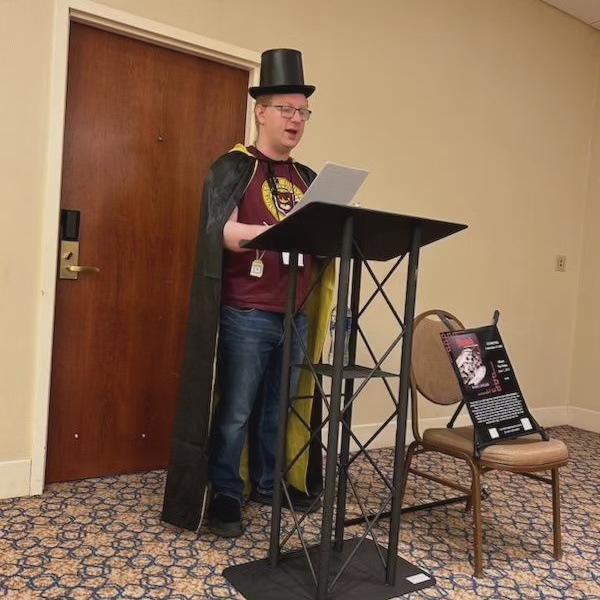
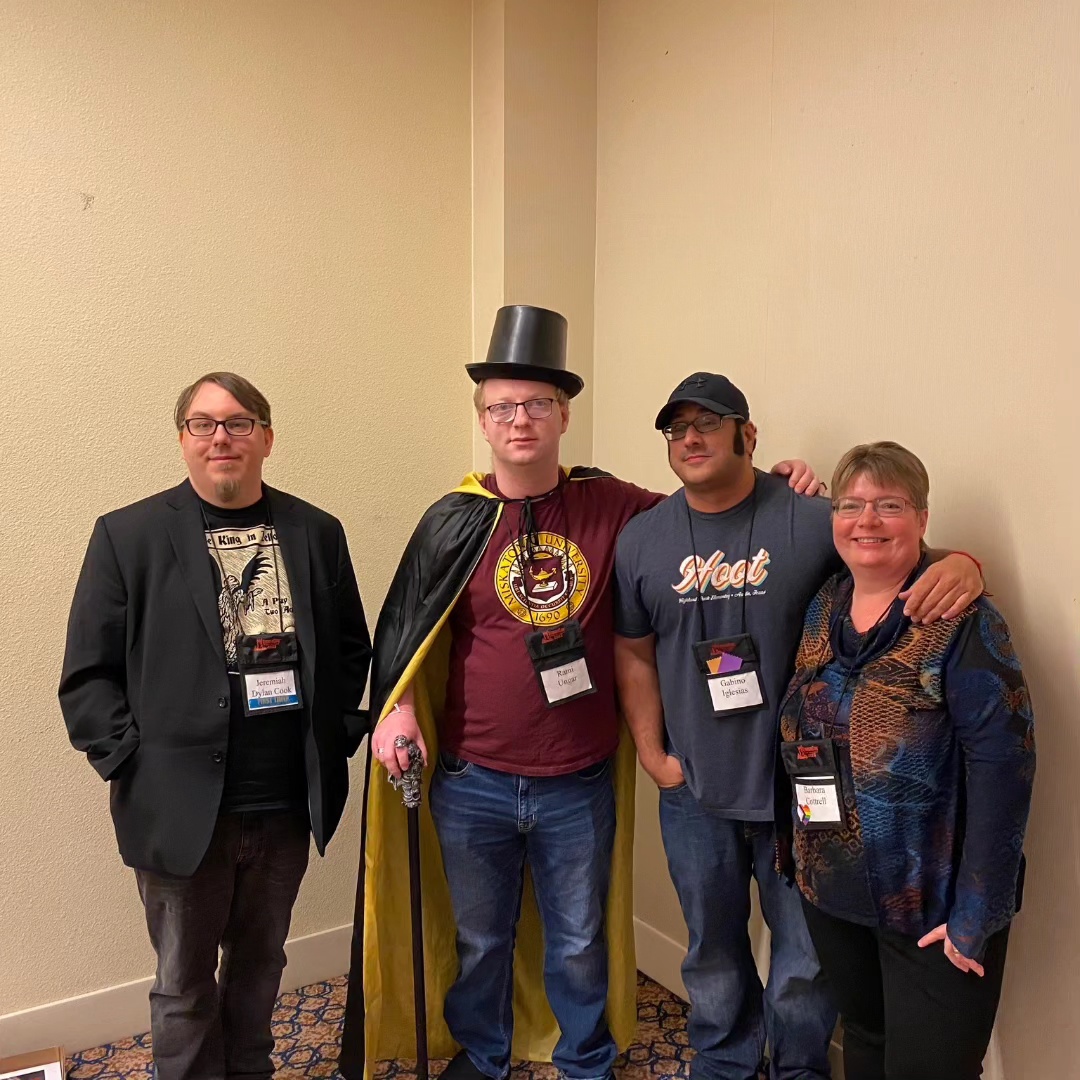
Author readings! While I was there, authors gave and attended readings for upcoming and recently released works. I did a reading with Barbara Cottrell, Jeremiah Dylan Cook, and Gabino Iglesias on Friday. We each took turns, with me going third. Of course, I read from Hannah, specifically the story “What Errour Awoke.” I think people enjoyed it.
Me during my reading. And yes, I wear that hat and cloak during plenty of events.
From left to right: Jeremiah Dylan Cook, myself, Gabino Iglesias, and Barb Cottrell.
Of course, the best reading was from Clay McLeod Chapman. And it wasn’t even a reading, but a one-man show! He’d basically memorized a monologue where a seventh grade boy recounted learning sex ed and how the diagrams of the reproductive systems resembled Lovecraftian entities (and they kind of do, from a certain point of view). He flailed and gesticulated around the room while speaking loudly. It was the most hysterical histrionics I’ve ever seen! I wish I’d seen it on camera.
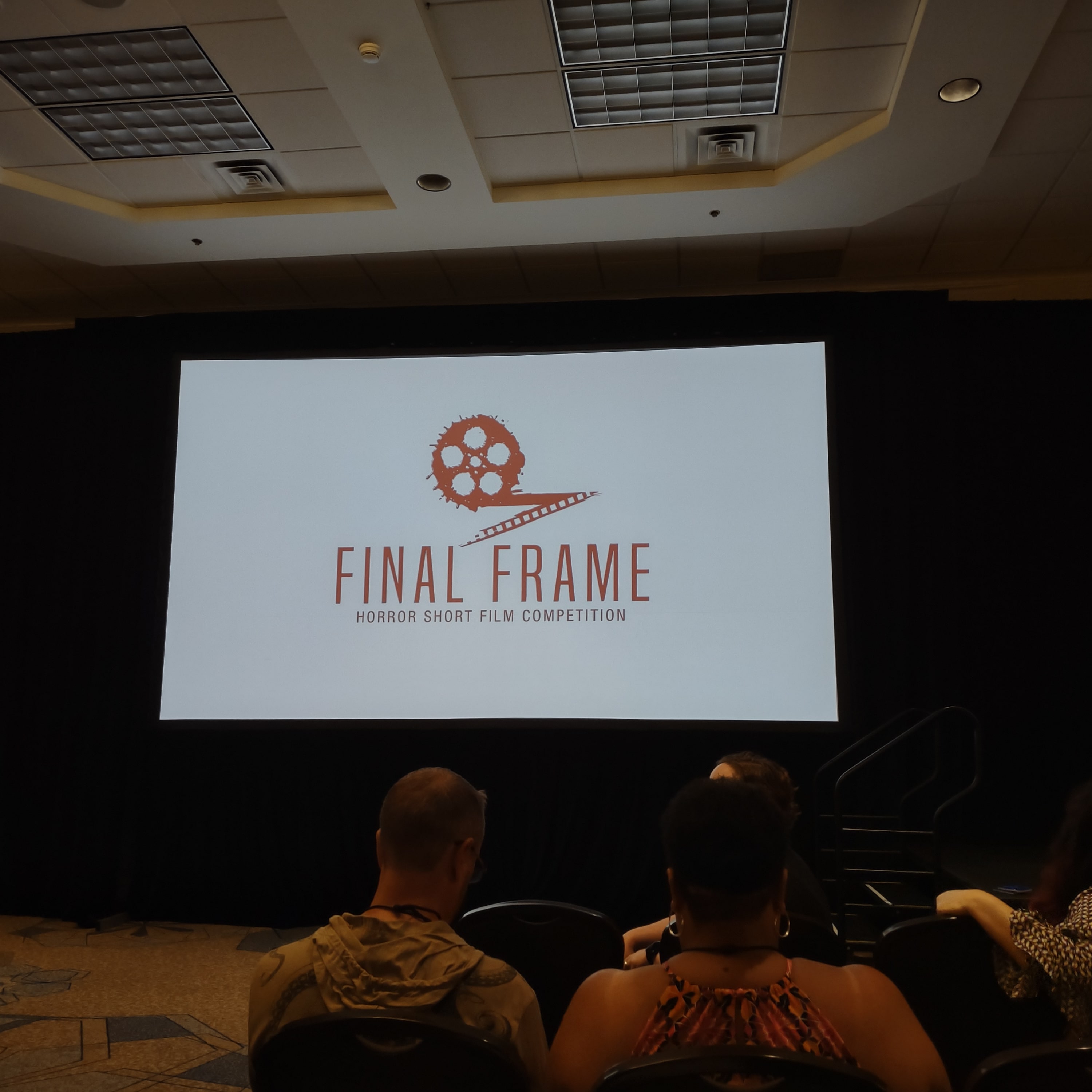
The Final Frame competition was intense!
Final Frame film competition. On Friday night, we gathered in one of the ballrooms for a competition of 13 short horror films from around the world. These films ranged from the comedic to the terrifying, and most were quite good. The clear winner was “The Queue,” about a content moderator for a video-sharing platform who finds the videos are way more than meets the eye. God, that film was so terrifying, my brain tried to repress it minutes after I’d seen it! If you get the chance, definitely go out and see it.
Honorable mentions go to “Shut,” “Eric,” “Drop Dead,” and “We Forgot About the Zombies.”
The Awards Banquet. Saturday night was when the Bram Stoker awards were awarded, and it was lovely. After a tasty dinner, awards were given out in Superior Achievement for a variety of categories (and I love that it’s “Superior Achievement,” not “Best”). There were a lot of laughs from our speakers and presenters, and some beautiful moments. Cynthia Pelayo became the first Puerto Rican horror author to win Superior Achievement in a Poetry Collection, and to win a Bram Stoker, overall. And Gabino Iglesias became the second not too long after, while also winning Superior Achievement in a Novel, the first Puerto Rican to do so.
And a lot of people won Stokers for the first time, leading to tears. I got to hug a lot of people who won their first Stokers after years of trying, and I was happy to be there for those moments. It was beautiful, and I’m so happy for them.
People showing interest in my work! Throughout the convention, people were showing interest and even preordering copies of Hannah and Other Stories (which you can do here). And during a mass author signing (think a book fair within a very small hotel room where you can either buy books or bring your own to get signed), I sold plenty of copies. It put a hop in my step to have so many people wanting to read and support my work.
Being with my people! It’s great being connected to so many horror writers online, and even meeting a few over Zoom or even in person from time to time. But it was nothing compared to meeting so many likeminded individuals in person, and being able to discuss horror subjects so openly. Hell, I had two different conversations on cannibalism in one evening!
Being part of this community, being able to meet and talk with people I’d only interacted with online, and making new friends, is truly special.
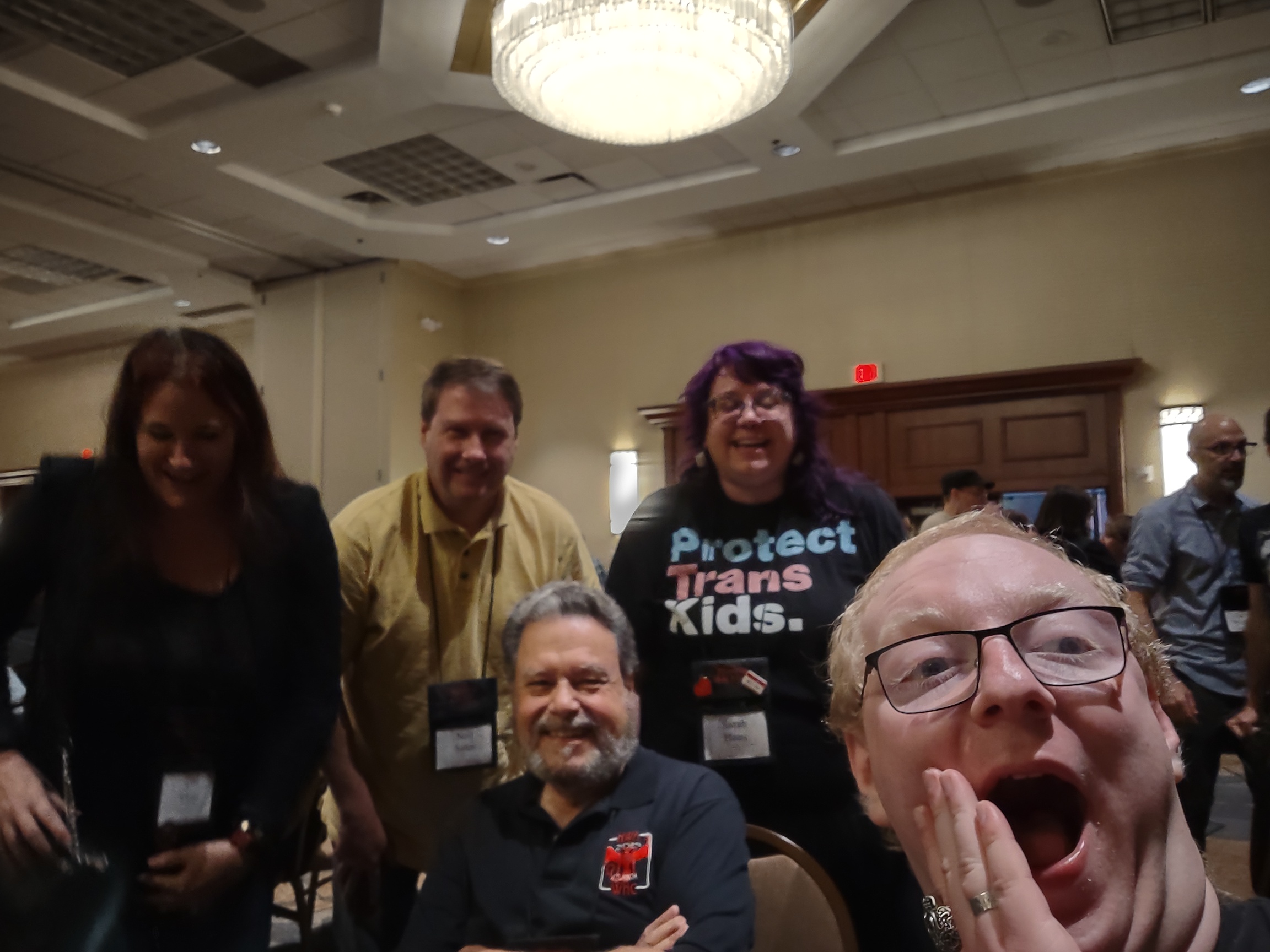
Me and my fellow HWA Ohio members: DM Guay, Neil Sater, Sarah Hans, and John Kachuba.
Me with Gabino Iglesias, first Puerto Rican author to win the Bram Stoker award in Superior Achievement in a Novel.
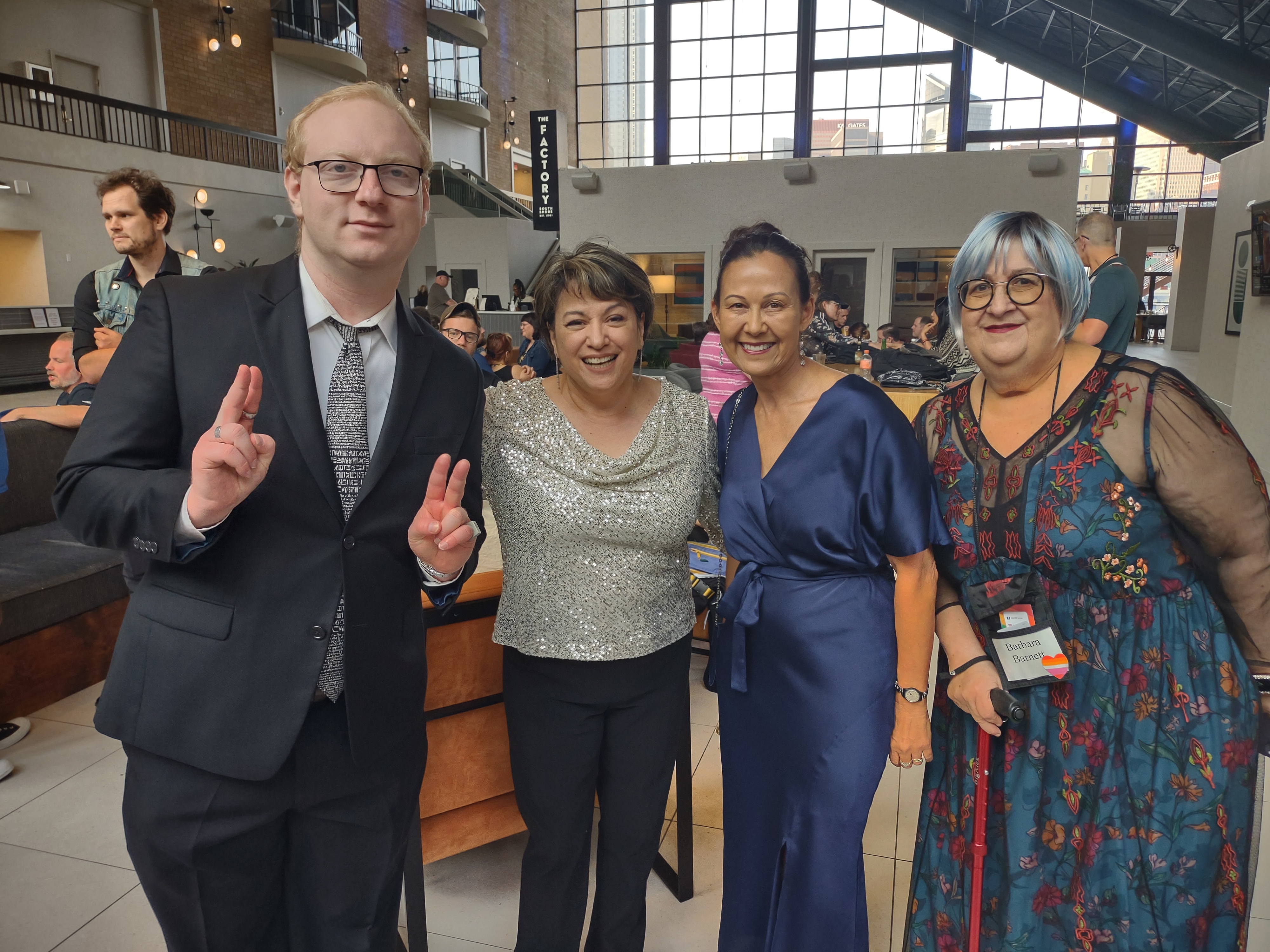
Me with Alma Katsu, Lee Murray, and Barbara Barnett, three amazing ladies of horror. Alma and Lee won Stokers later that evening.
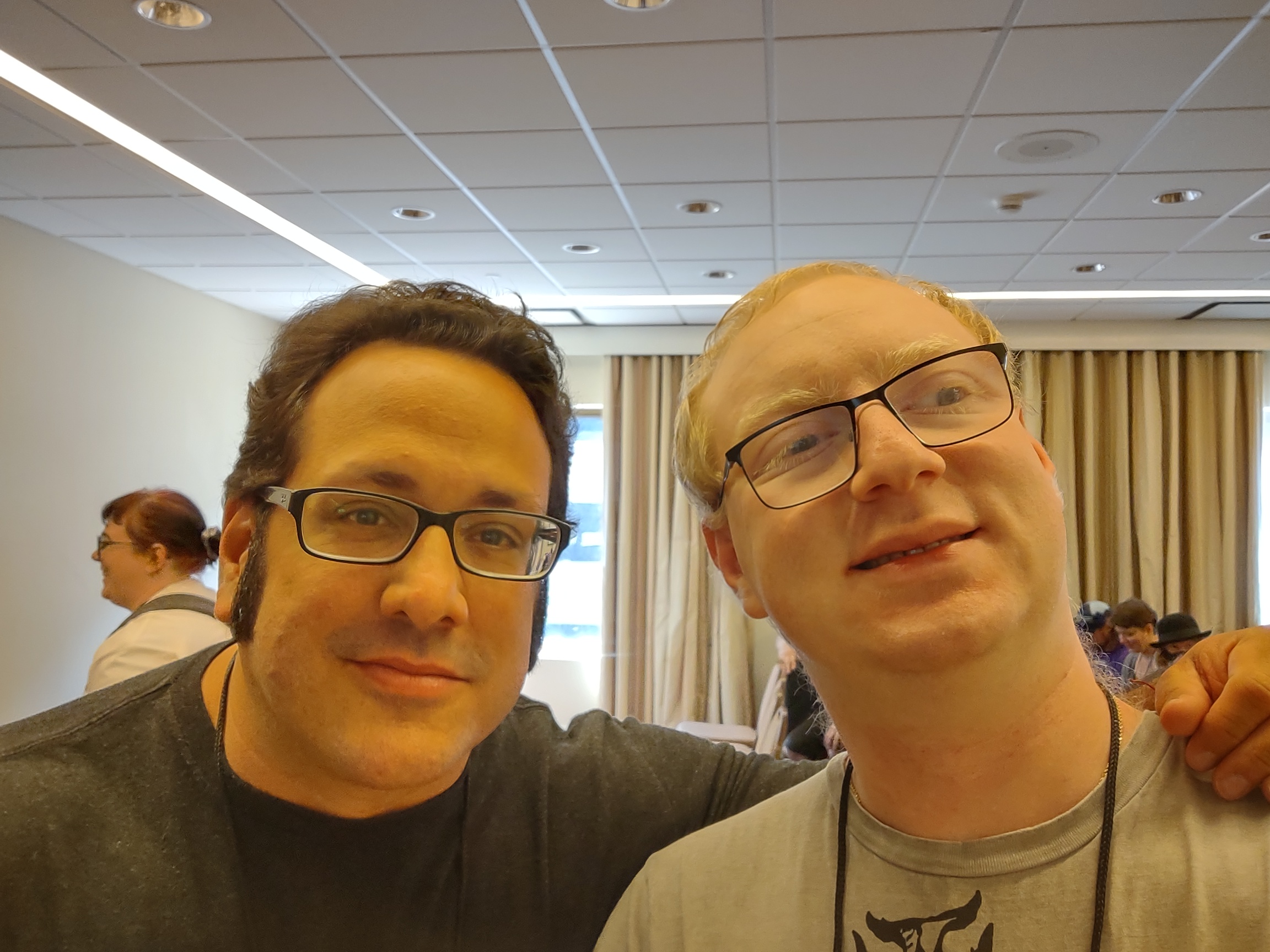
Me with John Langan and Phillip Fracassi. The former and I had plenty of laughs sitting next to each other at the banquet.
Me with Patrick Frievald.
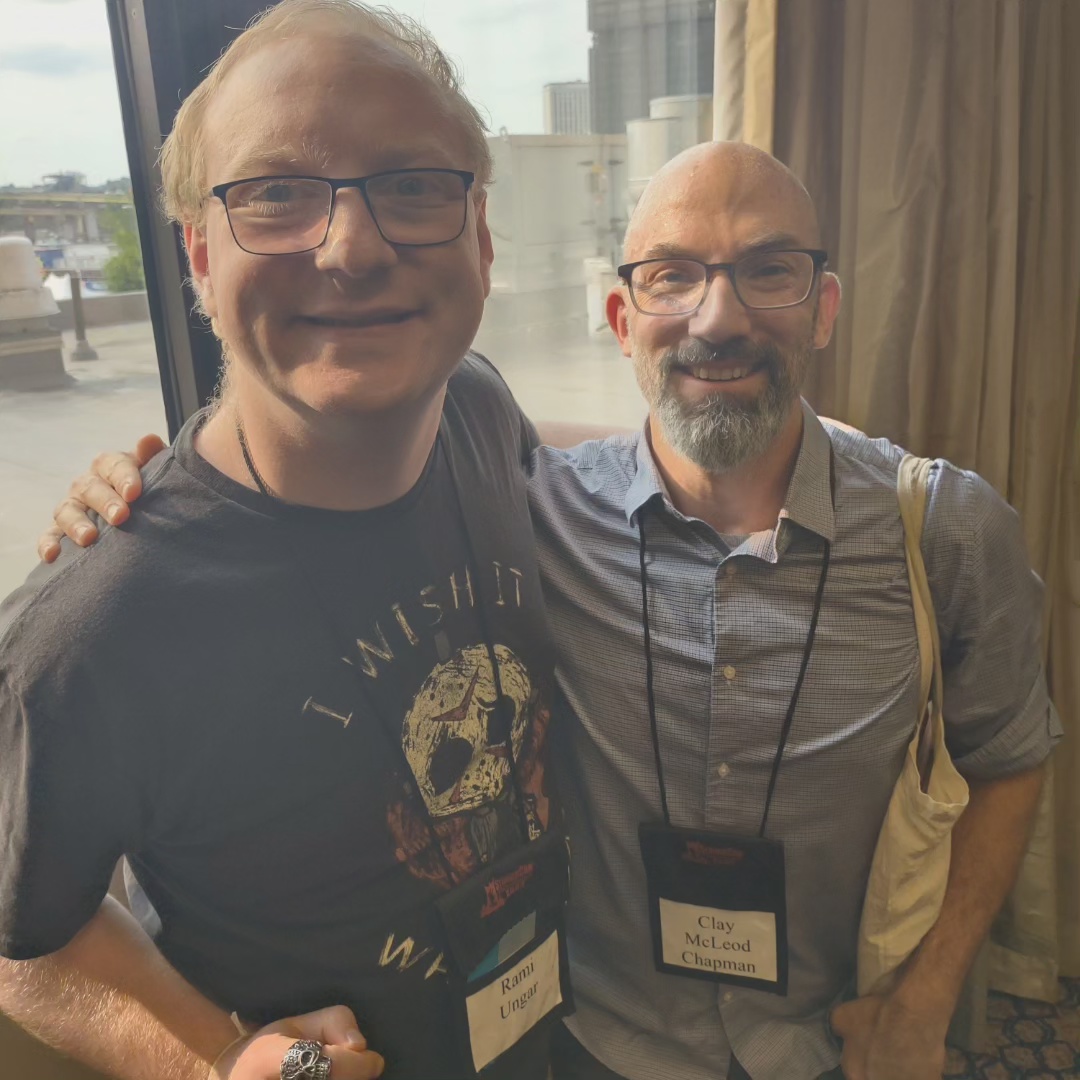
Me with Clay McLeod Chapman.
Me with Brian Keene.
So yeah, Stoker Con was absolutely amazing, and I was so happy to be able to go. And while I probably won’t be able to go next year (San Diego is a little too expensive for me), I would definitely like to go. Maybe next time, I’ll be able to sit on a panel. Maybe I’ll even be nominated for a Stoker award. That would be nice.
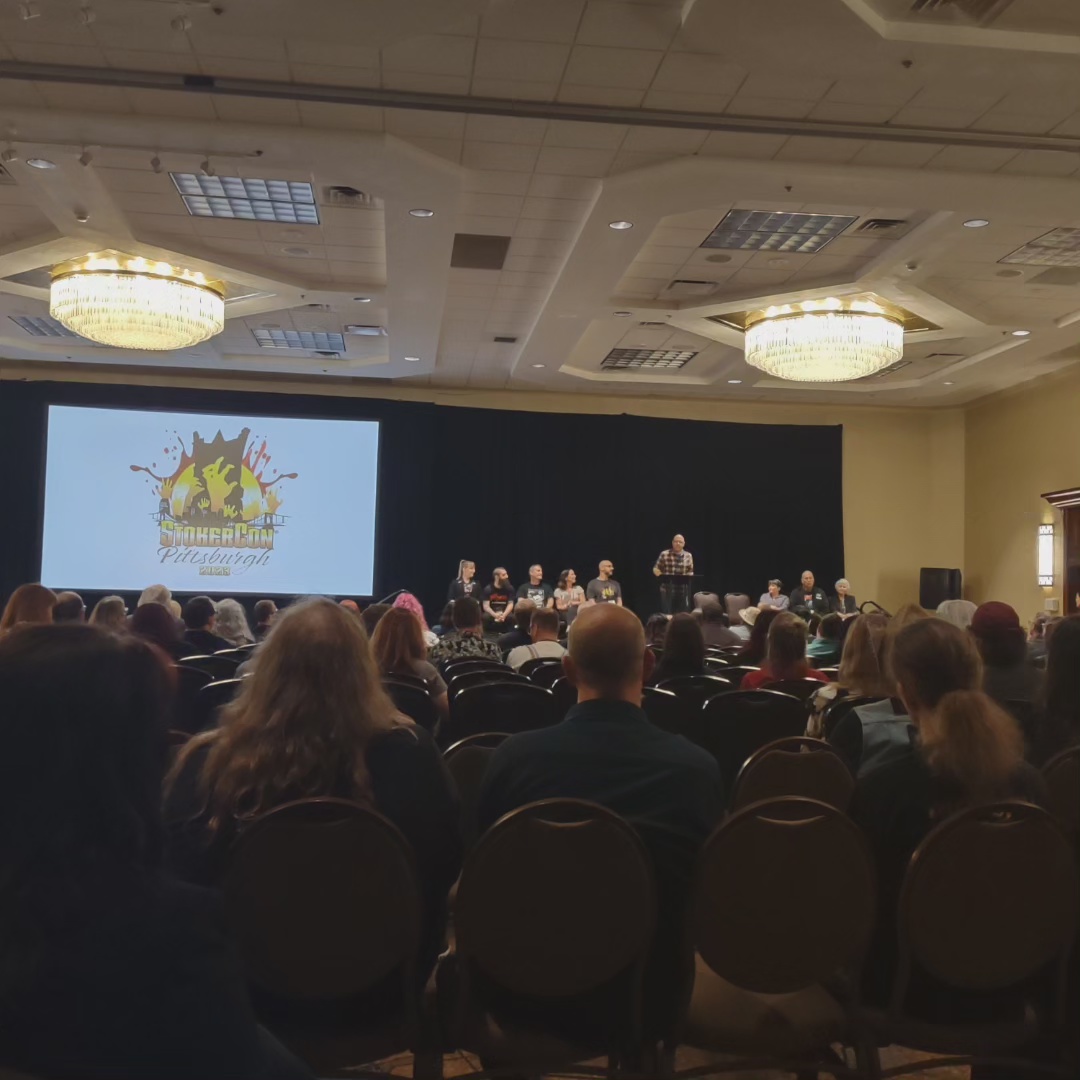
Opening ceremonies. It was great.
And if you get the chance, I would highly recommend going to Stoker Con. It’s a fun time and you can learn a lot. I’m already so inspired and can’t wait to start writing this week. Imagine what it’ll do for you.
Well, that’s all for now, my Followers of Fear. I got a lot of work to do before the day is over. But don’t worry: I’ll be back real soon. There’s still plenty to talk about.
Until next time, my Followers of Fear, good night and pleasant nightmares!
It’s that time again. I have a bunch of events coming up, including a few new ones, so I’m listing them here and now.
First, I’ll be doing a reading at Stokercon this Friday! The reading will occur at 11:00 AM in the Brighton I Room in the hotel. I’ll be joined by Barbara Cottrell, Jeremiah Cook, and Gabino Iglesias, whom you may know from his Stoker-nominated novel The Devil Takes You Home, and we’ll each take turns reading from our work. My reading will be from one of the stories in Hannah and Other Stories, “What Errour Awoke.” Expect it to get very weird!
In addition, later that day at 5 PM, there will be a mass author signing that I’ll be participating in. This is exactly what it sounds like: lot of authors, lot of books to buy and get signed. Or you can bring your own and get them signed. Either way, show up in the Admiral Room this Friday at 5 and get ready to pick up some awesome books! Check the Stokercon website for more details.
Moving onto next month, HWA Ohio will be participating in the Columbus Book Festival on July 15th and 16th! It’ll be held at the Columbus Metropolitan Library’s main branch in downtown Columbus, and will have authors and organizations from around Columbus and Ohio. We’ll be selling books and meeting readers and having speeches and all sorts of other activities for readers of all ages. Be sure to stop by! You can check the website for more details.
Not too long afterwards, I’ll be at Gem City Comic-Con in Dayton, Ohio on July 22nd and 23rd. This will be a fun event for pop culture lovers of all ages, and feature comic book artists, authors, and so much more. If you can, stop by the Dayton Convention Center on those dates and say hi! I would love to see you. You can find out more on the website.
And then finally, HWA Ohio will be back for Mystics & Marvels on September 9th and 10th, 2023! We had such an amazing time last year and our members did so well, so we’re back again. Stop by the Franklin County Fairgrounds that weekend if you can and say hi. We would love to see you. And, as always, you can find out more on the website here.
And there will likely be more events in the future. I’ve already expressed an interest in returning to some and making my debut at others. Hopefully vendor applications will release soon and I can take part. I’ll be sure to let you all know as those pop up.
In the meantime, if any of you are unable to pop by these events but still want to support me, you can pick up copies of any of my books using the links below. And if you enjoy them, please leave a review online for me so I know what you think.
Anyway, that’s all for now. Until next time, my Followers of Fear, good night and pleasant nightmares. Even if it is morning when this post is going out.