Posts Tagged ‘reflections’

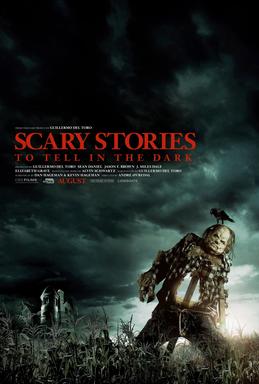
I don’t remember much of the Scary Stories series from my childhood days, but what I do remember terrified me shitless (thank you, Mrs. Paulowicz, for scaring your entire third grade class with the story of the grave digger who stole silver coins from over the eyes of a dead woman). So when it came out that a movie based on the stories was in the works, people were excited, skeptical, curious, and terrified (of their beloved childhood memories being tarnished). And then we saw those initial trailers on Super Bowl weekend. And we were like, “Ooh, this should be good.”

Scary Stories to Tell in the Dark takes place in a small Pennsylvania town in the fall of 1968. Several teens, led by aspiring writer Stella Nichols, go to visit the old Bellows mansion, an abandoned house supposedly haunted by the spirit of a murderess who was kept hidden in a basement from the world, poisoned kids who came to hear her scary stories through the wall, and hung herself. They end up finding the book of Sarah Bellows, which is still being written, with the teenagers as the main characters. Now they have to find a way to stop Sarah before the antagonists of the stories take them and kill them all.

I’ll admit, the story has a predictable structure, and the third act could have been a lot scarier and less reliant on CGI monsters. Still, Scary Stories is a decent horror film. Much better than some other films I’ve seen lately (looking at you, Midsommar!).

For those wondering, this film does contain a lot of favorite monsters and references to other stories. Jangly Man, the Pale Lady, the girl who had spiders birthed from her cheek. They even make several references to The Hearse Song, which many people were first exposed to through the book series (and which is one of the inspirations for my short story Pinochle on Your Snout).

The best part of this movie is its scares and atmosphere. While there are jump scares, they’re not overused and for the most part are pretty effective. The filmmakers used a combination of settings, such as the house, a cornfield, or a hospital wing,* along with lighting (or lack of it) and practical/make-up effects to create a claustrophobic and suspenseful atmosphere that will make you curl in on yourself in terror. I swear, the scene in the cornfield with the scarecrow had me genuinely freaked out. Especially when it moved!

The actors also do a good job with these characters. I really empathized with Stella, played by Zoe Colletti, who loves horror and writes, but at times has trouble interacting with others and has to deal with bullies (girl, I’ve been there). And Ramon Morales, played by Michael Garza, came off as truly kind and sympathetic.

Also of note is the theme of persecution in the film. There’s a reason that this film takes place in 1968, when the first book was released in 1981. Sarah Bellows, whom we only really see at the end, is revealed to be born with a disability, and is treated horribly by her family for it. Several of the main characters have dealt with bullying for being different, and Ramon is persecuted mainly because he’s Hispanic. The Vietnam War and the 1968 election also comes up quite a bit in the story. All this comes together to give this film a rather poignant undertone that one could find ways to apply to our current political climate (just saying), and that never hits you over the head to get the message across.

But as I said, the story is kind of predictable and the third act has some issues. Specifically, there’s too much attention paid to making Sarah Bellows a sympathetic villain, along with wrapping things up with a nice bow, that the fear kind of dissipates by the end of the climax. Doesn’t help that they chose a monster requiring lots of CGI to bring to life in that act.

But all in all, Scary Stories to Tell in the Dark will delight fans of the series and should satisfy regular horror fans. On a scale of 1 to 5, I give Scary Stories a 4.2. Atmospheric and creepy, you’ll be drawn in and learn to be afraid of the power of stories. Go and check it out.

*By the way, one of the locations in the film is the Pennhurst State School, one of the haunted locations I want to visit! Not the real one, but a great recreation. Way to tie in a real haunted location with a sordid past into a horror film, filmmakers. I’m impressed.
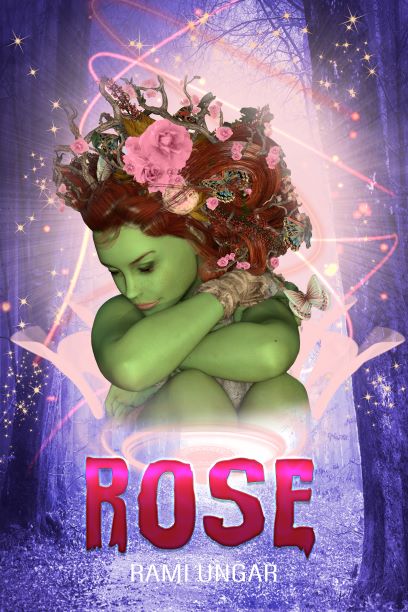
Quite recently, Rose received its sixteenth review on Amazon’s US site. This is a big deal for me, because the only other book I’ve published with that many reviews is the first book I ever published, The Quiet Game: Five Tales to Chill Your Bones. Guess how long it took for that one to get that many reviews?

Six years.

Why did it take so long for The Quiet Game to get that many reviews, when Rose was able to do it in less than two months? There are a number of factors at play, in my opinion. My writing has vastly improved since 2013, and my audience across different platforms has grown as well. But the big difference, if I’m being honest, is my marketing plan. Unlike my previous works, I had an actual marketing plan in place when I published Rose. And it seems to have worked pretty well so far.

Given that, I thought I’d share what I’ve learned from having an actual plan in place. And given all the lessons to impart, it’ll probably take a few posts (hence the “Part 1” in the post’s title). Hell, sponsoring a YouTube video will probably take up its own post. But if it helps a promising author with a new book coming out from making the same mistakes as I did, then it’ll be worth it.

So without further ado, let’s go over some essentials for having a marketing plan.

Rose wouldn’t be doing as well as it is without a marketing plan.

First, don’t expect your book to just take off without putting in any work. I know it’s tempting, after all the writing and editing and either finding a publisher to work with or putting in the time, effort and even cash to self-publish, to just sit back and hope that word of mouth will be enough. You may do a couple of blog posts, some boosted Facebook ads, and a friend’s podcast, but in your mind, the reviews and good word of your friends, family and some blog followers will be enough. Eventually, more and more people will discover your story and things will snowball from there and your book is doing a steady business with a few new reviews every month and you suddenly have a little extra spending money.

In my experience, that doesn’t work. I used that approach for the first four of my books, and three of those still have less than ten reviews on Amazon. Books rarely, if ever, snowball like we dream. These days, you need a detailed plan to get people interested in your book, and that requires work. It requires research, identifying places to send your book for reviews or promotion, talking to people and places (e.g. bookstores) that might be interested in what you’re published, maybe even making new business cards or bookmarks. Anything that can get your book noticed and get readers interested.

In other words, expect the work to keep on going long after your book is released to the public. If you want the public to give a damn about your book, that is.

Second, know your niche. Companies like Coca-Cola, no matter how they market, can afford to market it to thousands of random people. They’re Coca-Cola, they can afford it. You, however, can’t afford it. After all, your book is a particular type of story. So what do you do? You figure what audience you’re aiming to get reading your books, and you try to stick to that. Know what language in an ad or in a description would entice for them. What kind of mood are you trying to convey? Are they more likely to be pulled in by mentions of the grotesque and macabre, or by descriptions of beautiful men and women and scenic locales?

This seems like common sense, but you’d be surprised how easy it is to forget. More than once I’ve tried to interest people in my stories who are more fans of Parks & Rec or Ten Things I Hate About You than serial killers or the demonic. Sure, occasionally you find people who step out of their comfort zones and will read your story, but they’re a minority.

So, identify your niche and what’s likely to get them interested. You’ll save yourself a lot of trouble (and a few business cards) if you do.

And third, talk to your network. I’m not saying ask every Facebook friend to read your book. That doesn’t work, believe me. But most likely you know other authors whom you can ask for tips. They probably know quite a bit about finding your audience and getting them interested, or where to send your book for a possible review, or a hundred other ways to market your story.

And even if you don’t know other authors, there’s likely someone in your circle who knows a bit about business or marketing. After Rose was accepted for publication, I actually called up and met with a friend who’s been involved with a number of successful start-ups. He gave me some solid advice for reaching readers which I tried to keep in mind when I started the marketing machine for Rose.

No matter who you work with though, make sure to take down notes so you can refer back to them later. After all, it may take a long time between when you ask and when the book gets out there. Believe me, I know (fifteen months between acceptance and release).

Write advice down, or there’s a chance what you’ll learn will be forgotten later on.

So now this post is getting a bit long, I think I’ll cut it off here. Suffice to say, before you even start the marketing, there’s a lot of things to keep in mind and to work on. However, they’re part of a successful start to getting your book noticed by more people than your mother and a few friends. And once you have those down, you’ll have the start to your marketing plan.

That’s all for Part 1 of this series. Next time I’ll talk about more concrete tactics. In the meantime, you have until October 16th to submit questions to ramiungar@ramiungarthewriter.com for an AMA in honor of this blog’s eighth anniversary. Ask me (almost) anything about writing, horror, Rose, or myself and if I get enough responses, I’ll be happy to answer them in a special blog post.

And if any of this gets you interested in reading Rose, I’ll include the links below. And if you do read the book, let me know what you think. Positive or negative, I love reviews and it helps me in the long run.

Until next time, Followers of Fear, pleasant nightmares!

Rose: Amazon US, Amazon UK, Amazon Canada

I saw this novel featured on Red Lace Reviews and got interested, so I asked my library to order a copy. Lo and behold, they ordered one, and I got through it in about two weeks (it would’ve been sooner, but I had to skip some lunch breaks due to workload or illness). And as often happens when I get my hands on new horror, I have to review it.

Kinfolk follows Ray and Eric, two brothers who have been brought together after years of separation to wrap up some unfinished business. However, while traveling through the backwoods of Texas, they get lost and stranded, and find themselves at the mercy of a twisted, cannibalistic clan who have way more firepower than they do, as well as enough bloodlust to match. In a moment, the brothers’ thoughts of revenge are pushed out by a much greater need to simply survive.

So if “backwoods of Texas” brought to mind images of Texas Chainsaw Massacre, don’t worry, because that’s been a lot of people’s impressions. In fact, it wouldn’t be too far off to call this book an updated TCM without the chainsaws. And given my own dislike of the original TCM (bite me, Tobe Hooper fans, that movie’s shock value has waned after forty-five freaking years!), I’m happy to say that I enjoyed Kinfolk a lot more.

Kinfolk does a very good job of freshening up the “rural, cannibalistic, in-bred family” trope. Rather than portray all of the members of the clan as outright crazy and obviously dangerous, a lot of them on first glance seem normal, which plays into a sense of false safety before we’re given a rude awakening. And the concise language helps evoke the story in your head so you can plainly see (and occasionally feel) the Texas setting, with all its hidden dangers.

The main characters are also fun. Ray and Eric are by no means saints. They won’t win any awards for intelligence, and they don’t come off as even the romantic sort of criminals one might find in a novel like this, but there’s something about them that makes you want to root for them and hope they survive whatever’s about to befall them. Maybe it’s because they’re underdogs, just trying to get by and find some peace in a world that doesn’t always allow for peace or sense for any length of time.

If I had any problems with the novel, I’d say that it did play into a few tropes a bit too much, and that made it at times a little predictable. Especially when you’re like me, and you’re used to trying to guess how things will play out from the writer’s POV.

However, Kinfolk was, on the whole, an enjoyable read that I had trouble putting down. On a scale of 1 to 5, I’ll give the novel a 4. If you want a fast-paced horror story that manages to put a fresh coat of paint on a certain horror story, then fill up the tank and drive right in. You won’t be disappointed.

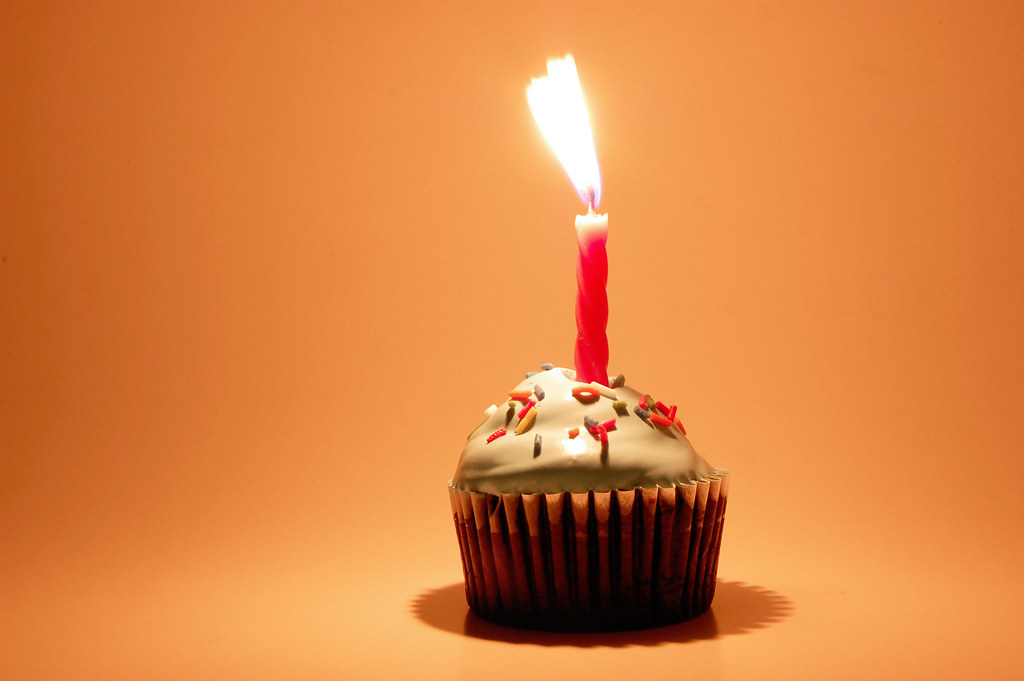
Happy Birthday to the blog.

Happy Birthday to Rami Ungar the Writer.
Happy Birthday to the blog.

So as you can probably tell by now, today’s a special day. About eight years ago, in a library near my mother’s house, an eighteen-year-old me eager to build an audience before his first book came out created a WordPress blog on a public computer. Since then, a lot has happened. Hell, in the past year alone, a lot has happened. I got my first car; Rose went through several more drafts; I wrote a bunch of new stories, some of which may see the light of day; Rose got a release date; I went on my first vacation where I drove everywhere and had more independence and freedom to explore than ever before; I did an overnight ghost hunt at the Ohio State Reformatory; Rose got published, and started getting reviews; and so much more. It’s been an interesting time.

Oh, and stuff happened at the office that were cool, but at times also stressful. I won’t go into that stuff.

I’m grateful for this blog. So many people have followed this blog. Many have become regular readers of my work, including my published work, and have even become good friends. I’ve learned from other writers and bloggers, and their stories have inspired me as well. Plus, it’s nice to get my thoughts out to such a great audience sometimes. A lot of you have told me over the years that my reviews have been helpful or spot-on and you trust my opinion. And on the occasion where I need to write an essay on storytelling or the rare rant about problems in the world, you all listen respectfully, and even help add to the conversation.

And when I’ve suffered from anxiety, or when I expressed my fears regarding the rise in anti-Semitic incidents in the US and abroad, you’ve all been there to comfort me. I can’t thank you enough for that. It’s a great kindness, what you’ve done for me.

So what’s up for me and for this blog in the next year? I honestly don’t know. I think the blog will continue to grow and find people who want to have conversations with me about horror and writing. I can promise that since I’m doing NaNoWriMo this year, I’ll be posting about that pretty regularly once we get to November. And I’ll of course let you know what I think about the latest horror releases or if I have any thoughts or good news worth sharing.

As for me, I would like to continue writing and finishing stories. I might even figure out how to finish them in a timely manner without getting distracted or bored. And of course I would like to publish more stories. Hopefully, with Rose out and a couple of short stories coming out soon, that will happen. I want to have more amazing ideas for stories, and I want to see and read amazing stories by other creators. And I’d like to have some amazing experiences in the future, like traveling to a place I’ve never been, or meeting/impressing someone whom I’ve admired for a long time, or doing more ghost hunts.

I don’t know how much of that will happen, but I’ll try to make it happen.

In the meantime, in honor of the eighth anniversary of Rami Ungar the Writer, I thought it would be nice to have a Q&A. From today, August 2nd to Friday, August 16th, you can send any questions you have for me to ramiungar@ramiungarthewriter.com. Depending on how many questions I get, I’ll post them and the answers. Of course, any questions I deem out of bounds won’t be answered, so no asking me what my address is or for dirty stuff. But other stuff–daily life, writing, Rose, horror, etc–are free for the picking.

Anyway, that’s all for now, my Followers of Fear. I look forward to receiving your questions in the near future, and hopefully having enough to post an answer. I’ll write again soon.

Until next time, pleasant nightmares!

I listened to the audio book of NOS4A2 by Joe Hill (aka Stephen King’s son Joe King) about a year or two ago. I liked it: it had several scary moments, awesome characters, and trippy psychic phenomena his dear dad probably approved wholeheartedly (the only real downside was the narrator. Just totally wrong for that book). When I heard a TV adaptation was in the works, I got interested, especially since the book doesn’t exactly lend itself to adaptation. But adapted it was. And whoo-boy, what an adaptation.

NOS4A2 follows Vic McQueen, a teenager whose motorbike allows her to access the Shorter Way Bridge, a supernatural wormhole that helps her find lost things. She later finds out that there’s another like her out there: Charlie Manx, a man who kidnaps children in his Rolls Royce Wraith (the license plate of which is where the title of the show comes from), transforms them into vampiric monsters, and takes them to a place in an alternate dimension called Christmasland, where it’s Christmas Eve every night and Christmas Day every day. In exchange, he gets to stay young. And whether by choice or by fate, Vic must face Manx and stop him, or he’ll keep taking kids forever.

Let me just say, the cast of this show is the best part. Every actor fully becomes their characters, so that it becomes hard to remember anything else you’ve seen them in. The best, of course, are Ashleigh Cummings as the protagonist Vic McQueen and Zachary Quinto as antagonist Manx. Cummings truly makes you believe she’s a teen just trying to get out of town and out of poverty, preferably by going to art school in Providence. And oh my God, whether as his normal self or under a lot of make-up and prosthetics to look a hundred years old, Quinto is creepy as heck. He comes off as charming on the surface but underneath is a psychopath hungry for power and totally convinced of his own line of altruistic bullshit. I swear, if he goes in character at a convention, every parent who’s seen the show is going to scream and grab their child out of instinct before remembering he’s an actor in a role.

Of course, the show itself is nothing to sneeze at. There are several creepy and tense moments, and more than a few scenes where Vic is in danger that kept me on the edge of my seat. Even better, there are no episodes where things slow down and get unnecessarily boring. There was one episode where Vic had to go to a hospital where I thought it would get slow and boring, and she’d spend the whole book sorting her life out before deciding to fight Manx. Without getting into details, my expectations were subverted (and not in a bad way, like what I hear happened to the last season of Game of Thrones).

The only issues I had were that some things the writers included just didn’t feel necessary or make sense to me. In one episode, Vic’s got twelve hours to meet up with Manx, who has kidnapped a kid she knows. What does she do in the meantime? She parties at a rich friend’s house, gets drunk, and talks with a cute boy before getting sick. Whaaat?

And what was with the halfhearted love-triangle? They just kind of didn’t go anywhere with that, so why would they include it?

But on the whole, NOS4A2‘s first season is a strong start for the series, and I can’t wait for the second season. On a scale of 1 to 5, I’m giving this season a 4.4. An amazing cast and great storytelling mixed with taut atmosphere and mystery. Grab your reality-cutting knife, get some hot chocolate and candy canes, and dive into the Highway of the Mind. You won’t be disappointed.

And until next time, my Followers of Fear, pleasant nightmares.

I have been unusually quiet on the blog lately (at least by my standards). I bet you thought I was busy writing that whole time. I’m sorry to disappoint, but I actually had a writing-sparse week. Work got crazy on some days, and on other days my attention was taken up by other things, which left no time for writing. I hope I can rectify that this weekend, but we’ll just have to see how things shake out.

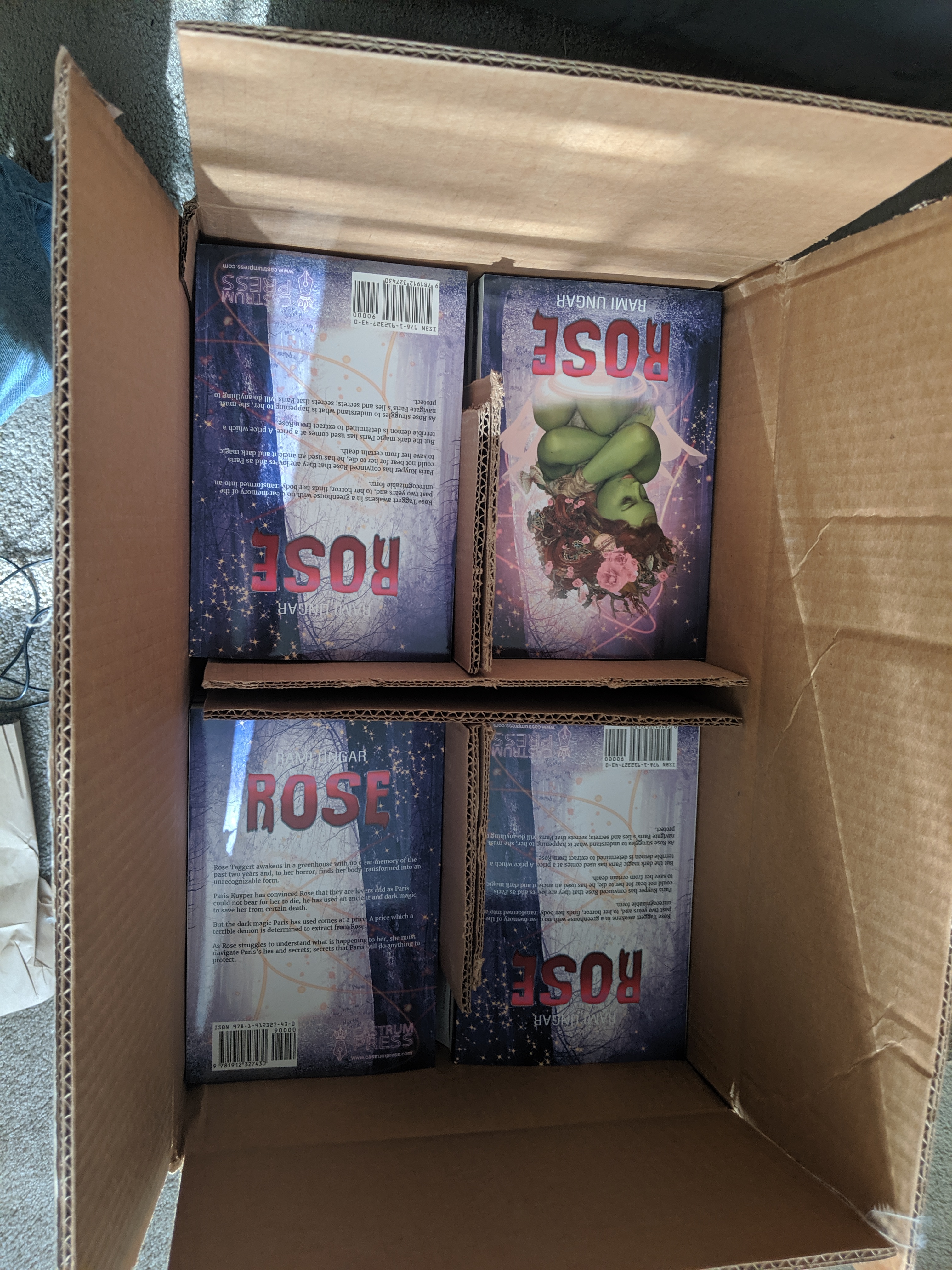
In the meantime, let’s talk about why you clicked on this post: today, the author copies of Rose I ordered arrived. Yeah, about forty copies of the book, all in one giant box that my rental managers warned me might be too heavy to carry and that I might need a shopping cart to get it to my building. Turns out, it was just heavy enough to give my arms a workout while carrying it, so I wasn’t in too much pain.

I also kind of got a little caught up in the moment, and filmed/posted an unboxing video. For those unaware, an unboxing video is when someone opens up a box and marvels at the content, all while capturing it on video. As ridiculous as that sounds, it’s actually a pretty big thing on YouTube, and advertisers love it. And I was so excited, I just filmed myself opening up the box and uploaded the footage to my own YouTube channel. You can watch it below, if you’re interested.

Yeah, not the best unboxing video on the Internet, but did you expect any different from me? Especially since I wasn’t ghost-hunting while I filmed it or anything like that.

Anyway, I’m very happy these finally came in for me. I have a couple of author events that I’m either already set to attend or working on setting up so I can attend, and I’m hoping by bringing these books along, I can find them some new readers to go home with. This is something I’ve dreamed of doing as a writer, so I’m very excited. Meeting readers in a public setting, signing books, and thanking them for reading my books. It’s the reason we write them in the first place, isn’t it?

Well, that’s all for now. It’s getting late, and I want to sleep like the dead (corpse flies and all). So I’ll just sign off by saying that I hope you get a chance to read Rose in the near future. It’s the story of a young woman who starts turning into a plant creature (and that’s just the start of her problems). It’s a fantasy-horror novel I’ve been working on for almost five years, and now that’s it out, I’m glad to see people are enjoying it.

I’ll include links below for anyone who wants to check it out. And if you do end up getting a copy, I hope you’ll leave me a review letting me know what you think. Positive or negative, I love feedback, and it helps me out in the long run.

Until next time, my Followers of Fear, pleasant nightmares!

Rose: Amazon US, Amazon Canada, Amazon UK

It’s Sunday, July 21st, 2019. Exactly a month since Rose was released to the world. And wow, what a month it has been!

So for those of you who don’t know (and for those who do, feel free to skip ahead), Rose is my fantasy-horror novel, and my first with a publisher. The novel’s description goes like this:

Rose Taggert awakens in a greenhouse with no clear memory of the past two years and, to her horror, finds her body transformed into an unrecognizable form.

Paris Kuyper has convinced Rose that they are lovers and as Paris could not bear for her to die, he has used an ancient and dark magic to save her from certain death.

But the dark magic Paris has used comes at a price. A price which a terrible demon is determined to extract from Rose.

As Rose struggles to understand what is happening to her, she must navigate Paris’s lies and secrets; secrets that Paris will do anything to protect.

I’m still in a giddy state over the novel being out. I started it as a thesis project in college, and while I always thought it had potential, there were several moments where I was sure it was a crap novel and wasn’t going to go anywhere. This was especially true when I did the first round of edits after Castrum Press accepted the novel, and I realized just how much editing and rewriting I had to do.

Thankfully, Rose seems to be doing well now that it’s out. A lot of people have called it “twisty,” “exciting” and “hard to put down.” One guy at work even said he can visualize a movie version (I wish). It makes me glad that I stuck with the book.

And that I came up with an actual marketing plan with this book before it was released. Seriously, I wish I knew how important those were before I self-published my other books. Oh well, at least I know now.

Anyway, if you want to check out Rose, I’ll include the links below. And if you do get a copy, please let me know what you think. Positive or negative, I love feedback and reviews, and they help me out in the long run.

And for those who’ve already read and even posted reviews of Rose, thank you so much. Your support is not only helping me reach more readers, but keeps me going and makes me want to write even more. With time, I hope I can follow the book up with plenty more stories for you to enjoy. But for now, thank you. You have my gratitude for helping me make this dream come true.

That’s all for now, my Followers of Fear. Until next time, pleasant nightmares!

Rose: Amazon US, Amazon UK, Amazon Canada

Writers deal with a lot of tenses, and I don’t mean the ones associated when we hunch over our computers so we can better bang out stories.* No, I mean tenses like past tense and present tense, the tenses authors use to tell a story. Like first and third person POV, the use of either can vary from story to story (future tense and second person POV are rare, for reasons I’m sure people reading this blog can understand). And although I feel like I know plenty on the subject of using tenses sometimes, occasionally I find I still have something to learn.

Earlier today, I received an email from a magazine I submitted a short story to a couple months back. They rejected it. Which, honestly, I wasn’t broken up about. I figured out there were changes to this particular story while it was in consideration at the publication, so I thought this was for the best. However, they did include some notes on what worked and didn’t work with the story. Among those was one that really struck me.

They said that narrating in past tense, while giving the narration strength, also made it clear that the story took place in the past, and therefore made the story overall weaker, as it kind of gave away the ending. Namely, that the protagonist survives.

Now sometimes in a horror story, that’s fine. Part of the thrill is seeing how things turn out when you already have some idea of the ending. Interview with the Vampire is framed just as its title suggests, a vampire getting interviewed about his life. Jack Ketchum’s The Girl Next Door is told by the narrator when he’s an adult remembering his childhood traumas (still the scariest novel I’ve ever read). And Salem’s Lot by Stephen King begins with two of the main cast in Mexico after escaping the town, then rewinds to the beginning of the events, and then afterwards shows those two characters burning the town down.

But apparently, with this story, that should not have been the case, as it took away some of the tension. And a horror story without tension is like a hamburger without a bun. It’s missing something essential.

Food metaphors aside, this shows an issue not only with the story, but a lesson I can learn from. With stories, it often seems instinctual, at least to me, about what tense to write in. Perhaps in future, I should weigh options and think about what the pros and cons of writing a story in past versus present tense. Perhaps then I’ll be able to write my stories and make them more effective in scaring the pants out of people.

And that goes especially with the story I got the rejection for today. I feel like this one could be one of my best if I can polish it a bit more and maybe get some more feedback on it. We’ll just have to wait and see what happens when I try changing the tense (and maybe the POV. I feel like that could also be an effective strategy for this story).

At least I know there’s still room for me to improve and become a better writer. I hear perfection gets boring pretty quickly.

Well, that’s all for now, my Followers of Fear. I’m off to do battle with some exorcists who believe I’m an ancient entity here to usher in the end of the world (they’re right on one count, at least), and then do some writing. Thankfully with this story I’m working on now, I’m sure I have the right tense and POV for what I’m trying to do. That should make things easier further down the line.

Until next time, pleasant nightmares!

*In all seriousness though, take care of your backs, fellow writers. That will come back to haunt you if you don’t practice better posture. Believe me, I know. Brought to you by a writer giving a shit.

As much as we make jokes about it, young adult fiction, or YA, is a massive and popular genre. Over ten-thousand YA books were released in 2012, read by both the targeted demographic, teens, and by an increasing number of adults. And among horror, there are writers who specialize in YA horror. But that leaves a question: when is a horror story a YA horror story? Does it have to star a teen or teens? Or is there something more to it?

I ask this because I have a project for National Novel Writing Month in November where nearly the whole cast are teenagers. And while I have nothing against YA or those who write/enjoy it (the amount of anime and manga I consume is primarily aimed at teens, which says something), it’s not a label I think this story should be given.

If you ask most authors and fans (and believe me, I have), YA fiction is usually defined as having teen protagonists and including themes prevalent around the teen years: first love, friendship, identity, and growing up. By that definition, many horror novels could be considered YA, even though they’ve traditionally been aimed at adults. A good example is Carrie by Stephen King. It fits both requirements–teens are prominent in the novel, and themes such as bullying and inclusion, first love, and becoming an adult are all present in the novel.

I even asked in one of my Facebook groups if other authors considered Carrie YA. I got over fifty responses in the course of a week, and it was divided almost evenly down the line. And while the opinion was split, many people admitted they or their children read it as teenagers. I myself read Carrie as a teen. So is it YA fiction then, like the Cirque du Freak books and last year’s bestseller The Sawkill Girls? And are other novels with teens in the lead role to be considered YA?

Well, here’s the thing: the above definition doesn’t include something very important that has to come into consideration. What is that? Marketing. Who is the book being marketed to? Marketing has always played a part in categorizing what is called YA and what isn’t. In fact, the demographic of YA fiction (it’s not a genre, no matter how much we think of it as one), was first defined by librarians in the early half of the 20th century who wanted to know which books were being read by the newly-defined teen demographic and why. It was later picked up by publishers when they realized how they could increase their sales by marketing certain stories to the 12-18 age group.*

So while Carrie has always been popular among teens, it was and has always been marketed at adults, as have all of King’s books. And that’s because King wrote it for adults, not for teens. Meanwhile, books like the Cirque du Freak series were always aimed at the teen demographic, from early writing stages to their eventual publication and marketing.

And that’s what we need to answer my earlier question: if my NaNoWriMo project has a teen cast and incorporates certain themes relevant to teens, is it YA? While I’m sure, if it gets published, some will categorize it as YA horror, I write for an adult audience. Everything from what I include in the story (including possible sex scenes) to just the word choices and the explorations of characters’ thoughts and feelings is through an adult lens.  YA, it is not.

So while a story may include teens prominently in the cast and feature themes and content relevant to teenagers, unless it’s written and later marketed for teens, it can’t necessarily be called YA fiction. Many may still slap the label “YA” on a story given its content, and they have every right to do so, if they feel that story fits their definition of YA fiction. But the intention of the story’s author will be the ultimate decisive requirement, whether in horror or any other genre.

Well, that’s all for now, my Followers of Fear. Thanks for reading this little piece I wrote just to get my thoughts out on this subject before I started writing in November. But tell me, what are you thoughts on the subject? What makes a story, horror or otherwise, YA? Let’s discuss.

Until next time, pleasant nightmares.

And look, I went an entire post without once mentioning Rose. I consider that an accomplishment–oh dammit!

*Thank you Lindsay Ellis for helping me research this article with a great YouTube video.

Last night, I did some writing. And while that statement on its own might not be the most groundbreaking thing I’ve ever written on this blog, it was important for me. As you know, since early June, I’ve been consumed with the editing, publishing and marketing of Rose, as well as editing some other stories (but I won’t go into that right now). In fact, I’m still working on that last bit! I’ve been doing a lot every day to make sure people are reading the book. Just today, I’ve probably sent about ten emails related to the novel!*

Add in my day job, taking care of myself, sleeping and making sure I’m relaxed enough in the evenings not to go on a killing spree the next day, and I’ve had very little time to devote to new projects. I tried a week or two ago to do some work on a new short story, but it didn’t go as well as I would have hoped. I blame that on the story being existential horror, and I’m in too bright a state of mind these days to write that sort of horror well.

But last night, I was able to get back into the swing of things and get a significant number of words down on paper on a novelette I’ve been wanting to rewrite since 2015 but haven’t done since then (yeah, I can go for years without working on a story if I think I need more time before I work on it again). And I think part of the reason I was able to get so much of the story written in a single sitting, other than a glass of beer, was that I was able to put myself back in the mood to write after such a long hiatus.

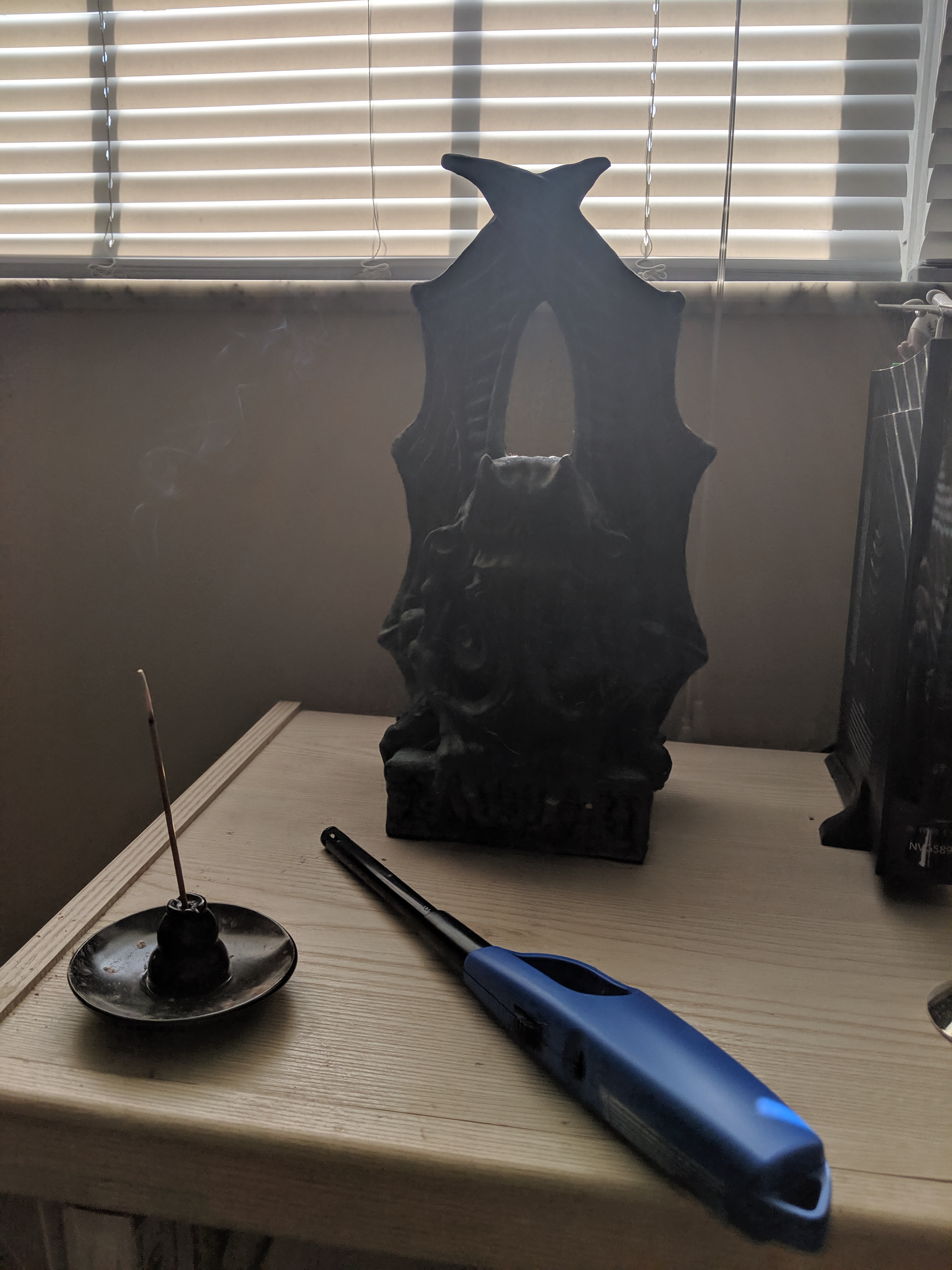
The first thing I did while writing last night was make sure my writing space–aka my desk and where I take most of my meals–had everything I normally used to write. I had my laptop in front of me, with the story and the outline for it in front of me. I had something to drink–usually tea with honey but last night beer–and some mints nearby, as well as whatever music I’m in the mood for playing on iTunes (these days, it’s classical). And I had some incense burning by the Cthulhu statue. That helped me really get me in the mood for writing, because those are all things I associate with and use while writing. Just having them all there, especially after such a long break from doing any real writing, made a huge difference.

There’s a perverse pleasure in lighting incense in front of a Cthulhu statue that makes you want to write horror, don’t you think?

Another thing that really helped was that I had the right story to work on. I think this story, which I expect to end up being a novelette between ten and twenty-thousand words, was perfect because it was simple and easy to work on. I won’t go into details at this point about it’s plot (though I will tell you this YouTube video I’ve linked to is a hint as to the subject matter), but it’s not a complicated story. It’s not dealing with any deep themes like the fragility of the human mind, or requires extensive research. It’s just a simple story about a supernatural force affecting the lives of a bunch of teenagers.

But that’s the beauty of it. By not giving myself a really challenging story, I’m easing myself back into writing. I’m getting back the motivation to write after so long away. And it works. Because the last thing you need after getting one of the most challenging stories you’ve ever written published and then doing everything to market it is something just as hard or maybe even more so, right? No, you need an easy story to get back into it.

With both of these factors working for me, I was able to get a ton of writing done, and maybe even get some more done this week. And after that? I don’t know. I have a few ideas. But at least I know I’ll have an easier time writing now that I’ve eased myself back into it.

Anyway, that’s all for now, my Followers of Fear. I’ll probably have a new post about effective horror writing out in the next week or so, so keep an eye out for it. Until then, pleasant nightmares!

*And speaking of Rose, I think all that marketing work is…well, working. Amazon finally got both pages for the ebook and paperback linked, and the page lists the novel as a 4.5 out of 5 based on six reviews. In addition, Amazon Canada has the book rated as a 5-star and Amazon UK has it rated as a 4-star (both based on only one review each, but it’s a start. They also list the American reviews, but don’t list them for whatever reason). And on Goodreads, Rose is rocking a rating of 4.2 out of 5 based on 5 ratings and 4 reviews, and has nearly thirty people listed as having the book on their TBR list.

Not trying to brag, I’m just stating this is really good news and possibly bodes at more good things to come. Fingers crossed!