Posts Tagged ‘celebrities’

It’s been one week since what could very well be the series finale as well as the third season finale of Hannibal, based on Hannibal Lecter and other characters created by Thomas Harris, premiered. NBC has declined to keep the show going, and while the show’s producers Bryan Fuller and Martha De Laurentiis, as well as series star Mads Mikkelsen and the many, many fans of the show (“Fannibals” or “Lecterites”, if you will), would love to see the show go on in some form, there is a chance that the show will have to hang up the carving knife and that everyone associated with it will have to move onto new projects.

Personally, I hope that the show is still able to go on, maybe as a feature film as Fuller has hinted at, or maybe moves to Starz or Amazon (though if it’s the former and not the latter I may have to wait till the show is on DVD or Netflix, depending on my financial situation). Also, I think it’s a good investment to keep the show going. Yeah, Hannibal has always been ratings-challenged, which is why NBC cancelled it in the first place. However, they knew a show focusing on a serial killer was a risk to begin with, and they still went with it for three years, as did huge legions of fans.

Why? Well obviously Hannibal Lecter is a famous character who was already well-known because of Harris’ novels, the movie Manhunter, and the three Anthony Hopkins films. But that only drew people to the show in the first place. The reason they stayed is because the show’s creators managed to take the concept of a serial killer show, and elevate it to art. Fuller and his team could’ve simply created a simple procedural show with serial killers like The Following with a famous literary and film character in the mix. Instead they built on that premise and made most of the sets exquisite to the eye, turned ordinary conversations into psychologically and philosophically engaging character explorations that could evolve into verbal tennis matches sometimes, and gave every shot a purpose in how it was filmed.

Add into all that the brilliant characters: Hugh Dancy as the socially-troubled empath profiler Will Graham, Lawrence Fishburne as the ends-justify-the-means, will-do-anything-to-catch-the-killers FBI director Jack Crawford, and of course the quiet gentleman devil with a love of grilling up those who are rude or offensive, Hannibal Lecter himself. Every character brings something to the table, making you want to watch them interact with each other right up until the very (sometimes bloody) end. And of course, the brilliant writing. Even at the show’s less exciting moments, the writers till were able to make you want to keep watching, to find out what happens next. From the growing relationship between Will and Hannibal in the first season, to the terrifying flash-forward at the beginning of the second season, and Will’s struggle to truly rid himself of Hannibal in the third season, it just kept you watching.

Hannibal is art. Creepy, bloody, psychologically strange and terrifying art, but it is art nonetheless, and that’s something you don’t usually see with television shows. I honestly can’t say if Hannibal will go on in some form or another (I’m not psychic), but if it doesn’t, at least we know that it had an ending that tied up most of the loose ends of the story, and the ones left behind we can easily guess at. And with streaming and DVD releases, fans could still watch it and relive the beautiful psychological horror that the show was.

Still, I hope for more. The show was awesome, and Fuller had a vision to continue the show, even if he couldn’t get the characters from Silence of the Lambs (I would’ve loved to see how they changed up Clarice Starling and Buffalo Bill, seeing as I found one annoying and the other slightly comical). If allowed to continue, we could see some award-worthy horror on our screens someday.

So while we wait and squirm and wonder at the show’s fate, I’ll continue to hope. Because if the story of the strange relationship between a man and a monster in a man’s skin can intrigue me and so many other people, then surely it can attract a TV executive or two. And the story that ended too soon won’t end at all.

Oh and NBC, why do you keep doing this to me?! First Dracula, then Hannibal? Stop cancelling these creepy genre shows I really like!
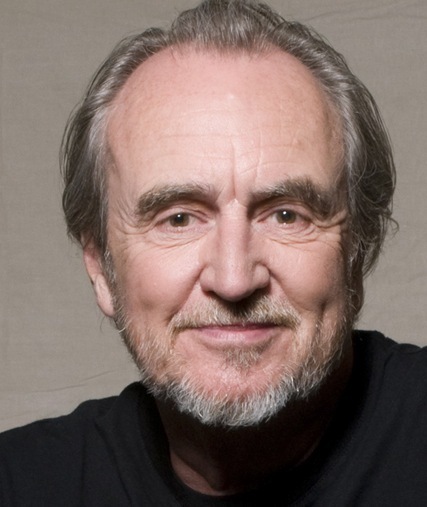
Rest in peace, Wes Craven. You will be missed.

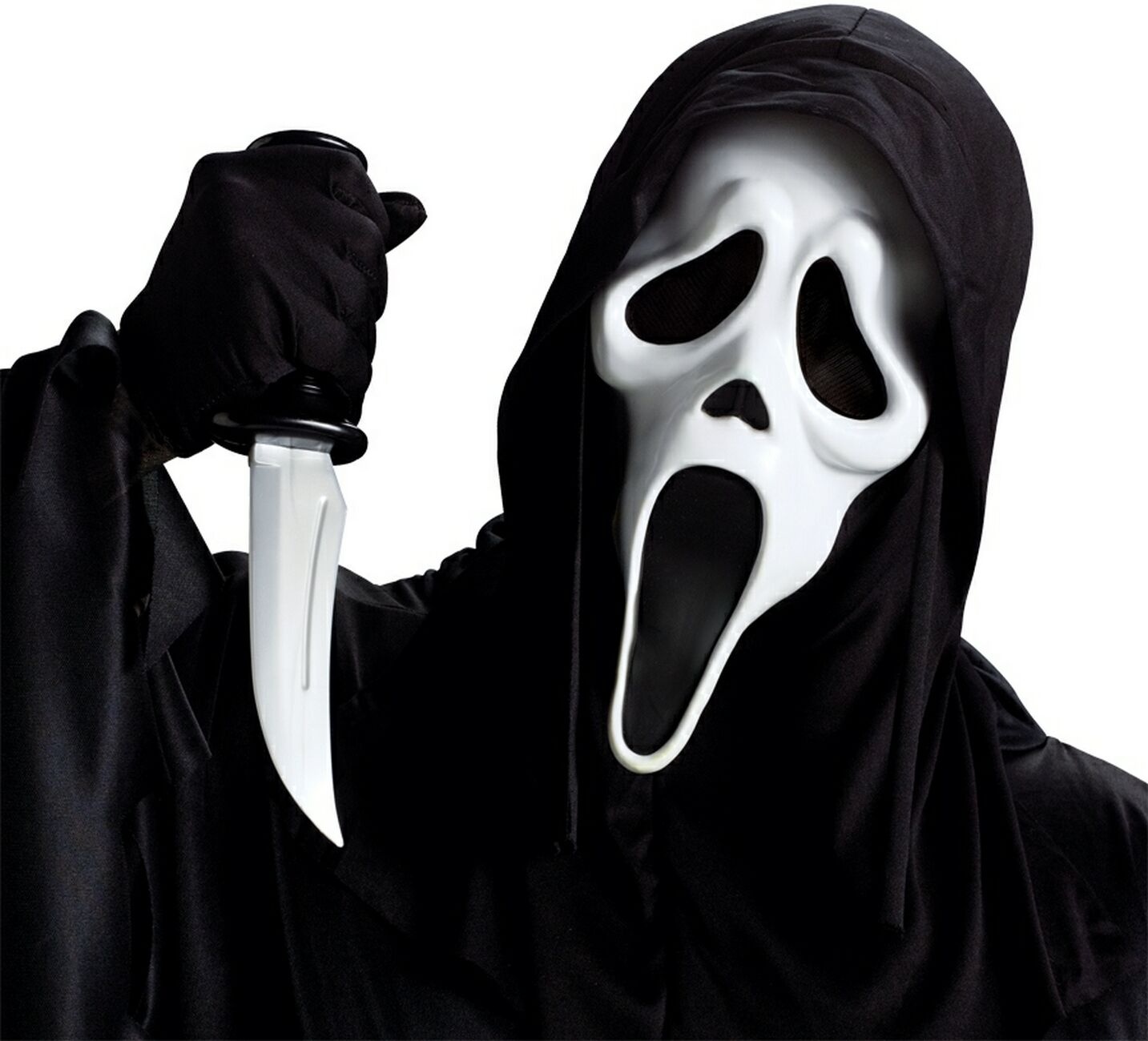
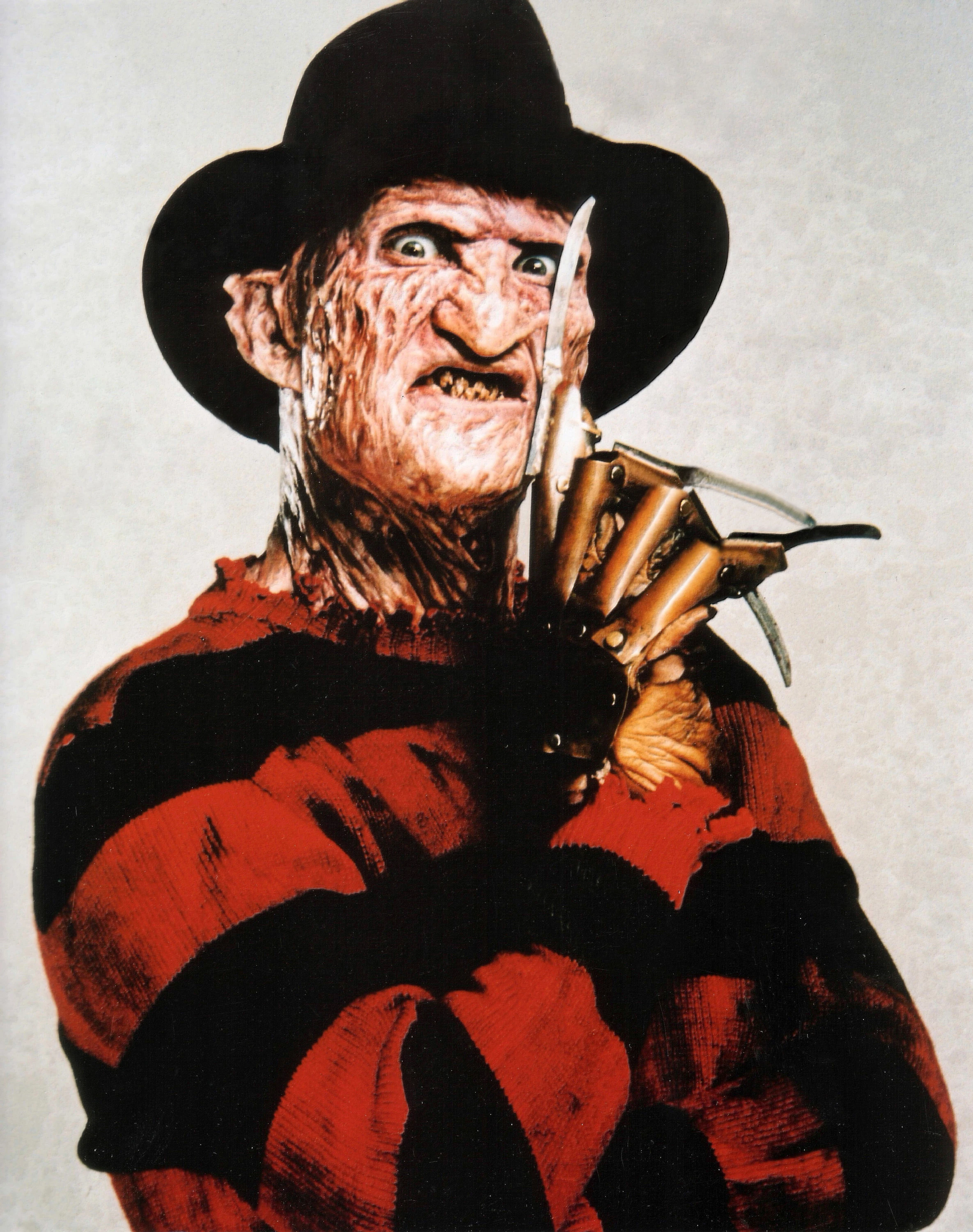
The word craven means “lacking in courage; cowardly.” I’m hard-pressed to find a man who embodied the exact antithesis of the meaning of his last man, and who instead managed to pass it onto the rest of us. Wes Craven was a filmmaking genius, a horror maestro who helped to create some of our most iconic movie monsters, including Freddy Kreuger and Ghostface. It is with great sadness that I have to admit that he passed yesterday after a lengthy battle with brain cancer at the age of 76.

I remember the first time I watched the original Nightmare on Elm Street. I was somewhere in my teenage years, and I was in my dad’s basement watching it on DVD. From the very beginning the movie set itself apart from other horror movies I’d seen in the past. The small box displaying Freddy preparing his trademark clawed glove, as if he were coming out of a long retirement to start some marvelous work again. That first dream sequence and death, and everything that came after it. Nightmare was visceral, it was scary, and at the end you wondered what was dream and what was reality, or if maybe they were all one and the same. For a guy who hadn’t had that much exposure to the horror classics of the 1980s (I might’ve only recently turned seventeen at that time and gotten access to my library’s collection of 80’s horror, most of which was rated R), it knocked me off my feet and made me want more.

You see, horror is my drug, and the Nightmare movies were really good blow. In Wes Craven, I’d found a powerful dealer, someone who could give me what I needed when I needed my horror fix. I would later find terror when I saw the Scream movies, and quite a few more (I really liked what he did with the North American remake of Pulse). You could go to him and usually he could provide the goods. Occasionally Craven produced some bad stuff—every filmmaker does occasionally, and in horror bad stuff is pretty common—but on the whole he did great work.

And how did Craven feel about these many fans, these people who saw him as a person who fed their inner desires for terror and probably gave more than one child nightmares for the rest of his or her life? To use his own words, “I come from a blue-collar family, and I’m just glad for the work. I think it is an extraordinary opportunity and gift to be able to make films in general, and to have done it for almost 40 years is remarkable…If I have to do the rest of the films in the [horror] genre, no problem. If I’m going to be a caged bird, I’ll sing the best song I can…I can see that I give my audience something. I can see it in their eyes, and they say thank you a lot. You realize you are doing something that means something to people.”(1)

Indeed Mr. Craven. You did something to many people. You gave us iconic characters like Freddy or Ghostface to haunt our dreams. You helped launch the film careers of Johnny Depp, Sharon Stone, and Bruce Willis (no seriously, he did). And you inspired generations of horror fans, from your protégé Nick Simon, whose new movie The Girl in the Photographs will premiere at the Toronto Film Festival next month, to me, a self-published novelist who, while not exactly famous yet, is working hard to create his own stories that maybe one day will scare people far and wide.

So while you may no longer be with us in Mr. Craven, you are very much alive. Like one of your creations, you haunt us in our imaginations and our dreams, making those you inspired take to their pens or computers and create their own wonderful nightmares. And as long as people fear Freddy or Ghostface or those Hills that have Eyes, you will continue to walk among us, leaving your mark wherever you go and giving us our fix when we ask for it.

So tonight, I will raise a toast to Wes Craven, a man with a vision, taken from us when we didn’t want him to go. I will get online and see if I can get a fix from one of his movies. And then soon, possibly tomorrow, I will get to work on my next terrifying creation and hope your ghost whispers in my ears while I do.

Andy Weir. E.L. James. Christopher Paolini. What do these three names have in common? If you guessed successful novelists, you’re close. They’re all successful novelists who were originally self-published, their stories caught on, and they eventually began to catch on and one day they woke up with millions of people reading their books, movies in the works and great things in their future.

I’m not sure I’m going to get the millions of people and the movies in my lifetime, but just hearing the success stories of these authors gives me plenty of reason to hope that this could happen to me some day. Self-published writers are having success stories everyday. I even heard of a teen in England whose fanfiction about her and a bad boy version of one of the members of One Direction became a smash hit and got a publishing deal (yeah, I didn’t know that sort of thing was possible either until I heard of it). It’s quite incredible how people can become successes over time in a field that used to be despised by establishment writers.

How do these writers get their successes anyway? Well, it’s different for each one. Andy Weir published through his blog, and it attracted a bunch of readers who wanted to read The Martian in Kindle form. E.L. James published her Fifty Shades trilogy as an e-book and used the emerging field of e-readers as well as word of mouth among erotica fans to gain a following. Christopher Paolini toured around the United States, visiting schools and libraries and dressing up like a man from the Middle Ages to get books into the hands of kids and teens, until the son of author Carl Hiassen found Eragon, loved it, and brought it to his dad’s publisher’s attention. And, if that story about the 1D fanfiction is true, then I think she posted it on WattPad, which is kind of like the YouTube of writers (and which, along with Goodreads, I need to use more often).

One thing that these all have in common, the authors made it easy for interested readers to get their hands on their work. And their work was really good (though from what I hear Fifty Shades is very poorly written), which made people want to read more and keep coming back for more. Thus it sometimes snowballs until…success, I guess.

Now does this happen for all authors? Obviously not, or we’d all be reading books by people whose works may be anything from really good to just plain dreadful. But it could happen to any author who puts in the right amount of dedication to their writing and marketing and who has a little bit of luck on their side.

God knows I’m working hard on all of those when I’m not working or looking for jobs. I’ve had sales that have been very successful and gotten my books into the hands and Kindles of plenty of new readers. And I’m working on an audio book of Reborn City, which is probably my most popular novel right now, so that could open up a whole new field for me: those who like a good story on long car trips or while jogging. And I’ve got a story or two I think would do great as serials published on WattPad and on Kindle, though I’m not sure when I’ll get around to writing them.

And of course, I tell people. I let them know about the books I’ve got out and if they’re interested I give them my cards so that they know where to find them (I’ve already gotten two or three people at work to promise me they’ll get copies of at least one of my books as soon as possible). And I’m always looking for new ways to get readers interested, and usually they work.

So maybe someday I can be, if not the next Stephen King, then maybe the next Christopher Paolini or Andy Weir. Selling enough books to write full time, expanding my media so that more people are exposed to me and maybe find a new favorite author. Anything’s possible. I just got to keep writing, keep working hard, and above all never lose hope.

Two months ago, I published a post about problems only horror fans have and understand. Since then, I’ve thought of more problems that face the horror community, so I’ve decided to write a post about those problems and try being funny as well as educational. And I’ll probably fail miserably while I’m at it.

And now you’re thinking, “He’s going to try to be funny and educational and fail at it too? EEEK!” I wish you wouldn’t think that, I put a lot of work into this blog post!

1. Not enough Slender-Man media. If you live under a rock, Slender-Man is an Internet meme I’ve visited before on this blog, a faceless being with a tall body and long, lanky arms wearing a suit. The myth varies depending on who’s telling it, but usually he lives in the woods, occasionally has tentacles, and likes to kidnap/scare/sometimes even kill children. It started as a couple of photos made for a contest on an Internet site and has since grown and become a modern piece of Internet folklore.

Sadly, Slender-Man’s copyrighted, and not by the guy who originally created him (who is fine with any adaptations as long as they’re good), but by a third party whose identity is unknown to the public. So if you want to make a for-profit work based on good ol’ Slendy, you need to find this third party and ask them for permission. Which sucks because how can you negotiate a deal with someone you can’t find? Such is the quest to make Slender-Man merchandise.

2. We’re getting our IT adaptation…with a catch. Last time I wrote about this, I mentioned how Cary Fukunaga’s two-part adaptation of the Stephen King classic was cancelled because Fukunaga and New Line couldn’t see eye-to-eye over budget and creative directions. Well, good news, looks like New Line is still trying to make the adaptation. Just two problems: one is it’s probably going to be a single movie. Really? This is a thousand page book! Even a three hour movie will hardly get most of what made one of King’s scariest creations very good.

Even worse, the guy being courted for director is Andy Muschietti, who directed 2013’s Mama. Now a lot of people found that movie scary, but I felt that it was overall not very good. Started out great, but got slow and cliched near the end. So you can see why I’m a little hesitant over this directing choice, especially with only one movie to work with.

Seriously, why not two parts? The Hobbit got three, and it’s one book! And when Peter Jackson adapted the LOTR trilogy, it was a big, risky move. Look at how that paid out!

*Sigh* I really hope I’m surprised by this movie if it comes to be.

3. “Why not a happy story?” This actually happened to me today. I was talking to my boss and we were discussing an ice cream truck that passes through the base every day. I was trying to think of a short story involving an ice cream truck with an original and scary twist. She just looked at me with this funny face and asked, “Why can’t you write a happy story?”

Who says horror stories can’t have happiness in them? Seriously, some of them do end with the monsters gone and the main characters still alive and actually stronger for their struggles against evil. Yeah, some of them end in tragedy. But there are happy endings.

And besides, would a happy story really be that interesting? Once upon a time a bunch of schoolchildren went to play in the flower fields. They picked flowers, and one of the ones they picked turned into a handsome prince. The prince said a witch had turned him into a flower after he refused to marry her, and he would’ve died with the first frost if the kids hadn’t plucked him among the flower fields. So the prince made them all honorary princes and princesses and they were forever allowed into his castle to eat ice cream and ride the horses and learn how to dance like they do at Viennese balls.

I think I might vomit if I don’t fall asleep from boredom.

4. “But don’t you get nightmares?” Another one from my boss (in her defense, I think she ordered a copy of Reborn City today, so at least we know she’s got good taste). Yes, I do get nightmares occasionally. It’s estimated that all adults get at least two nightmares a year. Rarely do I get them from the movies I watch and books I read, though. And I’m willing to risk the possibility that one day I’ll be scared in my dreams because of one of those books or movies. Just means someone’s doing their job in making something super-scary, right?

I’ll even dream about him if it means a good scary story!

5. Horror’s so cliched. Actually, no it’s not. True, a lot of horror stories do have their tropes and conventions that appear a lot: the virgin girl, the slutty girl, the campground, the sin factor, etc. But hey, have you seen people who get upset over Bible films if there’s even a single deviation from even the most obscure text? They want the same story every time! Now that’s a lot of cliches.

And horror doesn’t always rely on cliches. There’s a lot of originality in horror, if you care to look. It Follows, I Am a Ghost, Carrie, Dracula, Interview with a Vampire. All of those were very original, thank you very much.

6. Horror has no depth. Oh, so there’s no depth in a ghost or heads getting cut off? Really? Well, where’s the depth in comedies with fart jokes? Or stories where we all go in knowing the hero and heroine will eventually hook up and that’s the only reason why we paid money for this? Where’s the depth in that?

You’d be surprised how deep a horror story can go. Anne Rice’s early Vampire Chronicles are known for their poetic philosophy and imagery. Some, including the author, has described them as “the agnostic’s search for the truth” (this is a rough quote, I may have phrased it wrong). IT, which I discussed above, deals simultaneously with the loss of childhood innocence and the rediscovery of childhood belief. And don’t you dare tell me that The Shining doesn’t explore the struggle of personal needs and desires versus the good of the group! Think about it!

7. No, I’m not sex-starved and that’s why I enjoy horror. Yeah, horror sometimes is dirty. Doesn’t mean we’re making up for something. Unless you’re the filmmakers behind the Friday the 13th remake, in which case you packed in as many boobs as possible because you wanted people to see the movie AND it was a dry spell (Ooh, new slam on that shitty movie!).

And why are you wondering about our sex lives? It’s none of your business, you perverts!

Yeah, I like these guys. So what?

8. Ghost hunting. Okay, this might just be my problem, but just bear with me, because it’s related. Plenty of people believe in ghosts, interest in horror or not. Some of us believe that it is possible to find out about ghosts using modern-day technology, which is why we support ghost hunters and even watch some of the ghost-hunting teams that have their own TV shows.

So what’s the problem? Some people think ghost hunters are snake oil salesmen and make fun of them and their shows whenever the subject comes up. For those like me who believe in ghosts and maybe even base our ghost mythologies on what ghost hunters may uncover in investigations, it’s hurtful.

Yeah, this isn’t strictly a horror problem. But it’s a problem nonetheless.

~~~

Did you identify with any of these problems? Did I miss any? Was I funny? If not, did you at least learn something?

Well, hope you enjoyed this whatever your reaction. Just thought I’d get out another list. Hopefully I won’t find any more reasons we horror fans have it tough. Have a goodnight, Followers of Fear!

The wait till DVD…oh dammit!

2014: 10-6, 5-1
2013: 10-6, 5-1

It’s that time of year again! When I list the top villains who have scared and/or impressed me over the past year. And this time around we’ve got some pretty interesting and unexpected entries on this list. So let’s dive into the first half of the list and see who was the baddest of bad guys this year! Remember, these villains must be fictional and they can’t be any of mine (otherwise it’d just be me plugging my books, and this isn’t where I want to do that).

Honorable mention goes to Dandy Mott from American Horror Story: Freak Show. That guy was a psychotic man-child with a love for attention and a greater love of killing. I’m looking forward to what his actor will be up to next season.

10. The Mummy/The Boneless (Doctor Who)

Yes we have a tie for entry #10! And both from the same show, well done. Appearing in the episodes Mummy on the Orient Express and Flatline, these creatures are scary and mysterious and their spots are well deserved. First, let’s start with The Mummy: an ancient warrior from a long-ago war, the Mummy has since become a legend, a moving skeleton wrapped in bandages who can only be seen by those it targets. They then have 66 seconds to live, during which the Mummy will get them. And kill them. It is a very creepy creature, and the Doctor was only just able to stop it, making Mummy on the Orient Express my favorite episode of that season.

The Boneless, as the Doctor names the species, is a 2-D alien species from another dimension who invade our world with the intention of taking over and becoming three-dimensional as well. The moment they or their energies touches anything, it’s as good as two-dimensional and (if it’s living) it’s dead. Heck, the Doctor nearly dies facing them, which goes to show how much of a force they are to be reckoned with. These unfathomable monsters are simply amazing and terrifying to watch, which is why they go alongside the Mummy to earn the Number 10 spot.

9. Missy/The Mistress (Doctor Who)

Another DW villain, and definitely one of the most lovably bad! If you’re unfamiliar with the show, Missy is the female version of the Master, one of the Doctor’s oldest and greatest enemies (yeah, characters on this show can change their genders). Watching from the shadows, she only reveals herself at the end with a plan to convert the world’s dead into Cybermen and then give the Army to the Doctor. Why? Because she wants to see if she can make him as bad as her! I know, crazy right? But that’s Missy’s charm: she’s playfully mad and wants nothing more than to rope her best friend into some crazy fun scheme, and will do anything bad to get her way. Plus she has an awesome theme song, which makes her spot at Number 9 well deserved.

Okay, I said something nice Missy, please don’t kill me, okay?!

8. Kim Jung-Un (The Interview)

I know, I said fictional villains, but this is a fictional version of the character, so I think I can make an exception. Plus he’s just so funny! In this controversial and provocative movie, Kim Jung-un at firsts comes off as a shy and sweet guy who had a lot of responsibility thrust upon him at a young age and occasionally just wants to rock out to some Katy Perry in a Russian tank. However as you get to know him, you realize that he’s about as nice as sulfuric acid, and that he’s actually quite the sociopathic tyrant. Seeing him go from a crying wreck to having a tantrum to trying to murder the world and then get blown up is well worth watching, and secures his place at Number 8 on the list. So North Korea, please don’t hack me, okay? There are some things the world is not ready to learn about me!

7. The Babadook (The Babadook)

If it’s in a word it’s in a look, you can’t get rid of the Babadook. Thus starts the picture book out of Hell, as depicted in this creepy Australian indie. The Babadook is a terrifying reimagining of the boogeyman, a creature that wears a top hat and sticks to the shadow, stalking its victims until it drives them mad and kills them dead. When it sets its eyes on struggling single mom Amelia and her behaviorally-challenged son Samuel, you’ll experience ninety-four minutes of pure terror! And the freakiest part of it is, you can’t tell if the Babadook is a real monster or if it’s all in the heads of the characters! Even all this time later I still can’t tell! Yikes!

6. The Creature (It Follows)

The writer/director of this creepy gem said he based the story on nightmares he had as a child. Indeed, the Creature is nightmarish. Only seen by those affected by the curse and able to take any form, the Creature delivers a promise: that no matter how long it takes, no matter how far you go, it’ll follow you. It will find you. And it will kill you, one way or another. And this promise is delivered to everyone affected by the curse, going from the latest victim and heading down the line to the beginning of the curse. We don’t know why, but to say the least, the how of it is enough to make us all stay away from one night stands forever.


Like the list? Have any thoughts? Let me know in the comments! And join me for the Top 5 later on, when we’ll see who 2015’s Baddest of the Bad are! Until next time!

Last night as I was dropping off to sleep and feeling happy about setting up that new blog of mine (thanks to everyone who’s already signed up to follow that, by the way), my mind started to wander, as it usually does right before I fall asleep. This time around my mind went to horror stories (yeah, it does that quite often too), and I started to ponder character depth and development in horror stories. At some point I realized that in horror, you often have either characters who are very well-rounded and developed, or you have characters that are little more than archetypes, e.g. the Skeptical Dad, the Final Girl, The Psychic Child, The Expert, etc. And you know what else I realized, what made me get up out of bed and write this revelation down before I fell asleep and forgot? Sometimes these stories require different level of character development, depending on what the story is.

Let me explain. In certain scary stories, such as Stephen King’s The Shining (the book, not that poorly adapted Kubrick film), the characters are more than just archetypes and we get to know them very well. This is because their inner conflicts are just as important to the story as is the outer conflicts happening with the hotel. Jack Torrance is trying to keep his cool and be a good husband and father for his family after so many screw ups, while also fending off his desire to drink and the mental assaults of the hotel. His wife Wendy is trying to keep her family together while also keeping an eye on Jack in case he reverts to bad habits. And Danny, psychic and wise beyond his years, is trying to stay strong and endure the hotel’s attempts to kill him because he knows a lot is riding on his father taking care of the hotel through the winter. How they react to situations and grow as characters is just as important as what is happening within the hotel, so King makes sure they are well-developed.

Part of the terror (in the book, anyway), comes from the conflicts these characters wrestle with inside themselves as well as the ones the hotel sends them.

Meanwhile other stories don’t need as much character development. Take Insidious 3, for example (yes, I’m using the third entry in a horror film series, but bear with me). Besides main character Elise Rainier, most of the characters in the film do not get much character development. In the Brenner family, who are experiencing all these supernatural happenings, you don’t see much beyond the roles they play in the story: Quinn is a pretty girl with dreams of acting and is being victimized by a spirit, her dad Sean is the scatter-brained parent trying to keep his family together through grief and tragedy, and the annoying younger brother Alex is…well, the annoying younger brother. Despite not getting a lot of characterization though, these three characters do actually get some growth in the story: Quinn’s car accident and the spirit attacking her causes her, her brother, and her father to get out of their own little worlds and come together as a family to save Quinn’s life.

And of course, there are those stories that require little or no characterization or growth at all. This is common in slasher films, where the characters are often reduced to archetypes or roles (anyone who’s seen Cabin in the Woods knows what I’m talking about). This also happens in a short story I had an idea for recently (and that I might write as soon as I finish editing Video Rage). In this story, I decided that I wouldn’t spend time going over why the protagonist’s younger brother is a bratty kid or why the antagonists are as freaky as they are. The reason I decided this is because the events of the story are where the terror and intrigue come from, not from any inner growth. This is usually the case with slasher films as well: the events of the story are where we get our terror and excitement from, so more attention is pointed towards telling the story than going over any inner conflicts of the characters.

Half the fun of this show is seeing these two interact with each other.

What I’m driving at here is that how much character development is required from a story depends a lot on where the excitement and fear is coming from and how essential developing a character is in order to keep a reader or viewer invested in the story. In the case of a Nightmare on Elm Street film or the story I mentioned above, we’re reading or seeing the story because we know that the story’s events is where we’re going to get the excitement we paid to read/see. In the case of stories like The Shining or most episodes of Hannibal though, a major reason why we’re investing time into the story is because of the characters, not just what’s happening around them. This is especially so in Hannibal, because most of the conflicts and intrigue comes from the characters, their psychological states, and how they play against one another. We’re there not just because Hannibal Lecter is a famous and charismatic serial killer, we’re also there because we like seeing how Will Graham’s relationship with Lecter changes and evolves over time.

And knowing how much to balance of these two elements–character development and story-focus–is very important. Look at the remake of Poltergeist that came out recently. It was an awful film, and one of the many problems it had was that they tried to insert character development near the beginning of the film and failed miserably. Early on it focused on the dad losing his job and trying to find a new one, as well as mentioned something about the wife being a writer. I think the filmmakers were trying to translate this into an arc where the family tries to stay together and come together through rough circumstances, but ultimately the whole thread of the dad looking for a job and the parents trying to keep the family together fails to really get resolved or come together and ends up feeling unnecessary to the story. You’d think that it would just be enough to say the dad got promoted or transferred or a new job and leave it at that!

So whether it’s a zombie flick, a novel about a haunted house, or a psychological horror TV show, knowing the balance between character development and story-focus is just as important as creating a memorable and creepy villain or writing the story in such a way so that the story actually remains scary rather than goofy or just plain stupid (*cough* Friday the 13th remake *cough*). If you do, you’re more likely to write a good story worth remembering than you are to write garbage that horror fans sift through trying to find a nugget of gold.

I’ll certainly keep the balance in mind with the next story I write.

It wasn’t a dud! It wasn’t a dud! IT WASN’T A DUD!!!

Sorry, had to get that off my chest. I’ve seen so many bad horror films lately, it felt necessary to shout praise of a good one. And I’m not surprised that this one is so good. Leigh Whannell, James Wan, Jason Blum, and Oren Peli all worked together on this film. These guys are known for great, scary films, so when they come together you know you’ve got something worth getting excited for.

The third chapter in the Insidious saga takes place a few years before the events of the first two films. Quinn Brenner, played by Stephanie Scott, believes she’s being contacted by her dead mother, and encourages this contact. This tragically leads to a car accident that breaks both Quinn’s legs and puts her at the mercy of the spirit after her, The Man Who Can’t Breathe. At the same time, Elise Rainier, the medium from the first two movies, reappears to try and help Quinn, while facing her own darkness and a loss that has made her afraid to do what she does best.

There’s a lot to be said on this film, so I’ll try and keep it to the things I think everyone should know before going to see this one. First, the actors all handle their roles very well. Scott, along with Dermot Mulroney and Tate Berney as her harried father and annoying preteen brother, have great chemistry as a family crippled by a devastating loss and pulled together again by the dark events surrounding them. Best of all though is Lin Shaye as Elise, whose personal journey to recover her confidence is extraordinary and heart-wrenching. I almost cheered in the theater when she had finally regained her former airy manner from the first two films. Plus it’s fun to see her first interactions with Specs and Tucker and how they formed the team we met in the first film.

And speaking of the first film, there’s a notable change between Insidious 3 and its predecessors. In the first two films, they built a mythology based around astral projections and the realms of the dead (aka the Further), but Chapter 3 seems to eschew that mythology for the most part in favor of creating a good old-fashioned ghost story, and a great one too. The suspense is powerful, the atmosphere tense and the creepiness of the whole movie, coupled with the amazing visuals and sets, the jump-scares and the screeching violins in the background music, will keep you on the edge of your seat throughout the movie.

Creepiest of all, of course, is the villain, The Man Who Can’t Breathe. Honestly, even when you see him fully in the light near the end of the movie, he’s still one of the freakiest looking villains I’ve seen in recent memory. What makes him even scarier than his appearance is that you’re not sure exactly why he’s menacing this girl or where he came from. There’s mention of him living in Quinn’s building long ago, and something about “pets” is also mentioned, but we’re never really sure what his reasons are. And that just adds to the horror factor here.

There are only two major complaints I have with this movie. One is that the character of Hector, the lovestruck boy-next-door, seems like he was going to be a bigger part of this movie than he was. Were most of his scenes cut for time? That, and I feel that the climax was a little cliched and a little too short to be truly frightening, though the ending makes up for that. Other than that, I had a really good time.

All in all, I’m giving Insidious Chapter 3 a 4.3 out of 5. A scary good movie that’s put out of my mind all the bad horror films I’ve seen lately and make me want to tiptoe through the tulips with terrified glee. And if the critics and the box office agrees with me, I think we can expect a Chapter 4 someday. And you know what? Even if it might be a little unnecessary (ah horror, the original junkie for unnecessary movie sequels), I might just be okay with that.

Let me preface this review by pointing out that I usually enjoy the movies that Jason Blum and his company Blumhouse Productions put out. Sinister, Insidious and Insidious 2, The Conjuring and Annabelle. Those are freaky movies. Which is why I’m saddened to say that this latest venture does not live up to expectations. In fact, Unfriended is more a time waster than a terror coaster.

Unfriended follows Blaire Lily, played by Shelley Hennig of Teen Wolf fame and somehow playing a much blander character than the one she played in Ouija. And for most of that film she’s dead (see my review of that one here)! Anyway, the film is told by watching Blaire’s laptop’s desktop and the multitude of programs she’s got going at once. All of her friends and her boyfriend log in for a Skype call and are joined by a mysterious, faceless person who seems to be stalking them. The person claims to be Laura Barns, a friend of theirs who committed suicide a year previously after an embarrassing video of her was uploaded onto the Internet. Whoever it is, they threaten anyone who signs off, uploads embarrassing information about each person, and then kills them. As the number of friends wind down, we get closer to the heart of the mystery: who filmed and uploaded the video that started it all.

I kind of knew before I even saw the movie that it would be difficult to make an impressive film told entirely from a Mac desktop. If they’d kept the tension and terror going through the whole film, then it might not be a problem. However, there are several minutes where nothing happens, where Blaire is chatting on Facebook or through IMs or looking things up or where Laura is typing to the living. During those parts, the tension doesn’t just mellow out, it disappears. Even during a sequence where Laura is forcing her friends to admit they’ve said or done horrific things, it’s not scary. Tragic or sad, but not scary.

Even sadder is that I don’t get to know these characters enough to build any sympathy for these characters. They’re all pretty much stereotypes or archetypes and not much beyond that. Blaire’s the supposedly sweet and innocent virgin, a horror staple, her boyfriend’s the sweet, lovesick puppy teenager from next door. The others are a bitchy drama queen, an overly-entitled rich kid, a geeky hacker, and a blonde (yeah, she’s just a blonde. Nothing beyond that. As a blonde, I’m kind of insulted). Beyond all that, there’s not a thing to say about these people.

And Laura Barns? Don’t know what to make of her. Some say she was just a sweet girl with some family troubles that are briefly hinted at, others see her as an awful bitch. All we see is the villain manipulating them and their computers. I’d have loved to see a flashback of this girl, rather than just some videos and recollections.

That said, Unfriended does have its points. The film looks like it has been filmed in one continuous shot and any cuts in film (of which I’m sure there are) are so hard to catch it looks seamless. The characters do show how unstable teen relationships can be, how you can be a friend and still call someone a bitch at the same time. And there’s that underlying theme of bullying and cyberbullying throughout. They do that well.

Still, I wouldn’t waste money on Unfriended if I were you. Wait until it’s on DVD. It’s an interesting concept, not something previously done in film, but it might have been better told as a short story than as a movie. I’m giving it a 2.6 out of 5. I’m sad that they’re already considering a sequel to this movie, or maybe even a line of sequels. God, I hope they don’t waste the money making more of these! That cash could go to so many better things.

Well, that’s all for now. I’m–wait. What’s this chat box? I–Oh damn. Ghost on my computer. Gotta go, my Followers of Fear. I think I need an exorcist.

I just published my latest post on Self-Published Authors Helping Other Authors. This one is “Hey, That’s My Idea!”: When Works of Fiction are so Similar You Want to Sue. It’s about what happens when you find a work that’s so similar to yours that you fear someone’s stolen your idea, infringed on your copyright. The post was inspired by a story I read this morning, how Joss Whedon–yes, that Joss Whedon, creator of Buffy and director of both Avengers movies–has been hit by a lawsuit by an author who claims Cabin in the Woods is taken directly from his own 2006 novel. It’s interesting, and I wanted to explore the issue a bit more deeply.

If you get the chance, please check out the article. And if you like what you read, please check out and subscribe to the blog. Self-Published Authors Helping Other Authors is written by authors, for authors, and to authors so that they can write, edit, market, and publish not only cost-efficiently, but produce the best work they can while they do it. It’s worth a read.

That’s all for now. I’ve got a lot to do, so I’m going to get it done. Have a good one, my Followers of Fear.

I am Sheldon Cooper.

I’m great in my field, or perhaps I’m narcissistic enough to think that I’m great. I can talk on and on about writing and horror until I realize it’s too late, I’ve made the person or persons I’m talking to feel uncomfortable. Sometimes I don’t even realize it. But then I find myself talking about how much I hate the Friday the 13th remake and I forget I’m supposed to be having a conversation.

I have odd habits that make no sense to others. I laugh at jokes only I find funny. Sometimes they don’t even leave my head and I’m in hysterics. I talk to myself, I trace shapes in the air with my mind. I hold imaginary conversations with my characters and with other people’s characters. Whatever leads to an idea, right?

Social situations can confuse me. I’ll say something that seems totally innocent in my head, and not realize most people will find a second, possibly offensive or disgusting meaning to it. If I’m lucky, I’ll realize within the next couple of hours this faux pas and never repeat it. Occasionally I never notice though, and I worry about those times, because I’m not sure when or where or why they happened. I only know that they probably have.

If someone says I shouldn’t do or say something, I will ask why if the answer isn’t immediately obvious to me (which is usually sixty percent of the time). If you only say “Just because” or “It’s bad”, I won’t believe you or listen to you. If asked why, I will reply “Once some nasty peers of mine asked me if I was gay before I knew what that meant and they wouldn’t tell me. I said yes just to see what would happen and was the laughingstock for the rest of the day.” So you either tell me what’s so wrong and you walk me through it to make the point, or I’ll just assume that it’s not so big a deal because you don’t want to spell it out.*

Sometimes I’m resistant to changes or new things that seem great but I just don’t feel comfortable with yet. I was horribly opposed to social media like Facebook for years because I just didn’t want to have to try it, an to a certain extent it just wasn’t necessary. I’m only now considering a smartphone. A sudden change in schedule can also annoy me to no end every once in a while. And if I can’t watch my shows? Oh, it’s going to bug me. And don’t make me try that thing I have preconceived notions of. I’m sure I’m going to hate it until I try it and I form new opinions.

I like fun, but sometimes I’m happiest in front of the TV with a drink and a show, writing during the commercial breaks or slow parts of the show. If there’s a cat on my lap, even better. I don’t date much, if at all. I sometimes feel that the whole dating/mating/courting process is such a waste of energy and an unnecessary cause of stress. And why go out? The indoors of the world are so friendly, comfortable and familiar.

Oh, and I’m very pale. Can’t forget that.

But I do have my differences from Dr. Cooper. I write fiction and tell stories. I like touching and hugs and I like to be social, though sometimes I prefer it on my own terms. And my roommate and I don’t banter about in such a way that audiences would laugh if they heard us. Plus I definitely believe in God and ghosts, so that’s another important difference.

But yeah, very much like Sheldon Cooper. It’s not always a bad thing–some people say my eccentricities are part of my charm–but it does have its pitfalls. Still, I wouldn’t change me for the world**, because then I wouldn’t be able to do what I love and do the things I’m able to do. It just would be too different.

*I remember when I was eleven or twelve I learned from a camp friend there was an N-word. Being that age and in an environment where swearing was as plentiful as breathing, I wanted to know what it was, but no one would tell me and they wouldn’t tell me why they wouldn’t tell me, which upset me to no end. I didn’t find out until a year later and read Stephen King’s IT why that word was so bad. So way to go, camp kids, you let a horror writer explain to a kid why he shouldn’t use the N-word. And if that doesn’t take the cake, years later some of those same campers would use the N-word casually, calling each other that when we were the whitest Jewish kids you’d ever seen. By that time I was the one trying to keep them from saying it, but up until the end of summer they never stopped, even when a black man nearly heard them say it. I tell you, talk about ironic reversals!

**Unless of course it’s for the suave spy/bad boy personality that’s at ease in almost any situation and draws people together for a common cause, usually defeating some awful evil. I might go for that.