Posts Tagged ‘Amazon’

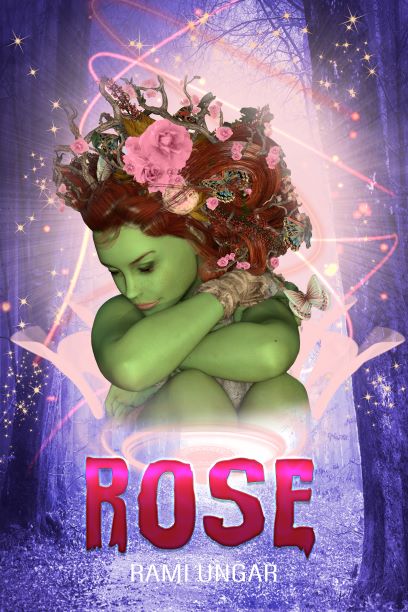
My, how time flies. In about a month, we’ll be celebrating the one-year anniversary of the publication of Rose, my first novel with a publisher. And since it’s a rather special milestone, I’m doing something special to mark the occasion. More on that below.

But first, if you’re unfamiliar (in which case you’re probably new to this blog, so hello! Welcome to Rami Ungar the Writer), Rose is a fantasy-horror novel published on June 21st, 2019 by Castrum Press. The novel follows Rose Taggert, a young woman who wakes up in a greenhouse with no memory of how she got there or why, let alone the last two years. However, her problems only compound from there, as her body undergoes a terrifying transformation, turning her into a plant/human hybrid. While those in her life react to the change, she finds out that some of them aren’t all they seem to be, leading to a desperate fight for survival.

And in the year since this novel came out, it’s gotten some wonderful feedback and a couple of devoted fans, which has really made my day. And since the one-year anniversary of its publication is coming up, I thought I would do something special to mark the occasion. What will it be? Why, it’ll be a special Q&A on YouTube! If you have any questions about Rose, about writing, about my plans for the future, you can send them to me and I’ll answer them on YouTube.

Here’s what you gotta do. Just send an email to ramiungar@ramiungarthewriter.com with the subject Rose Question and the following information:

  • Name
  • Where you’re from
  • Your question

Seems simple enough, right? And if you get your question in before June 17th, 2020 at 12:00 PM, it may end up being answered in the video (as you can probably guess, I may reject questions if I feel they are inappropriate for one reason or another). I look forward to reading your questions.

And if you’re interested, I‘m still taking orders for signed copies of Rose. Send an email to ramiungar@ramiungarthewriter.com to place an order. Of course, you can still get a copy from Amazon in paperback and ebook, and from Audible in audio book form. Links will be listed below.

I look forward to getting all your questions, my Followers of Fear. Until next time, pleasant nightmares!

Rose: Amazon US, Amazon UK, Amazon Canada, Audible

The Witcher books by Andrezj Sapkowski are a prime example of dark fantasy.

You’ve probably heard the term “dark fantasy” thrown around to describe different kinds of stories, and the simple definition given when asked what constitutes dark fantasy is “fantasy but darker or grimmer.” And yet, that doesn’t seem to fully encompass the subgenre or quell debate on what dark fantasy is. I’ve heard people say all horror that has to do with the supernatural as a kind of dark fantasy, or that the line between the two is very thin. Even authors who are known as dark fantasy writers have trouble pinning down a definition.

So while I’m no expert myself, I thought I would ask, “What is dark fantasy?” Especially since depending on the definition, my stories could fall into this genre on occasion.

And in the course of my research, I did come across some things. While an exact definition isn’t agreed upon, there are some things that fans and writers can agree upon. For example, both TV Tropes.org and Fantasy Book Fanatic.com agree that dark fantasy is fantasy (no duh), but unlike high fantasy or swords-and-sorcery fantasy, there is a much grimmer, more ominous tone to the stories. While in other subgenres of fantasy, gods can be clearly defined as good or evil or maybe just neutral, gods can be very evil or at best cruelly ambivalent to humans. If they show up in the story at all, that is.

Likewise, magic is a neutral force at best, unlike magic in Harry Potter or the Force in Star Wars (which is a fantasy element in science fiction). Magic may even be the source of corruption that creates the villains in the stories, and could be considered a necessary evil or even the source of evil itself, needing to be rid from the world. As for heroes, there are a distinct lack of heroes in the world, and at best you get anti-heroes or mercenaries. Anyone who could be defined as a “hero” may be filling the role reluctantly. They’re doing this not for some noble goal like saving the world or defeating an evil warlord, but for revenge, their own goals, for profit or because they haven’t been given a choice in the matter and are really bitter about that.

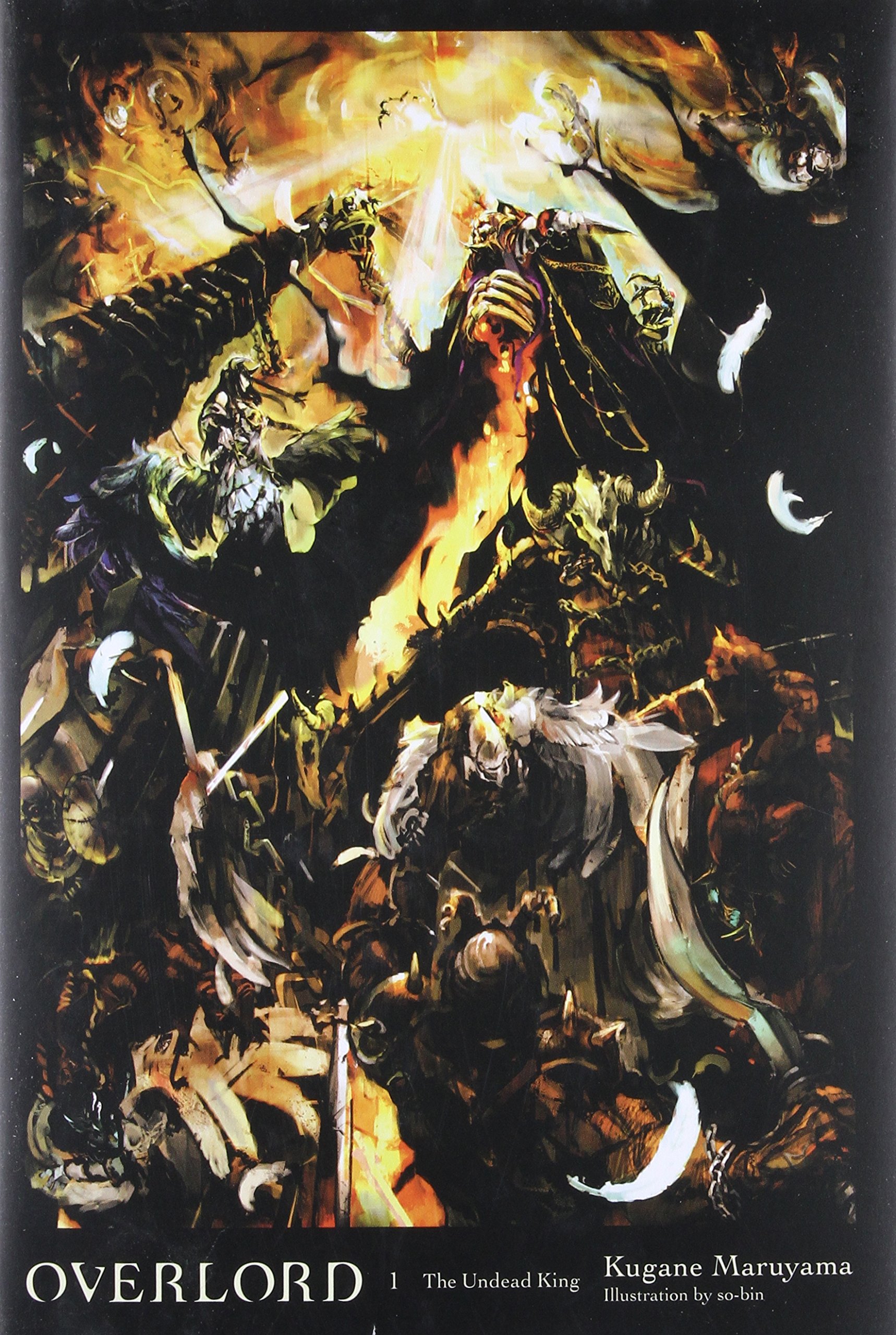
Based on these definitions, the Overlord novels by Kugane Maruyama and their adaptations (which I recommend) count as dark fantasy as well as isekai fantasy.

And finally, there’s a good chance evil can win. Bad politicians can stay in power while good ones may lose their heads. The Demon King can take over the continent and establish an empire. The witch may kill the princess and release the plague upon the land before getting slaughtered by the princess’s lover. Things may just go to shit.

Yeah, bleak. And under these parameters, series like The Witcher novels or some of my favorite isekai fantasy series from Japan, such as Overlord, The Rising of the Shield Hero, or Arifureta,* count as dark fantasy.

But given those parameters, doesn’t that make supernatural horror dark fantasy after all? Not necessarily. While some might prefer to use the term “dark fantasy” for their stories to avoid horror’s negative connotations in society, and the two genres do overlap, there are key differences. Namely, dark fantasy focuses on the monster and fantasy elements while horror uses the monster and fantasy elements.

Look at my own novel Rose, for example. The protagonist Rose Taggert is transformed into a plant/human hybrid by a magical book given to mortals by a nature god. Sounds very fantasy-esque. And if Rose was a dark fantasy story, it would follow Rose Taggert’s attempts to live a life and understand her place in the world now that she’s changed, as well as to understand this new magic dimension in the world around her. But it doesn’t. Instead, the magic is a means by which to place Rose in the power of the antagonist, Paris Kuyper. It’s a means to create the terror of not knowing how dangerous Paris is, nor knowing what he’ll do to her if she doesn’t respond to his desires as he wants her to. That’s why Rose is a fantasy-horror novel rather than a dark fantasy novel.

Similarly, Anne Rice’s Vampire Chronicles can be considered dark fantasy because they use the state of vampirism to explore psychological and philosophical truths and beliefs among the characters. If they were full-on horror, the vampires would be the means to terrify the readers. You know, like Salem’s Lot (which I need to reread, with a new adaptation on the way and all).

While some might categorize “Rose” as dark fantasy, how those fantasy elements are used distinguishes it as a horror novel.

And while we’re distinguishing between genres and subgenres, let’s talk about the difference between dark fantasy and grimdark. Grimdark is another subgenre of fantasy, characterized by apocalyptic, dystopian or hellish settings and a very bleak atmosphere, but still containing all those fantasy elements. So, what makes it different from dark fantasy, when both can contain those settings and atmosphere? According to Fantasy Book Fanatic.com, the difference is in hope:

“The concept of hope seems to be the primary differentiating factor between dark fantasy and grimdark. Hope is still able to be an integral theme in dark fantasy narratives. In contrast, the central theme of grimdark almost never entertains the possibility of hope. The central theme revolves around cynicism instead. This differentiation is vague at best, which is why many of the works of dark fantasy and grimdark are so easily confused.”

So what is dark fantasy? Well, by this definition, it is fantasy with darker or horror overtones. However, it distinguishes itself from horror by using the fantasy elements as a means to tell the story, rather than as a means to terrify the reader. Think vampires as tortured souls rather than vampires as supernatural man-eating monsters. And, unlike grimdark, there is still an element of hope in the story. Things may go to shit, but people are still allowed to hope.

My name is Rami Ungar, thank you for coming to my TED talk.

*Which, unlike the other two I just mentioned, will not appear on any of my anime recommendations lists. The anime did the original novels a poor service, which is a shame, because I devoured the first four books in a week, they’re that good. Check them out if you’re interested.


That’s all for now, my Followers of Fear. If you’re interested, I’m still taking orders for signed copies of Rose. Send an email to ramiungar@ramiungarthewriter.com for details. Or you can check it out on Amazon and Audible. And if you do check the book out, let me know what you think. In the meantime, I’ll be neck deep in Victorian England again, but I hope to put out another post very soon.

Until next time, pleasant nightmares!

Hey everyone! So, a lot of my fellow writers, especially within the horror writing community, have been posting videos of themselves reading all or parts of stories they’ve written. This is actually something I wanted to do for a long time, so seeing my colleagues doing it gave me the push I needed to finally go ahead and do it. Plus, it gave me the opportunity to make a special announcement (more on that below).

Specifically, I read from “Car Chasers,” the short story that was published in the anthology The Binge-Watching Cure II back in December. It doesn’t have an audio version, and I wouldn’t want to try with Rose on a YouTube video when the audio book’s narrator, Sara Parlier, did such a great job, so this was the perfect choice.

However, this video almost didn’t make it to the Internet. Yeah, YouTube has this stupid policy where it won’t let you upload videos longer than fifteen minutes unless you go through this whole rigmarole with them. And they didn’t tell me this until I already spent nearly three hours uploading the video. So I had to go through that process, then wait another three hours to upload and release a video. Thanks, YouTube! Ruined my evening plans! I thought you were trying to be more creator-friendly! Hmph!

Anyway, here’s the video. Please give it a watch, and stick around till the end for a special announcement.

Well, what did you think? Hope my reading voice didn’t cause your ears to bleed.

Also, if you didn’t stick around to the end, here’s the announcement: you can get a signed copy of my novel Rose from me! All you have to do is send an email to ramiungar@ramiungarthewriter.com to get the full details.

Of course, you can still get Rose from Amazon and Audible, as well as any bookstores that happen to have copies in stock (there are a few), but this would be a bit more special. And you’d get a physical copy without forcing an Amazon employee to run around the fulfillment center while Amazon ignores social distancing rules.*

And if you haven’t already, please consider getting a copy of The Binge-Watching Cure II from Claren Books. You’d be supporting a great company and encouraging them to print more anthologies. And this book has a lot of great authors in it: Nick Younker, Amanda Crum, Bill Adler, Armand Rosamalia, and many more. And every story is chilling in each its own way. I’ll include links for that down below as well.

And remember, if you buy a copy of either and read it, please leave a review so that I and the other authors know what you thought of our stories. Thanks!

That’s all for now, my Followers of Fear. Until next time, happy reading, stay safe, be healthy, and pleasant nightmares!

Rose: Amazon US, Amazon UK, Amazon Canada, Audible

The Binge-Watching Cure II: Paperback, Kindle

*Hey, I make money through them, but that doesn’t mean the company is above criticism.

Those of you who don’t follow me on my other social media platforms may not know this, but at least once a week, usually Saturday, I post links to my novel Rose. The hope is, with enough regular mentions, people will notice the book and be tempted to read the book. If they see it often, it will worm under their skin and the possibility of entertainment they’re missing out on will nag at them. Perhaps they’ll even check it out just to see if they really are missing out.

It’s a simple strategy, but it does work. Not to the point where I’m getting dozens of new readers or reviews every week, but it does get results. For example, just this past week or so, Rose received two new ratings on Goodreads. And not too long ago, Rose received a bunch of new ratings on Amazon Canada and Amazon UK. And I think these consistent ads may have played a role in all of these new ratings.

And as I write this, I wonder if these new ratings are just a fraction of the new people reading Rose. They just haven’t let me know what they think as of yet.

This is why I keep posting about Rose. I want people to find the book. Someone like Stephen King may only need to post a couple of times about their upcoming book, and they’ll have thousands of pre-orders within hours. Less well-known but very established horror authors will post regular ads just to remind people that their book is coming out or that it’s already out or that it’s been out for a while. My philosophy is that I have to do ten times the work in order to get half of what I want. What I want is to have as many people as possible read my stories. So obviously, I’ll do what I can to get people to notice Rose.

I just can’t post everyday, because it would cost way too much money or because people would get sick of seeing Rose mentioned on my timeline. Or both.

In any case, I have a feeling that all my efforts are going to pay off even more than usual. Because COVID-19 has a lot of people isolating in their homes, they’re looking for new sources of entertainment, including books. Perhaps they’ll see Rose mentioned somewhere and think, “Hmm, that might pass the time for me. I’ll give it a read.”

Not the ideal way for someone to notice my work, but there you go.

And no matter the situation, I’ll keep writing and posting about my stories, with the hope that more people will notice and maybe want to read it. With any luck, they’ll find their new favorite horror story, and I’ll have another reader interested in my next book or publication, whenever that comes out.

And if this post has got you at all interested in Rose, I’ll post the links below. Yeah, of course I would insert an ad into this post, what did you expect? Anyway, if you’re not familiar, Rose is the story of a young woman who wakes up with no memories of the past two years. Pretty quickly, her body undergoes a startling transformation, becoming a human/plant hybrid. As those around her react to her transformation, she soon realizes they’re not all they seem, leading to a desperate fight for survival.

It’s some dark, creepy shit and you can check it out by clicking on the links below. And if you do end up reading Rose, let me know what you think. Positive or negative, I love feedback from readers, and they help me out in the long run.

That’s all for now, my Followers of Fear. If, like me, you’re celebrating Passover, then Happy Passover (and next year in person). If you’re celebrating Easter this weekend, Happy Easter. And no matter what you believe or don’t believe, stay safe, be healthy, and pleasant nightmares to you all.

Rose: Available from the links below.

Rose: Amazon US, Amazon UK, Amazon Canada, Audible

The other day, I posted my thoughts on the COVID-19 virus. Among those thoughts was my desire for writers and readers alike to support authors who will be struggling during the ongoing crisis. For a lot of authors, this crisis will cut into conventions, teaching seminars, readings, and so much more that they rely on to sell their books and use their craft. The best thing we can do for those authors is to support them. This could be by buying their work, writing their reviews, anything else you can do to help them out while we’re all stuck inside and trying to protect our health.

That said, there’s an opportunity to do just that.

I’ve known Jason Stokes, owner of Gestalt Media, for about a year. He’s a writer whose work I’ve read and reviewed, but he’s also the owner of a publishing company that tries to give authors the best experience with a publisher as possible. This includes better royalty rates and more control over the creative process than you might find at another publisher. And the model’s worked so far; in the year or so they’ve been in business, Gestalt Media has acquired a number of authors, many of them horror authors, and are sending their stories into the marketplace.

Not only that, but Gestalt Media put together a charity anthology last year for victims of the Virginia Beach shooting which included the likes of Stephen King and Neil Gaiman. Yeah, not kidding, those authors let their short stories be used in the anthology, Dark Tides, to benefit victims and families of victims of that charity. You can check out the anthology’s Amazon page by clicking on this link.

Anyway, just like authors everywhere else, Gestalt Media is working hard to support its authors during this difficult time. They’re raising money on GoFundMe to ensure their authors are able to whether the storm, and they’ve already made almost ten percent of their goal. And for every dollar they make, companies like GoFundMe, Intuit and Yelp will match them. Yeah, every dollar does count here!*

Now, I know a lot of you might be struggling yourselves during this difficult time. Many of us are out of work and unable to make an income during this crisis. I understand. But if you are able to help somehow, please consider doing so.  I’m lucky enough to still be working and making enough money to meet my needs, so I was able to donate. And if I can, I want to help further, so I’m spreading the word where I can.

And if you can’t help out monetarily, maybe consider sharing the campaign on your social media. The more people who know about this,  the more people will be likely to donate. And if you can help out monetarily, great! You’ll be helping out plenty of authors.

Whatever way you can help, please do. We’re all in this together. In fact, the whole point of all these measures is to make sure we all get through the crisis together. This would only be a continuation of the communal preservation we’re engaging in.

And if you can’t help out, that’s fine too. We all have things we can and can’t do, even now.

Well, that’s all for now, Followers of Fear. I’ll include the link for the fundraiser down below. Until next time, pleasant nightmares!

Gestalt Media Creators Relief Fund

*How they were able to work that deal, I don’t know, but I’m not going to complain when they’re able to get results.

On Sunday, I posted about finishing my first short story of 2020, a science-horror story called “Primordial Nuclear Soup” (what a title, right?). I mentioned in that post I wanted to find a beta reader to take a look at the story before I edited it and tried to send it anywhere. Thankfully, I found someone very quickly who turned out to be the right sort of reader for this story. They gave me some excellent feedback on ways the story could be improved, but there’s one point that I wanted to focus on.

With “Primordial Nuclear Soup,” I was going for an ambiguous ending to the story. You know, the kind where things are left kind of open, leading to readers wondering what happened after “The End”? Yeah, apparently I confused my beta reader with that. They actually asked me if I’d cut it off early.

Now, this may have been because I simply forgot to put the words “The End” at the end of the story. But it got me thinking: when is an ambiguous ending good for a story, and when does it actually get in the way of telling the story?

As usual, when faced with a writing quandary that I can’t reason out on my own, I go to Facebook groups for writers. I got a variety of opinions on the subject, some of which felt more on the mark than others, but one response in particular resonated with me. The writer in question said that ambiguous endings work best with ambiguous stories.

What do I mean by ambiguous stories? Well, these are stories where so much is up in the air, that an ending where things are up in the air makes sense. A story with an unreliable narrator fits this description, or a story like The Haunting of Hill House, where we’re not sure if the house is really haunted and we feel the psychological strain on the characters. By the end of the latter, we’re still not sure whether the house is haunted, so an ending that still leaves us questioning what the hell just happened fits nicely.

Of course, some more “definitive” stories may benefit from an ambiguous ending, especially if it ramps up the tension. “All That You Love Will Be Carried Away,” a Stephen King short story about a traveling salesman contemplating suicide, has an ambiguous ending dependent on whether the protagonist sees a light from a farmhouse through a snowstorm.* It’s a great way to top off a story revolving around a troubled man wondering whether or not he should kill himself or live to write a book about his encounters on his travels.

As for my own story…well, it’s science horror. And science/science fiction tends to deal with exactness. Even though the Xenomorph from the pinnacle of science horror, Alien, has an unclear origin,** everything else in that film is clear as crystal. So perhaps I need to give my own story a clearer ending.

Well, we’ll see. I’ll give the story an edit before I start that essay (yes, I’m going to write it) and see what I can do with it. Hopefully, I’ll make something a magazine won’t want to throw in the trash after the first page.

A dramatic shot of “Rose” I couldn’t help but take.

Oh, and while I have your attention still, did you know today is the two-year anniversary of when I announced Rose was accepted for publication? Yeah, it happened on this day in 2017, and a lot’s happened since then. A year of edits and rewrites, the release and all the marketing, the audio book, and so much more. More and more, people have been telling me they’ve enjoyed the story, and hearing that is the most gratifying feeling ever. Makes me want to keep writing.

If you haven’t read the Kafkaesque story of a young woman turning into a plant creature (and that’s just the start of her problems), and you’d like to check it out, I’ll include the links below. And if you do read it, please let me know what you think. I love feedback, and reviews help me out in the long run.

That’s all for now, Followers of Fear. Until next time, pleasant nightmares!

Rose: Amazon US, Amazon UK, Amazon Canada, Audible

*It’s been 19 years since it first came out, so I’m not sorry I didn’t include a spoiler warning.

**I like to pretend Prometheus and Alien: Covenant never happened. They take all the mystery out of the franchise.

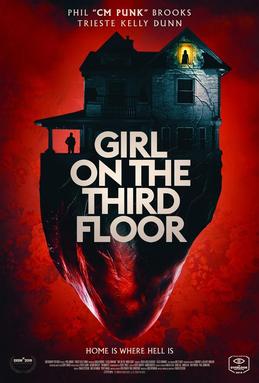
I heard about this film last year, but couldn’t see it for a couple of reasons.* I kept an eye out for news about it, but for the longest time, the only places you could watch it were on Amazon and YouTube, and for a price. And then this week it popped up on Netflix. Cue the need to watch it. Which I did this evening. And the wait was worth it.

Girl on the Third Floor stars wrestler-turned-actor CM Punk as Don Koch, an ex-lawyer with a checkered past, buys an old Victorian house in the suburbs with plans of renovating it for his pregnant wife. Problem is, not only is Don still living the party life to some degree, but his new home seems to have some interesting features. Nearly every wall has black goo pouring out of it, pipes and wall sockets leak a milky fluid that looks like a certain other well-known milky fluid, and a strange woman named Sarah keeps appearing around the property. Soon Don and his wife find out their house is way deadlier than they ever could’ve imagined.

I’m told this is director Travis Stevens’ first film, and I have to agree with critics that he’s done an excellent job. A Gothic horror story,** Stevens sets up a slow burn that’s entrancing. It’s as much a psychological horror as a supernatural horror story, following Don as he tries to make things up to his wife while still being a frat boy, and how those choices affect his stay in his new home. Combined with some bat-shit crazy supernatural occurrences, it’s pretty scary.

On top of that, the principal actors, particularly CM Punk, are great in their roles. I totally believed in his role of Don, and loved watching him see the dominoes drop due to his choices and actions. Also, Sarah Brooks as Sarah Yates has an amazing emotional range and really works as the driving force of the movie. I applaud you, Ms. Brooks!

Oh, and let’s not forget the house. The house is itself is a character, and the film does a great job in bringing that character to the fore.

If there’s one thing I could’ve done more with, I wanted more of the history of the house. We got some explanations, but I wanted more on the spirits and where they came from. There’s more to that house than meets the eye, and I feel like we only saw one layer to it.

Overall though, I’m giving Girl on the Third Floor a 4.3 out of 5. It’s a creepy slow-burn that’ll pull you in from start to finish. Get on Netflix, move inside, and be prepared to never move out again.

*Chiefly because the one theater it was playing at is right next to Ohio State, there was a home game that weekend, and you don’t want to drive near campus during a home game. Trust me, it’s the wrong kind of nightmare.

**I’m running into those all over the place. It’s interesting to compare them to Toyland.

I know the moment I press “Publish” on this post, WordPress is going to notify me that I’ve published three posts in three days, and to “keep it up!” I won’t. I can’t blog that much! What would I blog about? My chiropractor’s appointment? The weather?

Okay, onto the subject of this post. If you didn’t know, I have a small YouTube channel. And I mean small: in the eight years I’ve been uploading videos, I’ve only uploaded twenty-seven videos, most of those in the past couple of years. Obviously, I don’t have a lot of traffic on my channel.

But I try to at least update the channel when I have something to update it with. And last night, I filmed a short video letting my YouTube channel followers know that I’d finished Toyland. I also let them know what I was planning to do with the novel in the near future and my immediate writing plans.

And I waxed eloquent about my love of Brothers Drake mead. Again, not sponsored, I just love their stuff and like to celebrate big milestones with mead.

Anyway, I thought I’d post the video here on my blog to further spread the word. If you have fifteen minutes to do so, please watch it below. And if you like it, maybe leave a like and a comment. Hell, subscribe if you’re feeling crazy. Like I said, I don’t upload that much, but when I do, I think it might be entertaining and informative for people. I’ll include the link for that below, as well as links for Rose and The Binge-Watching Cure II (if you watched the video, you know why).

That’s all for now, my Followers of Fear. Until next time, pleasant nightmares!

My YouTube Channel

Rose: Amazon US, Amazon UK, Amazon Canada, Audible

The Binge-Watching Cure II: Paperback, Ebook

February is Women in Horror Month. Since women writers are a big influence on my writing–JK Rowling got me into storytelling in the first place, and Anne Rice helped pave the way for me to write darker fiction–I thought I’d recommend some stories for those who want to help support the month. You’ll see some familiar names here, but also some you may not be familiar with. Either way, I hope you’ll consider giving them a read.

Tiny Teeth by Sarah Hans. This is actually a short story by a friend and colleague of mine, but it is a scary one. Imagine a world where a virus turns children into dangerous, gnawing animals, and one woman’s experience in that world. You can find it on Pseudopod.org, a website where scary short stories are read by narrators and released as a podcast. Give it a listen. Guarantee you, it’ll be 45 minutes not wasted. Here’s the link.

Garden of Eldritch Delights by Lucy A. Snyder. This is also by a friend and colleague of mine, but it’s also a great collection of scary stories. The majority of them feature cosmic horror themes and entities, which I love, as well as intriguing characters and plots. A couple of the stories also incorporate sci-fi and fantasy themes, and feature a diverse cast, which is something I love to see. If you pick up Garden of Eldritch Delights, you will find it worth your time. Here’s the Amazon link.

The Amaranthine Books by Joleene Naylor. You’ve probably seen Joleene’s name around this blog before, but did you know she’s written an entire book series? She has, a vampire series called the Amaranthine books, and they all come highly rated. Even better, some of the books are free or under a dollar under the Kindle edition, so why not take the opportunity to read them? You can find all the Amaranthine books, and then some, on Joleene’s Amazon page.

In a Dark, Dark Wood and The Death of Mrs. Westaway by Ruth Ware. Technically, these are mysteries, but they have horror themes about them, so I’ll count them here. In a Dark, Dark Wood follows a mystery writer invited out to a bachelorette party by a friend she hasn’t seen in years, unaware of the forces conspiring against her. The Death of Mrs. Westaway stars a Tarot reader on hard times who finds out she’s received an inheritance from a grandmother she didn’t know she had, and what that inheritance entails for her. Both are terrifying and keep you on the edge of your seat with suspense. You can check out both further on the author’s Amazon page (and I need to check out more of her work).

Kept me on the edge of my seat the whole audio book.

Within These Walls and The Shuddering by Ania Ahlborn. No joke, Ania Ahlborn is one of the scariest writers I’ve ever had the pleasure to read, and I really need to read more of her work, as should you. Within These Walls follows a true crime writer as he and his daughter stay in the home of a Manson-like cult leader, and what happens while they’re there (I actually reviewed it a few years ago). The Shuddering follows a group of young adults as they go skiing at a mountain resort, only to discover the area has come under siege from a rather hungry enemy. Either one will leave you shaking in your boots! Here’s the Amazon page if you want it.

The Haunting of Hill House by Shirley Jackson. Come on, you know I had to include this. Even if I’m not a fan of this book, it’s undeniable that Jackson’s most well-known novel, and one of the most influential horror stories of the 20th century. Following a group of paranormal researchers as they explore the titular house and the effect the house has on them, this book is still a well-known classic in the genre, and some consider it required reading for fans and authors. It’s so well known, I won’t include any links for it (surprise!).

Interview with the Vampire by Anne Rice. Again, can you blame me? Whatever you think of the many sequels, it’s undeniable that Anne Rice’s debut novel has remained a classic for a reason. A journalist interviews a 200-year-old vampire named Louis, who recounts his creation in French New Orleans and his travels around the world looking for meaning and for more of his kind. It’s a haunting tale, the horror coming more from Louis’s psychological journey and despair rather than from the supernatural. As I said earlier, this novel also paved the way for my eventual turn to horror, so I can’t recommend it enough (and I’ll have to reread it someday). Again, no need for links. It’s that well-known.


What recommendations do you have for Women in Horror Month? Are you reading anything for it? Are you familiar with any of these books? What was your opinion of them?

That’s all for now, my Followers of Fear. I hope you find something good to read based on this list. I’ll be listening to The Accursed by Joyce Carol Oates this month on audio book, so maybe I’ll add it to a future list someday. I better get started soon!

Until next time, pleasant nightmares!

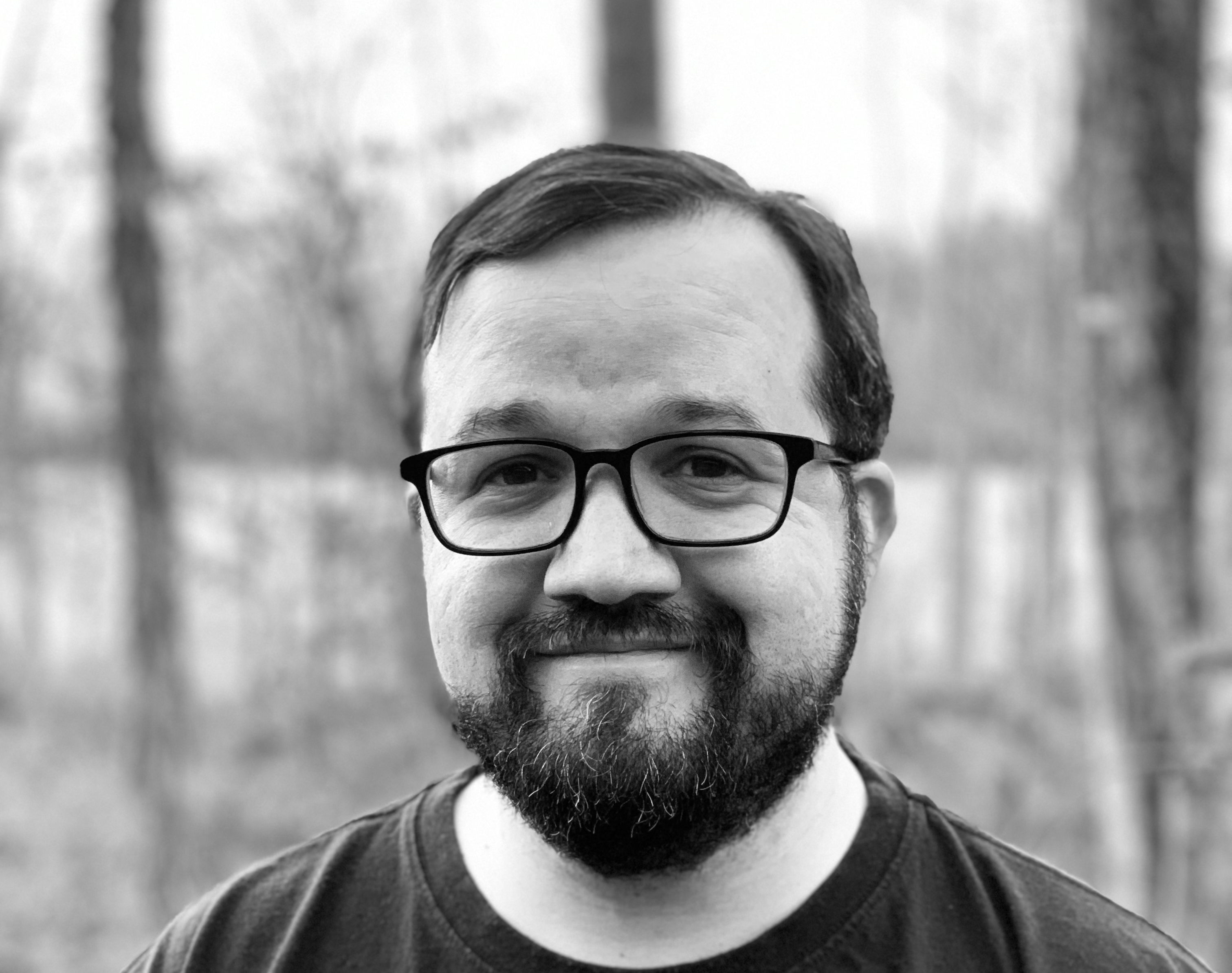
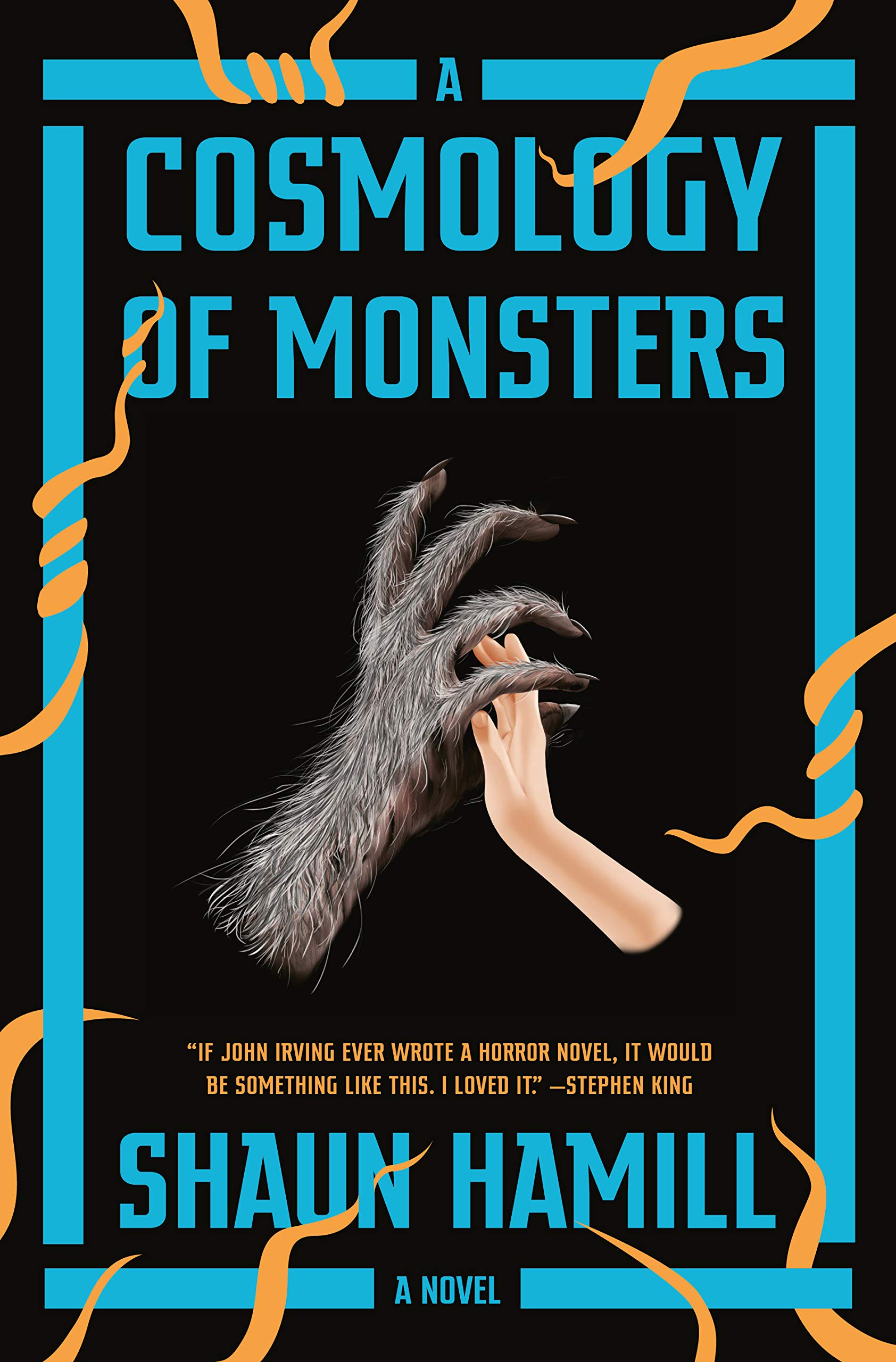
Today’s guest is an author who’s book, A Cosmology of Monsters, has been blowing up the horror scene since its release in September. I finished it last month, and found it to be an amazing read (see my review here). And I’m not the only one who liked it, because Cosmology ended up becoming a nominee for the Goodreads Choice Awards Best Horror (and yes, I am jealous). So, I’m very excited to have the author today. Hailing all the way from across the Internet, I bring you Shaun Hamill!

Rami Ungar: Welcome to the blog, Shaun. Tell everyone here a bit about yourself and about your novel, A Cosmology of Monsters.

Shaun Hamill: I grew up in the Dallas-Fort Worth Area, and got my bachelor’s in English from the University of Texas at Arlington. In my early 30s I attended the Iowa Writers’ Workshop and got my MFA. I wrote most of A Cosmology of Monsters there.

A Cosmology of Monsters is a literary horror novel about a family running a haunted house attraction in the suburbs of Fort Worth, Texas. Narrated by the youngest child, Noah, the novel tracks the family’s fortunes across 50 years, and explores the monsters—both metaphorical and literal—that haunt them. It’s a generational saga, an homage to Stephen King and H.P. Lovecraft, and most importantly, a story about the ways love can either save or damn us.

RU: How did the idea for Cosmology come into being?

SH: This novel was born out of the wreckage of a couple of projects. The first was a sprawling tragi-comic saga in the style of John Irving or Meg Wolitzer, about a family operating a youth hostel in Taos, New Mexico. The second was a short story about a married couple breaking up as they tour a haunted house attraction. Neither piece quite worked, but one day while I was walking my dog, the two ideas put themselves together and I realized that my epic family business novel should be about a haunted house, not a youth hostel. It would give me a chance to merge my taste for character-driven literary fiction with my love for the darker, more eerie tones of the horror genre. Noah’s voice came to me right away, as did Eunice’s suicide notes and the romance that opens the book. The rest of it came organically, as I followed the story where it led, exploring my characters and their ever-darkening world. I was perpetually surprised by what I found. I would never have been able to plan a book like this, and I hope some of that dark joy of discovery carries over for the reader.

RU: What was the research and writing process like for Cosmology? And what challenges did you face in writing the book?

SH: Research was a big part of the process of writing Cosmology. When I started the book I had only read a few Lovecraft stories, and I hadn’t ever worked behind the scenes of a haunted house. I read all of Lovecraft’s fiction, and also spent time reading scholarship about his life and writing. For the haunted house parts of the book I relied on my own knowledge as a patron of the attractions, and a tour of an out-of-season haunted house that I took in my late twenties. I also watched documentaries about haunted attractions, listened to podcasts, lurked on message boards, and so on.

The biggest challenge of writing this book was the revision process. My first draft weighed in at 220,000 words, and the published version is just over 100,000 (my agent insisted that the book would be tough to sell at its initial length). Figuring out which threads of story could be condensed or severed altogether took a long time, as did rewriting the entire ending to make it smaller and more meaningful to the characters. It forced me to carefully consider my characters and themes, and brought them into sharp focus by the end of the editorial process. I’m very pleased with the result, and humbled by how much better my agent and editors made my book.

RU: Haunted houses, both literal attractions and metaphorical haunted homes, are a big part of the book. Are you a fan of haunted houses yourself?

SH: I’m a big coward when it comes to haunted houses. I used to have a group of friends that I went with when I still lived in Texas, in my mid-to-late 20s, but I would never go to one by myself, and haven’t been to one since 2012 or 2013. I’ve always been fascinated by them from a distance, though. I’ve wondered about the people who work there, what it’s like to have the scenes of your life play out against such a fantastical backdrop.

RU: If you could design a haunted house attraction, what would it be like?

SH: The attraction in the book, The Wandering Dark, is exactly my idea of the sort of haunted house I would like to run. If money and practicality were no object, I would love to do a haunted hotel—something more immersive and stranger than the typical spook-a-blast attractions in the genre.

RU: Do you see yourself revisiting the world and characters of Cosmology someday in a future story?

SH: I go back and forth on this question. Some days I think it would be fun to continue the story of the Turner family, and I have done some brainstorming for a sequel. Other days I think that a sequel would lessen the impact of the book’s final pages and cheapen it. I guess I’ll wait and see if there’s a market for a sequel and then decide. Even if I never write a direct sequel, I will probably find ways to weave elements of that world into future stories.

RU: What is it about horror in general that attracts you to it?

SH: I have a melancholy outlook on life, so horror fits my disposition. I’m not attracted to the gore or violence, but rather the atmosphere of dread and dark wonder that I find in my favorite horror stories. I don’t like being terrorized. I like being creeped out. I love the idea that there is something beyond the known world, dark secrets to discover. It’s the sort of thing that Lovecraft does in his best work, as does Thomas Ligotti. I also love character-based horror, like Stephen King writes. I love stories about good people struggling against supernatural threats. It’s an effective way to illuminate the strength of the human spirit, what’s most noble and wonderful about people.

RU: Are you working on anything now? Do you have any future writing plans?

SH: I recently finished a rough (and I mean very rough) first draft of a new novel. I have an outline for another, different novel with my agent. We’re trying to decide which project to pursue first. My hope long-term is to keep doing what I’m doing now—writing books and publishing them and (hopefully) getting paid to do so. Fingers crossed COSMOLOGY won’t be the only thing I get to publish!
RU: What advice would you give to other writers, regardless of background or experience?

SH: Write a lot and read a lot. Read deeply in your own genre, but also outside of it. Join a writing group or take a writing class if you can afford it. If you’re able, get on the reading committee for a journal or prize—I learned more from reading the slush pile for Carve magazine and the Katherine Anne Porter Prize than I ever learned in a classroom or working alone at my own desk.

RU: And finally, if you were stuck on a desert island for a while and could only bring three books with you, what would you bring?

SH: Songs of a Dead Dreamer and Grimscribe by Thomas Ligotti, The Collected Stories by Lorrie Moore, and Three Novels by Stephen King (an omnibus of Carrie, ‘Salem’s Lot, and The Shining).

RU: Good choices. Thank you for joining us, Shaun. I hope we can do it again someday.

If you’d like to find out more about Shaun Hamill, you can find him on his website and on Twitter. You can also find A Cosmology of Monsters on Amazon if you’d like to read the book (which I highly recommend). And if you are an author with a book coming out soon and are possibly interested in having an interview, hit me up on ramiungar@ramiungarthewriter.com, and we’ll see what magic we can conjure.

That’s all for now, my Followers of Fear. Until next time, pleasant nightmares!