Posts Tagged ‘Gothic horror’

I did say I would announce this when we got a bit closer to November. And my intuition, which is right about eighty percent of the time when it comes to this sort of thing, says now is the time to make the announcement.

As many of you know, I’ve been planning to take part in National Novel Writing Month for the first time since college, or about seven years. For those of you who are unaware, National Novel Writing Month, or NaNoWriMo, is a yearly challenge where authors try to write a novel of fifty-thousand words or more, just under seventeen-hundred words a day. This challenge is usually held in November, though sometimes authors will attempt to do it in another month when it’s more convenient for them (in which case, it’s known as Camp NaNoWriMo). I’ve been wanting to take a crack at it again for years, but college got busy, and things never quite added up in the years 2015-2018 for me to do it.

But since last November, just a few days after finishing a novel called River of Wrath at three in the morning on October 30th, I’ve been considering it. I even picked a novel out to write about. Since around early summer, I’ve been doing light research for this story. And in a little over a month, I’l be taking a bit of time off from work so I can devote as much time as possible to writing (and maybe de-stressing a bit while I’m at home). So without further ado, let me announce my next novel, a story I like to call Toyland.

Don’t let the name fool you, Toyland isn’t whimsical or cute at all. It’s a Gothic horror novel following students at a boarding school in southern Ohio. They start noticing some weird going-ons during their fall semester. A girl with dark hair, as well as strange creatures, are seen around the school. Several odd injuries, some close to fatal, fall upon students and even faculty. There even seems to be a world within the school, one in which the laws of reality have no say whatsoever. All of it seems to trace back to a children’s book discovered in the school’s library. A children’s book called Toyland.

How’s that for a setup? Granted, there’s a good chance it’ll veer away from Gothic fiction and straight into weird territory (trust me, I outlined the whole thing back at the beginning of the summer and have done subsequent drafts since). But I tend to enjoy writing stories that stray into weird territory, so it works for me.

Anyway, I’ve just about finished up the research for the book. I’ve even watched the 1961 Disney film Babes in Toyland just so I could make a comparison between that film and the kid’s book in the story.* All that’s left is to write it. And while I doubt I’ll get anywhere near the fifty-thousand word mark (I’m many things, but not a miracle worker), I do think when the first draft done, it’ll at least be a decent first draft. Maybe something worth publishing one day.

Well, that’s all for now, my Followers of Fear. There’s a bed calling me in the next room, and I so desperately want to sink into it for a few hours. Until next time, pleasant nightmares!

Are you participating in NaNoWriMo this year? Why or why not? Whatever you’re doing, what sort of story are you writing?

*By the way, that was my first time watching that film, and I didn’t like it at all. Yeah, the setting looked spectacular and the villains and side characters were enjoyable, but the plot was really unfocused and the main characters were really boring. Hell, you can see the boredom on Annette Funicello’s face as she plays the female lead! She’s like “Oh my God, someone get me out of here so I can go make beach party movies. Anything would be better than this shiny lack-of-substance.”

Also, one or two of the songs feel kind of sexist nearly fifty years after the movie’s release. Especially the one where Annette complains about being unable to do her finances. Yeah, there’s a song like that. It’s kind of cringey.

And no, I won’t watch any of the other movie or television adaptations of the Babes in Toyland operetta. I won’t even watch the operetta! I suffered enough watching the most famous adaptation, thank you very much!
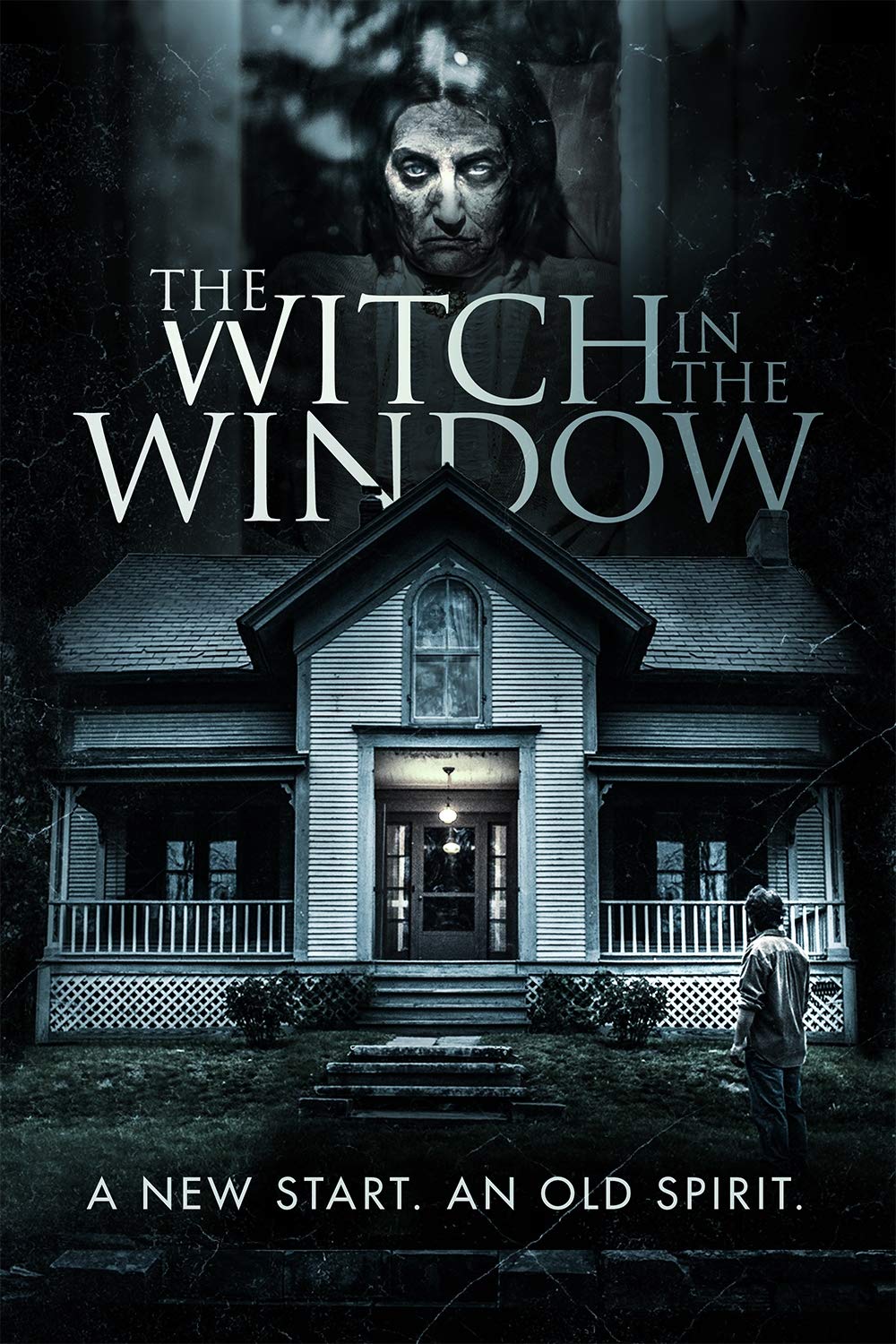
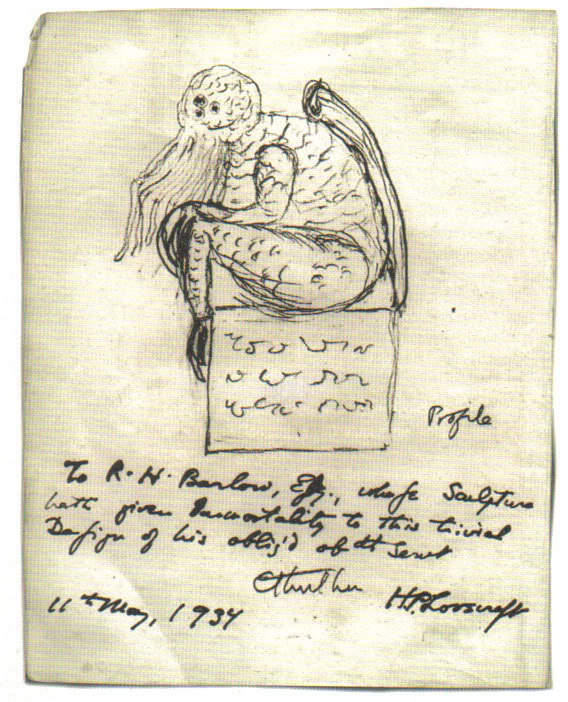
Someone on Twitter mentioned this film and I thought it sounded interesting. That’s it. I have nothing else to add, beyond the wait at the library took way longer than I expected. Oh well. Let’s get into it.

The Witch in the Window follows a man and his son who go to Vermont to flip an old farmhouse. However, they’re not long before they find out the house is already occupied. And this occupant is very intent on them staying. Whether they want to or not.

Well, this was a surprisingly decent Gothic horror film with a lot of heart.

The best part of this film is the relationship between dad Simon and his son Finn. The filmmakers could’ve gone with some generic story about a moody kid and his dad coming together through adversity, but instead we get a relationship that’s touching and feels organic. You get the sense that they see this trip as getting away from all the toxic influences in their lives and are reconnecting in a way that would make many parents and kids jealous. It’s this relationship that drives the film, and makes you want to root for the characters.

I also like the story for the most part. While there is a jump scare or two, there’s a lot more importance placed on atmosphere and disturbing imagery. There are a number of scenes that make your skin crawl, all without any cringy CGI or loud noises. One scene when Finn wakes up had me in awe because of how clever and creepy it was. Coupled with a plot that goes in unexpected directions, it makes the movie difficult to look away from. You just want to see where it goes and what will happen next.

That being said, the third act does feel rushed, which made the ending feel slightly hollow rather than psychologically terrifying but ultimately sweet. If maybe another ten to twenty minutes had been added to the film, it would’ve been much scarier and maybe the ending might have a more emotional punch.

All told, The Witch in the Window is an engaging and different kind of horror film than what we’re used to. On a scale of 1 to 5, I’m giving it a 3.8. Pop it in if you get a chance because, like the characters, you’ll be staying for a while.

Well first off, I did order a hard copy of The Complete Works of HP Lovecraft. That should arrive by Thursday. In the meantime, now that I’ve finished reading his entire body of work,* I thought I’d take a moment to list my favorite stories of his work. Why? Because A) I want to, and B) despite the overuse of 18th century language and enough racism to make me want to punch the guy, there are some good stories here worth reading. And if anyone ever wanted to try HP Lovecraft but didn’t know where to start, and if they trust my reviews at all, I think this would be helpful.

So starting from Number 8 and working our way up, let’s go over my Top 8 HP Lovecraft Stories.

#8: The Lurking Fear

You ever go hiking or driving through a mountain range at night and expect something like Jason Voorhees to pop out? I have, and it’s enough to make you really question your decision to ever set foot in those areas. Such is the force behind The Lurking Fear, about a reporter who goes into the Catskill mountains to investigate reports of monster attacks on local villages, and comes across something much more sinister. It’s a story that takes advantage of its setting and using a monster unseen to create the sense of horror. And while the twist might be slightly predictable, it still does add to the sense of horror you feel reading it. Fans of the movie The Descent should especially like this one.


#7: Pickman’s Model

Art can both exhilarate and terrify, move people to tears and to action. And in some cases, it can even haunt us forever. Pickman’s Model follows an artist who becomes friends with the titular Richard Upton Pickman, an artist whose work tends to lean more towards the horrific, and how that art seems to have an effect on both the men and their environment. This is a scary story with a fun twist at the end that shows just how the world and art can play with each other and change each other in unexpected ways.

Also, I think if anyone wanted to update the setting to a high school art club and Pickman as an angsty teen, it would make a great student film. Someone please make that happen!


#6: Cool Air

Written during Lovecraft’s brief stay in New York City and considered by some to be one of his best stories from that period, Cool Air tells the literally chilling tale of a young man who becomes friends with a doctor living in the apartment above him who always keeps his apartment cold. The twist at the end of this story is also kind of predictable, but it’s got a great atmosphere and is engaging from beginning to end. Plus it’s one of the few times Lovecraft depicts non-white people in a positive light, which makes it worthy of a read in and of itself. Remember to read with a warm blanket handy.

The Colour out of Space

#5: The Colour out of Space

One of Lovecraft’s most memorable and beloved stories, this story about a crashed meteor and the strange colorful substance inside it that affects a farming family that can’t leave their old homestead has terrified generations of readers. It’s especially memorable for the unsettling atmosphere it creates and for being a great early example of the sub-genre of science-horror. I’d consider it perfect reading for Halloween and you’re in the mood for something creeping, agoraphobia-inducing, and just slightly weird.


#4: The Temple

This early Lovecraft story isn’t as well-known as some of his other works, but it’s a favorite of mine. When a WWI German submarine sinks a British sub, they start experiencing strange phenomena that slowly drives the crew members to the brink of sanity, as well as a place only seen in nightmares. Claustrophobic and full of just enough strange elements to make you feel very creeped out by the inexplicable nature of it all, it tends to stick in your mind once you read it. I hope someday there’s a big budget adaptation of the story, or even a small budget that maximizes atmosphere without excessive CGI. That would be the shit!

Or maybe it would just be shit, but I can dream, can’t I?


#3: The Call of Cthulhu

I bet many of you were wondering where this one would be on the list. The most famous of his stories and the one where the entity Lovecraft’s mythos is named after, it follows a professor who becomes aware of a dangerous, worldwide cult while going through his late uncle’s effects. Weaving its story slowly to make you really consider that this cult and its horrible god may not only be dangerous but very real, it’s endured for a reason. I would recommend this one to anyone looking to get the essence of Lovecraft in one story, as well as to check out the silent film adaptation from 2005, modeled to look out it came out around the same time as the story was published (though much better than your average silent film).

And remember, Ph’nglui mglaw’nafh Cthulhu R’lyeh wgah-nagl fhtagn.

Spelled that correctly the first time around! Yeah baby!

Shunned House

#2: Shunned House

This Gothic horror story follows two professors who investigate a house where every previous occupant has come to an unfortunate end and discover a terrible entity within. While not as well known as his more cosmic-horror works, this story absolutely entranced and terrified me while on a car ride home from Detroit in the summer of 2016. Blending a setting whose rot you can practically smell with a welcome twist on an old monster (let’s just say, no sparkling here), Shunned House used to be my favorite story prior to the #1 choice, and I would recommend it to any horror fan out there.

Also, I have an idea for a ballet based on this story. Yes, you’ve read that right, a ballet. And I would help in any way I can to bring that to life. BalletMet (or any other ballet company) email me. Let’s talk and make it happen.


#1: The Shadow over Innsmouth

I only read this story last week, but it immediately became my favorite of his work. A young man makes a side trip to a small fishing village in New England, and discovers that the strange townsfolk all share a terrible secret. Gothic, unnerving and with more action than your average Lovecraft story, it’s a great story about how the desire for prosperity can lead to damning consequences for both you and your descendants. If you want Lovecraft at his best, this is the story I’d recommend above all others. Definitely check it out.


That’s my top 8 Lovecraft stories. And while, as I’ve said before, his works don’t really age that well, there’s plenty to pick up from these stories for even causal horror fans. And if you do, I hope you–holy crap, a portal from another world just opened up in my apartment. Excuse me while I go greet an entity from another universe and keep it from either eating all of humanity or impregnating everyone in my apartment building, I’m not sure which (I’m a little rusty on this universe’s language).

Until next time my Followers of Fear, pleasant nightmares!

Have you read any of these stories? What did you think? What others would you put on this list?

*Well, the official canon, anyway. Lovecraft also did a lot of ghost-writing and collaborations that aren’t normally included in collections of his work. Considering Through the Gates of the Silver Key is one of them, I can see why.

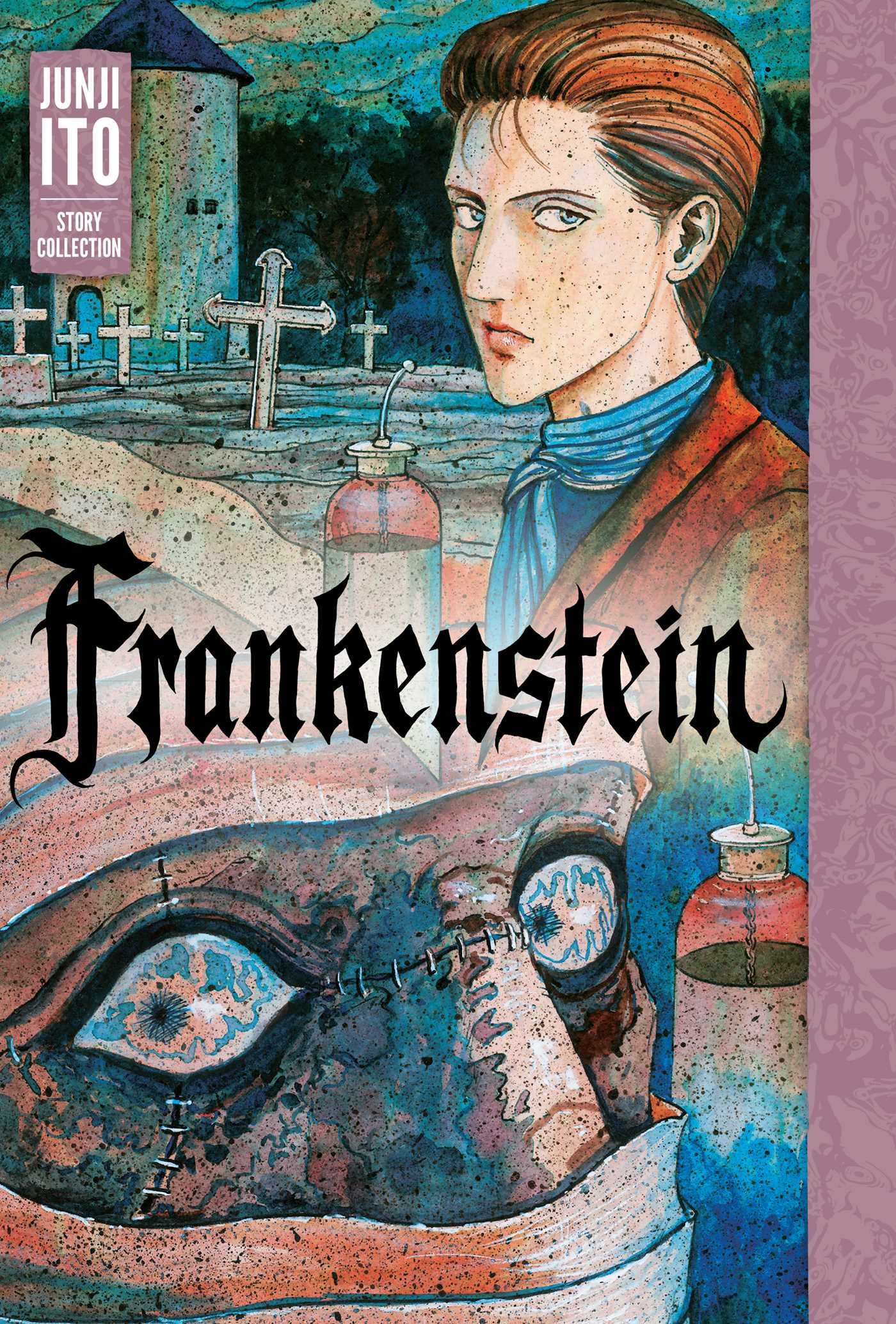
If you’ve been with me a while, you remember a few years ago I read this awesome horror manga called Uzumaki by Junji Ito (and if you don’t or weren’t around then, here’s the link) Since then I managed to get my hands on the movie adaptation of Uzumaki (you can read that review here), read plenty more of his works (his stories can be hit or miss, but generally I like them), and watched a couple episodes of an anime adaptation of his various short stories (which, by the way, sucked. I didn’t even bother to review it, it was sooo bad). And most recently, Ito’s adaptation of Mary Shelley’s Frankenstein was released in the United States, along with eight previously untranslated short stories, six of which are interconnected. All in one big volume.

How could I not read and review that?

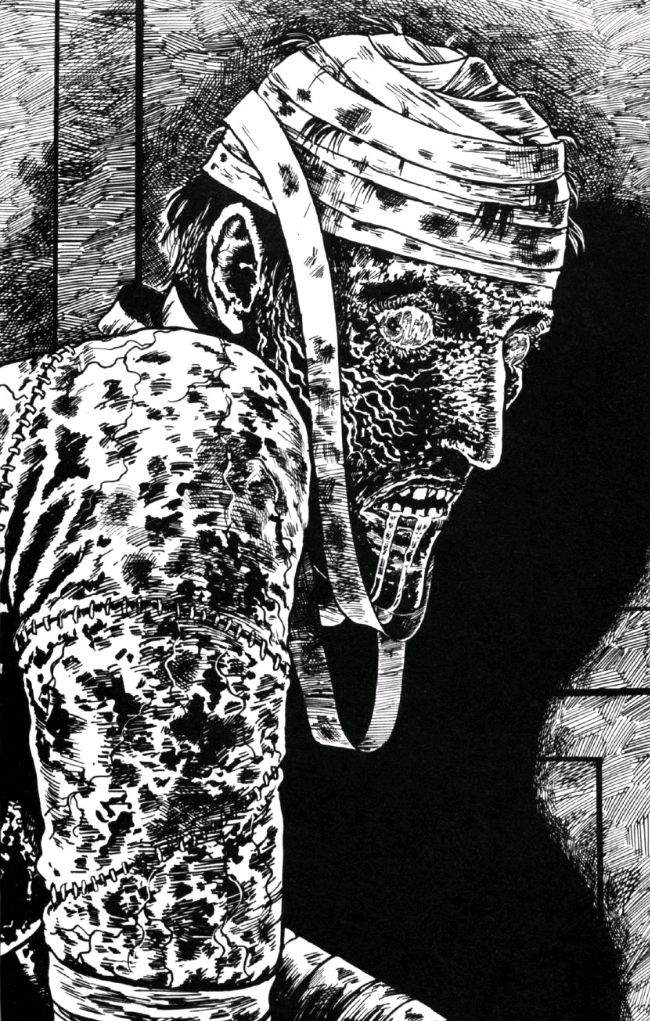
Obviously Frankenstein is based on Mary Shelley’s 1818 novel, the tale of one scientist’s journey to create a living being through science and the disastrous series of events that follows, along with elements from some of the movie adaptations out there.* And honestly, Ito’s art is perfect for this story. I’ve heard he spends upwards of ten hours on illustrating a single page or frame, using ink and shadow, as well as his disinterest in making his art pretty or visually appealing in the normal sense of the phrase. I mean, look at the reveal of the Monster.

Um, yikes!

Seriously, this guy has to do more Gothic horror. His style is a natural for it. And it’s a natural fit here, really allowing you to feel the horror that early audiences felt of the original novel, especially in bringing the monster to life. There’s also some decent changes from the original text in order to make the story more compelling for the style of manga, such as when it comes to the creation of the Monster’s Bride.

Still, there are some things that could’ve been improved. A couple of Ito’s changes do make the story a bit slower near the end, and the translated text might be a little too close to the actual novel for a modern audience (if I wanted old-timey speak like that, I’d read Lovecraft). And honestly, I would’ve liked to see Ito take more liberties with the story, make it his own. His stories can be really unnerving, and I’d love to see him bring more of his style to the Frankenstein story.

The short stories added to bulk up the book (because of course they are) are decent, for the most part. Six of them follow Toru Oshikiri, a teenager living in a giant mansion by himself who starts to have a strange series of experiences, gradually leading to him making a shocking discovery about his home. Some of these stories work really well, but sometimes the build-up in them seems to lead to a letdown.

The real problems though are the unconnected stories. They don’t really add anything, and one of them is definitely from the bottom of Ito’s portfolio.

By itself, I give Ito’s adaptation of Frankenstein a 4 out of 5. If you want a really creepy visual adaptation of the original Frankenstein story, this is definitely worth a read. With the addition of the other stories, I’d give it a 3.5. Not what I’d recommend for anyone coming to Ito’s work for the first time (for that, I’d point to Uzumaki or his collection Shiver, which came out in December 2017), but for anyone familiar with his work already, this collection is probably worth checking out.

Speaking of which, Ito’s got another collection, Smashed, coming out in April. I might have to check that one out and give that a review as well. Hopefully his stories Hellstar Remina and The Bully are included. I hear those are reeeeally freaky.

That’s all for now, my Followers of Fear. If I don’t post anything within the next couple of days, then I’d like to wish you a Merry Christmas, Happy Holidays, and Happy New Year. May Cthulhu bless us, every one (because of course I would go there). Until next time, pleasant nightmares!

*Highly recommend the 1994 adaptation with Kenneth Branagh. It’s not just the most faithful adaptation of the original novel, it’s got the best “bringing-the-monster-to-life” scene I’ve ever seen.

You know, sometimes you come across movies in the weirdest ways. Sometimes they’re just on while flipping channels, or someone makes a reference to it and you want to know the interest. I heard about Down a Dark Hall because I heard AnnaSophia Robb (aka the kid from Because of Winn-Dixie) was in it. I remember she used to slay in anything I saw her in (especially The Reaping, another horror film she was in), and the fact that this was a horror film got me interested. I asked my local library to order it, they said yes, and I picked it up this weekend, not sure what I was going to get but looking forward to finding out.

This turned out to be a decent example of modern Gothic horror.

Based on the Gothic YA novel by Lois Duncan, Down a Dark Hall follows Kit, a troubled teenager whose mother sends her to an elite academy with the hopes of straightening her out. There with only four other similarly-troubled girls, Kit finds that the school’s very unique and focused program starts to have results. Weird results. Results that devolve into obsession, addiction, neurosis and trauma. On top of that, Kit has been seeing things in the hallways and in the dark. Faces, people, movement. All this collides to lead Kit to a terrifying realization about the school, and what its staff is doing to the students.

For starters, the actors in this film all do a very good job in their roles. AnnaSophia Robb as Kit slays again, inhabiting this very angry girl who slowly finds herself actually liking the school and then distrusting it as things get weird like a second skin or as if she’s done this a hundred times before. The same goes for Victoria Moroles as Veronica, who hides her own tragedies in a badass attitude. And Uma Thurman does a great job as the aristocratic and charismatic Madame Duret.

The film’s story is also very compelling. It checks all four of the boxes I mention in my article on Gothic fiction, all in a very pretty set, and you definitely find yourself caught up in the mystery of the story. Some of the most disturbing moments of the film are when you see these girls falling under the spell of the school, becoming obsessed with math or music or painting or whatever and how badly it affects them. And the special effects aren’t half bad either, more subtle than garish or distracting.

However, the film isn’t without its issues. I never felt very scared, and there wasn’t much of an atmosphere or sense of threat. Outside of the moments of obsession, that is. In addition, a few things in the film felt a little extraneous. There was a certain bald-headed and scarred ghost that really didn’t serve any purpose beyond a few extra scares, and the romantic tension between Kit and her music teacher was inserted, but nothing was really done with it. Seriously, the question of how to portray those relationships in fiction aside, either use it or cut it out and just show them as close student and teacher!

Finally, I also thought that the ending was wrapped up in too sweet a bow and maybe a few minutes too long. In some ways, it felt a little too hopeful compared to the rest of the film, which jars the viewer and takes away from the experience.

Still, Down a Dark Hall was a good Gothic horror film. On a scale of 1 to 5, I’m giving it a 3.8. It’s no Kill Creek (which I highly recommend by the way, check out my review as to why), but if you turn off the lights in your living room and put this on the Blu-Ray player, you probably won’t regret it. Check it out and see for yourself.

Saturday night usually means popcorn and a movie for me. This evening I decided to check out the new Netflix movie Malevolent. I figured it would be a good way to round out a day busy with cleaning, grocery shopping, home decor projects, and sacrificing teenagers* to an ancient deity so I could set in motion a series of terrifying events unlike the world has ever seen before this October.

Malevolent is set in 1986 Scotland and follows Angela, a university student who, along with her brother, fakes being a medium in order to make money for her brother’s debts. When they get called to an old manor that was the sight of several grisly murders however, they start finding that the afterlife they’d conned people over is very much alive, and can be very…well, malevolent.

This film’s got a decent, if rather overcrowded, first half. It sets up Angela’s worries about her life and her mental health, due to her mother committing suicide. It shows her brother Jackson as an opportunistic asshole who’s willing to take advantage of anyone just to pay off his loan sharks. And it sets up a decent Gothic location for the main action of the film. There’s also some good jump scares and a creepy atmosphere at times during this half. The best part is probably during the initial walkthrough of the house, when Angela is starting to realize this house may really be haunted. It’s visually powerful and puts you on edge.

However, the second half has a lot of problems. For one thing, it feels pretty rushed. Usually there’s a slow build up to the climax, but in this film it just goes from zero to sixty, and not in a good way. If they maybe added twenty minutes to half an hour more, I wouldn’t feel so whiplashed. Also, the tone during the second half is a little inconsistent. Like it can’t decide if it wants to be a Gothic ghost story or a thriller story about serial killers. Along with a twist introduced in the last twenty minutes that seems more shoved in than clever, it just takes me really out of the film.

Also, why was this film set in the 1980s? I know that’s like the popular trend these days, to put your story in the 1980s, but there’s no reason at all to do it in this film like in Stranger Things or another 80s-set show or movie. You could do this in the present, and you’d get the same effect. In fact, I think it might be better if it were set in the present. It would feel less gimmicky if they used GoPros instead of big, bulky video cameras.

Overall, Malevolent can’t capitalize on the interesting setup it promises. On a scale of 1 to 5, I’m going to give this film a 2.5. Frankly Followers of Fear, there are better Netflix horror films to peruse. I suggest you go and find some if you want some pleasant nightmares.

*Don’t worry, the teenagers were unharmed. The sacrifices were symbolic. The deity, however, was very much real. I’ve got a bandage on my left thumb as proof.

Funny story: yesterday at work I told a coworker what the film was about, as she hadn’t heard of it before. When she heard the plot, she said, “That sounds creepy!” I told her that it was based on a true story. She looked at me in all seriousness and said, “Really?” I told her no, and we both laughed that for a hot second, she believed it. She was the only person I did that bit on yesterday who fell for it, but it was worth it.

Hell Fest follows Natalie, a college student who goes with her friends and a potential boyfriend to HellF est, a traveling horror-themed amusement park complete with scary mazes, rides, actors in scary costumes, and grotesque toys. Basically a traveling Disneyland for horror fans, and I so wish that was a real thing so I could go to it! Unfortunately, there’s a masked serial killer in the park, and he sets his sights on Natalie, stalking her around the park. But when everything is meant to scare you, where is the line between what’s for fun and what’s all too real.

So, the story is pretty straightforward for a slasher film of this type. You got a bunch of one-trait characters who are out for a night of fun, there’s a killer out there stalking them. Surprisingly, the level of blood and gore is pretty tame for this sort of movie, and the characters don’t do as much dumb stuff as they might have done if this movie had been made in the 80s or 90s. My favorite character had to have been Taylor, played by the incomparable Bex Taylor-Klaus of the Scream TV series (if there’s a horror movie with her in it, there’s a good chance I will see it). Taylor was pretty much an exaggerated, female version of me: horror-obsessed, very funny, plenty of social awkwardness to go around. I honestly would love to hang out with this character.

The best thing with this movie is definitely the costumes. Not just the killer’s mask, which is effective in a minimalist way, but the costumes of Hell Fest’s “actors:” the people hired to wear creepy costumes and go around scaring people. You could see how much work they put into each individual outfit to make them scary, or barf out slime, or whatever floats your fancy. They must have had costumers who worked in actual haunted attractions work for this movie, they’re that good.

Sadly, Hell Fest does have a few problems. For one thing, while the sets are creative and do look like they belong to an actual horror Disneyland called Hell Fest, they don’t seem to take it far enough. When you hear Hell Fest, you think something like the Nine Circles of Hell out of Dante’s Inferno, mixed with every Gothic story ever and every season of American Horror Story ramped up to eleven. The sets should make fear leap off the screen, and there’s none of this. Most of the mazes do look rather creepy, but others just have too much neon and not enough scary stuff. The Hell-themed maze in particular was disappointing, as it’s supposed to be “the scariest maze in the park.” And in-between the mazes, you might as well just be in a state fairground or at a national park trail done up for October.

I don’t know, maybe it’s the fact that it’s on a screen and I’m not there in person that’s the problem, but it’s not what I’d expect of a movie called Hell Fest.

Another issue is that for the first third of the film, it’s just not that scary. Even once you get to Hell Fest, it’s more colorful than terrifying. After the first maze or so, a horror movie atmosphere does crop up, complete with tense sequences and a few decent jump scares, but it’s not as strong as it could be. And in a film about a horror theme park, that’s just not good enough.

On a scale of 1 to 5, I’m giving Hell Fest a 3 out of 5. It’s a movie that works on paper, and it has colorful costumes and a few good sets, but leaves much to be desired.

Still, I’d take Hell Fest over the Friday the 13th remake any day. At least it remembered to be a horror film, rather than a raunchy comedy that Jason happened to stumble into. That’s right, I found a way to trash that shit film out of Michael Bay’s ass again! And I won’t stop until I either get a better or a worse Friday the 13th film.

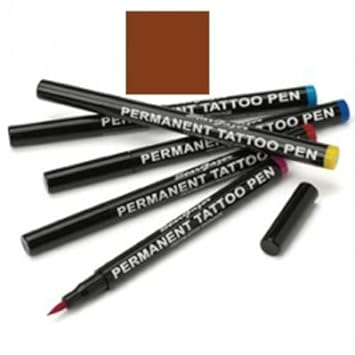
The other day, I was talking with someone about what sort of tattoo I’d get if I were the type to get one.* This is a topic I’ve thought of a lot in my twenty-five years, and I think I’ve figured out what I would get. As I explained to my friend, it would be a representation of the horror genre, how the various causes of horror in fiction–like demonic entities, the prospect of death, and of course human beings, among others–have a detrimental effect on us. “It’s corruption of the innocent,” I explained. “The very essence of horror.”

And then I realized something: corruption of the innocence is an essential part, if not the essence, of horror. And it can be found in every horror story, if you think about it. I knew it was part of Gothic horror, as I mentioned it in my post about what makes Gothic horror. But beyond that subgenre? Hadn’t even considered it.

I could have hit myself for not realizing that sooner. It was staring me right in the face, goddammit!

As I said above, I mentioned how corruption of the innocent is an element of Gothic fiction, and we see this in Gothic stories like The Shining. Danny sees the world go from a mostly-nice place where bad luck sometimes causes disaster for good people to a dark place where entities like The Overlook exist and kill people or drive them mad. Said entity also tries to corrupt Danny’s shine, to make that beautiful psychic power part of its own dark self.

Innocence corrupted.

However, this concept is found in other horror stories. HP Lovecraft incorporated it into his work quite often. In The Call of Cthulhu, his most famous work, the narrator starts out as being very sure that the world is a concrete place of science and rationality. However, after going through his late uncle’s effects, he realizes that there’s something awful in this world, a worldwide cult devoted to the bloody worship of an awful god that will one day rise to retake the Earth. And not only did this cult kill the narrator’s uncle, its agents will likely kill the narrator, driven close to madness with fear, before long.

Innocence corrupted.

This story is a great example of corruption of the innocent at work without being part of the Gothic genre.

And sometimes the innocence being ruined here isn’t your traditional childlike innocence. Sometimes it’s as simple as just having your worldview changed. Two early Stephen King stories, “The Mangler” and “Battleground,” revolve around hardened men discovering the world can involve the supernatural or just plain weird (in this case, a possessed dry-cleaning machine and toy soldiers that come to life to kill you). As I said, nothing dramatic. Just a shift in viewpoint.

Innocence corrupted.

Even when it’s so ubiquitous though, I don’t think corruption of the innocent is the essence of horror, as I characterized above. Or at least, the only essence of horror. After all, we can’t forget about fear, which is what horror plays on and seeks to create. Without that fear, you just don’t have a good horror story. Perhaps then, like fear or a powerful antagonist, corruption of the innocent is something necessary to writing horror. Without it, the genre would be missing something that cannot be done without.

So while not exactly the full essence of horror, corruption of the innocent is important to the genre. You could even say it’s wrapped up in the essence of horror. And I’m glad I finally realized after such a long time that it was.

Hopefully it makes writing decent horror stories easier.

What do you think of corruption of the innocent as part of horror? Do you think I’m onto something?

Do you think I should get a tattoo? Would you like to see this design of mine realized? Do you know how any artists who could help me create it?

*For the record, I’m tempted, but my religious beliefs aren’t fond of me getting one. And I’m not sure I want something so permanent on my body, anyway. Especially if I have to pay a ton of money for what I’m looking for. Still fun to think about, though.

Also, I want it on my back. Best place to get it, in my personal opinion.

Hill House is a great example of Gothic fiction and a Gothic location.

You’ve probably heard someone describe a work of fiction as being “a very Gothic work,” or describing a place they visited as “having a Gothic feel” (which now that I think about it, could be said of The Lizzie Borden Bed & Breakfast). But what actually is “Gothic horror” or “Gothic fiction?” And why does it still appeal to us after more than two-hundred and fifty years?

Surprisingly, Gothic fiction has very little to do with Gothic architecture or with Goth fashion and music (for more on that relationship, check out this brief YouTube video). And while most of the genre do take place in haunted houses, not all haunted house stories are Gothic, or vice versa. As this very helpful Tor.com article points out, “Some genres build the house. Others come along and decorate it. Gothic horror is a very decorative genre.”

So what is Gothic fiction? Well, to be honest, it’s a genre that arose out of another genre that was a response to a popular movement. In the 18th century, the Enlightenment movement emphasized discarding superstition in favor of science and reason. Some artists didn’t care for this philosophy and turned to Romanticism, which emphasized emotion and the self, as well as a veneration of the past, nature, and in some cases the supernatural. Gothic arose out of Romanticism, with artists and authors combining elements of the latter with horror, death and the supernatural, starting with The Castle of Otranto in 1764 by Horace Walpole, and followed by the works of Poe, Mary Shelley, Byron, and many others.

To put it simply, Gothic fiction could be considered the love-child of 18th and 19th century Romance stories and horror stories.

But that’s how Gothic fiction came to be. How do we identify it? Well, the horror novel Kill Creek by Scott Thomas (which I highly recommend), itself a Gothic novel, gives a great run-down of some of the common elements of the genre (I hope Mr. Thomas doesn’t mind me using them):

  • Emanation from a single location. The source of the evil is often a single location, usually a house. A great example of this is The Overlook Hotel from The Shining. It is the book’s main location, and it is the source of the evil in the story.
  • A sense of forbidden history. There’s a dark history associated with the location or something related to it. Again, a great example is The Overlook, which has been the setting for murders, suicides, and all sorts of horrid deaths and events, all of which have been swept under the rug for the sake of the hotel’s reputation, and later gets drudged up by Jack (and the hotel).
  • An atmosphere of decay or ruin. Things are rotting or falling apart, or seems to be anyway. It’s in the very air, almost. And it doesn’t have to be physical; it can be mental too. Just look at Jack’s mental state as The Shining progresses, if you need an example.
  • Corruption of the innocent. This one speaks for itself. The evil wants to destroy good and innocence and replace it with evil. Dracula, a great example of Gothic fiction, has the titular character turning good and innocent people into bloodsucking vampires. This is corruption of the innocent in its best example, and why vampire fiction is often grouped with Gothic fiction (did you expect another Shining reference?).

Dracula is another great example of Gothic literature, even if it’s not confined to a single location.

But those features aren’t universal among Gothic stories. They’re common features, but not there in every one (Dracula doesn’t just kill in one single place, after all). So what else makes a Gothic story? Well, there’s something I’ve noticed about Gothic stories: along with the atmosphere of decay, there’s also a veneration towards the darkness and to beauty. Remember, Gothic fiction rose from Romanticism, which venerates nature, emotion and beauty. So while we’re feeling an atmosphere of terror, there’s also this sense that the author has a respect and love of the darker elements along with the Romantic ones.

Of course, this is just scratching the surface of what constitutes Gothic, and I could go on for days on the subject if you let me. The best summary I can do for this post is to say that Gothic fiction are horror stories with a particular group of tropes, a veneration of darkness and horror, and Romantic appreciation for aesthetic and the fantastic world. And even that feels incomplete.

So what appeals to us about Gothic fiction, and has allowed it to survive and evolve whereas other niche genres like Westerns went out of style in less than sixty years? Well, there’s no easy answer there either. The Tor article says that the rules and expectations of the genre can be learned and make it appealing to readers. I’ve heard some people say good Gothic horror has an atmosphere unlike other genres, and that keeps them coming back. My opinion is that, in addition to those theories, Gothic can evolve because its main tropes are relevant no matter what age we’re in, especially the houses. But on a deeper level than that, most Gothic literature takes the childhood idea of home, a big place we feel safe in, and turns it inside out into a giant house of fear that is still somewhat beautiful and appealing. That is a strange inversion that can be attractive to readers, and may explain why we keep writing and reading Gothic stories over two-hundred and fifty years after Walpole started the genre.

However you define Gothic fiction or whatever its appeal is, there’s no doubt that it is a popular and influential genre that we’ve all experienced at lest once in our lives and remember. And perhaps by understanding it better, we can keep Gothic horror going for many more years to come. And I certainly wouldn’t mind that.

What elements of Gothic fiction did I miss here? What about it appeals to you?

What Gothic stories would you recommend for anyone interested in the genre?

I discovered this novel, which came out on Halloween last year, on Audible as an audio book while looking for my next listen/read. It sounded interesting, and nothing else I was finding in the catalog was really grabbing my attention, so I decided to listen to it. I’m really happy I made the decision to do so: this is probably one of the best scary stories and one of the best novels I’ve come across in a while.

Kill Creek follows four famous horror novelists: Sam McGarver, a writer with a past who’s struggling to start his fifth book; TC Moore, an abrasive novelist who likes to explore the blurring of pain and pleasure in her stories; Daniel Slaughter, a religious man who writes Christian horror fiction aimed at teens; and Sebastian Cole, a veteran horror writer who’s considered the King of Modern Horror. They’re invited to Kill Creek, a house in the middle of rural Kansas that’s considered one of the most haunted houses in America, for a Halloween publicity event. This results in the awakening of a powerful entity, one with plans for the authors. Plans that will not only jeopardize their sanity, but their very lives.

I loved this story. For one thing, the book’s language. Thomas doesn’t spend time floating around with flowery language or writing confusing passages. Every word is there because it’s meant to be, which keeps the reader (or listener) invested in the story. I never once felt lost, wondering what the heck just happened or thinking that this or that word or paragraph was unnecessary. And that also helps create the unsettling atmosphere: when they’re at the house, you feel like you’re there with the characters, and you’re feeling every uneasy feeling they’re feeling. For horror fanatics, that’s a great feeling.

I also like how the story is unpredictable. Plenty of times I was sure that I knew where the story was going to go, only to be proven wrong a chapter later. And I’m the guy who prides himself on being able to predict where movies are going to go couldn’t predict each twist or the change of direction the story goes, so that says something about how well-written and unique this story is. The story itself is even a cool and clever twist on the haunted house trope!

But my favorite part was the main characters. They all felt like real people, and we’re given enough time with each of them to reveal their hidden depths. My favorite character of the bunch was TC Moore. My God, was she entertaining! I always looked forward to the narration switching to her perspective, when she would swear like a sailor and just eviscerate anyone who rubbed her the wrong way (which was everyone). I doubt I’d get along with her if she was a real person, but as a character, you just have to love her (kind of like Sheldon Cooper, but even harder to get along with).

And by the way, I count the house as a character. And it is a freaky character, let’s leave it at that.

On the whole, I only had two real problem with the story: one was there’s a minor character who appeared in the story for maybe two or three pages. Honestly, you could’ve kept them entirely off-stage, mentioned only in flashbacks or in exposition, and I would’ve been fine. They really didn’t add anything when they were in the story. The second is that there’s a scene in the first half of the book that I felt was kind of gratuitous and unnecessary. It could have been left out and the novel would’ve been fine.

Other than that, I absolutely loved the story, and I’m glad I took a chance on it.

Kill Creek by Scott Thomas is a wonderful example of modern Gothic horror. On a scale of 1 to 5, I’m giving it a 4.5. A great debut novel from an author I hope to read more from in the future. Check it out and get lost in the madness.

And if you get it in audio book, you’re in for a treat. Bernard Setaro Clark is a great narrator who gives each character their own particular sound and whose voice goes great with the book’s language.