Posts Tagged ‘writing’

So just a quick update on the Q&A next month for Rose‘s one-year publishing anniversary (as if you couldn’t tell from the title of this post). If you live in the United States or the United Kingdom and you send in a question, you could be eligible for a download code for the Rose audio book! That’s right, you could win an audio book download code!

What do you have to do? Just send an email with the following information to ramiungar@ramiungarthewriter.com:

  • Your name
  • Where you’re from
  • Your question

Send this in by June 17th at noon and you’ll be entered for a download code. Plus your question will show up in the video!

Anyway, just wanted to let you know. This turned out to be a very short blog post. Until next time, pleasant nightmares!

My, how time flies. In about a month, we’ll be celebrating the one-year anniversary of the publication of Rose, my first novel with a publisher. And since it’s a rather special milestone, I’m doing something special to mark the occasion. More on that below.

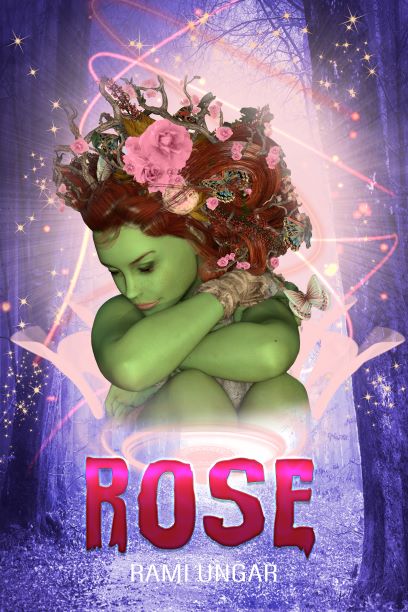
But first, if you’re unfamiliar (in which case you’re probably new to this blog, so hello! Welcome to Rami Ungar the Writer), Rose is a fantasy-horror novel published on June 21st, 2019 by Castrum Press. The novel follows Rose Taggert, a young woman who wakes up in a greenhouse with no memory of how she got there or why, let alone the last two years. However, her problems only compound from there, as her body undergoes a terrifying transformation, turning her into a plant/human hybrid. While those in her life react to the change, she finds out that some of them aren’t all they seem to be, leading to a desperate fight for survival.

And in the year since this novel came out, it’s gotten some wonderful feedback and a couple of devoted fans, which has really made my day. And since the one-year anniversary of its publication is coming up, I thought I would do something special to mark the occasion. What will it be? Why, it’ll be a special Q&A on YouTube! If you have any questions about Rose, about writing, about my plans for the future, you can send them to me and I’ll answer them on YouTube.

Here’s what you gotta do. Just send an email to ramiungar@ramiungarthewriter.com with the subject Rose Question and the following information:

  • Name
  • Where you’re from
  • Your question

Seems simple enough, right? And if you get your question in before June 17th, 2020 at 12:00 PM, it may end up being answered in the video (as you can probably guess, I may reject questions if I feel they are inappropriate for one reason or another). I look forward to reading your questions.

And if you’re interested, I‘m still taking orders for signed copies of Rose. Send an email to ramiungar@ramiungarthewriter.com to place an order. Of course, you can still get a copy from Amazon in paperback and ebook, and from Audible in audio book form. Links will be listed below.

I look forward to getting all your questions, my Followers of Fear. Until next time, pleasant nightmares!

Rose: Amazon US, Amazon UK, Amazon Canada, Audible

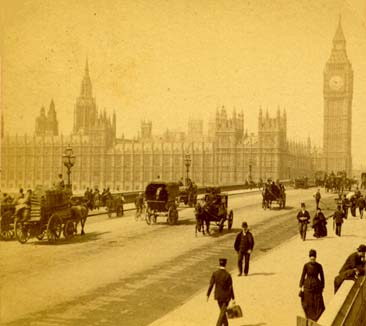
London Bridge and Parliament in the 1890s, right around the time this story is taking place.

Evening! Or is it morning? I’m not sure, it’s a late-night writing binge and time becomes meaningless after one of those. Anyway, as you can tell from the title of this post, I’m halfway through this super-important story set in my beloved Victorian England that I’ve been hinting and mentioning for God knows how long. And now I’m halfway through the damn thing, I think it’s time I talked a bit about it.

So, first let me tell you what this story is called. After a lot of deliberation and one or two placeholder titles, I’m calling this story The Pure World Comes. The story follows a young maid named Shirley Dobbins who goes to work for a mad scientist, and what occurs while in his employ.

In terms of genre, I think it’s a mix of Gothic horror and gaslamp fantasy (a subgenre I might need to write an article about another day). But it’s so much more than that, at least to me. It’s also a distillation of everything I’ve learned over the years about the reign and age of Queen Victoria, and I think it shows in the text.

It’s also an excuse for me to reveal the identity of the man I believe was Jack the Ripper. Yeah, that’s right, I have a person in mind whom I believe was Jack the Ripper, and I found a way to make it part of the story without shoehorning it in! Who is it, you ask? Well, you’ll have to hope the story gets published so you can find out.

And now, onto the page and word count (because of course I’m including that. You guys know me, after all). In terms of 8.5×11 pages, with 12-point Times New Roman font and double-spacing, The Pure World Comes is about 128 pages at this point. And in terms of word count, it’s 36,376 words. Yeah. You know how I consider novels as stories at sixty-thousand words or higher? I have a feeling this will be a novel by the time I’m done instead of a novella. Pulling another River of Wrath here, I guess (and yes, I will edit that soon).

Whatever it ends up being at the end, I’ll hopefully have it done by the close of May. Mid-June at latest. In the meantime though, I’m heading to bed. It’s late (or is it early?), and I need my ugly sleep if I’m going to get anything accomplished tomorrow.

And in the meantime, expect something big Thursday morning, my Followers of Fear. I have something special planned, something I think you’ll be excited for. Keep an eye out and stay tuned.

Also, signed copies of my novel Rose are still available! Send an email to ramiungar@ramiungarthewriter.com to inquire about placing an order.

Anyway, that’s all for now. Goodnight, and until next time, pleasant nightmares!

Hi everyone. I know it’s been a while since I last posted something (eight days, actually), but I didn’t have anything lately I felt passionate posting about. Until now, that is. You see, just a little while ago, the Ohio chapter of the Horror Writers Association finished a chapter meeting. Not only that, but it was our first Zoom meeting, and we had a pretty decent turnout. We’d been discussing doing things virtually for a while now, but COVID-19 really pushed us to do things online.

And that probably had a big part in our discussion during the meeting. We got onto talking about how COVID-19 has been affecting the writing industry, from the stories we tell to the events we go to. And it has been changing. Or at the very least, it’s in a state of flux.

If you’re part of the writing community as well, you know how it is. A lot of events had to be canceled because of the virus. StokerCon, the biggest horror convention in the world, was canceled, as was ParaPsyCon in Mansfield, OH, which I was supposed to attend. More than a few authors I’ve spoken to have said that their summer travel plans have been canceled and they’ll be spending more time at home than expected. And there’s a good chance my summer plans will be canceled by the end of next month, if not sooner.

Some events have moved online. A writer friend of mine told us during the meeting that he was supposed to give a talk in London around April, but it was moved online. According to him, it had probably more attendees than if he’d been there in person. And there are more events moving online. Hell, some people prefer it that way. Sure, you miss the personal touch that comes from doing cons and panels and readings face-to-face, and maybe lose a little business. But it can be easier on our schedules and wallets and, at least these days, health.

Perhaps some of our events will move online permanently.

Then there are the stories we write. A lot of discussion has gone on about how coronavirus is affecting what we weave together with words. Many of you already know that I’ve written a story, What Errour Awoke, which includes the virus for most of the story as part of the setting. And since then, I’ve had a few more ideas that take place during this current crisis, after this crisis, or uses imagery from the crisis to enhance the terror.

This virus is changing so much of our industry.

For others though, this pandemic has put a crimp in their writing plans. More than a few people have said their planned pandemic or zombie stories have been put on hold or readjusted due to COVID-19. One of my fellow writers mentioned how her students turned in a story about zombies created from the COVID-19 vaccine, and how she told said student that it wouldn’t be published (sounds too much like I Am Legend, for one thing). Others have mentioned how a lot of their stories have become period pieces, because they’ve had to move their stories to pre-COVID days. Or how they don’t think they can use COVID-19 in their work right now because they’re going through the pandemic right now, and don’t have the right mindset right now for those sort of stories.

I mentioned how I expected a lot of people to write Gothic stories about evil homes, inspired by being cooped up in their homes and the stress caused by that. Others mentioned how themes of isolation, fear of touch, of each other, might show up more in our fiction.

And this is likely only a few changes that will occur in the industry. Probably, we will see more changes to stories, publishing, marketing and event planning. What they will be, I can’t say for certain. I can only guess. But I think, at some point, we can expect plenty of writing about them.

That’s all for now, my Followers of Fear. I’ll hopefully have a new post out very soon. Remember, you can still get a signed copy of Rose from yours truly. Send me an email for details. And until next time, stay safe and pleasant nightmares!

The Witcher books by Andrezj Sapkowski are a prime example of dark fantasy.

You’ve probably heard the term “dark fantasy” thrown around to describe different kinds of stories, and the simple definition given when asked what constitutes dark fantasy is “fantasy but darker or grimmer.” And yet, that doesn’t seem to fully encompass the subgenre or quell debate on what dark fantasy is. I’ve heard people say all horror that has to do with the supernatural as a kind of dark fantasy, or that the line between the two is very thin. Even authors who are known as dark fantasy writers have trouble pinning down a definition.

So while I’m no expert myself, I thought I would ask, “What is dark fantasy?” Especially since depending on the definition, my stories could fall into this genre on occasion.

And in the course of my research, I did come across some things. While an exact definition isn’t agreed upon, there are some things that fans and writers can agree upon. For example, both TV Tropes.org and Fantasy Book Fanatic.com agree that dark fantasy is fantasy (no duh), but unlike high fantasy or swords-and-sorcery fantasy, there is a much grimmer, more ominous tone to the stories. While in other subgenres of fantasy, gods can be clearly defined as good or evil or maybe just neutral, gods can be very evil or at best cruelly ambivalent to humans. If they show up in the story at all, that is.

Likewise, magic is a neutral force at best, unlike magic in Harry Potter or the Force in Star Wars (which is a fantasy element in science fiction). Magic may even be the source of corruption that creates the villains in the stories, and could be considered a necessary evil or even the source of evil itself, needing to be rid from the world. As for heroes, there are a distinct lack of heroes in the world, and at best you get anti-heroes or mercenaries. Anyone who could be defined as a “hero” may be filling the role reluctantly. They’re doing this not for some noble goal like saving the world or defeating an evil warlord, but for revenge, their own goals, for profit or because they haven’t been given a choice in the matter and are really bitter about that.

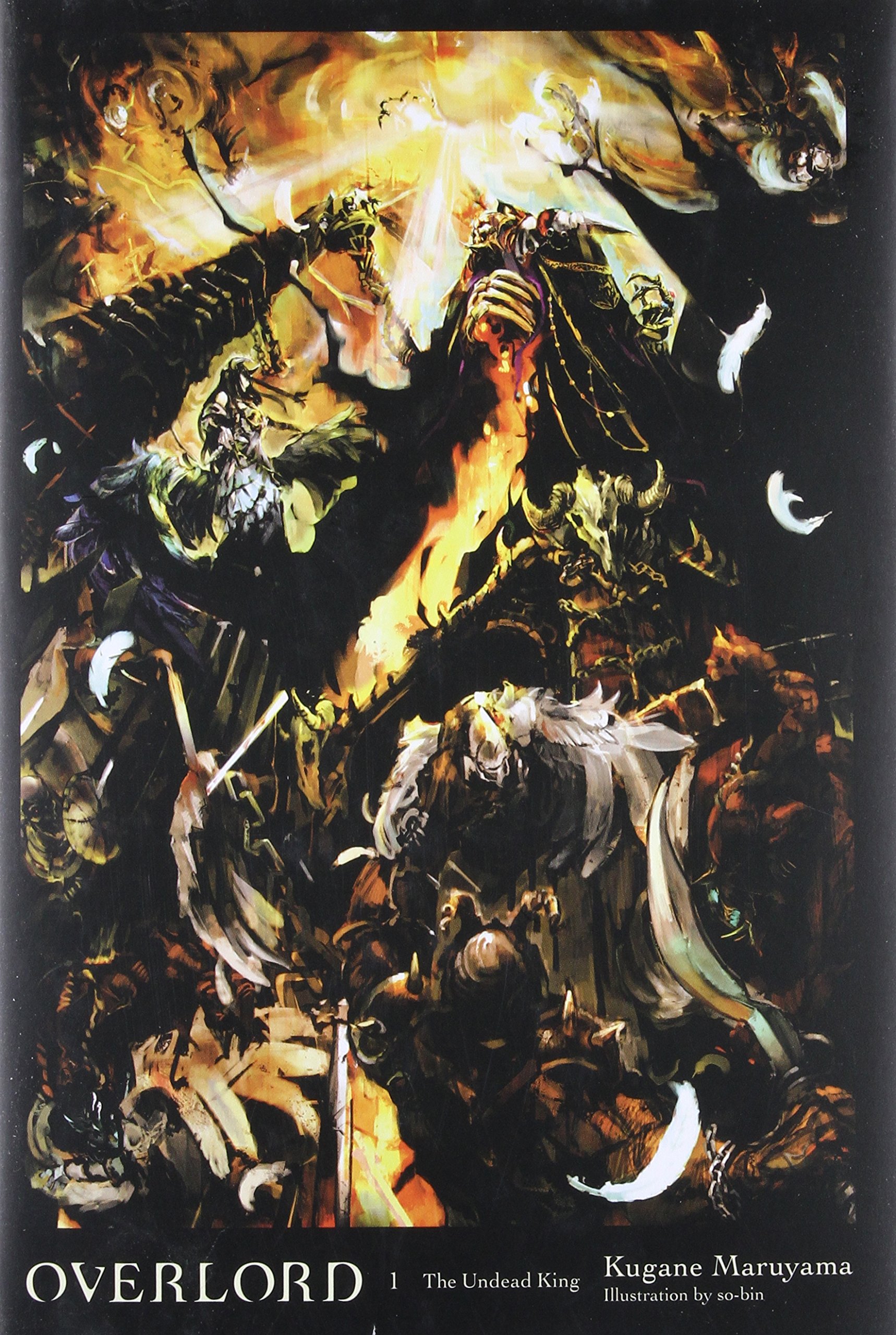
Based on these definitions, the Overlord novels by Kugane Maruyama and their adaptations (which I recommend) count as dark fantasy as well as isekai fantasy.

And finally, there’s a good chance evil can win. Bad politicians can stay in power while good ones may lose their heads. The Demon King can take over the continent and establish an empire. The witch may kill the princess and release the plague upon the land before getting slaughtered by the princess’s lover. Things may just go to shit.

Yeah, bleak. And under these parameters, series like The Witcher novels or some of my favorite isekai fantasy series from Japan, such as Overlord, The Rising of the Shield Hero, or Arifureta,* count as dark fantasy.

But given those parameters, doesn’t that make supernatural horror dark fantasy after all? Not necessarily. While some might prefer to use the term “dark fantasy” for their stories to avoid horror’s negative connotations in society, and the two genres do overlap, there are key differences. Namely, dark fantasy focuses on the monster and fantasy elements while horror uses the monster and fantasy elements.

Look at my own novel Rose, for example. The protagonist Rose Taggert is transformed into a plant/human hybrid by a magical book given to mortals by a nature god. Sounds very fantasy-esque. And if Rose was a dark fantasy story, it would follow Rose Taggert’s attempts to live a life and understand her place in the world now that she’s changed, as well as to understand this new magic dimension in the world around her. But it doesn’t. Instead, the magic is a means by which to place Rose in the power of the antagonist, Paris Kuyper. It’s a means to create the terror of not knowing how dangerous Paris is, nor knowing what he’ll do to her if she doesn’t respond to his desires as he wants her to. That’s why Rose is a fantasy-horror novel rather than a dark fantasy novel.

Similarly, Anne Rice’s Vampire Chronicles can be considered dark fantasy because they use the state of vampirism to explore psychological and philosophical truths and beliefs among the characters. If they were full-on horror, the vampires would be the means to terrify the readers. You know, like Salem’s Lot (which I need to reread, with a new adaptation on the way and all).

While some might categorize “Rose” as dark fantasy, how those fantasy elements are used distinguishes it as a horror novel.

And while we’re distinguishing between genres and subgenres, let’s talk about the difference between dark fantasy and grimdark. Grimdark is another subgenre of fantasy, characterized by apocalyptic, dystopian or hellish settings and a very bleak atmosphere, but still containing all those fantasy elements. So, what makes it different from dark fantasy, when both can contain those settings and atmosphere? According to Fantasy Book Fanatic.com, the difference is in hope:

“The concept of hope seems to be the primary differentiating factor between dark fantasy and grimdark. Hope is still able to be an integral theme in dark fantasy narratives. In contrast, the central theme of grimdark almost never entertains the possibility of hope. The central theme revolves around cynicism instead. This differentiation is vague at best, which is why many of the works of dark fantasy and grimdark are so easily confused.”

So what is dark fantasy? Well, by this definition, it is fantasy with darker or horror overtones. However, it distinguishes itself from horror by using the fantasy elements as a means to tell the story, rather than as a means to terrify the reader. Think vampires as tortured souls rather than vampires as supernatural man-eating monsters. And, unlike grimdark, there is still an element of hope in the story. Things may go to shit, but people are still allowed to hope.

My name is Rami Ungar, thank you for coming to my TED talk.

*Which, unlike the other two I just mentioned, will not appear on any of my anime recommendations lists. The anime did the original novels a poor service, which is a shame, because I devoured the first four books in a week, they’re that good. Check them out if you’re interested.


That’s all for now, my Followers of Fear. If you’re interested, I’m still taking orders for signed copies of Rose. Send an email to ramiungar@ramiungarthewriter.com for details. Or you can check it out on Amazon and Audible. And if you do check the book out, let me know what you think. In the meantime, I’ll be neck deep in Victorian England again, but I hope to put out another post very soon.

Until next time, pleasant nightmares!

Happy Monday, everyone! How are you? Did you have a good weekend? I did…until Sunday evening, when an incident occurred in the vicinity of my apartment complex that required the police to be called. Yeah, that happened. Don’t worry, I’m fine, as is everyone who was involved, as far as I know. I won’t go into details, just saying that stuff happened and while I didn’t have a front-row seat, I heard quite a bit of it.

Which led to me staying up later than I meant to, getting a headache that lasted all night and through most of the morning, and feeling so off when I got up that I nearly called in sick to work. Yeah, I was not a happy lord of evil and master of nightmares.

Thankfully, the events outside gave me some wicked inspiration for a short story. And feeling that inspiration take hold, after work was done and after dinner was consumed, I sat down to write the story. And I finished it all, as the title suggested, in one sitting. I can only think of one other time that’s happened, it’s that rare. And a good thing too, because writing all that in one go is exhausting. All you other writers know what I’m talking about.

Anyway, details about the story. The House That Comes and Goes is about a white colonial house that suddenly appears in a vacant lot one night, and a nurse who goes to investigate after someone she knows go into the house and doesn’t emerge. How is it related to events in my neighborhood? Well, the opening loosely reflects what happened in my neighborhood. I won’t say much else lest I give away spoilers, but I have to say, this story was great revenge against the people who kept me awake and made me feel sick.

Now, what’s going to happen with this story? Well, it’s very short for one of my stories, 3,353 words, so I think I could find it a good home much more easily than some of my other stories.* First, however, I’m going to see if I can’t get it looked at and get some feedback so I can edit and improve it. I’ve already reached out to a couple of interested people, so now it’s just a matter of waiting for a response.

In the meantime, tomorrow I’ll return to my Victorian England story (which is coming along very well, by the way). At the rate I’m going, I think I’ll be finished around mid-May, which works great for me. After all, my goal is still to finish ten short(er) stories between March and December this year, and I’m well on-track for that.

In the meantime though, there’s a nice, warm bed calling my name. Goodnight, my Followers of Fear. Stay safe, be healthy, and pleasant nightmares to you all!

*Yeah, that’s a lot for one day. I’m not sure how I did that in one sitting, either. But on the bright side, at least I didn’t write something a whole lot longer in one sitting. Can you imagine what I’d be like after writing a story like that?

Normally I don’t do this for first drafts, especially ones that are still in progress, but I’m having so much fun with this story, and I love the opening so much, I can’t resist!

So for those of you who haven’t seen this little meme before, this is #FirstLineFriday, something I used to do quite a bit on this blog but now reserve for special occasions. Here are the rules for the meme:

  1. Create a post on your blog titled #FirstLineFriday, hashtag and all.
  2. Explain the rules like I’m doing now.
  3. Post the first one or two lines of a potential story, a story-in-progress, or a completed/published story.
  4. Ask your readers for feedback and try to get them to try #FirstLineFriday on their own blogs (tagging is encouraged but not necessary).

As many of you know, I’m working on a story set in my beloved Victorian England. I haven’t settled on a name for the story, so I won’t give you the placeholder title. However, I can tell you that this story is a distillation of not just my enjoyment of the era but a representation of my thoughts and understanding on it. And this opening represents that understanding 110% percent. Enjoy:

A stream of shit and piss fell from the second floor of the Avondale house, where it mixed with the piss, shit and mud that already littered the avenue.

Fun fact: I posted this on my personal Facebook page, and someone immediately guessed this took place in Victorian England. I was like, “You’re right on the money!” Turns out, she spent some time abroad studying at Oxford (lucky), and Victorian novels were a big part of the curriculum. So of course, she knew.

But what do you think, Followers of Fear? Did this opening grab you? Make you laugh? Let’s discuss in the comments below.

And in the meantime, why not try #FirstLineFriday on your own blog? It’s a lot of fun, and a nice way to promote your work. And with that in mind, I’m going to tag one of you. Iseult Murphy, you’re on the chopping block! By the power of the tag, I hereby designate you to do this tag next Friday. I look forward to seeing what you post next week. Mwa ha ha ha!

That’s all for now, my Followers of Fear. Hope you enjoyed the opening to the story I wrote. And in the meantime, if you haven’t heard, I am now sending signed copies of Rose through the mail to people. Send an email to ramiungar@ramiungarthewriter.com and I’ll give you the details on how to get a copy. Doesn’t sound like a bad proposition, does it? Especially since we’re all stuck inside these days.

I hope you all have a relaxing and safe weekend. Until next time, pleasant nightmares!

Hey everyone! So, a lot of my fellow writers, especially within the horror writing community, have been posting videos of themselves reading all or parts of stories they’ve written. This is actually something I wanted to do for a long time, so seeing my colleagues doing it gave me the push I needed to finally go ahead and do it. Plus, it gave me the opportunity to make a special announcement (more on that below).

Specifically, I read from “Car Chasers,” the short story that was published in the anthology The Binge-Watching Cure II back in December. It doesn’t have an audio version, and I wouldn’t want to try with Rose on a YouTube video when the audio book’s narrator, Sara Parlier, did such a great job, so this was the perfect choice.

However, this video almost didn’t make it to the Internet. Yeah, YouTube has this stupid policy where it won’t let you upload videos longer than fifteen minutes unless you go through this whole rigmarole with them. And they didn’t tell me this until I already spent nearly three hours uploading the video. So I had to go through that process, then wait another three hours to upload and release a video. Thanks, YouTube! Ruined my evening plans! I thought you were trying to be more creator-friendly! Hmph!

Anyway, here’s the video. Please give it a watch, and stick around till the end for a special announcement.

Well, what did you think? Hope my reading voice didn’t cause your ears to bleed.

Also, if you didn’t stick around to the end, here’s the announcement: you can get a signed copy of my novel Rose from me! All you have to do is send an email to ramiungar@ramiungarthewriter.com to get the full details.

Of course, you can still get Rose from Amazon and Audible, as well as any bookstores that happen to have copies in stock (there are a few), but this would be a bit more special. And you’d get a physical copy without forcing an Amazon employee to run around the fulfillment center while Amazon ignores social distancing rules.*

And if you haven’t already, please consider getting a copy of The Binge-Watching Cure II from Claren Books. You’d be supporting a great company and encouraging them to print more anthologies. And this book has a lot of great authors in it: Nick Younker, Amanda Crum, Bill Adler, Armand Rosamalia, and many more. And every story is chilling in each its own way. I’ll include links for that down below as well.

And remember, if you buy a copy of either and read it, please leave a review so that I and the other authors know what you thought of our stories. Thanks!

That’s all for now, my Followers of Fear. Until next time, happy reading, stay safe, be healthy, and pleasant nightmares!

Rose: Amazon US, Amazon UK, Amazon Canada, Audible

The Binge-Watching Cure II: Paperback, Kindle

*Hey, I make money through them, but that doesn’t mean the company is above criticism.

Sometimes, when working on a story, we find that it might be a bit longer than you had originally anticipated. And then you find out it’s going to be much longer. Perhaps even the length of a novel.

I may be on the verge of one such story. There’s a good chance after I begin writing this story set in Victorian England, it may not end as a novella, as I expected, but a full novel. And after finishing Toyland less than two months ago, plus River of Wrath to edit still (which I plan to do very soon, believe me), it feels too soon. And it’s hard to judge how big these stories can get just based on the outline I wrote up these past couple of days. Perhaps it just feels like a novel based on what I wrote up and will still be under sixty-thousand words, the threshold I establish for novels.

Then again, River of Wrath was originally supposed to be a novelette, but ended up being somewhere over sixty-thousand words. Not to mention there are two or three other stories I’ve written that I plan to someday expand into longer stories. This might be another sort of story like that.

Well, I always knew my plans for this year might change, depending on how things develop. And I am dying to get into this story, so one way or another, I’m going to write it and see where it goes. I just hope that when it’s done, no matter its length, it’ll be one hell of a story.

I also hope that when it’s finished, I’ve come up with a good title for it. I hear those are essential for telling a good story.

Well, that’s all I wanted to say. Just wanted to get all that off my chest before the writing process began. I’m off to board a carriage drawn by four demonic horses and driven by a skeletal figure in a top hat to take me to a fear-infested past. Wish me luck on my journey.

Until next time, my Followers of Fear, stay safe, be healthy, and pleasant nightmares.

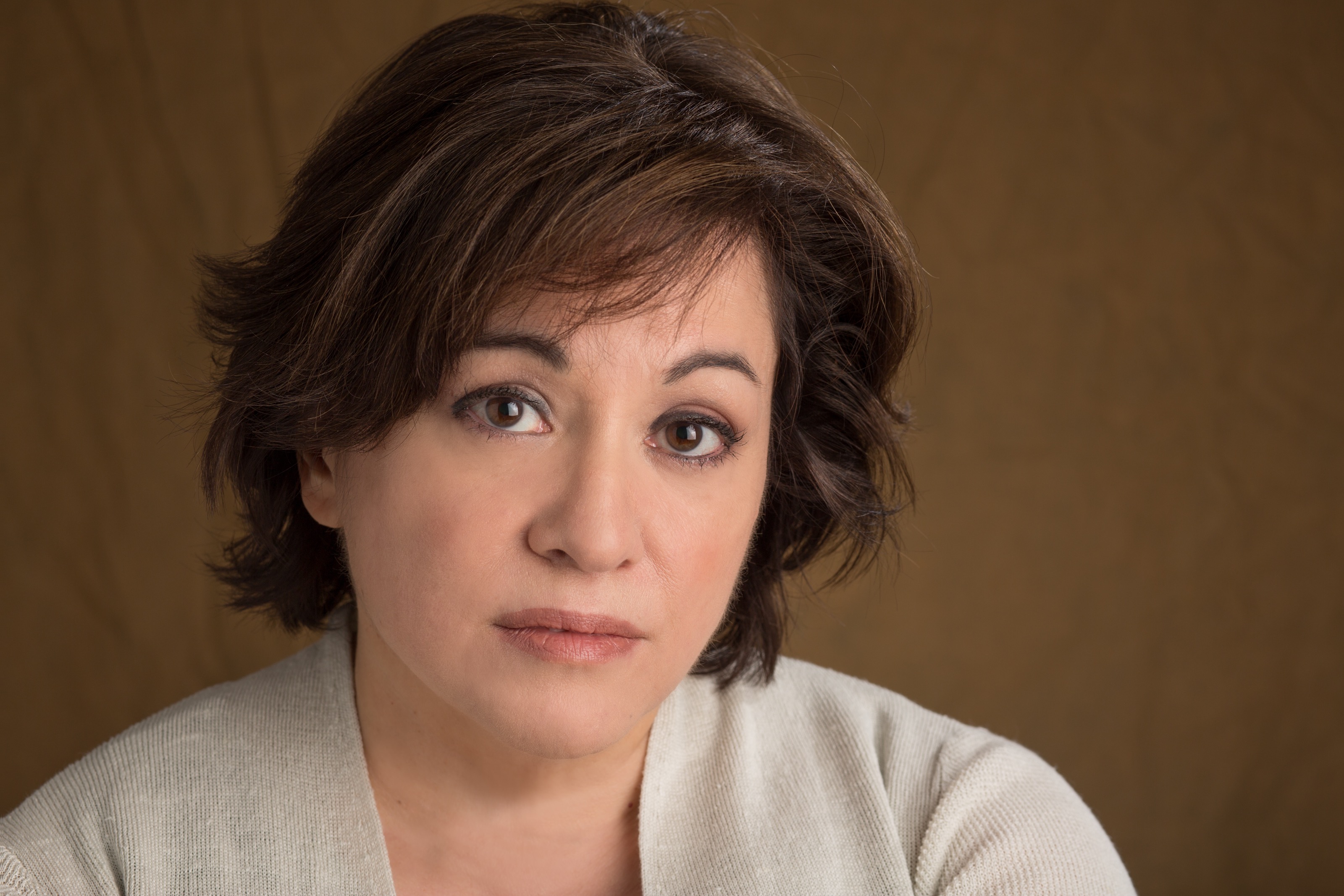
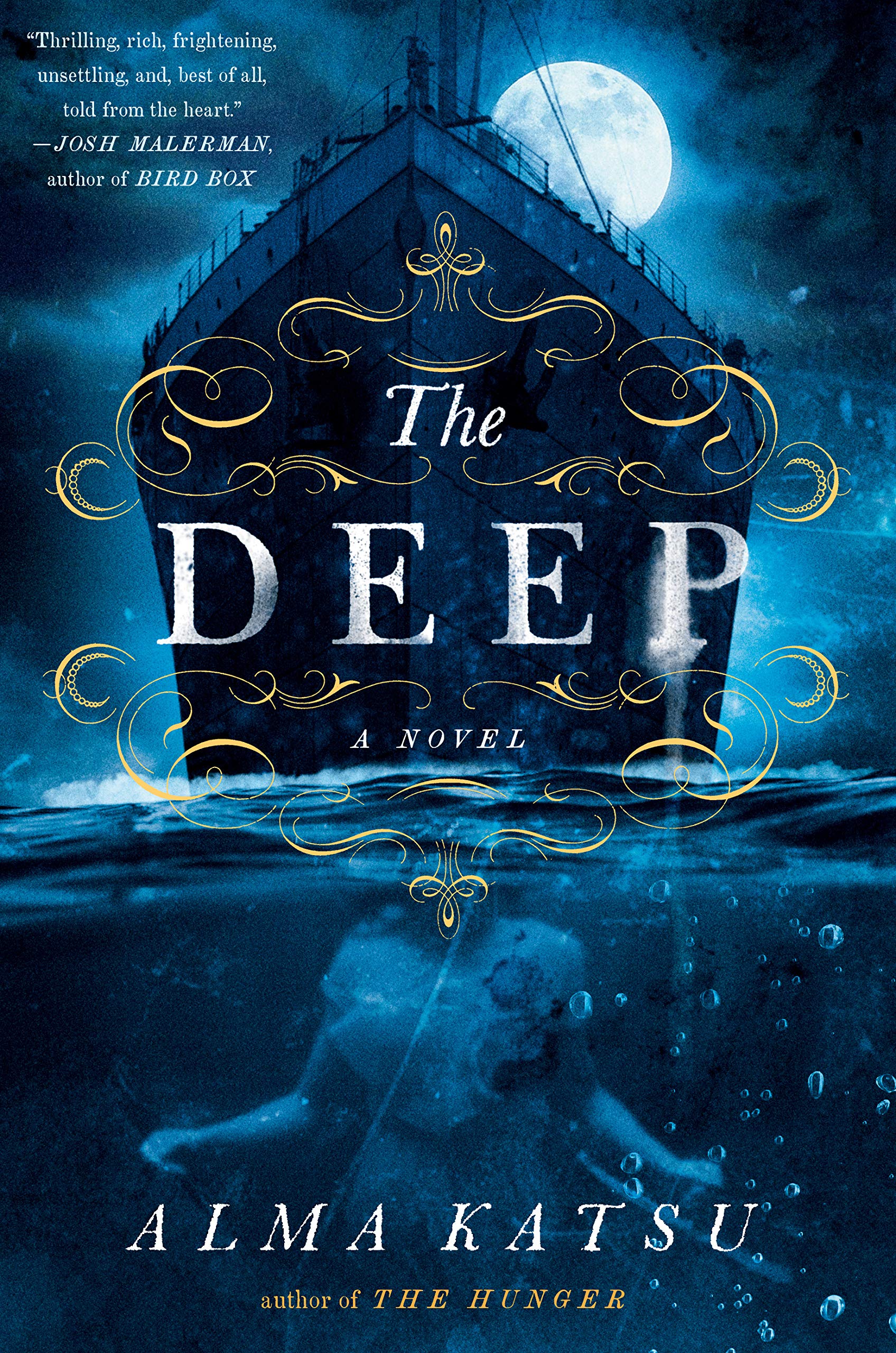
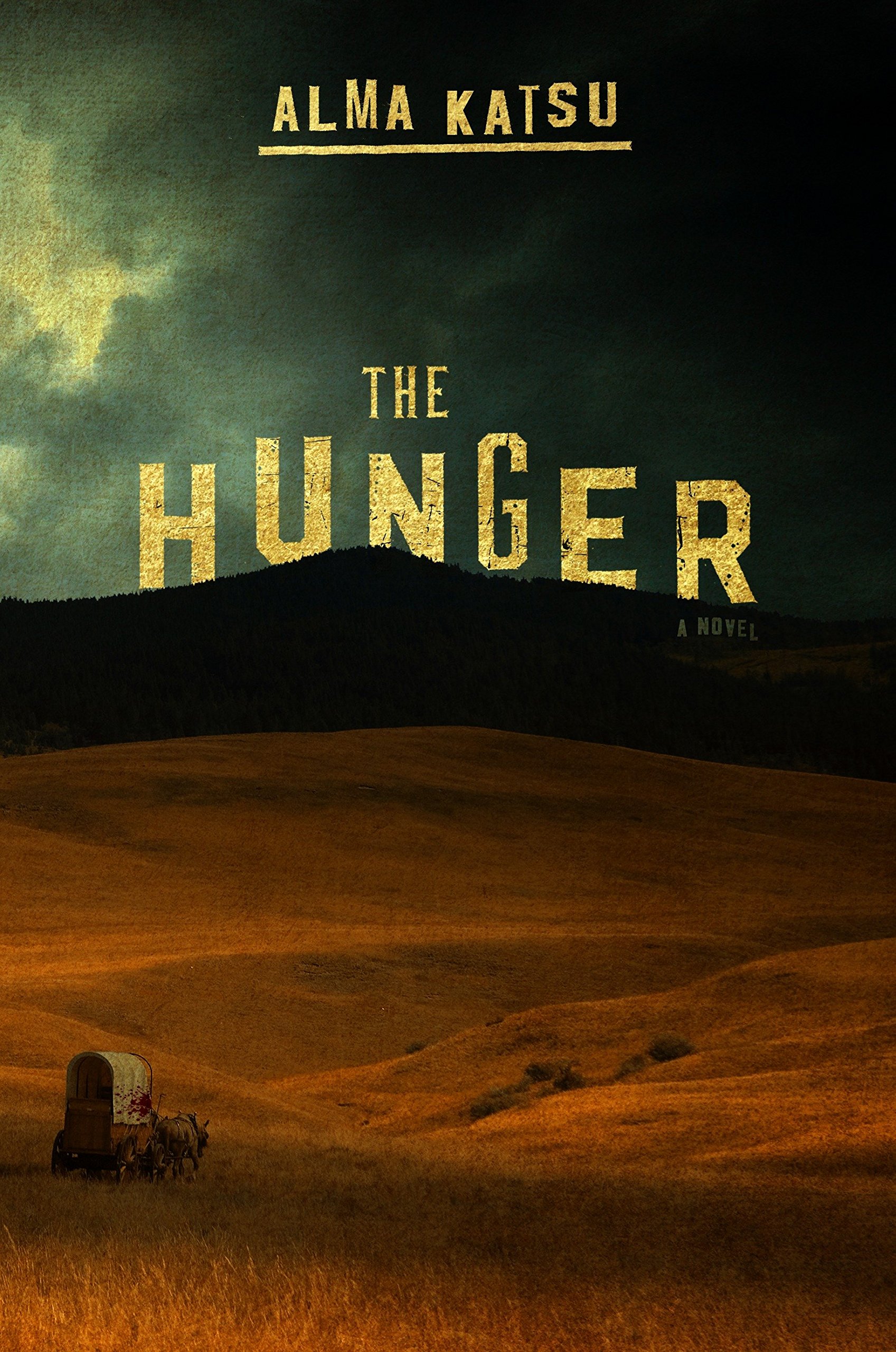
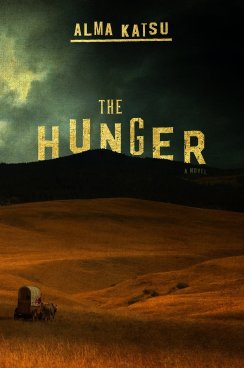
What’s up, Followers of Fear and other assorted humans? Recently, at the start of my self-isolation, I read a historical fiction novel with supernatural overtones called The Deep, which I thoroughly enjoyed (see my full review here). Having spoken with the author of The Deep, Alma Katsu, a few times over Twitter, I thought I’d ask if she’d like to be interviewed. She agreed, and the following interview resulted. Ladies, gentlemen, and non-binary gentility, allow me to introduce the author of The Deep and The Hunger (which is on my TBR list), Alma Katsu!

Rami Ungar: Welcome to the blog, Ms. Katsu. Please tell us a bit about yourself and your work.

Alma Katsu: My name is Alma Katsu and I’m the author of five novels, all historical with some element of horror or the supernatural. My most recent book is THE DEEP, a reimagining of the sinking of the Titanic and its sister ship the Britannic. My previous novel was THE HUNGER, a reimagining of the story of the Donner Party. I was very lucky with THE HUNGER, as the book made a number of best books of the year lists and was nominated for several awards, including from Locus magazine and the Bram Stoker Awards.

RU: Please tell us about The Hunger and The Deep, what inspired them and what the writing process for them was like.

AK: Both books are similar, in that they use a historical event as a springboard for a story, but different, too. THE HUNGER is a more of a dystopian—some people have compared it to Cormac McCarthy’s THE ROAD, and Dan Simmons’ THE TERROR. But both books are reflections of the eras in which they took place, which means THE DEEP is a more romantic story, very much of the Edwardian era, with its love of occultism and spiritualism. I tend to write character-driven stories, which might make for a slower pace than some fans of thrillers prefer, but I think it will hit the spot for people looking for a richer read.


My writing process for these books might seem a bit heretical, depending on what you’ve heard from other writers of historical fiction but I keep a very tight schedule doing the research. I was a professional researcher for over 30 years, so I have the benefit of a lot of trial and error and learning what works for me. I do a lot of on-the-spot research along the way, of course. Generally it takes 4-6 months to write the first draft, and then there are rounds of edits, some of which can end up changing the story quite a bit. Writing a novel is definitely a marathon, not a sprint!

RU: Or several marathons, sometimes. Continuing on the topic of historical fiction, obviously you have to take some creative liberties when it comes to famous events in history for the sake of the story. How do you decide what changes to make and how do you go about making them?

AK: Historical fiction is quite a big tent. Some books strive to be reproductions of historical fact with a thin veneer of fiction on top, but that’s not me. I use the historical event as the basis of another story, a different story, usually centered around a theme. The idea behind the THE DEEP has to do with women’s rights, which was a huge issue of the day. In the novel, you see a range of women, poor and very, very rich, struggling with the confines placed on their lives by society. On one end you have Annie Hebbley, the main character, a poor Irish girl who has come to work on the Titanic, and on the other, Madeline Astor, new second wife of JJ Astor, the richest man in America. In between you have a woman doctor (a rarity of the day), an aristocrat who earned her living running a high fashion house, and other poor women with few choices. There’s also the issue of class, and I can think of few settings better to explore this issue than the Titanic!

The changes I make to the historical record are in order to tell the story I’m trying to tell. As long as readers understand that, and are willing to give me a chance to tell them an entertaining and (hopefully) enlightening story, I don’t think there’s an issue.

RU: I have to ask, how hard was it to resist making a snarky reference to the movie Titanic in The Deep? Because the temptation would’ve killed me if I resisted.

AK: I hadn’t seen the movie until I went to write the book, because the movie is what most people today think of when they hear “Titanic,” and I wanted to know what their expectations would be. So, while it wasn’t my favorite movie of all time, I can see why it was popular, and what chords to strike with some people.

RU: You also host a podcast called “Damned History,” about the history behind the stories you write. Can you tell us a little more about that, and the writing process for each individual episode?

AK: The idea for the podcast came from the talks I gave on tour. Audiences told me they got a lot from the talks that enhanced their understanding of my books, but there are only so many people who are going to make it to a live event, so I thought podcasts were the perfect medium to make them available to anyone, anywhere. So, the material in the podcasts for THE HUNGER come from my book tour.
 

For the episodes for THE DEEP, they’re more on what I think people might find interesting, or what the questions so far have been about, so there’s one episode on Titanic conspiracy theories, and another on some of the real people on the Titanic.

RU: Are you working on anything new right now? And are there any historical events you would like to write about stories about someday?

AK: I’m working on the next historical novel right now, which will deal with World War II, and gearing up for the release of my first spy novel next year, RED WIDOW. This is a first for me, drawing on my career in intelligence, and I hope readers will give it a try.

RU: I’ll check them out, especially the WWII novel. That was the focus of my history major in college, after all. So, when you’re not writing, researching or podcasting, what do you do with your time?

AK: Working! I may retired from government but am still a consultant. There’s a lot of juggling going on in my life right now.

RU: I know what that’s like. What is some advice you would give other authors, regardless of background or experience?

AK: Write and read. Read a lot, read outside of your genre. And try to write every day, write through problems in your story, because writing is like a muscle.

RU: Finally, if you were stuck on a desert island for a while and could only bring three books with you until you were picked up, which would you bring with you?

AK: That’s tough. I’m not one of those writers who worships a particular book, and I like to use my reading to study how other writers have handled a particular issue in writing. I’d definitely have a Sandor Marai book among them, because I love the way he unfolds these terribly complex stories. Right now, I’m enjoying good mystery writing, particularly those of Laura Lippmann and Denise Mina. I like old Barbara Vine mysteries, too.

RU: All are excellent choices. Thanks for coming on the blog, Ms. Katsu. I hope you come by again with your next book.


Both The Deep and The Hunger are available from most book retailers. If you would like to check out Ms. Katsu’s podcast Damned History, you can find it on iTunes, Google Play, Spotify and Soundcloud. And you can find more about Ms. Katsu herself on her website Alma Katsu Books, as well as on Twitter.

If you would like to see more interviews I’ve done with authors, check out my Interviews page.

And if you’re an author who will be releasing a book soon or just released a new one and would like to be interviewed, send me an email at ramiungar@ramiungarthewriter.com. If I’m available, we’ll make some magic happen.

That’s all for now, my Followers of Fear. If you’re celebrating a holiday this weekend, I hope you’re finding it spiritually satisfying. Until next time, stay safe, be healthy, and pleasant nightmares!