Archive for the ‘Reflections’ Category

I’ve mentioned on this blog more than a few times that I make sure to write down my ideas on Word documents. This way I don’t forget them. I have a few separate lists to store these ideas, depending on the kind of idea it is. One list is just for ideas that will likely be short stories or novelettes (assuming they don’t end up evolving into something longer). And today, I had three new ideas for stories, which I made sure to put on that list. This brings that list up to a thousand ideas.

You read that right. A thousand ideas. Some good, some bad. Some are very short, and others will end up longer than most novelettes. Some are horror or dark fantasy, others are science fiction or regular fantasy, or some other form of speculative fiction. A few are erotica, because as I said in that video yesterday, I think there’s an art to writing a story where the story is told through sex. It’s something I might want to try someday.

I’m not stating this to brag. I’m just stating a fact. And you know what? I’ll never write most of them. There’s just never enough time.

It’s the sad truth of writing. We creatives have many ideas over the course of our lives. But rarely, especially in the world of writing fiction, do we get to tell all of them. Hell, I doubt even big names authors like King get to work on all the ideas he has. But it’s especially hard for those of us smaller names. We work day jobs, pay bills, run errands, eat, socialize, try to stay healthy, and try to sleep enough to function the next day. And in-between all that, we carve out time to write.

I said a lot of this when I had my five-hundredth idea, almost exactly five years ago today (what a coincidence). In fact, I’ll say again what I said in that post (which you can click here to read): Time’s a quick bastard. And it’s all we can do to keep it with us so we can get the best of your work down on paper. And maybe then edited and perhaps even published.

There’s enough time in the day for this.

And how can you tell from the trove of your ideas which ones are worth spending time on? Hard to say. Usually I can tell from the idea phase, but occasionally I write a first draft and I realize this story is crap, why did I ever try to write it? I guess the best thing to do is just to go with your gut. If you’re really passionate about a story, it’ll show in the writing and in the story, and you’ll be able to work on it over and over again, until you’re able to share it with others (hopefully, anyway).

Well, I’m going to get back to an idea I think might be worth working on. I just wanted to talk about some of the things that went through my mind as I started nearing a thousand ideas. And I wanted to talk about something other than Rose for once.

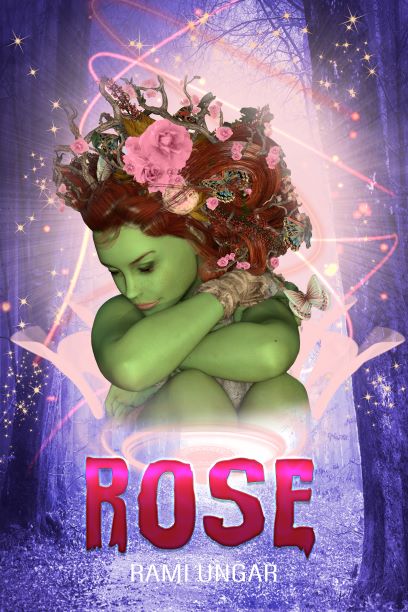
Speaking of which, tomorrow is the last day to buy the ebook version of Rose at a discount price (I couldn’t help myself). So if you want to check out the Kafkaesque fantasy-horror story of a young woman turning into a plant creature (and that’s just the start of her problems), now’s a good time to do so. I’ll include the links below, including for the paperback and audio book. And if you end up checking out the book, leave a review and let me know what you thought of it. Helps me out in the long run, and it’s nice to hear what you think.

Until next time, my Followers of Fear, pleasant nightmares!

Rose: Amazon US, Amazon UK, Amazon Canada, Audible

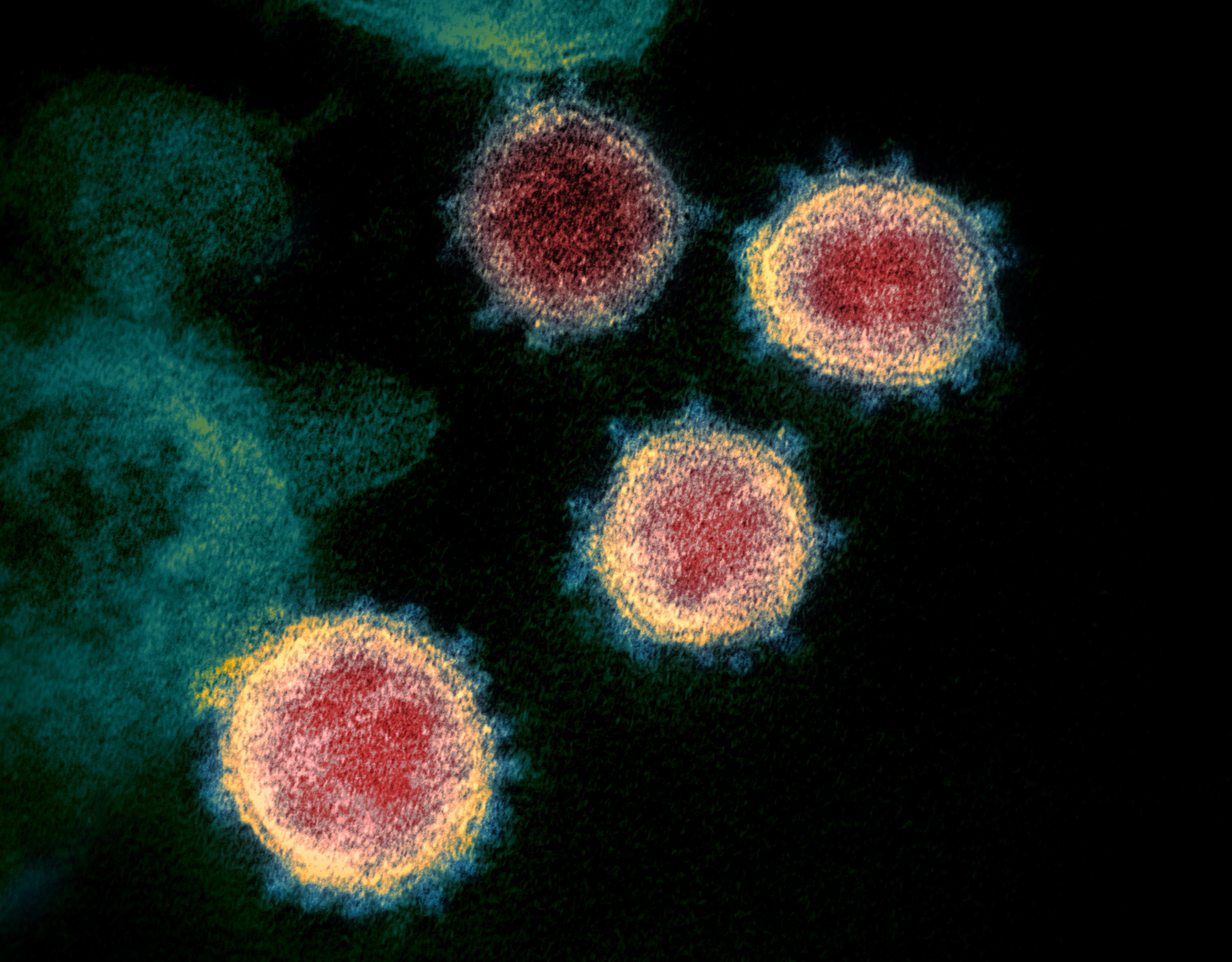
Recently, I saw a couple of people on my social media mention that they’re writing stories taking place at the tail end of or during the COVID-19 pandemic. You know, the pandemic we’re dealing with now and which we’re still far from out of the woods of? This intrigued me, especially when I realized I could incorporate the pandemic into one of the stories I wanted to work on this year, if I set it after the pandemic was over!

Out of curiosity, I consulted my writer friends on if you can write such a story. And if so, how you go about doing it. Nearly everyone said that yes, you can write a story set after our current crisis. A few even had advice to give me, while at the same time warning me that there’s going to be “a glut of COVID-19 stories” and I should be careful what I put out. One person mentioned that I should market the story as science fiction, seeing as it will take place in the future. Another suggested that I keep the story for a while, at least until the pandemic is actually over. That way, I can edit it if I get my predictions on what will happen wrong.

The best advice, I think, was that a good author will take notes. Remember when certain things happen, look up those things if you can’t, and try to note details that might come in handy in building the world.

As to other practical advice, I guess you should just write a story that you would write.

Yeah, I got nothing else. Sorry, but I’ve only written one story that takes place during the early days of the pandemic, and I’ve never written a story that takes place after the pandemic. I’m going to try with my next story, which obviously means I’m not going to post advice before I do.

So, I’ll be doing what every writer should do: writing the stories only they can write. I think I have a unique view on a certain aspect of our current pandemic and how it can translate into a short horror story. I’m working on an outline, and afterwards, I’ll work on that story. I’m not sure if it’ll be any good, but at least I’ll have tried. And given how stressful our current day and age is, it might prove therapeutic.

Write the story you’re going to write. Even if it takes place after the pandemic.

In summary, if you have an idea of a story that takes place after the COVID-19 pandemic, feel free to write and explore it. It’ll take some work, and you may have to change some things depending on how events play out, but only you can write this story. Might as well try it for that reason alone.

That’s all for now, my Followers of Fear. Remember, the one-year publishing anniversary of Rose is coming up, and you have the opportunity to submit questions for a YouTube Q&A. Just send an email to ramiungar@ramiungarthewriter.com with your name, where you’re from, and up to two questions before noon on June 17th, and they may appear in the video. Not only that, but anyone who submits from the US and UK may be eligible for a download code for the Rose audio book.

In the meantime, I’ve got dinner to make and evening plans to get to. Until next time, stay safe and pleasant nightmares!

I’ve talked a bit about “The Pure World Comes,” the story I’m writing set in Victorian England. And yes, at this point I’m pretty sure it’s going to be another novel. But that’s beside the point. With the completion of the latest chapter, I’m two-thirds of the way through the story, so I figured I’d talk about something I’ve been wanting to blog about for a while: what it’s like writing a story set in Victorian England.

If you’ve been following this blog for a while now, you’re probably aware that I’m a big fan of the Victorian era. It’s an era of contradictions: one of vast British expansion and industrialization, of great achievements in science and literature, as well as one of the most glittery ages of British history (at least in our popular memories). However, it was also an age of deep poverty for many, an age of exploitation and horror, and one where some of the most horrific crimes of the 19th century occurred, from Jack the Ripper to the British government’s reaction to the Irish Potato Famine (and yes, I’m counting that as a crime).

I’ve been trying to channel all that love, as well as all the information I’ve gathered through years of research, to make this story of mine, about a young maid who goes to work in the home of a mad scientist, feel authentic. Like you actually stepped into the Victorian era when you read this story.

What’s been the hardest part so far? Well, the language. I’ve been trying to make the dialogue sound like that fancy Queen’s English we see in movies and on TV, and the narration sound something like Stephen King’s Jerusalem’s Lot (a prequel to his novel, Salem’s Lot), which reads like a Victorian novel or something by HP Lovecraft, who likes to pretend he’s a Victorian. It’s harder than it looks, and at times, I find myself worrying if my characters sound more like modern Americans than 19th century Brits.

I’ll admit, it’s gotten easier to make the story and the characters sound Victorian as time has gone on, but it’s still far from perfect. And I have no doubt that later drafts will focus a lot on language.

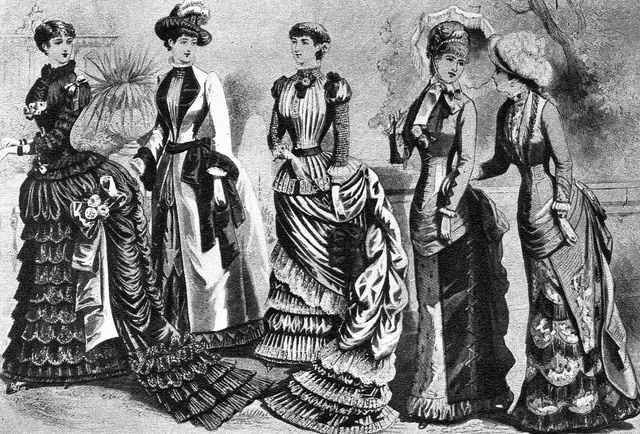
I could also focus a bit more on describing the clothing. That’s a big part of the Victorian appeal.

However, other aspects have been easy. Going into the minutiae of Victorian life, from mourning clothes and practices (which the Victorians made an entire production of), to food and garden parties has been a treat. I had a lot of fun describing both the daily lives of maids in that age and just how dirty that age could be. And, of course, I had a blast working my theory of who Jack the Ripper is into the story.

And of course, adding those little weird details of life back then has been fun. Did you know that, according to the beliefs of the time, whom a pregnant woman interacted with could influence the baby’s health and appearance? Yeah, so if she met a drunk on the street, she might spend the rest of her pregnancy fearing her kid would come out looking and eventually acting like that drunk.

I also spent a good chunk of Chapter Eleven describing Victorian bath rituals (believe me, it’s relevant). Did you know public baths were a big phenomenon back then? How much you could pay for those baths, always sex-segregated, could determine what sort of bath you could take. And showers? They were known as shower-baths, or more formally as douche-baths. Yes, douche-baths. And no, not like we mean it today.

In the end, I think what I’m dealing with are all the usual struggles of writing a sort of historical fiction (Or is it more a homage to Gothic literature and gaslamp fantasy?). Balancing the level of detail with the need to tell the story, attempting to bring the age to life for even the most unfamiliar of readers. It’s a challenge, no matter your experience or how much research you’ve done.

Trying to bring to life the age when this sort of dress was fashionable.

Still, it’s a challenge I think I’m up to, as well as a challenge I’m glad I took up. I’m enjoying working on this story, and I feel like I’m learning a lot. Hopefully at the end of this story, it’ll show.

Well, that’s all for now, my Followers of Fear. I was going to watch a movie after this post was done, but it’s past midnight, so I think I’ll hit the hay.

And in the meantime, remember that you can still participate in next month’s YouTube Q&A in honor of the 1-year publishing anniversary of Rose. Just send your name, where you’re from, and question for me to ramiungar@ramiungarthewriter.com, and your question might appear in the video (and you could win a download code for the audio book). You can also order a signed copy of Rose with that address, or head to Amazon and Audible to get copies.

Goodnight, my Followers of Fear. Pleasant nightmares, and remember, face masks are inconvenient, but ventilators are far worse.

Hi everyone. I know it’s been a while since I last posted something (eight days, actually), but I didn’t have anything lately I felt passionate posting about. Until now, that is. You see, just a little while ago, the Ohio chapter of the Horror Writers Association finished a chapter meeting. Not only that, but it was our first Zoom meeting, and we had a pretty decent turnout. We’d been discussing doing things virtually for a while now, but COVID-19 really pushed us to do things online.

And that probably had a big part in our discussion during the meeting. We got onto talking about how COVID-19 has been affecting the writing industry, from the stories we tell to the events we go to. And it has been changing. Or at the very least, it’s in a state of flux.

If you’re part of the writing community as well, you know how it is. A lot of events had to be canceled because of the virus. StokerCon, the biggest horror convention in the world, was canceled, as was ParaPsyCon in Mansfield, OH, which I was supposed to attend. More than a few authors I’ve spoken to have said that their summer travel plans have been canceled and they’ll be spending more time at home than expected. And there’s a good chance my summer plans will be canceled by the end of next month, if not sooner.

Some events have moved online. A writer friend of mine told us during the meeting that he was supposed to give a talk in London around April, but it was moved online. According to him, it had probably more attendees than if he’d been there in person. And there are more events moving online. Hell, some people prefer it that way. Sure, you miss the personal touch that comes from doing cons and panels and readings face-to-face, and maybe lose a little business. But it can be easier on our schedules and wallets and, at least these days, health.

Perhaps some of our events will move online permanently.

Then there are the stories we write. A lot of discussion has gone on about how coronavirus is affecting what we weave together with words. Many of you already know that I’ve written a story, What Errour Awoke, which includes the virus for most of the story as part of the setting. And since then, I’ve had a few more ideas that take place during this current crisis, after this crisis, or uses imagery from the crisis to enhance the terror.

This virus is changing so much of our industry.

For others though, this pandemic has put a crimp in their writing plans. More than a few people have said their planned pandemic or zombie stories have been put on hold or readjusted due to COVID-19. One of my fellow writers mentioned how her students turned in a story about zombies created from the COVID-19 vaccine, and how she told said student that it wouldn’t be published (sounds too much like I Am Legend, for one thing). Others have mentioned how a lot of their stories have become period pieces, because they’ve had to move their stories to pre-COVID days. Or how they don’t think they can use COVID-19 in their work right now because they’re going through the pandemic right now, and don’t have the right mindset right now for those sort of stories.

I mentioned how I expected a lot of people to write Gothic stories about evil homes, inspired by being cooped up in their homes and the stress caused by that. Others mentioned how themes of isolation, fear of touch, of each other, might show up more in our fiction.

And this is likely only a few changes that will occur in the industry. Probably, we will see more changes to stories, publishing, marketing and event planning. What they will be, I can’t say for certain. I can only guess. But I think, at some point, we can expect plenty of writing about them.

That’s all for now, my Followers of Fear. I’ll hopefully have a new post out very soon. Remember, you can still get a signed copy of Rose from yours truly. Send me an email for details. And until next time, stay safe and pleasant nightmares!

The Witcher books by Andrezj Sapkowski are a prime example of dark fantasy.

You’ve probably heard the term “dark fantasy” thrown around to describe different kinds of stories, and the simple definition given when asked what constitutes dark fantasy is “fantasy but darker or grimmer.” And yet, that doesn’t seem to fully encompass the subgenre or quell debate on what dark fantasy is. I’ve heard people say all horror that has to do with the supernatural as a kind of dark fantasy, or that the line between the two is very thin. Even authors who are known as dark fantasy writers have trouble pinning down a definition.

So while I’m no expert myself, I thought I would ask, “What is dark fantasy?” Especially since depending on the definition, my stories could fall into this genre on occasion.

And in the course of my research, I did come across some things. While an exact definition isn’t agreed upon, there are some things that fans and writers can agree upon. For example, both TV Tropes.org and Fantasy Book Fanatic.com agree that dark fantasy is fantasy (no duh), but unlike high fantasy or swords-and-sorcery fantasy, there is a much grimmer, more ominous tone to the stories. While in other subgenres of fantasy, gods can be clearly defined as good or evil or maybe just neutral, gods can be very evil or at best cruelly ambivalent to humans. If they show up in the story at all, that is.

Likewise, magic is a neutral force at best, unlike magic in Harry Potter or the Force in Star Wars (which is a fantasy element in science fiction). Magic may even be the source of corruption that creates the villains in the stories, and could be considered a necessary evil or even the source of evil itself, needing to be rid from the world. As for heroes, there are a distinct lack of heroes in the world, and at best you get anti-heroes or mercenaries. Anyone who could be defined as a “hero” may be filling the role reluctantly. They’re doing this not for some noble goal like saving the world or defeating an evil warlord, but for revenge, their own goals, for profit or because they haven’t been given a choice in the matter and are really bitter about that.

Based on these definitions, the Overlord novels by Kugane Maruyama and their adaptations (which I recommend) count as dark fantasy as well as isekai fantasy.

And finally, there’s a good chance evil can win. Bad politicians can stay in power while good ones may lose their heads. The Demon King can take over the continent and establish an empire. The witch may kill the princess and release the plague upon the land before getting slaughtered by the princess’s lover. Things may just go to shit.

Yeah, bleak. And under these parameters, series like The Witcher novels or some of my favorite isekai fantasy series from Japan, such as Overlord, The Rising of the Shield Hero, or Arifureta,* count as dark fantasy.

But given those parameters, doesn’t that make supernatural horror dark fantasy after all? Not necessarily. While some might prefer to use the term “dark fantasy” for their stories to avoid horror’s negative connotations in society, and the two genres do overlap, there are key differences. Namely, dark fantasy focuses on the monster and fantasy elements while horror uses the monster and fantasy elements.

Look at my own novel Rose, for example. The protagonist Rose Taggert is transformed into a plant/human hybrid by a magical book given to mortals by a nature god. Sounds very fantasy-esque. And if Rose was a dark fantasy story, it would follow Rose Taggert’s attempts to live a life and understand her place in the world now that she’s changed, as well as to understand this new magic dimension in the world around her. But it doesn’t. Instead, the magic is a means by which to place Rose in the power of the antagonist, Paris Kuyper. It’s a means to create the terror of not knowing how dangerous Paris is, nor knowing what he’ll do to her if she doesn’t respond to his desires as he wants her to. That’s why Rose is a fantasy-horror novel rather than a dark fantasy novel.

Similarly, Anne Rice’s Vampire Chronicles can be considered dark fantasy because they use the state of vampirism to explore psychological and philosophical truths and beliefs among the characters. If they were full-on horror, the vampires would be the means to terrify the readers. You know, like Salem’s Lot (which I need to reread, with a new adaptation on the way and all).

While some might categorize “Rose” as dark fantasy, how those fantasy elements are used distinguishes it as a horror novel.

And while we’re distinguishing between genres and subgenres, let’s talk about the difference between dark fantasy and grimdark. Grimdark is another subgenre of fantasy, characterized by apocalyptic, dystopian or hellish settings and a very bleak atmosphere, but still containing all those fantasy elements. So, what makes it different from dark fantasy, when both can contain those settings and atmosphere? According to Fantasy Book Fanatic.com, the difference is in hope:

“The concept of hope seems to be the primary differentiating factor between dark fantasy and grimdark. Hope is still able to be an integral theme in dark fantasy narratives. In contrast, the central theme of grimdark almost never entertains the possibility of hope. The central theme revolves around cynicism instead. This differentiation is vague at best, which is why many of the works of dark fantasy and grimdark are so easily confused.”

So what is dark fantasy? Well, by this definition, it is fantasy with darker or horror overtones. However, it distinguishes itself from horror by using the fantasy elements as a means to tell the story, rather than as a means to terrify the reader. Think vampires as tortured souls rather than vampires as supernatural man-eating monsters. And, unlike grimdark, there is still an element of hope in the story. Things may go to shit, but people are still allowed to hope.

My name is Rami Ungar, thank you for coming to my TED talk.

*Which, unlike the other two I just mentioned, will not appear on any of my anime recommendations lists. The anime did the original novels a poor service, which is a shame, because I devoured the first four books in a week, they’re that good. Check them out if you’re interested.


That’s all for now, my Followers of Fear. If you’re interested, I’m still taking orders for signed copies of Rose. Send an email to ramiungar@ramiungarthewriter.com for details. Or you can check it out on Amazon and Audible. And if you do check the book out, let me know what you think. In the meantime, I’ll be neck deep in Victorian England again, but I hope to put out another post very soon.

Until next time, pleasant nightmares!

Sometimes, when working on a story, we find that it might be a bit longer than you had originally anticipated. And then you find out it’s going to be much longer. Perhaps even the length of a novel.

I may be on the verge of one such story. There’s a good chance after I begin writing this story set in Victorian England, it may not end as a novella, as I expected, but a full novel. And after finishing Toyland less than two months ago, plus River of Wrath to edit still (which I plan to do very soon, believe me), it feels too soon. And it’s hard to judge how big these stories can get just based on the outline I wrote up these past couple of days. Perhaps it just feels like a novel based on what I wrote up and will still be under sixty-thousand words, the threshold I establish for novels.

Then again, River of Wrath was originally supposed to be a novelette, but ended up being somewhere over sixty-thousand words. Not to mention there are two or three other stories I’ve written that I plan to someday expand into longer stories. This might be another sort of story like that.

Well, I always knew my plans for this year might change, depending on how things develop. And I am dying to get into this story, so one way or another, I’m going to write it and see where it goes. I just hope that when it’s done, no matter its length, it’ll be one hell of a story.

I also hope that when it’s finished, I’ve come up with a good title for it. I hear those are essential for telling a good story.

Well, that’s all I wanted to say. Just wanted to get all that off my chest before the writing process began. I’m off to board a carriage drawn by four demonic horses and driven by a skeletal figure in a top hat to take me to a fear-infested past. Wish me luck on my journey.

Until next time, my Followers of Fear, stay safe, be healthy, and pleasant nightmares.

Those of you who don’t follow me on my other social media platforms may not know this, but at least once a week, usually Saturday, I post links to my novel Rose. The hope is, with enough regular mentions, people will notice the book and be tempted to read the book. If they see it often, it will worm under their skin and the possibility of entertainment they’re missing out on will nag at them. Perhaps they’ll even check it out just to see if they really are missing out.

It’s a simple strategy, but it does work. Not to the point where I’m getting dozens of new readers or reviews every week, but it does get results. For example, just this past week or so, Rose received two new ratings on Goodreads. And not too long ago, Rose received a bunch of new ratings on Amazon Canada and Amazon UK. And I think these consistent ads may have played a role in all of these new ratings.

And as I write this, I wonder if these new ratings are just a fraction of the new people reading Rose. They just haven’t let me know what they think as of yet.

This is why I keep posting about Rose. I want people to find the book. Someone like Stephen King may only need to post a couple of times about their upcoming book, and they’ll have thousands of pre-orders within hours. Less well-known but very established horror authors will post regular ads just to remind people that their book is coming out or that it’s already out or that it’s been out for a while. My philosophy is that I have to do ten times the work in order to get half of what I want. What I want is to have as many people as possible read my stories. So obviously, I’ll do what I can to get people to notice Rose.

I just can’t post everyday, because it would cost way too much money or because people would get sick of seeing Rose mentioned on my timeline. Or both.

In any case, I have a feeling that all my efforts are going to pay off even more than usual. Because COVID-19 has a lot of people isolating in their homes, they’re looking for new sources of entertainment, including books. Perhaps they’ll see Rose mentioned somewhere and think, “Hmm, that might pass the time for me. I’ll give it a read.”

Not the ideal way for someone to notice my work, but there you go.

And no matter the situation, I’ll keep writing and posting about my stories, with the hope that more people will notice and maybe want to read it. With any luck, they’ll find their new favorite horror story, and I’ll have another reader interested in my next book or publication, whenever that comes out.

And if this post has got you at all interested in Rose, I’ll post the links below. Yeah, of course I would insert an ad into this post, what did you expect? Anyway, if you’re not familiar, Rose is the story of a young woman who wakes up with no memories of the past two years. Pretty quickly, her body undergoes a startling transformation, becoming a human/plant hybrid. As those around her react to her transformation, she soon realizes they’re not all they seem, leading to a desperate fight for survival.

It’s some dark, creepy shit and you can check it out by clicking on the links below. And if you do end up reading Rose, let me know what you think. Positive or negative, I love feedback from readers, and they help me out in the long run.

That’s all for now, my Followers of Fear. If, like me, you’re celebrating Passover, then Happy Passover (and next year in person). If you’re celebrating Easter this weekend, Happy Easter. And no matter what you believe or don’t believe, stay safe, be healthy, and pleasant nightmares to you all.

Rose: Available from the links below.

Rose: Amazon US, Amazon UK, Amazon Canada, Audible

For the past week, I’ve been working hard on a new story, the majority of which takes place during our current crisis. You know the one I’m talking about. And you know what? It’s been cathartic to write about.

I’ve said before that writing can be very good for your mental health. Recently, I posted my thoughts about the COVID-19 pandemic and it made me feel a hundred times better about the whole situation. In fact, lately I’ve felt like a million bucks. Still, I do feel the occasional twinge of worry or other negative emotions when I consider all we’re going through.

So these past two nights, when I’ve written my protagonist’s reactions to the pandemic and how it’s affecting him mentally and emotionally, as well as recounting how he and others treat the crisis, it was kind of freeing. Like I was channeling not just my own feelings, but the feelings of other people in this situation.

I’ve heard a lot of people, both in and outside of the horror genre, as well as people who don’t write, saying that there’s going to be a lot of new fiction based on this crisis. If I’m any indication, we’ll be seeing that fiction coming out sooner rather than later. Maybe within the next few months. And I think we’re going to see that, for the majority of these authors, setting a story during the COVID-19 crisis is their way of processing their feelings and what they or others were going through.

What sort of stories we’ll get from this crisis, I’m not sure. I feel like a lot of them will just use the crisis as a backdrop, similar to how The Deep by Alma Katsu uses the Titanic and its sister ship the Britannic as backdrops for a ghost story (see my review here of that book here). In my case, I’m writing a Lovecraftian horror story, which makes sense because I see the virus as almost a Lovecraftian antagonist a la Nyarlathotep, and the pandemic acts as a sort of base for the terror and paranoia that my characters will feel later in the story.

I have a few other predictions. In terms of romance stories, we’ll see stories about people falling in love from afar due to social distancing, or falling in love due to being stuck in the same area together. We may also get a lot of new Gothic horror stories. Why do I say that? Because since people started sequestering themselves in their home, my article on Gothic horror has been seeing huge spikes in views. Makes sense, I suppose: as much as people love their homes, even being cooped up 24/7 in the best homes can be taxing. And since Gothic horror stories tend to focus mainly on houses as the source of the horror, people are either reminding themselves that their home isn’t so bad as being stuck in The Overlook, or they’re planning on channeling their frustration into stories about homes as a source of horror.

Perhaps writing about this virus can help relieve stress over it as well.

Whatever stories result, I highly encourage authors to write their stories about the coronavirus. Especially if the story helps you process what you’re going through right now. Even if you’re not an author, writing your feelings down can be therapeutic, so go ahead and write whatever you feel. Doesn’t have to be deep or poetic, just as long as it gets your feelings out in a healthy way.

Doing so may not alleviate the crisis or all the problems the crisis is causing to pop up, but at least you’ll feel better for the activity.

That’s all for now, my Followers of Fear. I hope you’re staying safe and healthy and are doing well. And if you need a pick-me-up, here’s the link to a cute video of foxes laughing and getting cuddles to make you smile.

Until next time, Shabbat Shalom and pleasant nightmares!

I had a revelation recently. No, not the kind that inspires texts that are the basis for entire religions. I had that already, and you do not want to know what information was imparted to me. No, it’s about Lovecraftian fiction.

Now, the common image among people, readers and writers, of Lovecraftian fiction is Cthulhu or any other Great Old One/Elder God/giant terrifying monster from the deep sea/outer space/alternate dimension. And that’s not wrong. From stories like The Dunwich Horror to the recent science-horror film Underwater, big monsters are a major part of the story and, along with the mind-bending insanity and dark truths they represent, are the main source of horror.

But it’s recently come to my attention that Lovecraftian horror stories are about more than just the monsters. Sometimes, it’s about psychological horror. Sometimes, you can have an effective scary story by not showing the monster, but by instead relegating the monsters to mere glimpses or suggestions and focusing on the characters’ reactions. And if done right, it can lead to some compelling horror.

There are actually plenty of stories like this. And if you’re reading this blog, you’ve probably run into plenty of them. The Call of Cthulhu, for example. Being by Howard Phillips himself, it’s obviously Lovecraftian, but have you ever noticed that we never really see Cthulhu? Think about it. The closest we ever get to seeing the High Priest of the Great Old Ones himself is through the eyes of a Scandinavian sailor’s diary. The narrator only sees drawings and statues of him.

And yet we’re scared, because the very idea of what we glean from these diary recordings is of a worldwide cult, one devoted to a very real god. One that will use humans as its pawns so that, when it finally arises, it’s in prime condition to take over our world. And the cult will do away with anyone who gets in their master’s way.

And while that’s a great example, there’s plenty more where that came from. Last year’s film The Lighthouse (see my review here) was Lovecraftian with a capital L, but we barely saw any of the marine monstrosities supposedly behind the horrors occurring on the island. And what we did see, we weren’t sure if they were real (within the film, anyway). Are they monsters, or are they just the manifestations of two men on an isolated island having a breakdown? Or maybe it’s a bit of both. It’s hard to tell.

A great example of this Lovecraftian psychological horror, 2019’s The Lighthouse.

And not just The Lighthouse. Stephen King’s novella N is told from the POV of people who all claim to be guardians of a circle of stones. If they don’t perform certain rituals, the stones will become a portal for terrible monsters. We never see these monsters though, and it’s possible that all the characters are suffering from a shared delusion. Or is it something more?

And in the novel I’m reading now (I hope to finish it and have the review up tomorrow or Thursday), there’s a Lovecraftian undertone, but the focus is on the characters and how they’re dealing with all the lies and hidden secrets swirling around them.

Or maybe that’s not a Lovecraftian undertone, but some other supernatural undertone. I’ll let you know when I finish the novel.

Anyway, it’s a good thing I’ve noticed that. The story I’m trying to write next is going to be heading into that psychological/Lovecraftian territory, so hopefully I can do a good job of it. And even if I don’t, it’ll at least be good practice.

That’s all for now, my Followers of Fear. I’m off to bed. I hope you’re not going stir-crazy while social distancing yourselves. If you want, we can talk in the comments for a bit.

Anyway, until next time, pleasant nightmares!

It’s been a while since I’ve done any sort of tag, so I saw this on my friend Kat Impossible’s blog and I was like, “Sounds like fun.” And while I’m not sure I believe in “perfection,” I tried to come up with stories that come close to that in my personal opinion. Most of these titles are from the horror genre, but I do add some from other genres and even a few other mediums (I can be a rule breaker when I want to be). With that in mind, let us begin the Perfect Book Tag.

THE PERFECT GENRE

(pick a book that perfectly represents the genre)

I had a hard time choosing on this, between what could be considered a quintessential horror novel, and what could be the most terrifying novel (AKA the “perfect” horror novel). In the end, I wanted to include the quintessential novel elsewhere, and I hate repeating myself, so I decided on the most terrifying novel I’ve ever read, The Girl Next Door by Jack Ketchum. Honestly, this novel’s show of brutality, the ease in which regular people can be persuaded to commit acts of evil and the graphic descriptions of torture and cruelty were enough to make me put the book down at times just so I could process what I was reading and get control of my dread. If you want perfect horror, this might be close enough.

Just don’t blame me if this gives you an upset stomach or nightmares. Trust me, it’s a tough one to get through.

THE PERFECT SETTING

(pick a book that takes place in a perfect place)

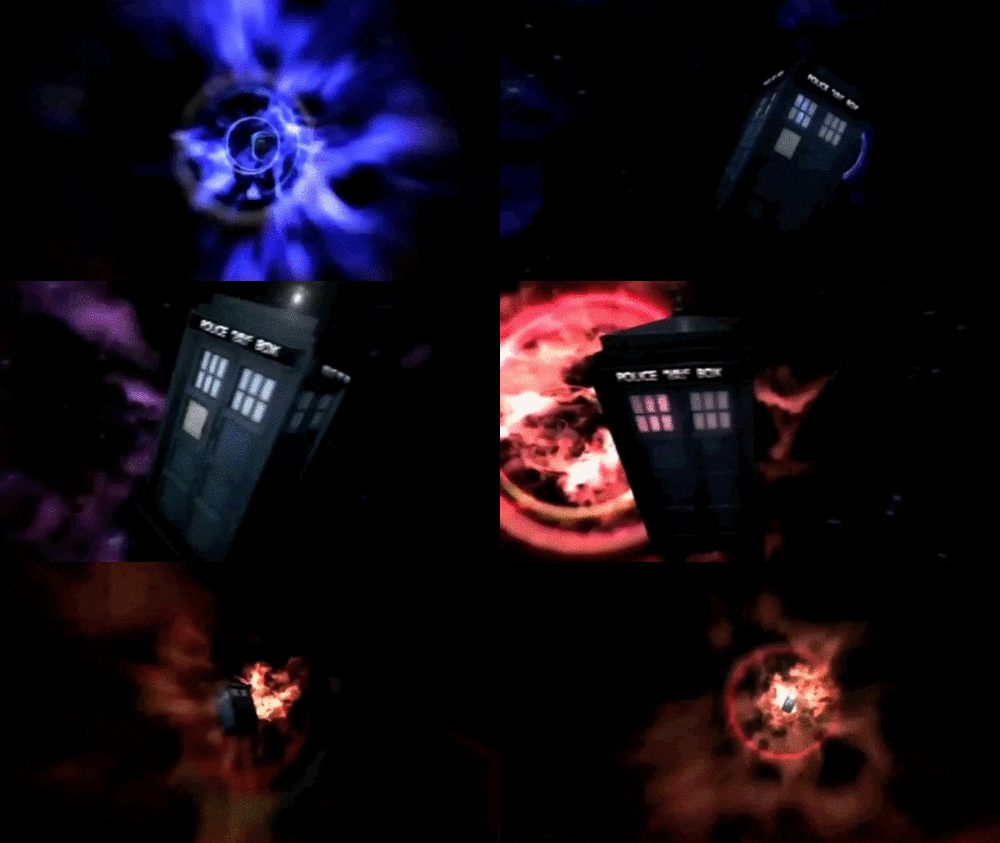
Again, I’m not sure if there’s anything considered “perfect” in entertainment, let alone a perfect setting. However, as far as I’m concerned, this might come damn close. The Doctor Who universe has every sort of setting imaginable. From futuristic cityscapes, to the distant past, and even our own modern times, you can find aliens, historical personages, gods and demons, magic (sort of) and science, friends and enemies, and even new universes or pocket universes! It’s an endlessly adaptable setting, and that’s why it’s my choice for perfect setting.

Also, I know it’s a TV show and the books are expanded universe and semi-canonical at best, but like I said, I like to break the rules.


THE PERFECT MAIN CHARACTER

(pick the perfect main character)

For this one, I didn’t pick perfect as in “they’re the best at everything and never have to improve. The story is just a way for the reader to fawn over how amazing the characters are.” Those are known as Mary Sues and Gary Sues, and most writers learn to stop creating them when trying to write compelling stories. Instead, I picked examples of characters I like to work with the most: women/girls who don’t start out as protagonist material, but as time goes on they grow into their heroine roles. Sailor Moon and Buffy are two great examples of those characters, as well as the reason I love that character type.

Neither Buffy Summers nor Sailor Moon started out as heroes who were thrilled with their roles. They just wanted to be normal girls, not burdened down with these destinies to save humanity from evil. But over time, as they get stronger and build their support networks, they become stronger, able to defy evil and inspire everyone around them and everyone watching them, regardless of age or gender. It’s part of the reason why these characters have endured over thirty years after their debuts, and part of the reason why I am who I am today.


THE PERFECT BEST FRIEND

(loyal and supportive, pick a character that you think is the best friend ever)


This one was easy. She’s smart, kind, brave, and is willing to point out when you’re wrong or doing something stupid. And she’s willing to stand up for the oppressed when no one else will, including many of the oppressed. She can be a bit stubborn, and at times she loses sight of reality when it comes to studies or other things she deems important. But honestly, Hermione Granger would make a great best bud.


THE PERFECT LOVE INTEREST

(pick a character you think would be an amazing romantic partner)

Let me level with you all. I may be bisexual, but I’m aromantic, so I don’t really feel romantic attraction to anyone. Sexual, definitely, but I have trouble imagining myself wanting to be tied to someone like a partner or lover. And since I don’t feel like telling the world about a character I may find sexy, I’ll just leave this one blank. Sorry if you really wanted to know what my type was or wanted to set me up with someone you know. You can’t change someone’s nature that easily.


THE PERFECT VILLAIN

(pick a character with the most sinister mind)

Remember that quintessential horror novel I mentioned as a contender for Perfect Genre? Yeah, IT was the runner-up. But in terms of villains, Pennywise is the ultimate, hence why he’s here. Honestly, he’s a perfect mix of both the human villain and the supernatural. He understands human fears and motivations, is a master manipulator and knows just how to get under our skin and either terrify us into a stupor or make us his pawn. At the same time, he’s this giant cosmic entity from beyond the universe, a thing we can only grasp as orange lights known as The Deadlights. His motivations aren’t born from hatred or greed or any human desire, but from the need to feed and eventually the need to procreate. It’s just another show of his Otherworldly nature.

And let’s face it, he’s devious! It takes a special sort of evil to enjoy being an evil clown 24/7, and Pennywise does it better than the Joker. Yeah, you read that right. What are you going to do about it?


THE PERFECT FAMILY

(pick the perfect bookish family)

Well, they’re not from any books, at least not originally, but the Addams Family would be my perfect fictional family. You can guess why.


THE PERFECT ANIMAL OR PET

(pick a pet or fantastic animal you need to see on a book)

Although I’m against the breeding of white tigers (they’re a genetic abnormality and breeding them leaves the tigers with all sorts of genetic problems), White Blaze from the anime Ronin Warriors is a creature I always wanted. He’s a tiger and deadly towards his enemies, but he’s smart, kind and good with people. You could honestly have him babysit your kids, he’s that good. And in a fight against evil, you couldn’t ask for a better animal partner.

In fact, White Blaze might be part of the reason why tigers are my favorite animal. And it’s not hard to see why.


THE PERFECT PLOT TWIST

(pick a book with the best plot twist)

I won’t say what it was. But it left me reeling. Took me half the next chapter to realize the author was serious and wasn’t pulling my leg. Still the hardest a twist in a novel has ever hit me.


THE PERFECT TROPE

(pick that trope you would add to your own book without thinking)

Let’s face it, I love a cosmic horror twist. The idea of an entity that defies human conception, to the point it can drive us mad, excites me as a horror writer to no end.


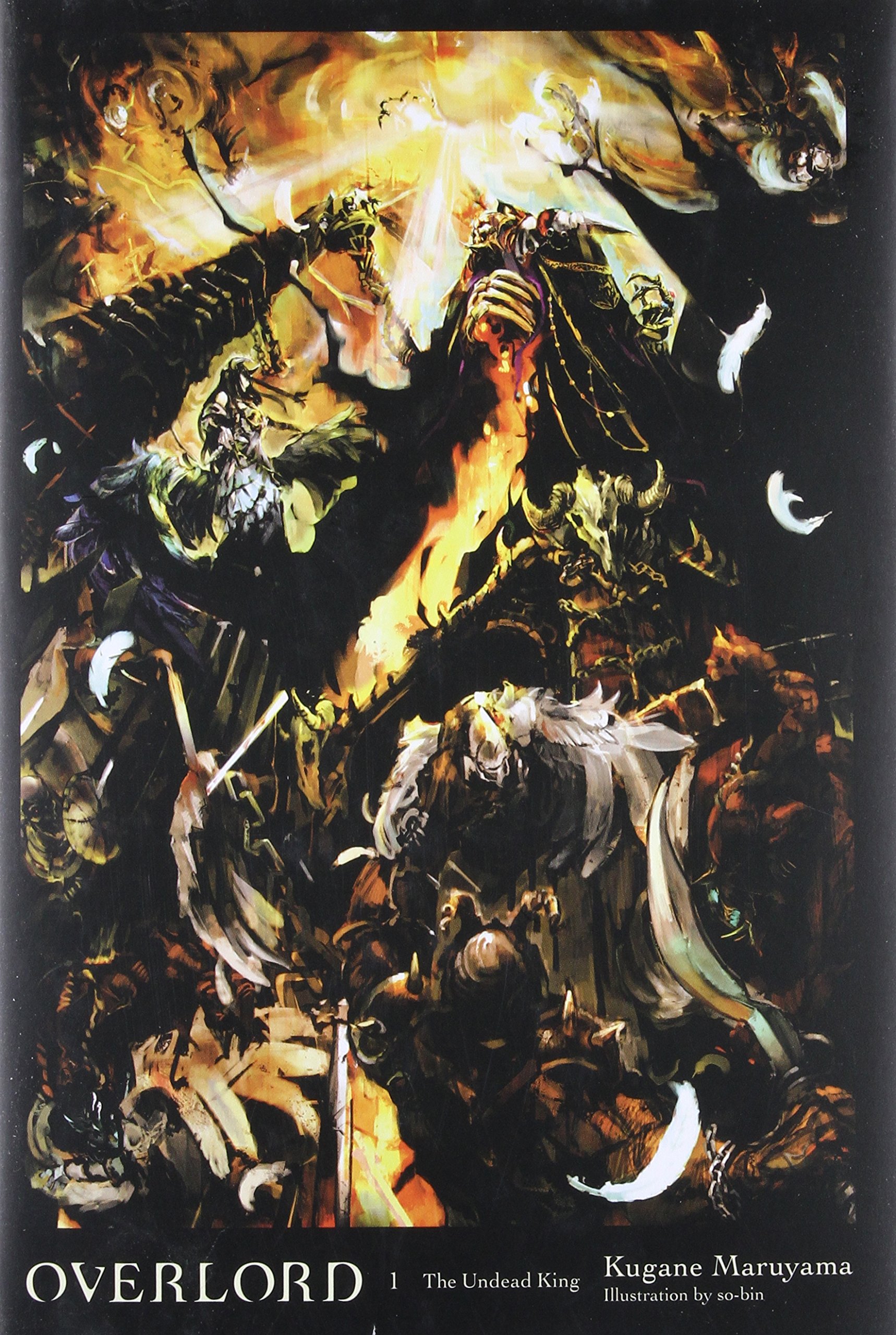
THE PERFECT COVER

(pick a cover you would want on your own book)

I want a cover similar to this on one of my books someday. Either that, or something that disturbs just to look at it.


THE PERFECT ENDING

(pick a book that has the perfect ending)

My favorite endings in horror have the horror continuing on long after the heroes appear to have won. So if I have to pick one that’s a good example, I think I’ll go with Needful Things by Stephen King. Great book with an enigmatic and terrifying antagonist. If you haven’t read it yet and you have a stomach for horror, you might want to change that sooner rather than later.


I TAG THEE:

  • Priscilla Bettis
  • Iseult Murphy
  • Joleene Naylor
  • Ruth Ann Nordin
  • Matt Williams
  • YOU!!! (If you want to)

That’s all for now, my Followers of Fear. Tomorrow, I finally start that essay, and then I start on a new short story. But in the meantime, what did you think of my choices? Any of them resonate with you? Let’s talk in the comments.

Until next time, pleasant nightmares!