Archive for the ‘Author Interciew’ Category

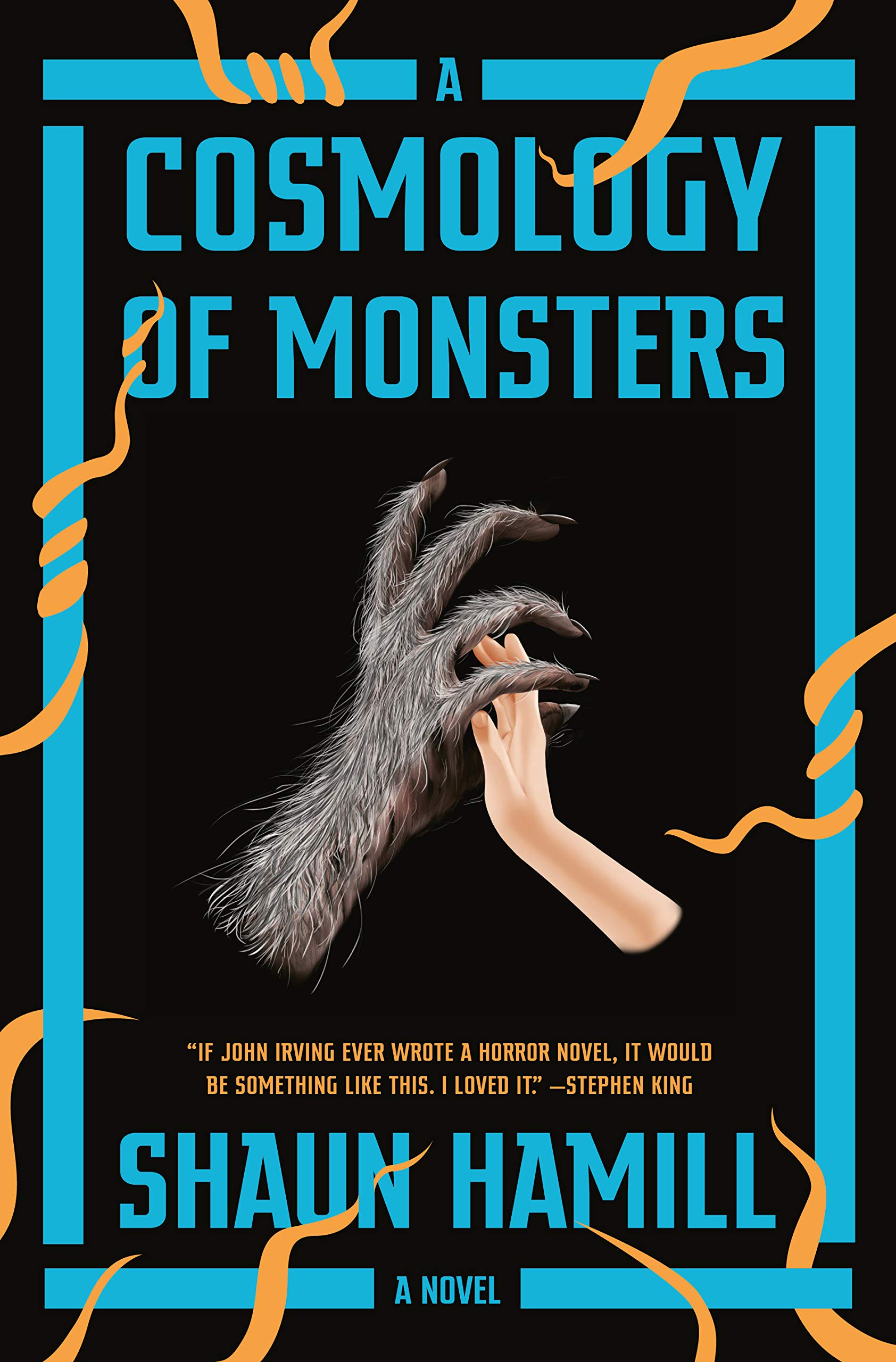
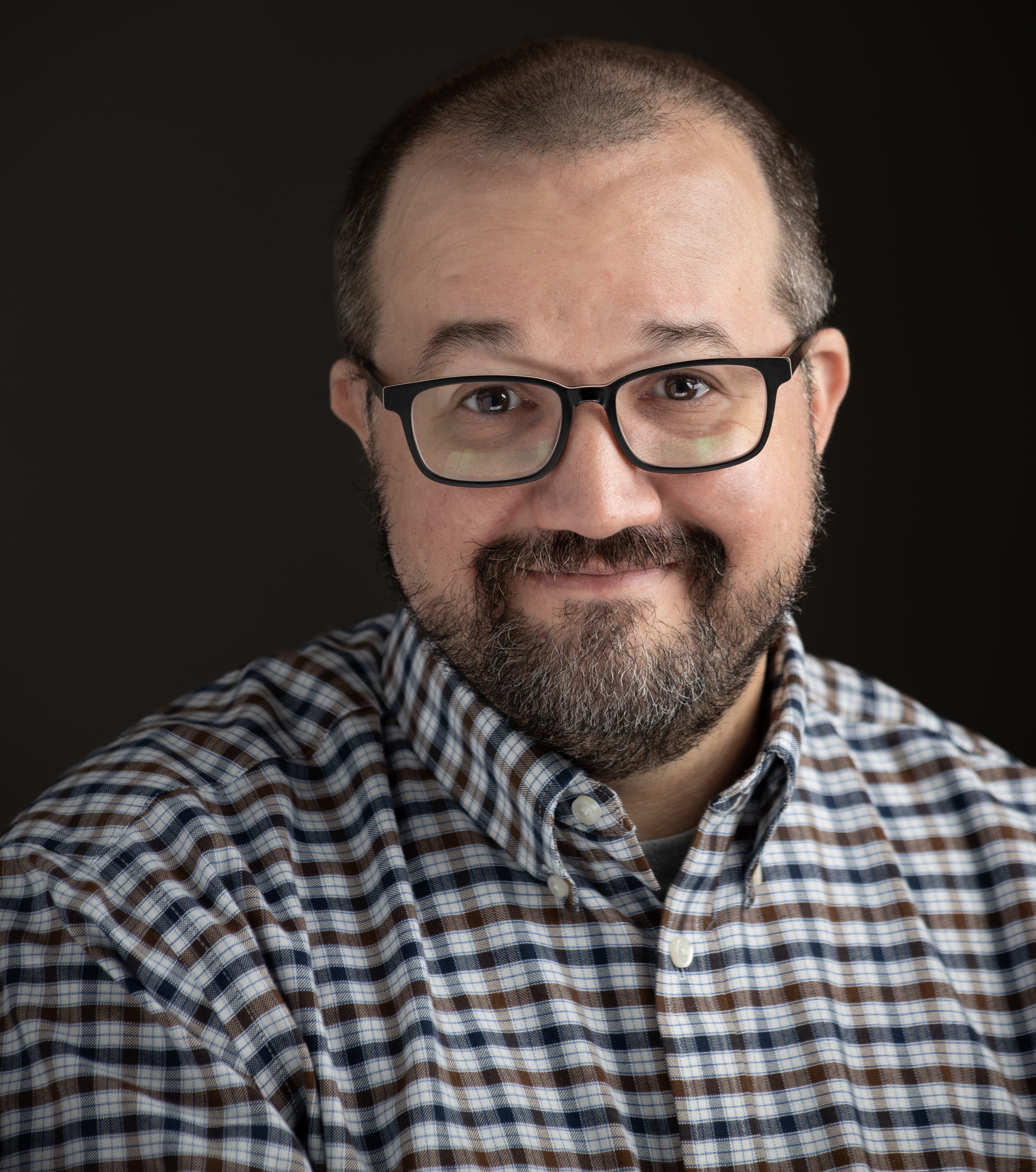
Some of you may remember prior to COVID a rather unusual novel called A Cosmology of Monsters, about a family in the business of haunted attractions and the entities that seem to haunt them through the generations (see my review here). You may also remember my interview with the author, Shaun Hamill (which you can read here). Well, Shaun’s got a new novel called The Dissonance coming out soon, and I got him to sit down with me to discuss the new book and what went into writing it.

So, without further ado, let’s do an interview!

Rami Ungar: Welcome back to the blog, Shaun. Can you tell us what you’ve been up to in the past five years since Cosmology came out?

Shaun Hamill: Like everyone else, I’ve had a crazy few years! I’ve moved from Alabama to Texas (and then moved three more times to different living situations in the last 3 years). I haven’t written as much as I would have liked, but I managed to write The Dissonance, and I have just turned in another novel I can’t talk about yet.

RU: Tell us about The Dissonance. What’s it about, and what inspired it?

SH: The Dissonance is a dark fantasy novel (with a dash of horror), about a type of magic that feeds on negative emotions: pain, depression, and the like. The only people who can use it are usually “broken” in some way—traumatized or mentally ill or the like. The story focuses on a group of friends who discover this power as teenagers, and how it shapes their lives in good and bad ways. It was inspired during COVID, when I couldn’t see any of my friends in person. I missed them terribly, so I wrote a novel about friendship.

RU: Can you tell us a bit more about the novel’s themes and influences?

SH; As previously mentioned, friendship is a huge theme of The Dissonance. So is trauma, and pain, and regret. It was influenced mainly by Susanna Clarke’s Jonathan Strange & Mr. Norrell and Lev Grossman’s The Magicians. Some reviewers are also comparing the novel to IT (it deals with a group of friends and has a split timeline between their adolescent and adult lives), so that’s in the mix, too!

RU: Nothing wrong about being compared to IT, especially when it’s favorable. So, do you think your writing style has changed at all since Cosmology?

SH: I’m not sure. When I started The Dissonance, I set out to write a more accessible book, with characters who were a little easier to love and root for. I also wanted there to be more action and excitement. Whether that means a change in style? I couldn’t say. Maybe I’ve gotten a little less pretentious? I’ll be curious to see what readers of Cosmology think.

RU: I’ll be sure to let you know. Now, I’ve noticed based on Cosmology and on the description for The Dissonance, but you seem to have a thing for cosmic horror. Can you tell us your thoughts on cosmic horror and what about it you like?

SH: Yeah, I’m a cosmic horror nerd for sure. I think it stems from growing up religious (although I’m not a believer anymore). I was always fascinated by the awe and wonder that came with believing in something bigger than myself, and when I discovered cosmic horror (relatively late, in my early 30s), I found something more in tune with my personal feelings about the universe: a dark wonder, and the sense that reality is bigger and more complex and strange than any of us can ever comprehend. The best we can hope for in this life is a peek behind the curtain. Weird fiction is all about that curtain.

RU: It also seems this book will be delving quite a bit into witchcraft and the occult. Do you have experience with magic and witchcraft, or did you do a bunch of research and then make up the rest?

SH: I have an ex who practiced a bit of witchcraft. I’ve partaken in a couple of rituals (which I found as boring as church), and have spent my fair share of time in wiccan shops, browsing books of spells and baskets full of crystals and whatnot. In The Dissonance I employ a little bit of that knowledge, but mostly stick to made-up stuff, where I get to make the rules. My novel doesn’t discount the idea that pagan beliefs are valid, but it doesn’t engage with them much, either.

RU: Changing gears a bit, in our last interview, you mentioned at one point cutting down Cosmology from 250,000 words to about 100,00. Did you have to do something similar with The Dissonance?
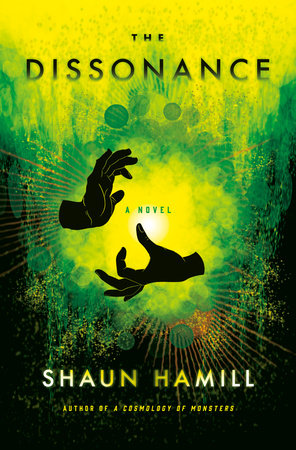
The cover for The Dissonance.

SH: Actually, it’s the opposite! I worked hard to turn in a draft of The Dissonance at about 100,000 words. When my editor bought the book, she encouraged me to open up the world and story, and we ended up adding almost 50,000 words to the novel. Just like the cuts were appropriate for Cosmology, I think the additions ended up helping The Dissonance. The early drafts of the novel were very fast-paced—a little too fast. We needed to slow down (just a little) and give the characters time to breathe and feel between the action beats. We needed to show them having fun in addition to getting into trouble. The resulting novel is almost 50% longer than Cosmology but I have yet to hear anyone complain about the word count, so I think we got it right!

RU: Before we wrap up, are you working on anything new and spooky right now? And do you have any exciting future plans?

SH: I just turned in my third novel (which I can’t really talk about yet). It’s definitely on the spooky end of the spectrum. I’m also in talks for a fourth book (which I also can’t talk about), and have given my agent outlines for two possible other novels. So I’m going to be quite busy for the next few years! Hopefully I’ll be publishing more than once every half-decade from now on.

RU: Final question: what are some horror stories you’ve read recently that you’ve enjoyed?

SH: I loved Rachel Harrison’s latest novel, Black Sheep, and Clay McCloud Chapman’s What Kind of Mother. I’m really excited for Gabino Iglesias’s House of Bone and Rain. I haven’t been reading as much horror recently (because of the fantasy edge of The Dissonance, that’s been most of my reading), but I need to get back into it!

RU: I hope you do! It’s an amazing genre, after all. And thank you again for joining us once more.

If you’re interested in checking out The Dissonance, it comes out July 23, 2024 and is available for preorder from most retailers. And if you want to follow Shaun Hamill, you can follow him using the links listed below.

I hope you’re as excited as I am to read this book, my Followers of Fear. And until next time, good night and pleasant nightmares!
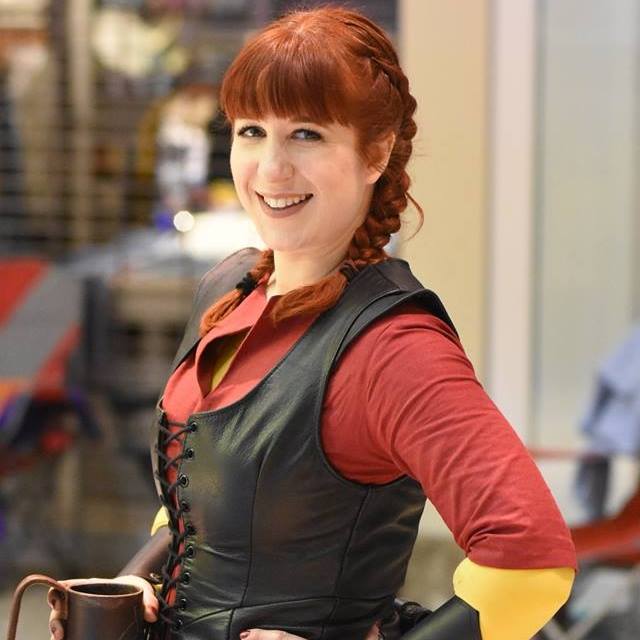
On today’s interview, I have a very special guest with an amazing story. Some of you are probably already familiar with her story: earlier this month, fellow Ohio author Chelsea Banning took to Twitter to vent her feelings. She’d been at a book signing for her debut fantasy novel, Of Crowns and Legends, where forty people RSVP’ed that they would attend, but only two arrived. The response from the Writing Community was unexpected and massive, with many authors, including Stephen King, Neil Gaiman, and Joyce Carol Oates offering their own stories of poorly-attended events and offering their own help for Ms. Banning’s career. Stephen King even went out of his way to let his entire Twitter following know about her next event the moment she tweeted about it!

Since then, word about Of Crown and Legends has also spread and has become an Amazon bestseller with plenty of positive reviews (seventy-five at the time of posting). This is hopefully the beginning of a prosperous career, so I thought I’d pick the author’s brains sooner rather than later. So, please welcome Chelsea Banning, author of Of Crowns and Legends, to my blog.

Rami Ungar: Welcome to my blog, Chelsea. Tell us about yourself and your book, Of Crowns and Legends.

CB: My name is Chelsea and I am a Young Adult/Teen Librarian by day and author by night. I am also a self proclaimed geek. I love Marvel, Lord of the Rings, Star Wars, cosplay, and Renaissance Faires. My book Of Crowns and Legends follows the twin children King Arthur was never supposed to have 20 years after his death. It is about their struggles to live in his shadow while also dealing with an upcoming war.

RU: I’m something of a big Arthurian legend fan myself, and have even written about it as well. What is it about the mythos that draws you to it?

CB: You know, it’s hard to say. I think it’s as mysterious as who exactly King Arthur is himself. There’s just some sort of magic that draws people into this story.

RU: Please describe your research and writing process for the book.

CB: I pretty much devoured any King Arthur book, movie, and TV show I could get my hands on. As I write, I did a bit of research along the way if I had questions. It’s a high fantasy, so it’s not historically accurate at all, but I did want to incorporate as much of myth as I could from all the different stories.

RU: Can you tell us about the book signing where only two people showed up and what happened later? What was your reaction to that?

CB: Yeah, I had reached out to Pretty Good Books after I saw them have another author signing. I had heard from quite a few of my friends saying they were planning on coming out, and then when the signing happened and only 2 people came, it was a little disheartening. I was still feeling a little bummed the next morning and just wanted to kind of get the feelings off my chest so they wouldn’t keep resonating in my head.

I did not expect it to take off the way it did and when I initially saw it, I was just in pure shock.

RU: Have any of the authors who encouraged and boosted you reached out to you personally? Have any of them read the book? What were their reactions to it?

CB: Brigid Kemmerer offered to help with advice about agents, and my old writing professor, Christopher Barzak, who is an award winning author himself, has been a huge help through all of this!

Joanne Harris offered some advice as well and it’s been so heartwarming. I love the writing community.

RU: So do I. Now, Of Crowns and Legends is currently an Amazon bestseller and averaging a 4.2 out of 5 there at the time of writing this. How does it feel to have found so many readers and getting so much positive feedback?

CB: It feels amazing. That’s every authors’ ultimate dream, isn’t it?

RU: Yes, it is. So, what’s next for you, both in terms of your writing and your career? Also, is there an audio version of your novel in the works? Asking for a friend who is actually me.

CB: I am currently working on book 2, as Of Crowns and Legends will be a trilogy. After completing this, I definitely plan to write more books. And I am working on an audio!

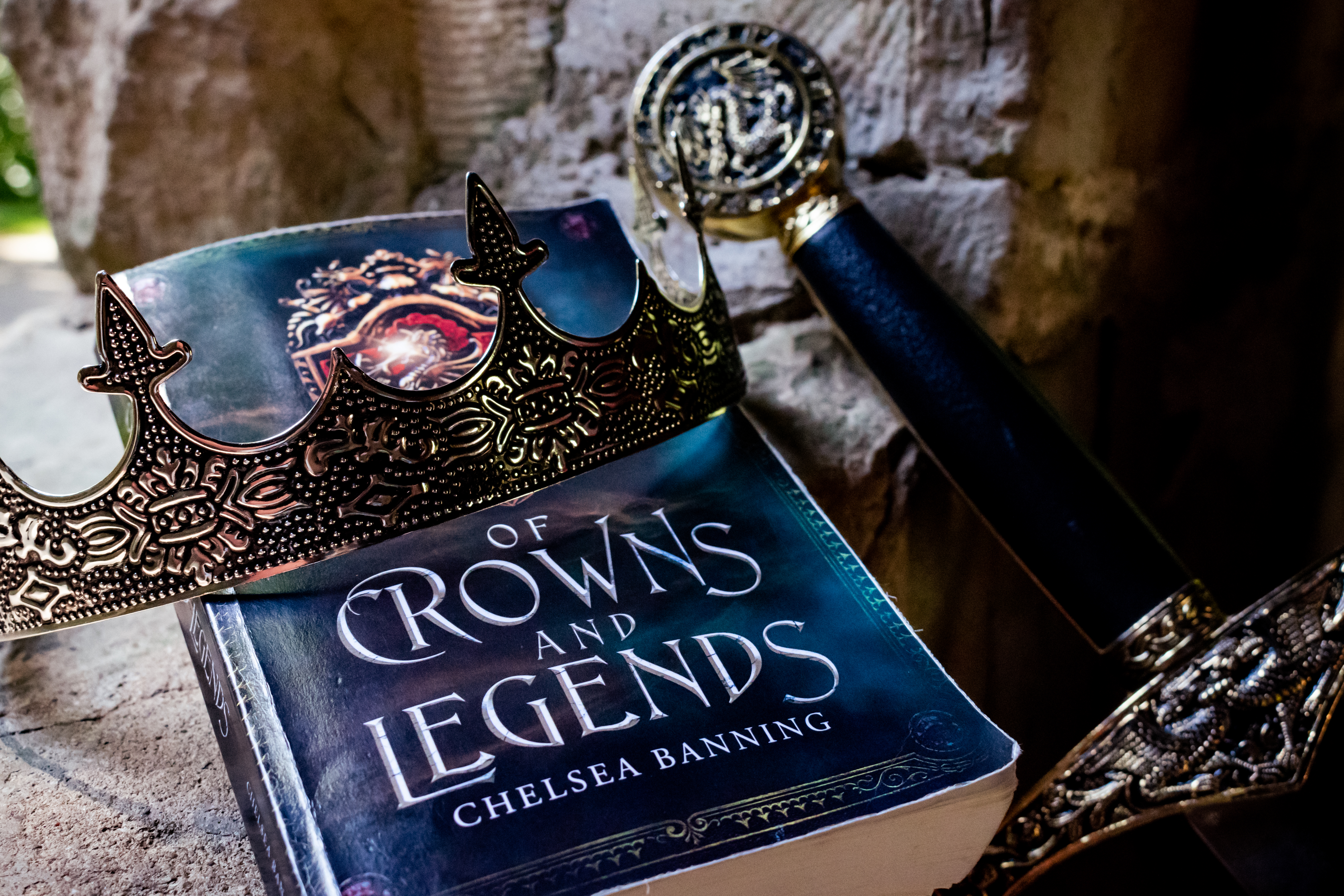
A very fantasy-esque photo of Of Crowns and Legends.

RU: Good to hear. Now, what are some books you’ve read recently and that you would recommend to other readers?

CB: Legendborn and Bloodmarked by Tracy Deonn, Queen and Conqueror by Isabelle Olmo, The Black Witch Chronicles by Laurie Forest, Among the Hunted by Caytlyn Brooke and Akithar’s Greatest Trick by Jason Dorough.

RU: What is some advice you would give to other writers, regardless of background or experience?

CB: Keep writing and don’t give up. Do some research on the writing process and pick out what works for you. Not every writer will be the same, and once you found your rhythm, writing will start to come easier.

RU: Final question. If you were stuck on a desert island for a little while and could only take three books with you for the duration of your stay, what books would you pick?

CB: A Court of Mist and Fury by Sarah J. Maas, Lord of the Rings, and The Other Merlin by Robyn Schneider.

RU: Well thank you for joining me here, Chelsea. I look forward to getting my hands on a copy of Of Crowns and Legends.

If you would like to check out Of Crowns and Legends, you can find it at most retailers where great books are sold. And if you would like to connect with Chelsea Banning, you can find her on her website and on Twitter.

That’s all for now, my Followers of Fear. I hope this piqued your interest in the novel (my interest certainly was). Until next time, good night and pleasant nightmares to all!

I got to know Heather Miller earlier this year, and I saw from the get-go that she was passionate about horror. In fact, she’s become well-known in the horror community as a horror reader and reviewer, to the point where she gets through multiple books a year and posts her thoughts on them. I considered it a true honor when she gave The Pure World Comes a four-star review.

I also learned that Heather is a writer as well, and that she had a book coming out. I not only volunteered to be an early reader (my review will be out later this month), but to interview her for my blog. So, sitting with me here today to discuss her upcoming collection, Tales My Grandmother Told Me, is Heather Miller.

Rami Ungar: Welcome to the blog, Heather. Tell us about Tales My Grandmother Told Me and some of the stories inside.

Heather Miller: Tales is a collection based on old stories and songs my grandmother used to tell and sing.  These stories are family heirlooms in a way, part of our oral history. In the book you’ll find stories of both supernatural and entirely man-made horror, you’ll find stories which are based on real events and stories which are clearly made up.  You might even find a bit of humor.

RU: What was the impetus for this collection? And was it difficult to turn those tales and songs into stories?

HM: I’ve always had it in the back of my mind to take Grandma’s stories and share them with the world.  I chose to do this collection at this particular time because my mother was in failing health and I wanted her to see our family’s stories go out into the world before she died.  Unfortunately, she passed away recently and never got to see the final copy, but she read the stories as I wrote them and knew the book was coming out.

I really didn’t find it difficult to turn the old tales into stories.  These are stories which have been percolating in my brain since childhood, so when I sat down to write, they just flowed out of me.  Some were certainly easier than others.  One in particular gave me trouble as it was one I remembered only vaguely.  But honestly, I had a lot of fun taking the old tales and twisting them around a bit, adding to them, making them my own while still honoring the old storytelling tradition of my grandmother.

RU: Did you have a particular audience in mind when you wrote the collection? Were you hoping to pass these stories to your children like your grandmother passed them onto you?

HM: The great thing about this collection is that these stories are unnerving enough to give an adult the creeps, but also perfectly suitable for older children to read.  There’s nothing in this book (aside from horror) that would be considered too “adult” for kids.  While this is certainly not a children’s book, or even Young Adult, I think these are easily stories that adults could read with their kids, if those kids like a good scare.

RU: What are some other works you’ve written? And do you have anything else coming out?

HM: I have a novella out, called Knock Knock.  It’s a modern Gothic ghost story.  Also I have stories coming out in a couple of anthologies later this year: my story “The Far Field” is part of the book These Lingering Shadows (Last Waltz Press), and my story “Baba Yaga in Repose” is in the book Into the Forest: Tales of the Baba Yaga (Black Spot Books).

RU: In addition to writing horror, you also regularly read and review horror from a variety of authors. In fact, you’ve gained a reputation as a discerning horror reviewer. How does that make you feel? Is that something you set out to do?

HM: Honestly, I just like to talk about books.  I never dreamed when I first started my Bookstagram account that just a couple of years later, publishers would be sending me books like crazy and authors would wait anxiously to hear what I had to say about their writing.  It feels good, don’t get me wrong, but it’s also sort of weird to me still.  I’m just a girl who likes to read, likes to be scared, and likes to tell other people when I find a good book.  I also have come to love the literary horror community.  They are the most amazing people.

RU: What is it about horror that draws you in? And are there any particular kinds of horror stories or genres that you gravitate to the most?

HM: I’ve always loved horror.  Even as a small child, reading picture books, I was drawn to horror elements.  It could be June and I’d still go straight to the Halloween books section when we visited the library.  If a book had witches or ghosts or creepy monsters, I wanted it.  As I grew older, I discovered adult horror and delved right in.  I think I like horror because it is such an escape.  It’s fantastical because these things will never really happen but it’s so exciting to lose yourself in that world of suspended disbelief for a while.  And who wouldn’t want to live in a world where ghosts and witches and vampires are real?

I will read almost any kind of horror as long as it’s well-written, but my deepest love will always be for the old-fashioned kind of horror, the Gothics (original and modern).  A heroine finding her inner strength while battling evil in a haunted house will never get old to me.

RU: I hear that. Now, what is some advice you would give to other authors, regardless of background or experience?

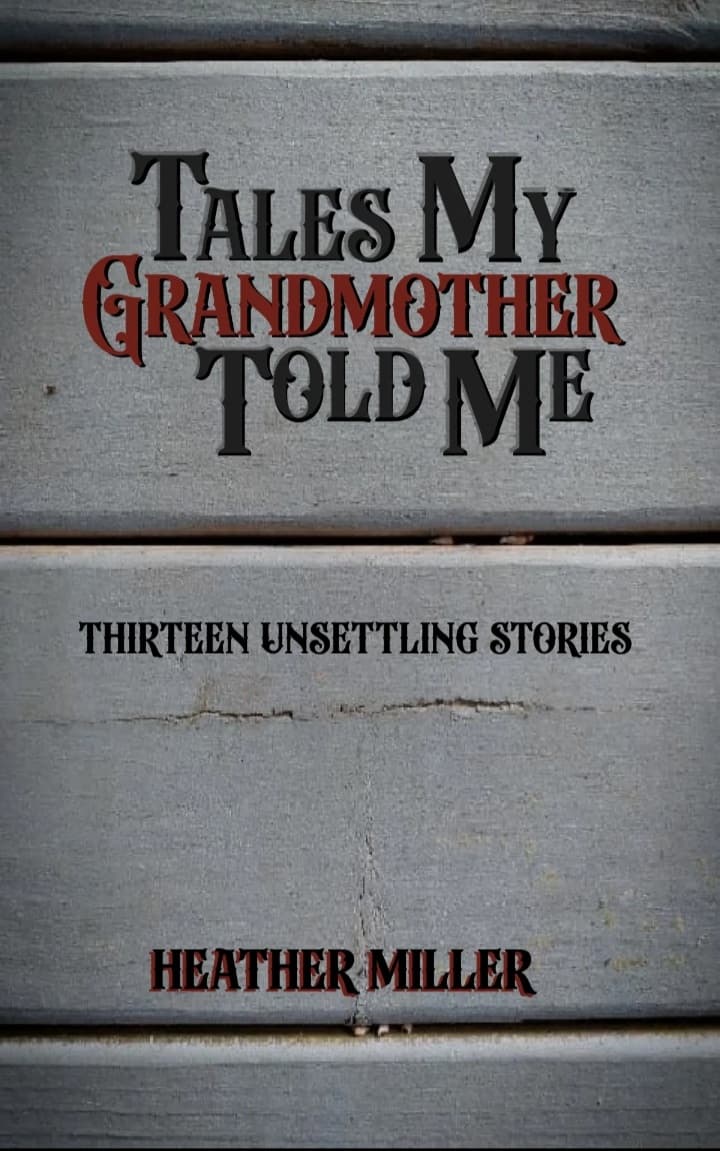
Tales My Grandmother Told Me, out September 27th.

HM: Good readers make good writers.  Read like crazy.

Don’t be afraid to write what makes you happy.  You don’t have to write a certain way or in a certain sub-genre (or NOT write a certain way or avoid a certain sub-genre) just because it’s the current trend. Whatever you write, if well-written, will find it’s audience.

Find your voice.  Find your brand.  Know yourself and let that bleed into your work.

Kill your darlings but pay your editors.

RU: All good pieces of advice. Finally, if you were stuck on a desert island for a little while and could only bring three books with you, which books would they be?

HM: The Haunting of Hill House by Shirley Jackson, Something Wicked This Way Comes by Ray Bradbury, and The Collected Tales and Poems of Edgar Allan Poe

RU: Excellent choices. Well, thank you for joining me on the blog, Heather. Good luck with the release of Tales My Grandmother Told Me.

If you would like to check out Tales My Grandmother Told Me, you can find it available for preorder from most retailers and will release September 27th. And if you would like to connect/learn more about Heather Miller, you can find her on her website, Heather Miller Horror, as well as on Facebook, Twitter and Instagram.

That’s all for now, my Followers of Fear. I hope you’ll check out Tales My Grandmother Told Me once it releases (as well as my review once it’s out). Until next time, good night, pleasant nightmares, and 58 days till Halloween!

Sarah Hans, author of Entomophobia

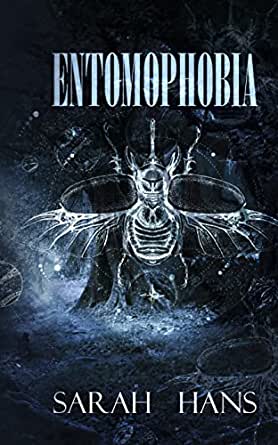
It’s always fun to talk to authors about their books and about what they’re working on. And today, I’ve got another author on, a friend of mine whose novel, Entomophobia, is only going to be around for a short while. So, to help her spread the word, I figured I’d bring her on the blog and pick her brains on her book.

I also bought a copy because Entomophobia just sounds really fun, and I love the idea of having a book that will only be available for a little while. The fact that it’s written by a friend made it extra special.

So, without further ado, Followers of Fear, let’s give it up for author, fellow HWA Ohio member, and my friend, Sarah Hans!

Rami Ungar: Welcome to the show, Sarah. Tell us about yourself.

Sarah Hans: I’m a public school teacher in my day job and I write mostly horror, but I also write science fiction, fantasy, and whatever else I can get paid for.

RU: How did you get into writing? And what exactly attracts you to the horror genre?

SH: I’ve been telling stories since before I could write. I found writing really tedious until the computer was invented, because my brain moves so much faster than my hand could keep up with a pen. Typing is much better! For a long time I wanted to be a science fiction author, because I love sci-fi and enjoy it so much, but every time I wrote something it would turn into horror, so I just leaned into that. Sometimes the genre chooses you!

RU: Tell us about your novel, Entomophobia. What is it about and what will readers enjoy about it?

SH: Entomophobia is about a woman in the middle of a contentious divorce and child custody battle who is cursed to turn into a bunch of insects. I hope readers enjoy seeing a very smart, determined woman who is down on her luck find strength within herself to keep going even when things seem impossibly terrible.

RU: A lot happens to your main character, Meri. Can you tell us a bit about her, what she’s dealing with and why readers will like her or want to follow her?

SH: Meri is extremely resilient. Her abusive husband is now getting custody of her daughter, she’s living with her awful mother, and now she’s got bugs coming out of her skin, but she’s not going to give up.

RU: I understand Entomophobia is only available for a short time. Can you explain why that is? Also, are you doing anything to keep it around longer?

SH: My publisher has closed her doors and the book will only be available through her until the end of the year. After that, I may self-publish it, because few publishers will reprint a book. I’ve never self-published before so it could be a fun new challenge!

RU: As someone with plenty of experience in that department, I’d be happy to give you any advice I can if you want it. Anyway, can you tell us about some of the other stories you’ve written and published?

SH: I have a collection called Dead Girls Don’t Love full of my short stories. Most people call them “quiet horror” because I don’t (usually) do a ton of gore. The horror is often psychological. I love to write from the point of view of the monster, or about people who become monsters. I also like to write feminist stories about the horror of living in an oppressive patriarchy. One of my best stories, “Tiny Teeth,” is available on Pseudopod episode 660 in both text and podcast format. I’m really proud of that one. It’ll be appearing in my next collection.

The cover of Entomophobia.

RU: What are some projects that you’re working on now or that you have coming up?

SH: I’m currently revising and tweaking a novella I just finished writing that’s about meth addicts hiding out in an abandoned asylum. I’m also about halfway through a historical horror novel about an identity thief who finds herself getting in way too deep.

RU: What is some advice you would give another writer, regardless of background or experience?

SH: It can be hard to give advice because there’s so much advice out there, and sometimes it’s conflicting! Some things I would say: Ask for what you want. Keep writing, submitting, revising, submitting. When you go to cons or interact online, don’t look to “network” and make contacts, be a real person, be genuine and honest. Most folks I’ve encountered in the writing community have been really kind, generous, and lovely, so be that in return. The opportunities will come—but you may have to wait for the world to be ready for your writing and be prepared for the day you’re finally a hit!

RU: Finally, if you were stuck on a desert island for a little while and could only take three books with you, what books would you pick?

SH: I’d want three books I’d never read before! Probably one young adult, one horror, and one romance.

RU: Solid choices. Thank you for being on the blog, Sarah. And best of luck with Entomophobia. I hope it gets plenty of new readers.

If you would like to get a copy of Entomophobia, you can purchase it in paperback and ebook from Amazon. And if you would like to connect with Sarah Hans, you can find her on her blog, SarahHans.com, as well as on Twitter, Instagram, and TikTok.

That’s all for now, my Followers of Fear. I hope you enjoyed this interview and are interested in checking out the book. Until next time, good night and pleasant nightmares!
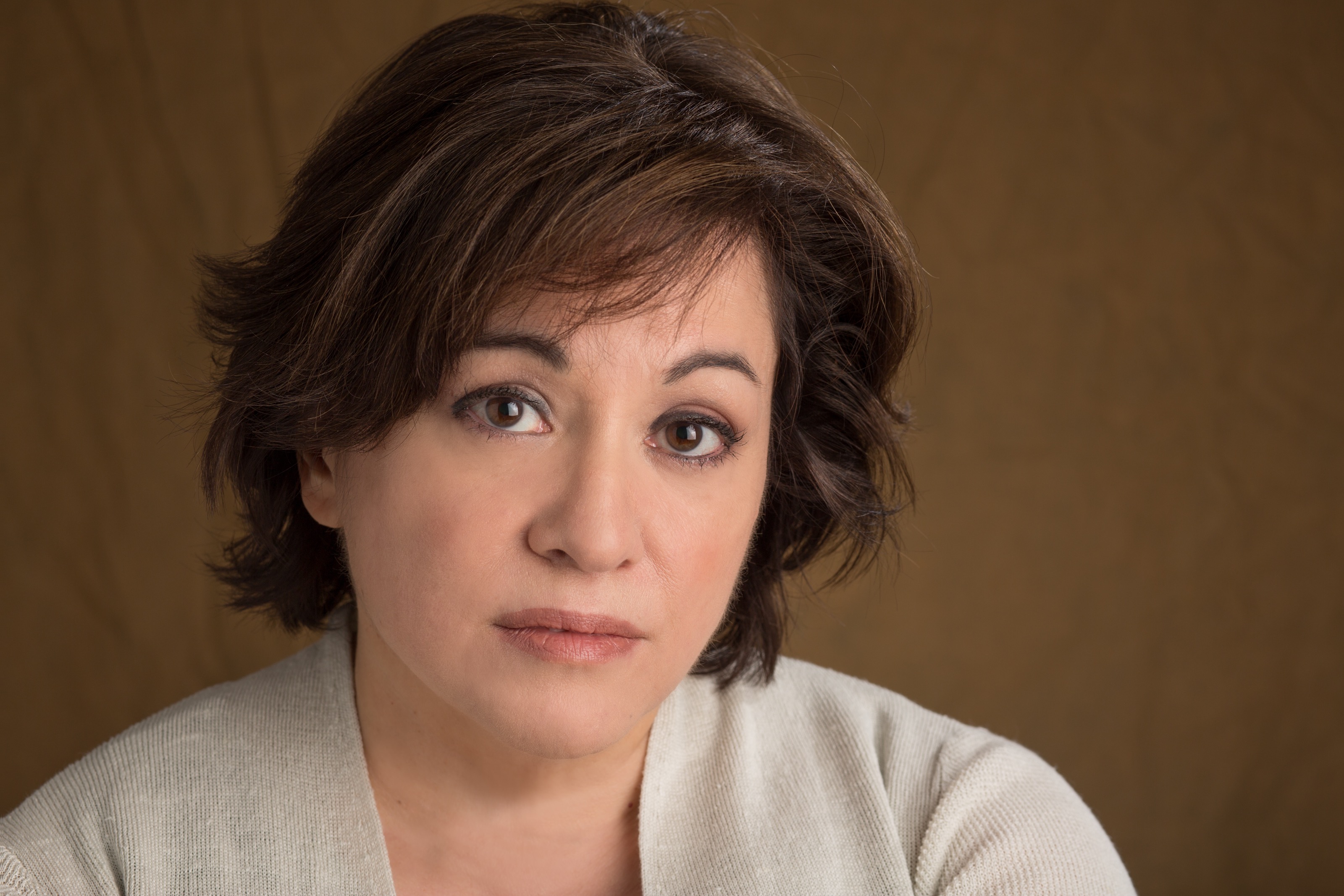
Alma Katsu. Photo by Evan Michio

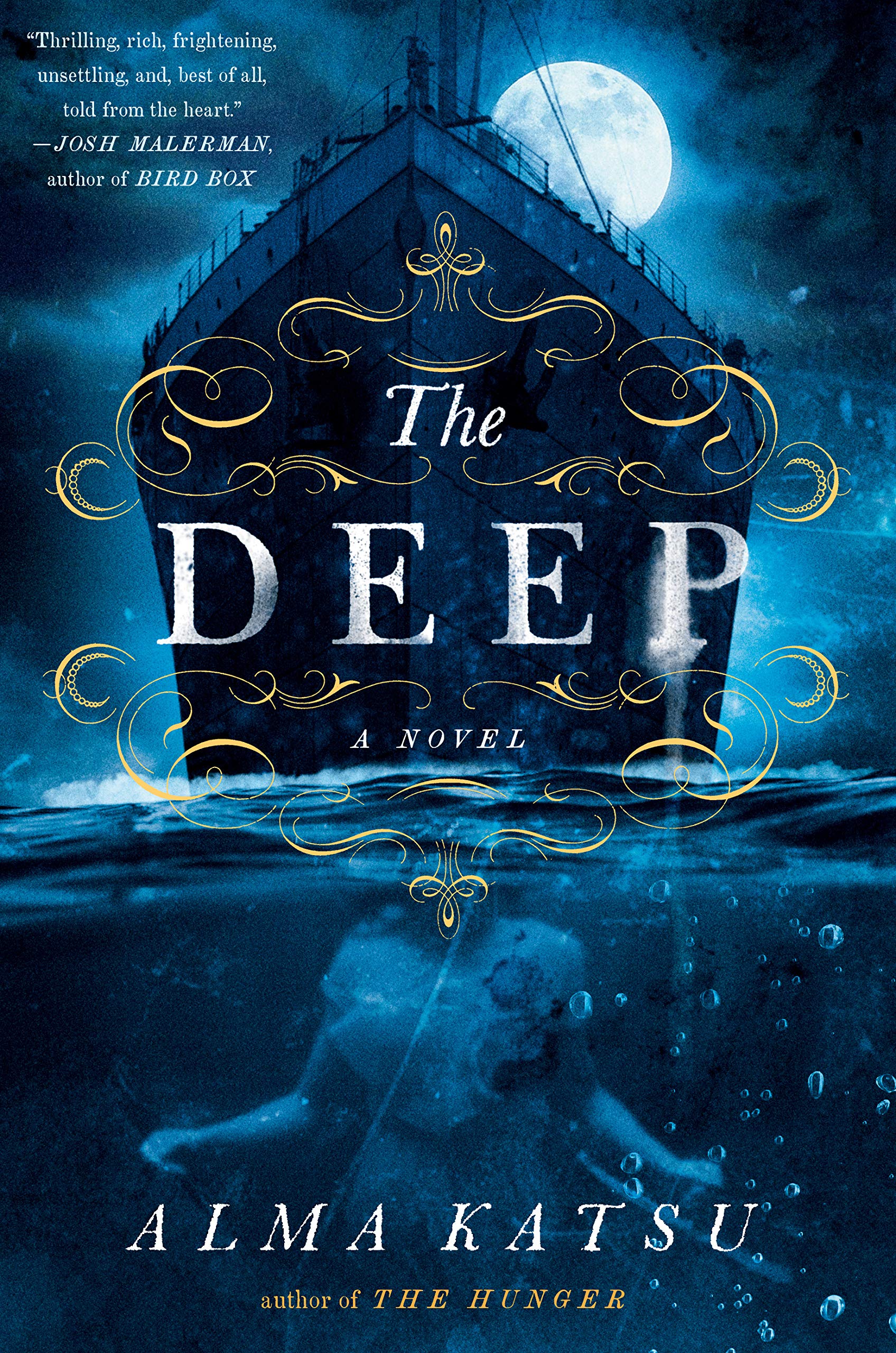
Some of you may remember at the start of the pandemic I had the pleasure to interview Alma Katsu, author of the critically acclaimed novels The Hunger and The Deep (you can read that interview here). I loved both novels, which took on the historical events of the Donner Party and the Titanic, respectively, and turned them into supernatural horror stories. It won’t surprise you, then, that I’ve been looking forward to her next historical horror novel for a while now.

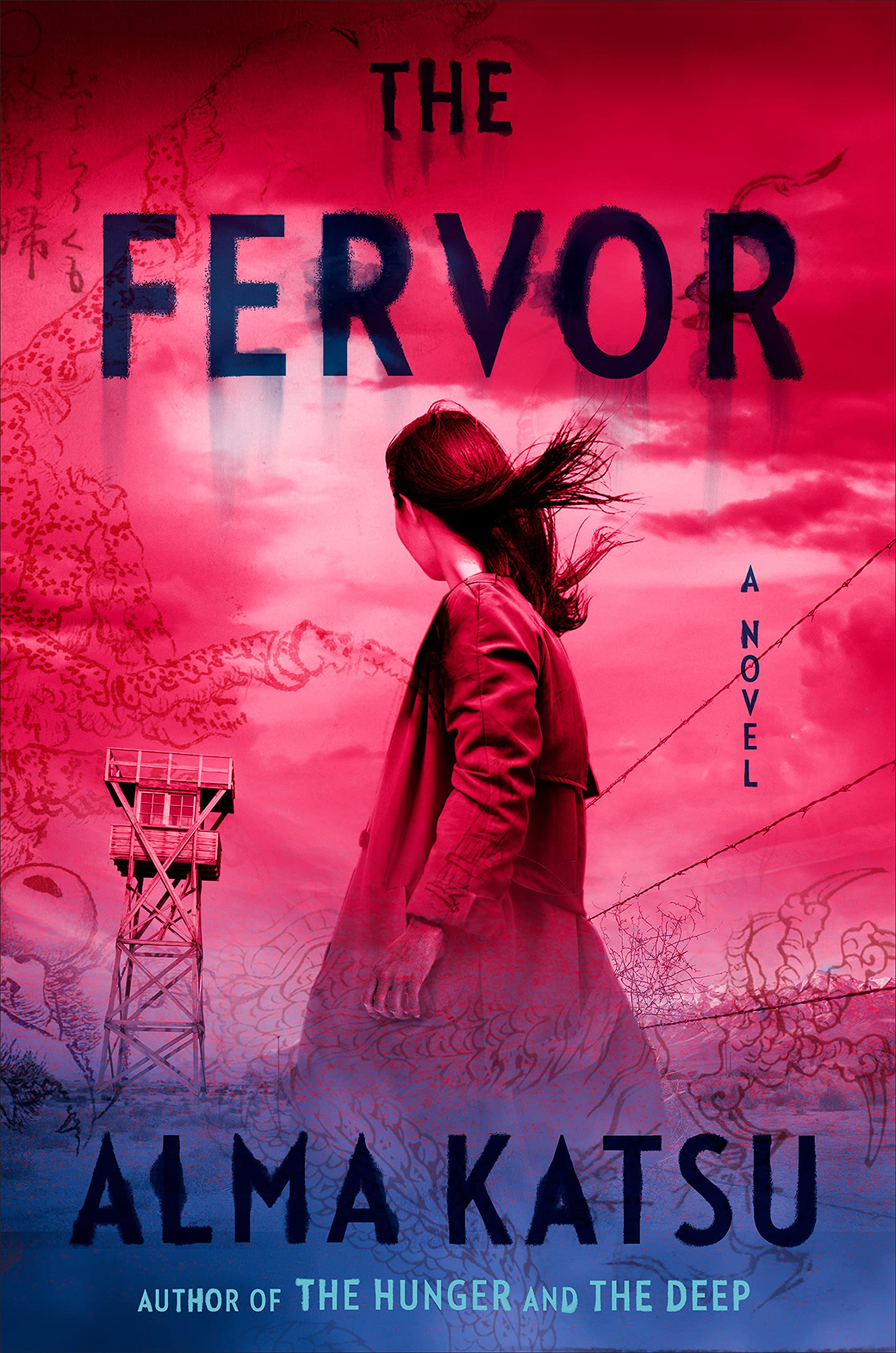
Two pieces of good news: first, Ms. Katsu has a new novel, The Fervor, coming out in late April! The novel takes place during World War II at a Japanese internment camp and involves a strange disease and a stranger monster from Japanese legend. Yeah, you can tell this is right up my alley!

Second pieces of good news: Ms. Katsu has agreed to let me interview her about the book! So without further ado, let’s talk to Alma Katsu and find out why you should be as excited as I am for her new novel.

Rami Ungar: Welcome back to the blog, Ms. Katsu. Please tell us about The Fervor and how it came about.

Alma Katsu: First came the decision to set the next book in WWII. That had to do with trends in publishing, frankly; I’d sat in on the editors’ panel at the Historical Novel Society conference a few years ago, when it was time to come up with a proposal, and their advice was that historical fiction was pretty much dead except for WWII. I’d always thought it would be interesting to write about the internment camps, but then the question was how to turn that into a horror story? Objectively, the horror should be pretty evident: here was a government locking up its own citizens, people who hadn’t committed a crime, because they didn’t trust them. Because the average citizen (with the help of propaganda) believed that Asians were inherently sneakier and untrustworthy.

RU: You’ve talked about your Japanese heritage and how it influenced the story. Can you go into that for us?

AK: This was the first time where the main character of the book has the same ethnicity as me, and it was pretty eye-opening. For one thing, as I was writing I realized that I had a lot of resentments about the way my mother had been treated coming to America after the war, and the way I’d been treated as a minority (to a lesser extent) bottled up inside. Add to that the preconceptions about Asians and Asian women, in particular. This was an opportunity to write the truth, to dispel myths. It was freeing.

RU: I can only imagine! And speaking of Japanese elements, there’s been a surge of stories inspired by Japanese culture, particularly yokai, in the West. Some examples include Nothing but Blackened Teeth by Cassandra Khaw and my own novel Rose. What do you think of that surge, and where do you think it comes from?

The Fervor by Alma Katsu.

AK: I’m afraid I don’t have much to offer here. I know some folks are big into Japanese folktales and such, so I’m not aware of a surge per say. It always seems to be fairly popular thanks to anime! Japanese yokai and yurei are part of the fabric of life for Japanese, and so I’d heard and read stories when I was a kid, and it didn’t seem you could tell a horror story with Japanese characters without incorporating it in some way.

RU: Well, I can attest that anime was definitely an influence on me. Anyway, The Fervor also involves an epidemic in a Japanese internment camp. Did the COVID-19 pandemic influence your decision to include that?

AK: I drew on COVID, yes, the feelings of mass panic and confusion, but The Fervor is about racism. I decided to write it after watching what’s been happening to this country over the past four years or so. I’m not naïve but it’s been bewildering to see racism go mainstream in America. It’s comforting in a way to think it could be a disease, something you could catch, as that at least is understandable. The January 6th attack on the Capitol also influenced the book: The Fervor was an attempt to look at what this country has been going through and compare it to another horrible incident in America’s past, and show that we haven’t changed much.

RU: I’m looking forward to seeing how that plays out in the book. So, what research did you do for the book?

AK: This was different from The Hunger (the Donner Party) and The Deep (the sinking of the Titanic), events that I didn’t know a lot about. I already knew a lot about life in the internment camps, because I’d heard stories from my in-laws, seen documentaries and read articles. I knew what the issues were, I knew how the interned felt and what they had gone through. For the book, it was more a matter of filling in the gaps. I lucked out in that a neighbor’s family had been interned at Minidoka, which is featured in the book, and had a trove of documents from the camp: maps, rosters, newsletters, all kind of non-official documentation that typically gets lost to time. It was a real windfall.

RU: Yeah, primary sources like that are always a boon when writing about history or using it. And speaking of which, you’ve written about the Donner Party, the sinking of the Titanic, and now the Japanese internment camps. Are there any other ages or historical events you would want to write a story about?

AK: After doing three books and having them change a bit each time (going from being fairly close to the history to becoming reinterpretations of events, maybe just shy of alternate histories), I think it’s time to re-evaluate. I’m sure there are plenty of interesting historical events (I’d love to do another Western, for example) but I’m a little burned out on close reads of history right now.

RU: Fair enough. Switching gears a bit, what are you working on nowadays? And when can we expect to see the TV series based on your spy novel, Red Widow?

AK: I just handed in the second in the spy novel series, and though I’m sure it’ll need some work, I’m glad to have that behind me. I’m working on a new project that I can’t talk about at the moment, and hope to be pitching a few TV proposals soon.

Red Widow, the TV series, is chugging along. The pilot script is being polished right now, and we hope to know whether we’ll be shooting the pilot before too long.

RU: Final question: what are you reading these days? And are there any recent reads that you would recommend others check out?

AK: There are so many great books coming out this year that it’s hard to single out just a few. Let’s see… SA Barbes’ debut Dead Silence just came out. It’s space/horror: think Aliens meets Titanic.  It’s a lot of spooky fun. I had the opportunity to read Andy Davidson’s The Hollow Kind, a wonderfully suspenseful, creepy southern Gothic with a dual timeline. It doesn’t come out until October, however. I’m really excited for Catriona Ward’s next novel, Sundial, which I think I liked even better than Needless Street.

RU: Well, thank you for joining us, Ms. Katsu. It was a pleasure to have you again. Please keep us posted on your progress.

If you are interested in The Fervor, you can preorder it now from most retailers. You can also check out Ms. Katsu’s other books, including The Hunger, The Deep and Red Widow. And, of course, you can find Ms. Katsu on her website, Facebook, Twitter and Instagram.

That’s all for now, my Followers of Fear. I look forward to reviewing The Fervor this coming spring. And in the meantime, I’m sure I’ll be back soon with plenty to share with you. Until next time, good night and pleasant nightmares!
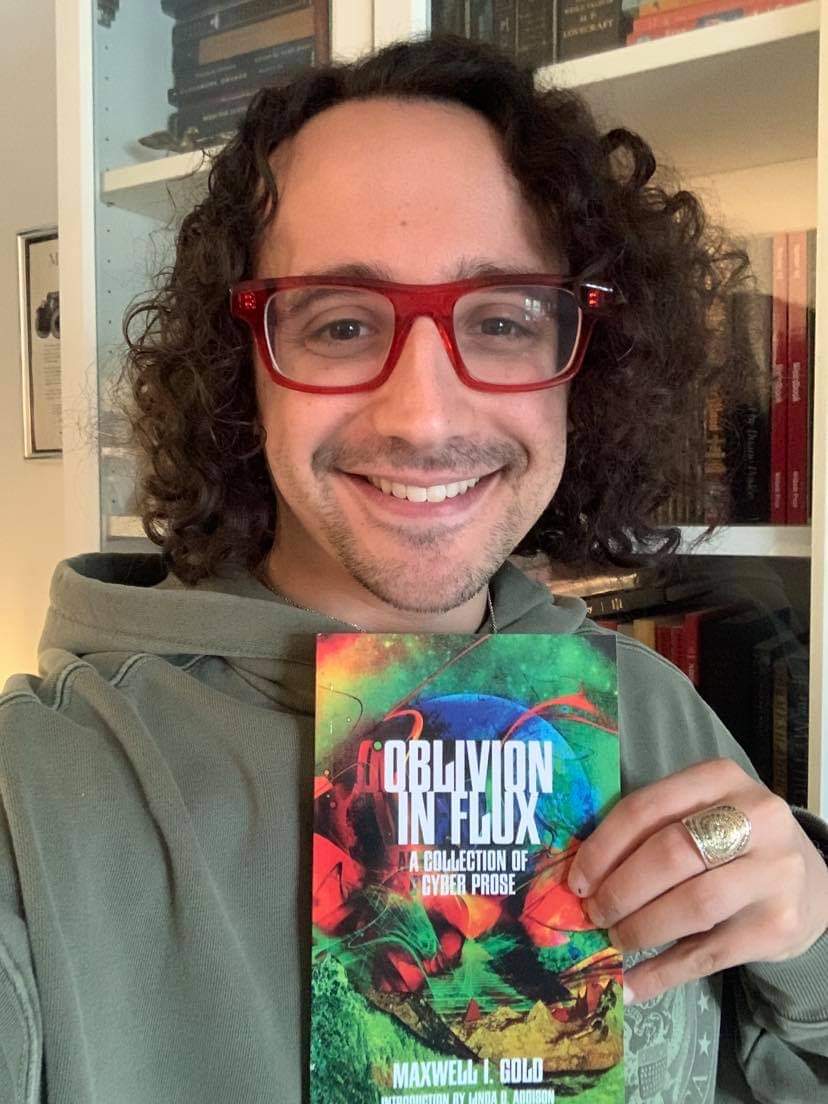
Maxwell I. Gold, author of Oblivion in Flux.

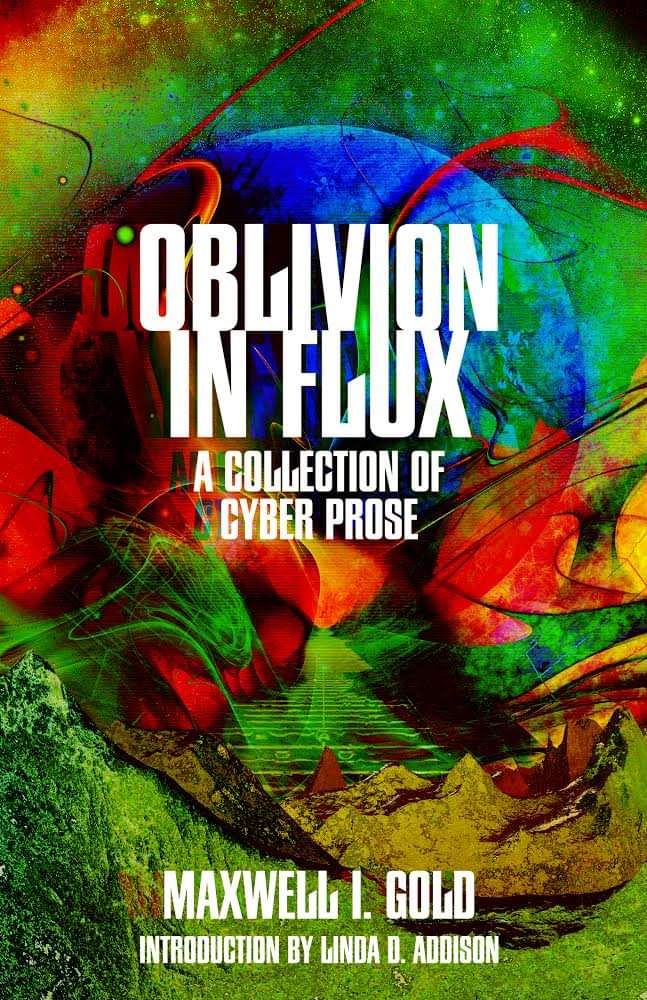
After so many years of writing and networking, I’ve had the pleasure of making many friends who also enjoy a good scary story. Recently, one of those friends had a collection of prose poetry, Oblivion in Flux, released, and I had the opportunity to sit down and talk with him. Ladies and gentlemen, please welcome to Rami Ungar the Writer my fellow HWA Ohio member and creator of the Cyber Gods, Maxwell I. Gold!

Rami Ungar: Welcome to the show, Max. Tell us about yourself and your career as a writer.

Maxwell I. Gold: I’ve always had a passion for storytelling and believe it or not, poetry was not my first love. Growing up I read mostly literary fiction and fantasy (Robert Louis Stevenson, Dante, Victor Hugo) and was only exposed to weird horror and cosmic fiction much later in my post-graduate years. I didn’t begin my career, not my favorite term, as an author until 2017 when I had my first prose poem Ad’Naigon published in Spectral Realms from Hippocampus Press. Since then, I’ve published over 100 poems and short stories in both print and online formats.

RU: For many readers, prose poetry is something they’ve never heard of before. The name itself sounds kinda contradictory. Can you tell us a bit about what prose poetry is and some famous examples?

MIG: Prose poetry is not a new art form, I’m merely another creator who’s attempting to shed some light on this exquisite act of poeticism. A lot of confusion that arises when reading prose poetry is people tend think there must be a narrative, and there certainly can be, but it’s not a requirement. For me, when I am writing a new piece sometimes, I imagine brief snippets of a memory possibly forgotten, or a broken dream. All jagged pieces of something bigger that connect in a mad Escherian jigsaw puzzle.

A few famous and favroite examples of mine are Clark Ashton Smith’s Memnon’s of the Night and Arthur Rimbaud’s The Drunken Boat.

RU: Look those up if you’re curious, folks. Now tell us how Oblivion in Flux came to be.

MIG: There’s no fluid answer to this question as it arose out of a few serendipitious conversations with editors, and I wanted to have a collection of prose poems that painted a broad picture of the vivid world where the Cyber Gods dwelled.

RU: Great segue, actually. What are the Cyber Gods you feature in your work and how do you come up with them? And is there any influence from the Cthulhu Mythos?

MIG: Strangely enough, this has been a continuously evolving question and that was purposeful. The Cyber Gods began as a thought experiment, like something meant to be beyond the scope of human reason still borne of our own confused, deranged, and quietly destructive philosophies. Something worse than any Elder God or Old One. I was not directly influenced by Lovecraft’s pantheon of gods as much as I was by this concept of cosmic nihilism, that no matter the value placed on a thing or a valued system of things we’re still like mites scrambling to justify meaning in a world we’ve either doomed to oblivion or worse.

As for the Cyber Gods themselves, they aren’t esoteric as much as they are conceptual. This doesn’t mean they aren’t personified in my stories or poems. For example, Hazthrog is a cosmic virus, but appears in one story as a literal ball of sludge that consumes the planet. Ad’Naigon, the first Cyber God, exists 14 billion light-years away at the edge of known space as a yellow neutron star. This is because at the time I created the character the farthest humans could see towards the edge of known space was 14 billion light-years.  

RU: What is it about prose poetry and dark fiction that draws you to them?

MIG: As I mentioned previously, I enjoy creating terrifying moments sometimes more than writing longer pieces of fiction.

Oblivion in Flux by Maxwell I. Gold

RU: What are you working on now? Any projects in the near future you can tell us about?

MIG: I’m currently working on a collaborative book of poetry with Bram Stoker nominated author Angela Yuriko Smith, titled Mobius Lyrics. I’m also working on a novella titled The Unspeakable: A Cyberland Tale.

RU: Cool! What are you doing when not writing?

MIG: Watching too many shows on Netflix or reading or playing the piano.

RU: I know two out of three of those way too well. What is some good advice you would give to another writer, regardless of experience or background?

MIG: Never stop writing. I know that sounds cliché, but it’s true, persistence pays off in the end.  Always write when you can, and always try something new when you can.

RU: Final question: if you were stuck on a desert island for a while and could only bring three books with you for the duration of your stay there, which would you pick?

MIG: Craig L. Sidney’s Sea Swallow Me, John Langan’s The Wide, Carnivorous Sky and Other Monstrous Geographies, and Matt Cardin’s To Rouse Leviathan.

RU: Thanks for joining us, Max. It’s been a blast!

If you enjoyed this interview, you can find Maxwell I. Gold on his website, The Wells of the Weird, as well on Instagram as @CyberGodWrites, and on his Amazon Author Page. And of course, make sure to read Oblivion in Flux if you’re a fan of dark poetry like what Max writes! You can find it here.

You can find more conversations with my fellow authors on my Interviews Page here.

And finally, if you’re an author with something coming out soon and want to talk about it, hit me up at ramiungar@ramiungarthewriter.com. If I’m not too busy, we might be able to make some magic happen.

That’s all for now, my Followers of Fear. I’m sure I’ll have more to talk about soon. Until next time, good night and pleasant nightmares!
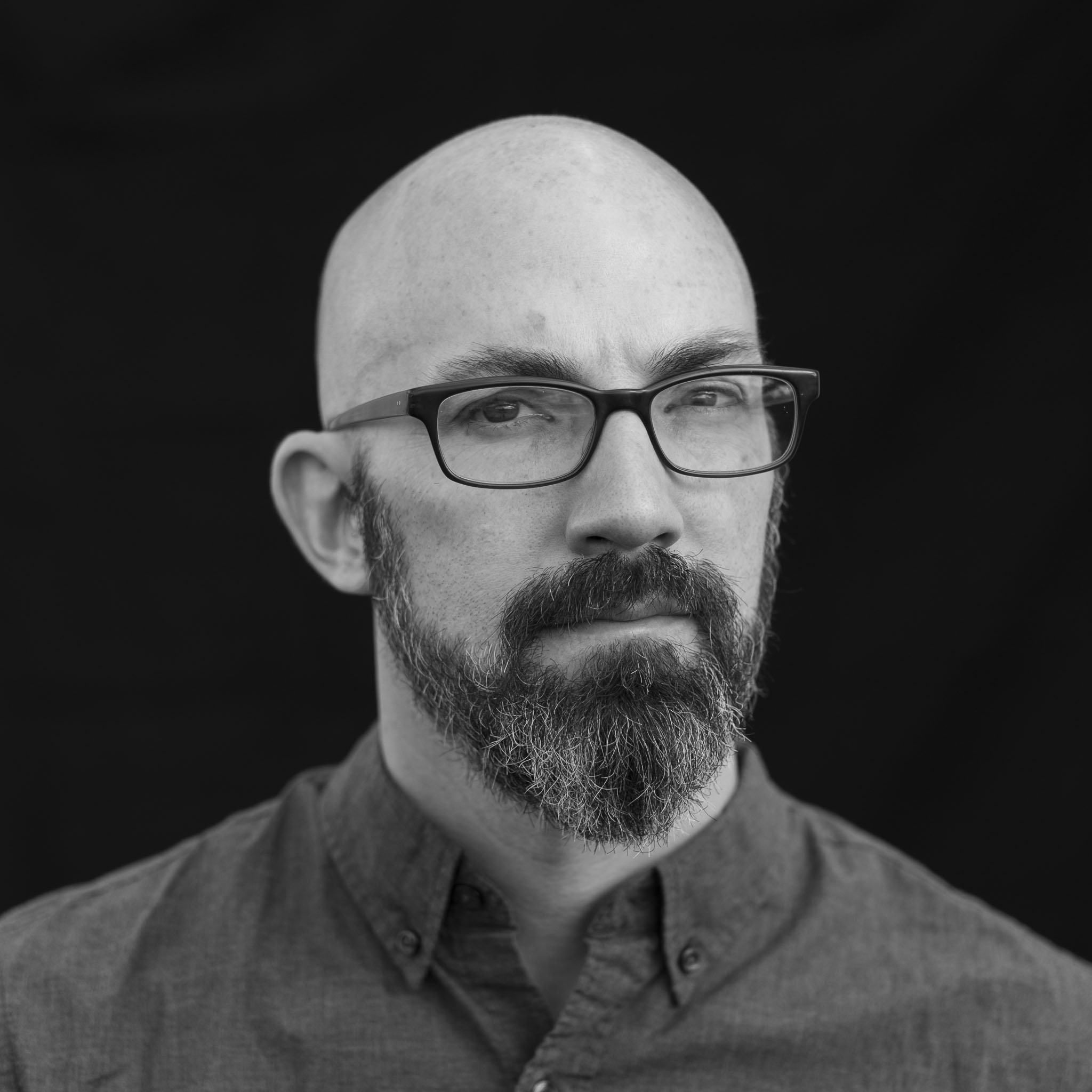
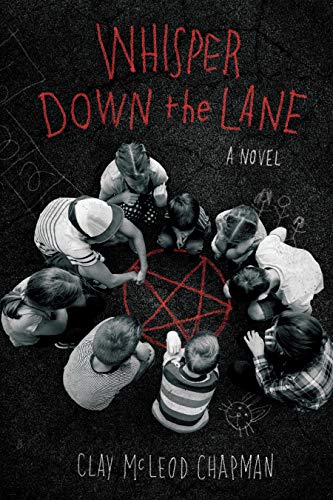
As many of you know, I recently read and reviewed Whisper Down the Lane by Clay McLeod Chapman (read my review here). And now, I’m very happy to let you know that I recently was able to connect with Mr. Chapman and pick his brain a bit. So you know what happens next, Followers of Fear: it’s a brand new author interview!

So, without further ado, let me introduce Clay McLeod Chapman!

Rami Ungar: Clay, welcome to the show. It’s good to have you. Please tell us about yourself and a bit about what you do.

Clay McLeod Chapman: First off, just to say it, thanks for having me out… I really appreciate you inviting me to answer some questions and chat about Whisper Down the Lane.

So. My name’s Clay. I was born at the base of the Blue Ridge Mountains in Roanoke, Virginia, and eventually raised in Richmond. I lived in Virginia for pretty much all my childhood, with a year in North Carolina, before moving up to New York. That’s been home for over twenty years now.

As far as my work is concerned, I’ve been pretty damn fortunate to live a humble existence writing and telling stories in a few different mediums… I get to write fiction, both short stories and novels for readers both young and old, while also writing for comics, film and television, theater and podcasting. It’s been a master-of-none kind of life.

RU: Tell us about Whisper Down the Lane. What is it about, how did you come up with it, and what was it like writing it?

CMC: Whisper Down the Lane is a story told in two different time-lines—one set in 1983 and the other in 2013—and how the moral mania of the Satanic Panic period of the 80s continues to echo out into our contemporary culture. The basic premise is: Sean, five years old, tells a little white lie to his mother. That lie ripples out and effects his family, his friends and classmates at school, the teachers and the administration, on to the community at large and then consuming the rest of the country…

Now, imagine thirty years later, meeting a man named Richard. He’s a newly-married teacher with a stepson. Life is good, until one day, the lies that Sean told decades ago somehow seem to manifest themselves within Richard’s life. The stories Sean made up as a boy are becoming true for Richard.

The past is never quite through with us, I guess you could say, no matter how hard you try to run away.

The idea for Whisper Down the Lane came about when I had a dinnertime conversation with my mother about a particular moment that I remembered from my childhood… that she insisted wasn’t true. It was unnerving to me because the two of us couldn’t reach a consensus point on this specific event that I would’ve sworn was true, but she was pretty emphatic was not. If she was right and this memory wasn’t real, what else about my childhood was I wrong about? What else could I have made up in my imagination? This led me to think a lot about false memory syndrome or repressed memory therapy, which was one of the foundational aspects to the Satanic Panic period… planting the seed for Whisper.

Writing the novel was pretty terrifying, to be honest. I’m not an author who comes to the table with a lot of confidence, and this project in particular always threatened to get away from me. I had very little self-esteem while writing it, essentially working in a constant state of panic… which I think, to a certain extent, actually aided in the paranoia that runs rampant throughout the narrative. Not that I personally recommend writing anything under those conditions.

RU: The story is heavily influenced by the Satanic Panic and the McMartin preschool trials of the 1980s. Do you have any memories of those events and did they have any influence on the book?

CMC: As a child of the 80s, essentially living in a Spielbergian lens flare, I do remember the vaguest hints of Satanic Panic. I definitely didn’t know about the McMartin preschool, but I was certainly entrenched in stranger danger and the vocabulary of the devil… As children, my friends and I were told to always watch out for the white van with no windows that prowled our neighborhood. I vividly remember seeing with my own eyes a spray-painted pentagram on the walls of our neighborhood swimming pool. It was a wild time to be a kid, because our parents essentially let us loose after school to Schwinn throughout the neighborhood with zero supervision… It was amazing we didn’t break our necks or get run over. And yet, there were these warnings from our parents about some ethereal threat: Men we didn’t know who would lure us into their cars with promises of candy or long-haired teens smoking cigarettes and spray-painting pentagrams while listening to heavy metal music. Our parents made boogeymen out the things they were scared of, in order to frighten us into complicity, but I think in an odd way it just made these potential risks feel all the more mythic. This all rooted the writing the novel in a pretty personal place… I got to write about what scared me as a kid. Ozzy Osbourne or the razor blade in the chocolate bar. 

RU: I found the characters and the paranoia that spread among those characters to be very believable. How did you accomplish making these characters and their terror feel so real?

CMC: Well… whew. Thanks for saying that. It’s a huge relief to hear. I’m a big fan of Poe and the unreliable narrator, so for Richard in particular, I wanted to map out the mental trajectory of a narrator losing his mind. You have to start with a sturdy foundation before you can really chisel away at the bedrock below a character like that… so I found myself really having to exercise restraint before going batshit. This book needed to be a slow burn. Lay down the mental/emotional landscape first, then destroy it.

For Sean, which was a more difficult section to write, everything had to be filtered through the perspective of a five-year-old and somehow still feel believable. Writing through a child’s eyes, I feel, can be the kiss of death for a lot of books because the prose itself seems to talk down to the reader, as if they were a child themselves. It’s a tough balance to get the innocence and naiveté to ring true, while also keeping a toe-hold of a narrative that extends beyond the purview of a child… Third person certainly helps.

But here’s the truth: For both Richard and Sean, I’m just writing about things that scare me. I was—to an extent—that kid growing up, so I simply chose to write from a perspective of what frightened me as a boy. Now I’m a dad who’s utterly petrified of sending my sons into this dangerous, terrifying world… so I get to write about that newfound fear of mine. When the horror is personal, when the horror comes home, I think it simply rings true in a way it wouldn’t otherwise.

RU: What was research for the novel like? Did you learn anything that you didn’t already know that surprised you?

CMC: This book was a complete joy to research. I say ‘joy’ and I don’t mean to sound glib. I find the whole period utterly fascinating. I got to read so many amazing books on the subject… I’d be remiss if I didn’t mention my most favorite: We Believe the Children by Richard Beck. It’s an absolute must for anyone who’s curious about the Satanic Panic period.

RU: You also have experience in the comics and film industries, among others. Can we maybe look forward to a graphic novel or movie adaptation of Whisper?

CMC: Well… I’d be lying if I didn’t say I would happily sell my soul to the devil for a film (or television) adaptation.

RU: Wouldn’t we all. Now, I know you had a novel accepted by the same publisher as Whisper. Can you tell us anything about that book?

CMC: I can’t say much about the next book quite yet… It’s a ghost story, though, which I’m really excited about. I wanted to write a haunted house story and essentially spent most of my quarantine imbibing as much gothic literature as I could. We’ll see how much of it seeps into the next book, but I’ve got high hopes.

RU: Finally, data to back up my claim that people would be reading/producing a lot of Gothic and haunted house stories during this pandemic (see my initial prediction here).

Anyway, when you’re not writing, what are you doing with your time?

CMC: Those damn kids, man… I’m telling you. Raising children during these uncertain times. I’m just keeping their lung tissue as clean as humanly possible.

RU: For which I wish you the best of luck. I have enough trouble with my own lungs and people not wearing masks around me. Now, what advice would you give other writers, regardless of background or experience?

CMC: It’s an old saw, but it’s honestly the best advice—the only advice—anyone should ever give or follow: You got to put in the time. You got to write. I’ve written so much junk, and I still do… But I have to get it out of my system. I need to exercise the muscle of my imagination in order to exorcise these stories. If I don’t write them out, they just get clogged in my head. Are they all worth reading? Absolutely not. But they won’t be haunting me any longer. I’m free.

RU: I hear that. Final question: if you were stuck on a desert island for a while and could bring only three books with you for entertainment, which ones would you bring?

CMC: Geek Love by Katherine Dunn. Vice by Ai (or The Collected Poems of Ai). The Tin Drum by Gunther Grass.

Thanks so much for chatting with me! This was a total blast… Looking forward to chatting some more!

RU: Thank you for stopping by. Please let us know when your next book comes out and we’ll get you back on the show!

If you enjoyed this interview, you can check out Clay McLeod Chapman on his website, as well as Twitter, Instagram and Facebook. Make sure to also check out Whisper Down the Lane (after reading my review, of course). And if you’re an author with something coming out soon and would like to be interviewed, consider sending me an email at ramiungar@ramiungarthewriter.com. If I’m able, we’ll make some magic happen.

That’s all for now, my Followers of Fear. I’m going to take a walk before I get to work on dinner and watch a movie. Until next time, happy reading, stay safe and pleasant nightmares!
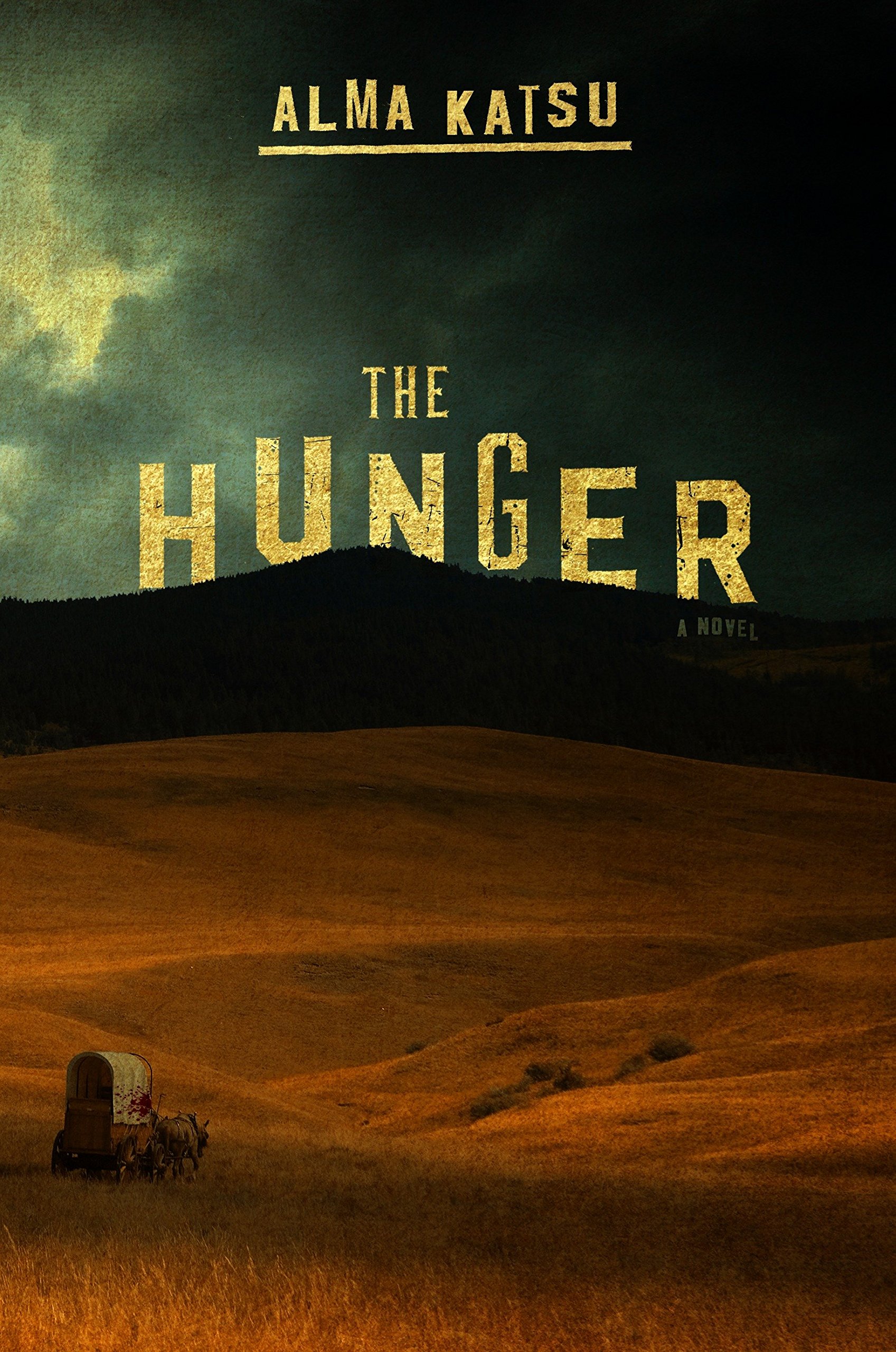
What’s up, Followers of Fear and other assorted humans? Recently, at the start of my self-isolation, I read a historical fiction novel with supernatural overtones called The Deep, which I thoroughly enjoyed (see my full review here). Having spoken with the author of The Deep, Alma Katsu, a few times over Twitter, I thought I’d ask if she’d like to be interviewed. She agreed, and the following interview resulted. Ladies, gentlemen, and non-binary gentility, allow me to introduce the author of The Deep and The Hunger (which is on my TBR list), Alma Katsu!

Rami Ungar: Welcome to the blog, Ms. Katsu. Please tell us a bit about yourself and your work.

Alma Katsu: My name is Alma Katsu and I’m the author of five novels, all historical with some element of horror or the supernatural. My most recent book is THE DEEP, a reimagining of the sinking of the Titanic and its sister ship the Britannic. My previous novel was THE HUNGER, a reimagining of the story of the Donner Party. I was very lucky with THE HUNGER, as the book made a number of best books of the year lists and was nominated for several awards, including from Locus magazine and the Bram Stoker Awards.

RU: Please tell us about The Hunger and The Deep, what inspired them and what the writing process for them was like.

AK: Both books are similar, in that they use a historical event as a springboard for a story, but different, too. THE HUNGER is a more of a dystopian—some people have compared it to Cormac McCarthy’s THE ROAD, and Dan Simmons’ THE TERROR. But both books are reflections of the eras in which they took place, which means THE DEEP is a more romantic story, very much of the Edwardian era, with its love of occultism and spiritualism. I tend to write character-driven stories, which might make for a slower pace than some fans of thrillers prefer, but I think it will hit the spot for people looking for a richer read.


My writing process for these books might seem a bit heretical, depending on what you’ve heard from other writers of historical fiction but I keep a very tight schedule doing the research. I was a professional researcher for over 30 years, so I have the benefit of a lot of trial and error and learning what works for me. I do a lot of on-the-spot research along the way, of course. Generally it takes 4-6 months to write the first draft, and then there are rounds of edits, some of which can end up changing the story quite a bit. Writing a novel is definitely a marathon, not a sprint!

RU: Or several marathons, sometimes. Continuing on the topic of historical fiction, obviously you have to take some creative liberties when it comes to famous events in history for the sake of the story. How do you decide what changes to make and how do you go about making them?

AK: Historical fiction is quite a big tent. Some books strive to be reproductions of historical fact with a thin veneer of fiction on top, but that’s not me. I use the historical event as the basis of another story, a different story, usually centered around a theme. The idea behind the THE DEEP has to do with women’s rights, which was a huge issue of the day. In the novel, you see a range of women, poor and very, very rich, struggling with the confines placed on their lives by society. On one end you have Annie Hebbley, the main character, a poor Irish girl who has come to work on the Titanic, and on the other, Madeline Astor, new second wife of JJ Astor, the richest man in America. In between you have a woman doctor (a rarity of the day), an aristocrat who earned her living running a high fashion house, and other poor women with few choices. There’s also the issue of class, and I can think of few settings better to explore this issue than the Titanic!

The changes I make to the historical record are in order to tell the story I’m trying to tell. As long as readers understand that, and are willing to give me a chance to tell them an entertaining and (hopefully) enlightening story, I don’t think there’s an issue.

RU: I have to ask, how hard was it to resist making a snarky reference to the movie Titanic in The Deep? Because the temptation would’ve killed me if I resisted.

AK: I hadn’t seen the movie until I went to write the book, because the movie is what most people today think of when they hear “Titanic,” and I wanted to know what their expectations would be. So, while it wasn’t my favorite movie of all time, I can see why it was popular, and what chords to strike with some people.

RU: You also host a podcast called “Damned History,” about the history behind the stories you write. Can you tell us a little more about that, and the writing process for each individual episode?

AK: The idea for the podcast came from the talks I gave on tour. Audiences told me they got a lot from the talks that enhanced their understanding of my books, but there are only so many people who are going to make it to a live event, so I thought podcasts were the perfect medium to make them available to anyone, anywhere. So, the material in the podcasts for THE HUNGER come from my book tour.


For the episodes for THE DEEP, they’re more on what I think people might find interesting, or what the questions so far have been about, so there’s one episode on Titanic conspiracy theories, and another on some of the real people on the Titanic.

RU: Are you working on anything new right now? And are there any historical events you would like to write about stories about someday?

AK: I’m working on the next historical novel right now, which will deal with World War II, and gearing up for the release of my first spy novel next year, RED WIDOW. This is a first for me, drawing on my career in intelligence, and I hope readers will give it a try.

RU: I’ll check them out, especially the WWII novel. That was the focus of my history major in college, after all. So, when you’re not writing, researching or podcasting, what do you do with your time?

AK: Working! I may retired from government but am still a consultant. There’s a lot of juggling going on in my life right now.

RU: I know what that’s like. What is some advice you would give other authors, regardless of background or experience?

AK: Write and read. Read a lot, read outside of your genre. And try to write every day, write through problems in your story, because writing is like a muscle.

RU: Finally, if you were stuck on a desert island for a while and could only bring three books with you until you were picked up, which would you bring with you?

AK: That’s tough. I’m not one of those writers who worships a particular book, and I like to use my reading to study how other writers have handled a particular issue in writing. I’d definitely have a Sandor Marai book among them, because I love the way he unfolds these terribly complex stories. Right now, I’m enjoying good mystery writing, particularly those of Laura Lippmann and Denise Mina. I like old Barbara Vine mysteries, too.

RU: All are excellent choices. Thanks for coming on the blog, Ms. Katsu. I hope you come by again with your next book.


Both The Deep and The Hunger are available from most book retailers. If you would like to check out Ms. Katsu’s podcast Damned History, you can find it on iTunes, Google Play, Spotify and Soundcloud. And you can find more about Ms. Katsu herself on her website Alma Katsu Books, as well as on Twitter.

If you would like to see more interviews I’ve done with authors, check out my Interviews page.

And if you’re an author who will be releasing a book soon or just released a new one and would like to be interviewed, send me an email at ramiungar@ramiungarthewriter.com. If I’m available, we’ll make some magic happen.

That’s all for now, my Followers of Fear. If you’re celebrating a holiday this weekend, I hope you’re finding it spiritually satisfying. Until next time, stay safe, be healthy, and pleasant nightmares!
Today’s guest is an author who’s book, A Cosmology of Monsters, has been blowing up the horror scene since its release in September. I finished it last month, and found it to be an amazing read (see my review here). And I’m not the only one who liked it, because Cosmology ended up becoming a nominee for the Goodreads Choice Awards Best Horror (and yes, I am jealous). So, I’m very excited to have the author today. Hailing all the way from across the Internet, I bring you Shaun Hamill!

Rami Ungar: Welcome to the blog, Shaun. Tell everyone here a bit about yourself and about your novel, A Cosmology of Monsters.

Shaun Hamill: I grew up in the Dallas-Fort Worth Area, and got my bachelor’s in English from the University of Texas at Arlington. In my early 30s I attended the Iowa Writers’ Workshop and got my MFA. I wrote most of A Cosmology of Monsters there.

A Cosmology of Monsters is a literary horror novel about a family running a haunted house attraction in the suburbs of Fort Worth, Texas. Narrated by the youngest child, Noah, the novel tracks the family’s fortunes across 50 years, and explores the monsters—both metaphorical and literal—that haunt them. It’s a generational saga, an homage to Stephen King and H.P. Lovecraft, and most importantly, a story about the ways love can either save or damn us.

RU: How did the idea for Cosmology come into being?

SH: This novel was born out of the wreckage of a couple of projects. The first was a sprawling tragi-comic saga in the style of John Irving or Meg Wolitzer, about a family operating a youth hostel in Taos, New Mexico. The second was a short story about a married couple breaking up as they tour a haunted house attraction. Neither piece quite worked, but one day while I was walking my dog, the two ideas put themselves together and I realized that my epic family business novel should be about a haunted house, not a youth hostel. It would give me a chance to merge my taste for character-driven literary fiction with my love for the darker, more eerie tones of the horror genre. Noah’s voice came to me right away, as did Eunice’s suicide notes and the romance that opens the book. The rest of it came organically, as I followed the story where it led, exploring my characters and their ever-darkening world. I was perpetually surprised by what I found. I would never have been able to plan a book like this, and I hope some of that dark joy of discovery carries over for the reader.

RU: What was the research and writing process like for Cosmology? And what challenges did you face in writing the book?

SH: Research was a big part of the process of writing Cosmology. When I started the book I had only read a few Lovecraft stories, and I hadn’t ever worked behind the scenes of a haunted house. I read all of Lovecraft’s fiction, and also spent time reading scholarship about his life and writing. For the haunted house parts of the book I relied on my own knowledge as a patron of the attractions, and a tour of an out-of-season haunted house that I took in my late twenties. I also watched documentaries about haunted attractions, listened to podcasts, lurked on message boards, and so on.

The biggest challenge of writing this book was the revision process. My first draft weighed in at 220,000 words, and the published version is just over 100,000 (my agent insisted that the book would be tough to sell at its initial length). Figuring out which threads of story could be condensed or severed altogether took a long time, as did rewriting the entire ending to make it smaller and more meaningful to the characters. It forced me to carefully consider my characters and themes, and brought them into sharp focus by the end of the editorial process. I’m very pleased with the result, and humbled by how much better my agent and editors made my book.

RU: Haunted houses, both literal attractions and metaphorical haunted homes, are a big part of the book. Are you a fan of haunted houses yourself?

SH: I’m a big coward when it comes to haunted houses. I used to have a group of friends that I went with when I still lived in Texas, in my mid-to-late 20s, but I would never go to one by myself, and haven’t been to one since 2012 or 2013. I’ve always been fascinated by them from a distance, though. I’ve wondered about the people who work there, what it’s like to have the scenes of your life play out against such a fantastical backdrop.

RU: If you could design a haunted house attraction, what would it be like?

SH: The attraction in the book, The Wandering Dark, is exactly my idea of the sort of haunted house I would like to run. If money and practicality were no object, I would love to do a haunted hotel—something more immersive and stranger than the typical spook-a-blast attractions in the genre.

RU: Do you see yourself revisiting the world and characters of Cosmology someday in a future story?

SH: I go back and forth on this question. Some days I think it would be fun to continue the story of the Turner family, and I have done some brainstorming for a sequel. Other days I think that a sequel would lessen the impact of the book’s final pages and cheapen it. I guess I’ll wait and see if there’s a market for a sequel and then decide. Even if I never write a direct sequel, I will probably find ways to weave elements of that world into future stories.

RU: What is it about horror in general that attracts you to it?

SH: I have a melancholy outlook on life, so horror fits my disposition. I’m not attracted to the gore or violence, but rather the atmosphere of dread and dark wonder that I find in my favorite horror stories. I don’t like being terrorized. I like being creeped out. I love the idea that there is something beyond the known world, dark secrets to discover. It’s the sort of thing that Lovecraft does in his best work, as does Thomas Ligotti. I also love character-based horror, like Stephen King writes. I love stories about good people struggling against supernatural threats. It’s an effective way to illuminate the strength of the human spirit, what’s most noble and wonderful about people.

RU: Are you working on anything now? Do you have any future writing plans?

SH: I recently finished a rough (and I mean very rough) first draft of a new novel. I have an outline for another, different novel with my agent. We’re trying to decide which project to pursue first. My hope long-term is to keep doing what I’m doing now—writing books and publishing them and (hopefully) getting paid to do so. Fingers crossed COSMOLOGY won’t be the only thing I get to publish!

RU: What advice would you give to other writers, regardless of background or experience?

SH: Write a lot and read a lot. Read deeply in your own genre, but also outside of it. Join a writing group or take a writing class if you can afford it. If you’re able, get on the reading committee for a journal or prize—I learned more from reading the slush pile for Carve magazine and the Katherine Anne Porter Prize than I ever learned in a classroom or working alone at my own desk.

RU: And finally, if you were stuck on a desert island for a while and could only bring three books with you, what would you bring?

SH: Songs of a Dead Dreamer and Grimscribe by Thomas Ligotti, The Collected Stories by Lorrie Moore, and Three Novels by Stephen King (an omnibus of Carrie, ‘Salem’s Lot, and The Shining).

RU: Good choices. Thank you for joining us, Shaun. I hope we can do it again someday.

If you’d like to find out more about Shaun Hamill, you can find him on his website and on Twitter. You can also find A Cosmology of Monsters on Amazon if you’d like to read the book (which I highly recommend). And if you are an author with a book coming out soon and are possibly interested in having an interview, hit me up on ramiungar@ramiungarthewriter.com, and we’ll see what magic we can conjure.

That’s all for now, my Followers of Fear. Until next time, pleasant nightmares!
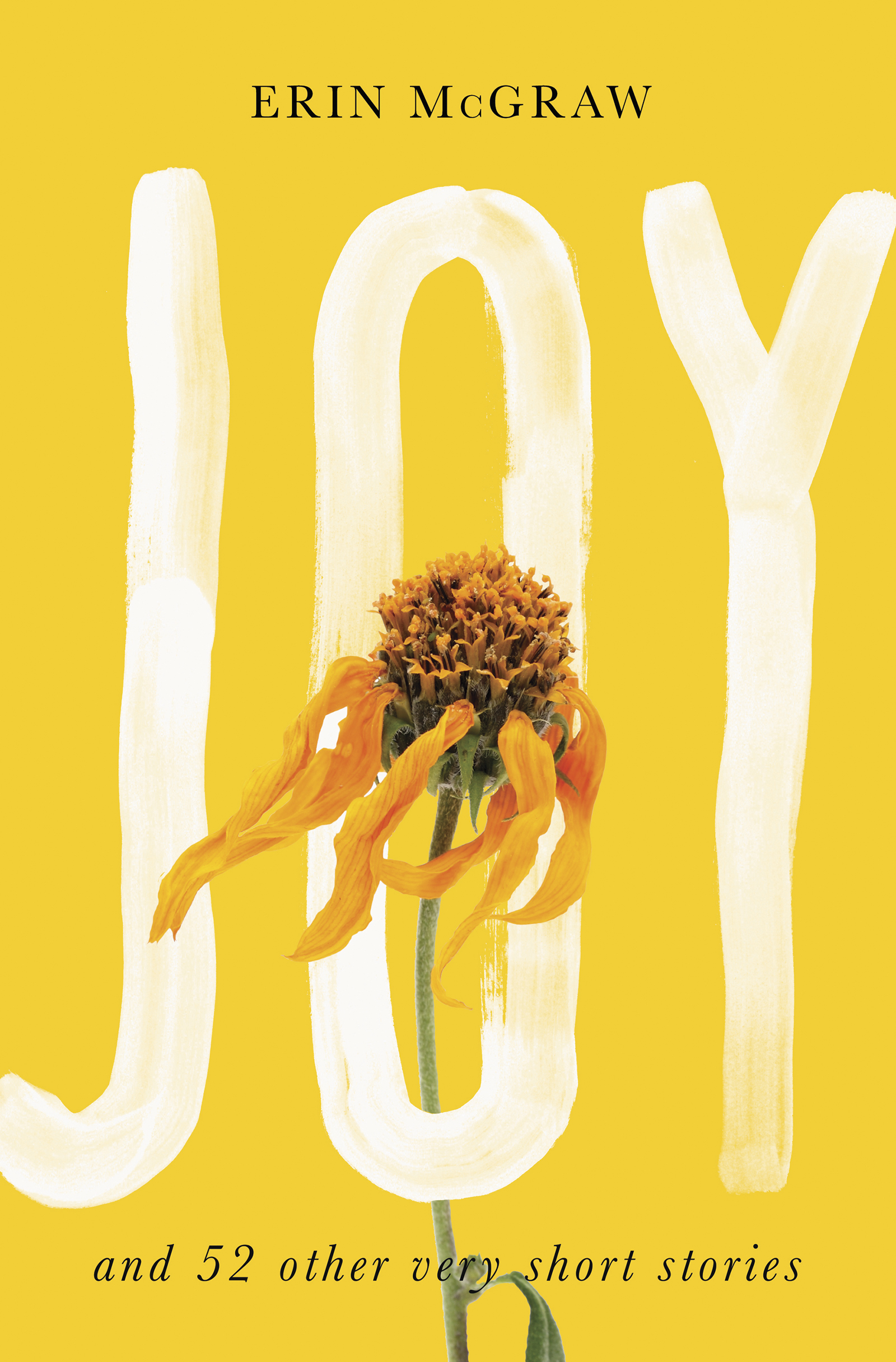
Erin McGraw, author of Joy

I’ve had the good fortune to learn from a variety of different authors. And sometimes they’ve had the bad fortune–I mean, they’ve been kind enough to teach me in person instead of through the medium of a book. Recently, I had the good fortune to go and listen to one of my professors, Dr. Erin McGraw, do a reading of her new book Joy (which is also my next read, by the way) at the bookstore near me. We got to talking afterwards, and I asked if she wouldn’t mind letting me interview her.

This is the resulting interview. Ladies, gentlemen, and non-binary people of manners, let me introduce Erin McGraw!

Rami Ungar: Welcome to the show, Erin. Please tell us something about yourself and your published works.

Erin McGraw: I’ve written seven books of fiction, three novels and four story collections.  Whenever I’m writing stories, I’m convinced that novels are easier.  When I’m bogged down in a novel, I long to be writing stories.

RU: Your latest book is Joy, a collection of 53 short stories. Please tell us how the project came about and what sort of stories are inside the collection.

EM: Joy happened largely by accident.  I had just retired and finished two novels back to back, and I was tired.  I thought I was writing tiny little stories—3-4 pages—just to keep in practice until I could figure out what my next book was going to be.  It took embarrassingly long to realize that these tiny little stories were the next book.

The stories are dramatic monologues, meaning that the main character steps out of their life to directly address the reader, explaining why they’re doing what they’re doing.  Since these are people acting as their own defense attorneys, they often lie.  That’s what makes things interesting.

RU: Obviously, there are a number of different voices within Joy. Did you do any sort of research for any of the voices you wrote?

EM: I researched almost all of them to some degree.  The ones that come from actual people, like Ava Gardner or Patsy Cline’s dresser, required that I read books to get the facts and background right, but even a story from the point of view of a nameless songwriter wannabe required that I look up some of the facts of the songwriting business, to make sure I got my guy right.  It only takes a paragraph or so before I start feeling responsibility toward my characters, and I want to treat them with respect.

RU: Were there any voices you tried to write but couldn’t? What were the reasons?

EM: I tried for a year and a half to write a story about a man who searched out his spirit animal on the internet.  People do this all the time, I reasoned; it should be easy.  And funny.  But the story stubbornly refused to get funny or easy, and eventually I parked it in my ever-growing “Undead” file, where I put things that I can’t get right but still seem like good ideas.  Maybe I’ll get this one right someday.

It’s funny, right?  Going to the internet to find your spirit animal?

RU: I think so. I mean, it’s trusting an algorithm created by interns and programmers to tell you something profound about yourself. Says something about the people who use it, I’m sure.
Anyway, you also taught for a number of years at Ohio State University. Were any of the stories in Joy based on your teaching experiences?

EM: Not any teaching experiences, no, but a lot of the stories exist, at least in my mind, in central Ohio.  I lived in Columbus for 15 years, and 10 years before that in Cincinnati, so I spent a lot of time thinking about Ohio and pondering its aggrieved status as a fly-over state.  Recent politics have changed that some, which I think is a good thing.

Joy by Erin McGraw

RU: What’s next for you? Are you working on any projects now?

EM: I’ve got a few more very short stories; I think they’re the leftover energy from finishing Joy.  A new project has floated to the front of my mind, but I’m superstitious about talking about things too early.  If it happens, it will be another book with a lot of voices.  I like to hear people talk.  It gives me a break from my own company.

RU: What are you reading these days?

EU: I’ve been on a tear for two years reading about the socio-economic divide in the U.S., and I’m still reading those.  Also books about the development of a recognizable U.S. cuisine, a subject of ongoing interest to me.  Also a superb book about climbing vines.  Don’t laugh.  It’s good.

RU: What is advice you would give to other writers, regardless of background or experience?

EM: The advice I was given by my teacher, John L’Heureux, regarding character:  Complicate the motive.  Simplify the action.

RU: I’ll have to meditate on that one a bit. Final question: if you were stuck on a desert island for a little while and could only take three books with you, which would you take?

Since they would have to be books I could bear to read over and over, the first would be Eliot’s Four Quartets.  Then King Lear, which I’ve never known well enough.  Then the collected Emily Dickinson.  She wrote enough to hold me for quite a while, in case the rescue ship gets held up.

RU: Ah, King Lear. That was an interesting read. Anyway, thanks for joining us, Erin. I hope you’ll join us again someday soon.

If you would like to check out and maybe get signed copies of Joy, you can click on this link. I’ll be checking it out myself very soon. And if you would like to know more about Erin McGraw and her work, check out her website here.

If you would like to see some of the other interviews I’ve been lucky enough to do, click on my Interviews page to check those authors out. And if you yourself are an author with a book you’d like to promote, send me an email at ramiungar@ramiungarthewriter.com

That’s all for now, my Followers of Fear. Until next time, pleasant nightmares!