Posts Tagged ‘Facebook’

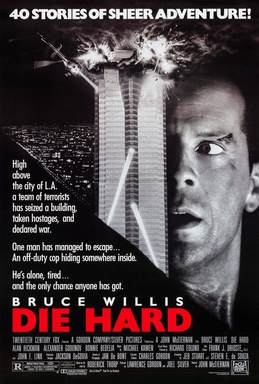
So, it’s been a bit of a strange week for me. Most of it was work, where my workload somehow doubled this week and a bunch of other things occurred, but the thing that I want to talk about is about Die Hard. As many of you know, there’s a big debate over whether or not Die Hard counts as a Christmas movie. This humble Jew not only counts it as a Christmas movie, but as many of you know, has the tradition of getting takeout and watching the movie every Christmas Eve.

And earlier this week, I was at my chiropractor’s office getting an adjustment and was talking to the receptionist while I was paying my bill. Here’s a reproduction of the conversation:

Receptionist: “Are you doing anything for Christmas?”

Me: “Just getting Chinese food and watching Die Hard.”

Receptionist: “What’s that? Some new TV show?”

Me: “…”

Receptionist: “From the look on your face, this is something I should know about, isn’t it?”

And that was the conversation in a nutshell. And you can imagine how stunned I was. I can understand people having never seen the film (I used to be related to someone like that), but having never heard of it? And no, she wasn’t some youngster, this woman was old enough to be a few years behind my parents in high school! You’d think she would have heard of a major blockbuster that came out in 1988.

Anyway, I explained to her what the film was, and she said she’d consider checking it out (whether or not she does, I won’t know till next month). However, that’s not where the story ends. If it was, it would be amusing, but not enough to warrant a blog post.

No, what happened next was that I posted the conversation on my social media so other people could laugh at it, too. And Followers of Fear, over on Threads (Facebook’s answer to Twitter, if you didn’t know), it went viral! I kid you not, within twelve hours, I had tens of thousands of views on that post! Hundreds of people commenting every minute, talking about how old they were when they saw the movie, incidents where young and old alike were unfamiliar with something that was supposed to be common knowledge, and a hundred other things that, more and more, strayed away from the main topic at hand.

As of writing this, that post has over 189,000 views, 2,700 likes, 1,100 comments, and twelve reposts. And I’ve still no idea why it went viral like that. I mean, I know Die Hard and whether it’s a Christmas movie or not is big around this time of year, but holy shit! If any post about one of my books gets even a hundredth of that sort of attention, I would be in heaven!

So yeah, that happened. As did a post about the Disney Princesses duking it out to the death getting nearly 17,000 views (Mulan and Merida are the favorites to win if you force the magical ones not to use their powers), and over on BlueSky, the director of the movie Suitable Flesh saw my review of it (I found it unnecessarily horny), and was pretty much like, “Oh well, I thought it was horny enough, but to each their own. Thanks for watching.” With a GIF of Elmo shrugging. I was touched.

And this is only part of what has been a weird, weird week. But this is the part that I’ve been dying to tell someone all week and which I’ve only been able to do now. Really, no deeper reason than that. Thanks for indulging me while I unloaded what’s been rolling around in my head this week.

Anyway, hope you’re all doing well as the year begins to wind down. I’m counting down the days till I’m off for two weeks and working on The Shape of Evil in the meantime (nearly halfway through the second draft). And in the meantime, if you’re looking for a good scary book for yourself or for someone else this holiday season, I’ll leave a link below. From plant/human hybrids and strange gods to Mafia-hunting serial killers and carnivorous horses, I have something for every horror fan, so be sure to check them out. They’ll make the holiday gatherings that much easier.

Also, if you would like to keep up with me on Threads, BlueSky, or any of my other social media platforms, I’ll include those as well. I post more often there than here, and it’s another way to support me, so please do check me out.

Until next time, good night and pleasant nightmares.

So if you saw my last post, I’m going to be guest starring on Galactic Terrors, a live webshow/podcast run by Carol Gyzander and James Chambers of the HWA NY chapter. In addition, I’ll be joined by Teel James Glenn and Lara Frater. We’ll all be reading from work we have coming out either soon or just recently released.

Anyway, if you’re planning on joining us, you can watch it live at 8 PM EST either on Facebook or YouTube. I’ll be including links below. And if you do join us, be sure to stay for the whole thing. Not only will the other authors be reading (and who knows? You may really want to check out what they’re reading from after you’ve heard them read it), but we’ll all be doing a Q&A session after the readings are wrapped up. You’ll definitely want to stay for that. Especially if you have questions of your own.

Anyway, that’s all for now, my Followers of Fear. I’ll see you later this evening. Until next time, good night and pleasant nightmares!

A little dramatic, but it sums up the feelings of many writers towards marketing very well.

Writers–especially those aiming to make writing their full-time job someday–have it rough. Not only do we have to figure out how to write stories, how to edit them, and how to get them published, but we have to figure out the marketing angle so people actually read our work once we publish it. And that part can be trickier than even putting two sentences together.

I might have mentioned, but in the wake of Hannah coming out in less than three months, and on the advice of my publishing company, I’ve changed my marketing strategy for new books coming out. Prior, it was something along the lines of “get the mentions out there, but don’t inundate. You don’t want to annoy people.” Now, it’s closer to “Inundate! Inundate! Inundate!”

Well, maybe that’s an exaggeration. I’m definitely increasing the number of ads and mentions I put out on my social media. I’m also doing a giveaway (more on that below), telling as many people in person I can, putting out more Hannah-themed YouTube videos (BTW, check out my channel), and reaching out to as many BookTube channels and podcasts as possible.

I’m also trying, per my publisher’s advice, to show how excited and enthusiastic I am for this book and for people to read it. You know, as opposed to sounding like, “Buy! Buy! Buy!”

And I am. Enthusiastic and excited, that is. I’m so glad that this book and these stories are coming out! I’m so looking forward to hearing what people are going to say what the ebook is out, and the possibility of a paperback and even an audio book if the ebook does well! I can’t wait to hear if the stories give people nightmares, and taking photos of people who have copies of the book (I’m hoping I can get some with their e-readers if it takes a while to get to paperback status)! And I’m looking forward to celebrating with friends and family when the book comes out.

But with posts nearly every day, especially on Facebook and Twitter, I can’t help but feel that I’m spamming the platforms. And it’s hard to tell on which platforms I’m having any sort of success. You can tell on most of them how many people see your posts, as well as how many people like, comment, and share them, but clicking on links or getting sales is almost impossible to tell.

Some days, it’s easy to feel like I’m shouting into the void of cyberspace and somehow isolating myself further, rather than bringing people closer to me. Let alone potential readers.

Still, I got to try. And while I’m trying, I’m trying to increase my enthusiasm and my love for these stories to the people seeing my posts. With any luck, something will pan out and more people will want to read the book. And that would make me happiest of all.

That being said, if anyone has any advice to help me get this book to readers, I’m all ears. Every little bit helps. Thanks in advance!


Speaking of Hannah, there’s still some time between now and the 14th. If you would like to win a signed copy of my first collection, The Quiet Game: Five Tales to Chill Your Bones, all you need to do is preorder a copy of Hannah and Other Stories. And if you then send me proof of your preorder at ramiungar@ramiungarthewriter.com, you’ll be entered to win said copy. The winner will be announced on the 17th.

That’s all for now, my Followers of Fear. Until next time, good night and pleasant nightmares!

Hannah and Other Stories Preorder Link

So, some of you may have seen on my Facebook, Twitter and Instagram that BSC Publishing Group and I have been releasing excerpts with cool images or backgrounds as part of our marketing campaign for Hannah. And because not everyone here is on my other social media, I thought I would post those images here as well.

So, without further ado, here are the excerpts of Hannah and Other Stories.

These first two are from BSC Publishing Group. My editor Peyton created them. Aren’t they awesome?

Of course, I got in the fun, too. Here’s an excerpt from Queen Alice that I released yesterday.

Not bad, right? It gives readers a good idea of what to expect with this story. And I think it would make a good movie, too. If it is made into a movie, I hope John Noble plays the protagonist Blumfield.

Anyway, those are the ones that have been released already. More are coming from BSC and from myself in the near future. I’ll post more here as they release, but if you’d like to see them first, you can follow my Facebook, Twitter and Instagram accounts, which are listed on the side of this blog if you’re on your computer and below the comments if you’re on your phone or tablet.

Also, if you haven’t yet, you can preorder Hannah and Other Stories by clicking on the link here. Or you can read a longer excerpt here.

That’s all for now, my Followers of Fear. This will likely be my last post before Stokercon,* but I’ll hopefully have more to post afterwards. I want to talk about the new marketing strategy I’m using, as well as the upcoming first anniversary of moving into my condo.

Until next time, good night and pleasant nightmares.

*Speaking of which, if you’re going to Stokercon, be sure to stop by the Brighton I Room at the hotel on Friday at 11:00 AM to hear me, Barbara Cottrell, Jeremiah Cook, and Gabino Iglesias read from our upcoming works, followed by a mass author signing at 5:00 PM. Definitely not to be missed.

If you’ve been paying attention to the news lately, you may be aware that billionaire Elon Musk bought Twitter and has been turning it from a somewhat tolerable landscape to a freaking hellhole. I’m not going to go into details, because you can read all that elsewhere, but suffice to say, a lot of people have been wondering if now is a good time to get off Twitter and find a new platform to interact with that does the same thing as Twitter. For us writers, we’ve been looking for a new platform where we can talk about writing and maybe avoid the vitriol that seems to have been given free reign on Twitter these days.

One of those platforms is called Hive Social, which I’ve seen a lot of posts about on both Twitter and Facebook this past week. It seemed like a good platform, a lot of writers and horror types I’m connected with were trying it out, and I’m usually slow on new social media trends and wanted to not be the last again, so I decided to give it a try yesterday. Besides, the platform’s website says it doesn’t tolerate hate speech or any other sort of awful behavior, which honestly appeals to me in the wake of certain decisions by Twitter’s new leader.

So, now I have an account on Hive. I’ve gotten about forty-something followers, posted a couple of times, and have liked other people’s posts as well. How does it compare to Twitter?

Well, it does have some room to improve. The app is slow to load or register likes at times, and the search engine feature doesn’t always bring you to the person you’re looking for, even when you type their full name in. You can’t access the app from the laptop just yet, only your mobile devices, and occasionally the app just shuts itself off mid-use. And you can’t leave a link so people can directly go to your page on the platform.

However, this may be because of its sudden popularity. I doubt anyone running the app could have foreseen so many people migrating over to Hive as Twitter continues to implode, so they’re probably scrambling to make sure the app is at least somewhat able to handle all these people. In fact, I did see a post from the app’s company asking people to be patient as they try and deal with the new influx of users.

So, there is a chance this app could improve as time goes on. Of course, there’s also a chance that it won’t replace Twitter and that we’ll stay on there. Or maybe we’ll go off both apps and find something else. It’s hard to tell the future. All we know is that Twitter might not be a good place to stay for the foreseeable future and that we may not be able to stay on there for much longer.

In the meantime, I’ll keep trying both apps for a while before I make any final decisions, one way or another. And while I can’t leave a link to my page on Hive, I can leave links to my other social media (though you can also look to the left and see them listed there). If you want to check me out on any of these platforms, please do. And if you end up subscribing, I hope you and I will have plenty of wonderful interactions on these other apps.

Facebook

Twitter

Instagram

YouTube


One more thing before I sign off tonight, my Followers of Fear: I found out today that my short story “The Dedication of the High Priestess,” which combines ballet with the figure of the King in Yellow, will be read aloud on the Tales to Terrify podcast this Friday. I’m so excited for you all to experience this story! I’m quite proud of it and I really hope you enjoy it. I’ll be sure to post a link as soon as it’s out.

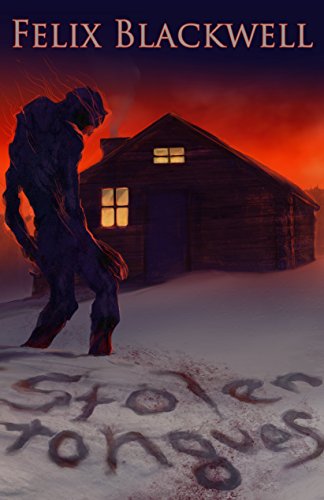
About a year or two ago, this one title became kind of a sensation in one of Facebook groups. Everyone was talking about it, raving that it was the next best thing in indie horror. Combined with a striking cover and name, I couldn’t help but grow curious. Sadly, my TBR list is already a mile high, so I had trouble getting around to reading it. Thankfully, I get plenty of reading done thanks to audio books, so when I found out the audio book for this novel was finally released, I scooped it up for my October read.

So, after all that hype and fanfare, is Stolen Tongues worth the wait?

Set mostly in California and Colorado, Stolen Tongues follows a fictionalized version of the author himself, Felix Blackwell, as he and his fiancée Faye go up to her parents’ cabin in the mountains as a little engagement present. However, the lovers’ weekend is interrupted when they find a strange object hanging from the trees, and later that night start to hear odd voices coming from the surrounding woods. Soon, Faye starts to walk and talk in her sleep, and it becomes clear that something is influencing her in her dreams. And it will stop at nothing to have her.

So, the suspense throughout this novel is phenomenal. The prologue itself would make a terrifying short story on its own, and the early scenes, where we have no idea what sort of monster we’re dealing with or how it’s doing what it’s doing, are some of the tensest, most heart-pounding scenes I’ve ever had the pleasure to read. It’s also quite unsettling to see Faye undergoing changes due to the influence of the creature. Her personality warps at times, as do her memories, and you feel the narrator’s anguish and concern as she becomes someone he doesn’t recognize.

I also like the reverence and respect shown to Native American beliefs, both the beliefs themselves and indigenous people’s attitudes towards their beliefs and sharing them with outsiders. As the novel’s monster draws heavily from Native American culture, it’s refreshing to see so much respect. Often, horror that draws on Native American folklore and ideas doesn’t always include the very peoples from whom the folklore and ideas derive from, and when they do, not always in the most respectful manner, so it’s a welcome change to see said folklore, as well as Native characters, portrayed with such care.

Actually, the author includes at the end of the book an essay he wrote on writing Native American characters and horror based on their folklore, which I would read after you’re done with the novel.

Sadly, the novel isn’t perfect. After the reveal of what the creature is, some of the tension and mystery is sacrificed. The author does try to keep things creepy, especially after the narrator has a close-up encounter with the monster, but it’s not always successful. I also thought the ending was rushed and a letdown, with far too much telling, not enough showing, and not a finale epic or scary enough to match the rest of the novel.

I know me griping about showing vs. telling when I only just got better at that this year is rich, but it’s still a legitimate problem.

Overall, while it’s not the terrifying ride of suspense and creepy atmosphere that I was led to believe I was going to get, Stolen Tongues by Felix Blackwell is still a decent and chilling novel. Those sections where the tensions really works make it worth the read all on its own. On a scale of 1 to 5, I’m going to give it a straight 4. If you’re still looking for something spooky to read this October, this book might be a good choice. I’m certainly glad I finally got around to reading it.

Photo by Pedro Figueras on Pexels.com

I’ve heard this term thrown about a few times since January, first in the new Scream movie and most recently in an analysis of a horror film on YouTube. “Elevated horror.” And the speakers, whether in in the Scream movie or in the YouTube video, made it sound like it’s a recognized subgenre of horror with its own staple of tropes and trappings. Like slasher and its killers and gore, or Gothic with its ancient, diseased settings and corrupting influence.

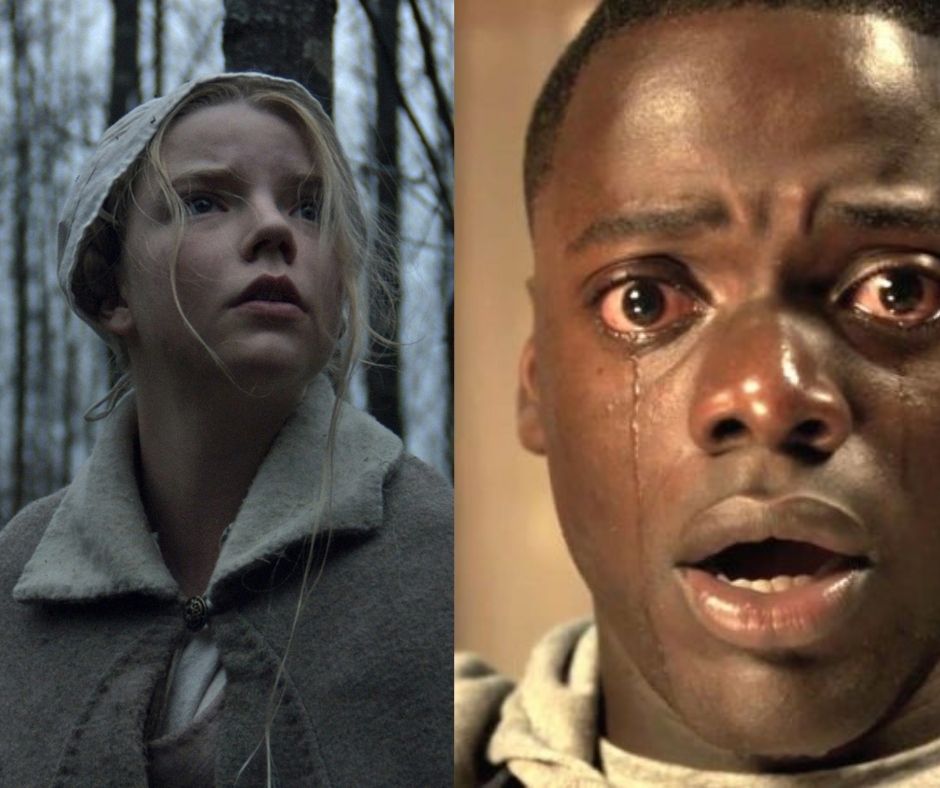
The thing is, it isn’t. Elevated horror isn’t an actual subgenre of horror. I’ve consulted with dozens of writers on this (thank you, Twitter and the Horror Writers Association Facebook group) and it’s not a subgenre. It seems like a subgenre of horror at first glance when you look at works referred to elevated horror. In movies, films referred to as elevated horror include The Witch, Babadook, It Follows and Get Out, among others: they’re horror stories that focus more on probing psychological drama, characters and metaphor than blood and gore or supernatural horrors. Often, there’s a powerful social commentary being presented through the narrative, such as Get Out‘s commentary on race.

In terms of literature, “elevated horror” might have all of these as well as flowery language. It might be almost called “literary horror,” because there’s an emphasis on wording the story nicely and making it just too dark to be called “literary fiction.” Examples include The King in Yellow by Robert Chambers, Interview with the Vampire by Anne Rice, The Deep by Alma Katsu, and A Cosmology of Monsters by Shaun Hamill.

And, most importantly, “elevated horror” can sometimes cross over into other genres, such as thriller, literary, or even comedy.

Can you really say The Witch and Get Out belong in the same subgenre?

Sounds like a subgenre, doesn’t it? But it’s not. The works called elevated horror are all as different from each other as roses are to tulips are to primulas. All flowers, but all different kinds of flowers. Let me explain: The King in Yellow and The Deep are cosmic horror mixed with deep psychological themes, The Witch is some cross between folk, religious and historical horror, and Get Out‘s searing satire makes it borderline horror-comedy. In fact, it was nominated at the Golden Globes under categories for comedies or musicals!

Yet all of them are given the designation of elevated horror. So, if it isn’t a subgenre, what is it?

The conclusion I’ve come to after speaking to numerous other writers is that elevated horror is actually horror films taking place in elevators.

Just kidding, that’s elevator horror, and the only example of that I can think of is 2010’s Devil.

No, “elevated horror” is a marketing term. And like all marketing terms, it’s directed towards a specific audience. Who is this target audience? It’s people who normally wouldn’t check out horror because they fear it’s low class, dangerous, or degenerate. They may want to check out horror or be curious, but the stigma still attached to the genre keeps them from doing so. Either that, or they won’t check it out unless a work is given a specific designation.

Calling something “elevated horror” is basically saying, “This isn’t like other horror stories, where half-naked teens are voyeuristically killed with tons of blood and gore, or where supernatural entities menace children in sewers. No, it has nuance and social commentary! There’s psychology and drama and fleshed out characters! You can be respectable while enjoying this!”

In other words, it’s another way of something is high-brow. “There are no explosions and superheroes here. No aliens or elves. No star-crossed lovers up against the odds. Only real people having real life situations, or real people in situations that are absurd but it’s okay, because it says something important about society.”

I almost wish it was a subgenre. I might have found a home for my ballerina-meets-the-King-in-Yellow story already (still working on that, give it time).

Pinhead may not be from an elevated franchise, but that doesn’t make him or Hellraiser any less awesome.

And the problem with this marketing term is it’s misleading. By calling certain movies or books “elevated horror,” it’s labeling all other horror as “trash,” or at the very least “common.” Either way, the designation puts other horror stories down. And that’s a shame, because there’s such good horror out there. Dark Harvest, Kill Creek and Salem’s Lot aren’t high brow, but they’re great stories that thrill and can leave their readers up late into the night. Same with The Thing or the Hellraiser franchise: they may never win Oscars, but goddamn are they scary, and the latter has led to one of the most memorable characters in the slasher genre.

I’m not trying to put down the term. I’m just saying we should understand what it means, both for works designated as such and those that aren’t. And if it lets you enjoy horror, great. Just make sure to check out works that aren’t “elevated” and whose creators don’t really think or care if their work is called that.

Personally, I can see some of my work being called elevated, but I’ll just say that I was trying to write a fun story and wanted others to enjoy it as well.

That’s all for now, my Followers of Fear. After getting my thoughts on this topic out, I’m off to dream of beasties and ghosts. Until next time, good night and pleasant nightmares.
Just a quick update. As you know, I’m trying to post these less and less often. Trying not to spam you with news of these events, especially when it’s unlikely you’ll be able to visit. Still, in case you’re able to visit, I’m going to put these out when a new event is on the schedule and remind you leading up to the event.

So, as previously reported, I’m going to be at ParaPsyCon at the Ohio State Reformatory in Mansfield, Ohio. This will be taking place on May 21st and 22nd, and all you have to do to gain access is to buy a self-guided tour of the prison. You get in, see where they filmed The Shawshank Redemption and where plenty of ghosts still hang out, and you get to meet over 90 authors, ghost hunters and paranormal investigators, psychics, and so much more! Plus some celebrity speakers too. You can find out more from the website here.

But my beloved Reformatory isn’t the only prison holding a convention this summer: the West Virginia Penitentiary in Moundsville, West Virginia will be having its annual Paracon on August 13th, 2022! Like ParaPsyCon, it’ll have plenty of authors, paranormal investigators and equipment vendors, psychics and so much more. More details, such as cost of admission and the full vendor list, will be posted as we get closer to August. In the meantime, you can check out their Facebook event page for more info.

And that’s all for now, my Followers of Fear. Obviously, if I get signed up for any more events, I’ll be sure to let you know ASAP. Same goes for any changes, such as a date change or (God forbid) a cancellation. Anyway, I hope you’ll be able to stop by one of these events and say hi as I sell books and do Tarot readings.

And yes, that post on mental health while publishing a book will be published at some point this month. I promised, didn’t I?

Until next time, my Followers of Fear, good night and pleasant nightmares.

Occasionally in fiction writing, you create characters you find utterly repulsive. Maybe it’s their personality, maybe it’s what they do or believe in, but these characters are VILE.

And surprisingly, writing them well is kind of challenging. I should know. I’m working on a story now where I hate most of the characters. Why? I’ll get into that a little later.

(Though if you’ve been paying attention to my Facebook posts or Twitter feed, you might already know why.)

The thing is, while you may hate the character you’ve created, you can’t let that hate show too much in your writing. You have to treat them like you would any other character. Showing your contempt may be easy, but the reader may notice. And while they may agree with you, they will be turned off by the clear aversion and disdain coming off the page, especially if it’s a protagonist. “Why even bother writing this character if you’re going to make it so obvious you don’t like them?” That might be what goes through their minds. Instead, write them like you would a character you like.

A good example of this is how Vladimir Nabokov treats Humbert Humbert in the novel Lolita. In an interview, Nabokov stated he found Humbert a hateful person for obvious reasons. But he didn’t show his dislike for the character and his predilections in the story. Instead, he writes the novel normally and let’s the readers come to hate him by his actions.

That’s something to keep in mind. Instead of showing your disdain for a vile character, let their actions do the work for you. You can do a lot just by showing a cruel teacher depriving a kid of ice cream or a prison warden manipulating his prisoners to attack each other, rather than by describing them as nasty pieces of shit.

Dolores Umbridge. A great example of a vile character.

You can then supplement that by showing other characters’ reactions to the hated characters for being assholes. JK Rowling, despite her faults, did this quite well when Harry and his friends described characters like Umbridge or Pansy Parkinson and focused on their negative traits. Rowling famously hates those characters, by the way, and made sure they suffered or didn’t get happily-ever-afters in the end.

What if you have to show things through the perspective of the hated character, however? Well, that’s where it can get queasy to write them. Because, as much as you might hate them, you’ll often have to write them as any other character. For instance, l’m writing characters who are neo-Nazis.

Yeah, you read that right. The story I’m working on now is full of neo-Nazis, people who would gladly see me dead for being Jewish (among other things). And I am writing them as I would most other characters. I could write them and focus on their hatred and nasty ideology, and in another story I could get away with that. But for this story, I can’t let them just be stock characters or stereotypes, much as I want to. Instead, I’m trying to show the reader how the characters might see the world. And let’s face it, neo-Nazis are people, and they’re as complicated as any other character. So I should try to write them that way.

That being said, I am going to show just how horrible these people and their toxic ideology can be. And then I’ll take great pleasure in showing what horrors occur to them later in the story. Hey, I’m a Jewish horror author who loves visiting terrors upon his enemies. What do you expect?

So, writing characters you consider vile is more than just making them hateful or showing how much you hate them. It’s a combination of actions, character description, and even writing them in a complex manner. And, of course, making sure they get what’s coming to them if it fits the story. It may make you feel sick to write them that way, but it can also lead to a good story becoming that much better.


On an unrelated note, the anthology I’m helping to produce, That Which Cannot Be Undone, is closing in on forty percent funded on Kickstarter! Not only that, but we’ve added a whole bunch of new perks and have announced some new authors joining the project as well. Some of those authors have even volunteered to name characters after backers and kill them off in style should they back certain limited pledges. Isn’t that cool? You could be a character in another author’s story!

If that, and helping our group produce a kickass horror anthology featuring new stories from me and my friends, you can check out the campaign by clicking the link below.

https://www.kickstarter.com/projects/crackedskullproject1/that-which-cannot-be-undone-an-ohio-horror-anthology

That’s all for now, my Followers of Fear. For those who celebrate, I want to wish you a Merry Christmas. If you need me, I’ll be joining my friend John McClane at Nakatomi Tower for Nakatomi Corp’s annual Christmas party. I hear they tend to go out with a bang every year.

Until next time, Happy Holidays and pleasant nightmares!

Photo by Andrea Piacquadio on Pexels.com

Lately, I’ve been deep into two very different books of horror. The first, which I finished last night, is What One Wouldn’t Do, an anthology of horror stories around the idea of “what wouldn’t you do for…what? Power? Revenge? Love? Etc?” The other is Ghoul by Brian Keene, a coming-of-age horror novel about three boys who discover a ghoul living in the graveyard near their homes. They’re both very good, very different from one another, and both deal in emotional horror.

Emotional horror is horror that relies more on the feelings the story provokes in the reader than a supernatural/paranormal entity or a serial killer or anything like that. And yes, I’m aware that all horror tries to provoke an emotional response in readers. Namely terror and fear. But this is a much more subtle kind of horror. Emotional horror scares you with the situation the characters are in and their responses, particularly their emotional responses, to the situation.

A good example of this is the 2015 movie The Witch. You may have noticed, but the titular witch is actually pretty peripheral to the story. She doesn’t show up except to maybe push events in the story. In total, I think she’s maybe only in the film for three whole minutes, if even that. Rather, the horror of the story is how each character reacts to the witch’s interference in their lives. It starts with the baby being kidnaped, then with the older son disappearing into the woods and then coming back horrifically changed. The kid has an ecstatic vision before dying, which leads to the family to believe they’re being victimized by a witch, who could possibly be one of them. And you’re terrified not by the witch or what could be her supernatural influence on the characters. You’re scared by their paranoia, their heartbreak and distrust, and how quickly things devolve from here, leading to an awful, irreversible decision on the part of the protagonist.

The true horror of this story may not be from the titular monster

This is the kind of horror both What One Wouldn’t Do and Ghoul deal in. Many of the stories in the former deal with supernatural elements, but the horror itself is what drives the characters to commit heinous acts or to make deals with the devil or go through insane challenges, and then seeing the fallout from those decisions. And for the latter, while the titular monster is scary in its way, it’s no Pennywise. Rather, a lot of the horror we experience is through the main characters, twelve-year-old boys who are becoming disillusioned by the world around them through the adults in their lives. It’s honestly heartbreaking to see the adults around them fail them so spectacularly, and one scene in particular was so upsetting, I had to post about it on Facebook and Twitter just to get my emotions out.

So, how do you write these scenes? Honestly, it’s not easy. I’m not sure you can set out to write a story that deliberately tugs at your heartstrings and fills you with the emotions the characters are feeling. It’s kind of like how you can’t write a story around a theme. Instead, you take a story and the theme evolves naturally from your working on it. Only when that theme has revealed itself can you play with it and the story together to bring out the best in both.

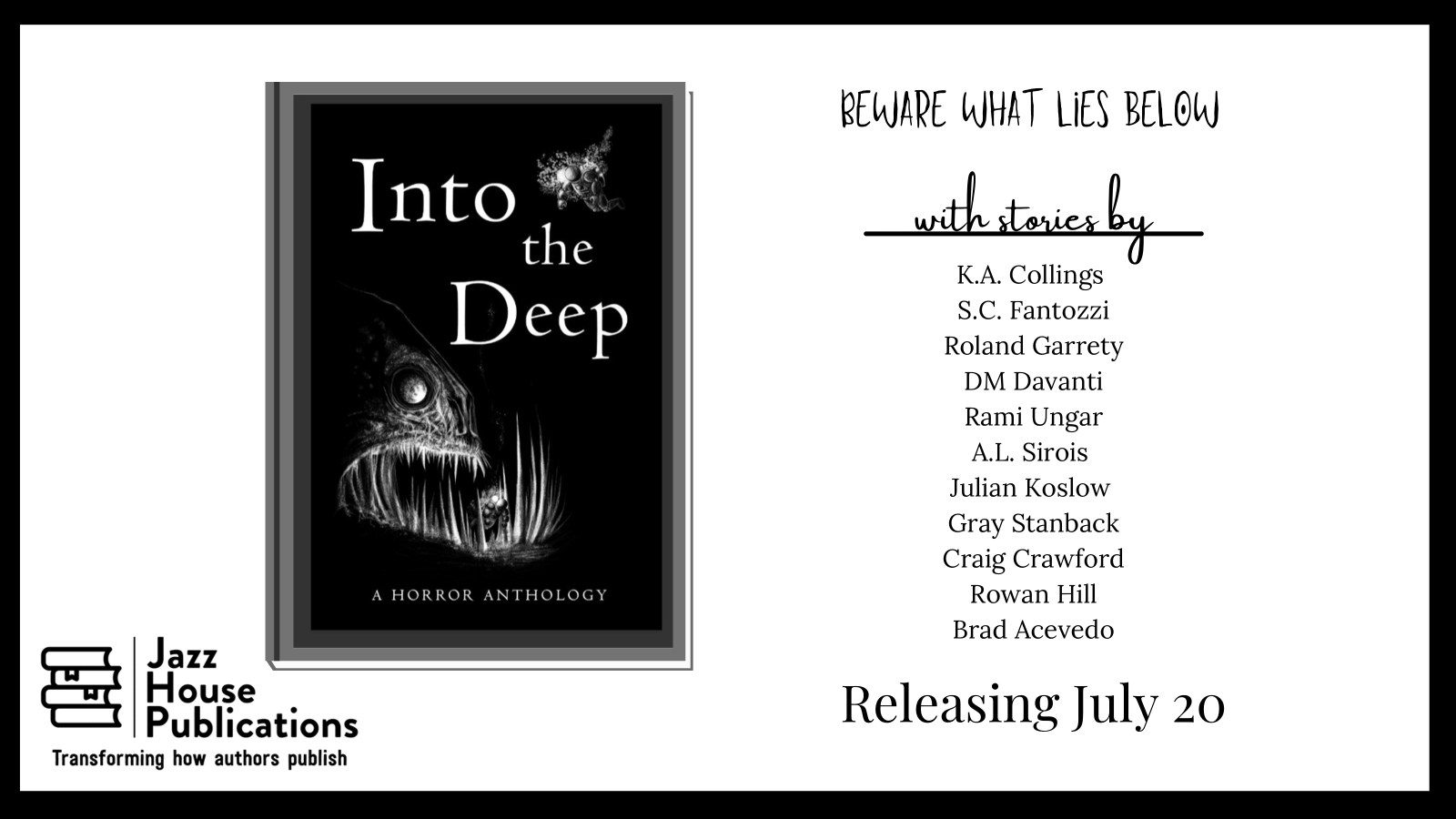
That was certainly the case with Cressida, the story I wrote that was published in Into the Deep (click here to check it out if you haven’t yet). While it’s a horror story and a mermaid story, it’s not a horror story about mermaids, though they aren’t the pretty fishtailed supermodels Disney animated, either. Rather, the mermaid is in herself a catalyst for the true horror, which is what the characters do upon encountering a mermaid who shares an uncanny resemblance to a deceased family member of theirs.

But when I set out to write that story, I never intended that the horror would come from the characters’ emotional and psychological reactions. I wrote the story because it sounded like a lot of fun to work on and I made changes to the storyline along the way to better bring out the horror I was discovering. The result is Cressida, which I feel is some of the best work I’ve written yet.

You know, that makes me realize something: in emotional horror, whatever is happening in the plot, be it mermaids, ghouls, necromancy, witches, etc., is often not the main focus of the story (even if it’s in the story’s title). Rather, they’re plot devices, tools to draw out the horror hidden within the characters’ emotional responses.

My story in this anthology didn’t start out as an emotionally-driven horror story. It just ended up that way.

I guess that makes emotional horror a kind of psychological horror.

Anyway, that’s what’s going through my mind at this time. The fact that I was getting into all these stories with similar kinds of horror at the same time got my brain working, so I decided to write it out. I’d love to hear what your thoughts on this subject are. Let’s talk in the comments below.

That’s all for now, my Followers of Fear. I leave for my trip tomorrow, so I likely won’t be around as much as I would otherwise be. However, I’ll be around on Facebook, Twitter and Instagram, so check there for updates if you start to miss me.

Until next time, my Followers of Fear, good night, pleasant nightmares, and there’s only a week till Halloween. Prepare to give yourselves to the dance of terror and to raise the old gods so we can all enjoy their infernal gifts. If you do not, I suggest you run.

Bye!