As many of you know, I’ve been preparing to move from my apartment this weekend and into a condo. (And if you don’t, now you do). However, when I haven’t been packing, I’ve been trying to meet my obligations as a writer. The most important of these is to get edits done on one of the stories in Hannah and Other Stories, my upcoming collection of short stories. And damnit, I just finished it today.
So just to recap, Hannah and Other Stories is a collection of short stories I’ll be publishing with BSC Publishing Group. There are seven stories in the collection, and I just finished editing the third, “The Autopsy Kid and Doctor Sarah,” about a girl’s relationship with a budding psychopath. It’s one of at least two edits I’ll be doing on this story for the next draft.
You see, during the revisions for the second story in Hannah, “Queen Alice,” the editors brought to my attention that I was doing more telling than showing and that I needed to work on that. They recommended that I go over “Autopsy Kid” after finishing “Queen Alice” to try to add more instances of showing and otherwise fix it up before they went over it. That way, I might get some lessons in better storytelling and they would have less notes to make regarding edits.
So, how did this first round of edits go? Really well, I think. As I said in my post about showing vs. telling, I wasn’t sure I understood the concept too well, let alone applying it in my writing. But “Autopsy Kid” is the longest story in the collection, so there were plenty of instances to practice. Indeed, I found plenty of places where I thought I should show rather than tell, and I think it worked out. The result was a more fleshed out story, with an antagonist who seemed more like a dark force of evil than a young boy with severe mental issues.
We’ll just have to see what BSC says. They have the manuscript now, so they’ll look through the story and let me know what edits they think I need to make. With any luck, showing vs. telling won’t be one of them and they’ll see less issues than I did on the first run-through. After that…well, we’ll see. Probably they’ll send me edits on the next story, “Fuselli’s Horses,” about carnivorous horses.
Yeah, you read that right. Carnivorous horses. I come up with the scariest, craziest shit.
And while I wait for those drafts, I’ll be moving and working on the first draft of the audio book of The Pure World Comes (which is coming along great). And after that? Well, we’ll see. It wouldn’t do to jump ahead of ourselves, now would it?
Anyway, that’s all for now. I’ll update you as updates come, especially for Hannah and for my new place.
And if you would like to support me, or if you would like something new and scary to read, I’ll post links to my books below. They’re all amazing stories that have received a lot of love over the years (Snake and The Pure World Comes especially have gotten some good feedback recently), so I urge you to check them out. And if you like what you read? Leave a review online somewhere! Positive or negative, I love reader feedback, it helps me out in the long run, and they help other readers decide what to read next themselves.
Until next time, my Followers of Fear, good night, pleasant nightmares, and don’t befriend children who like cutting things up.
A lot’s been happening this month, hasn’t it? My birthday, bought a condo, and now three book anniversaries! In this case, the anniversary is for Rose, my first novel with a publisher, my most reviewed novel, and by far my most popular book. As of today, Rose is three years old.
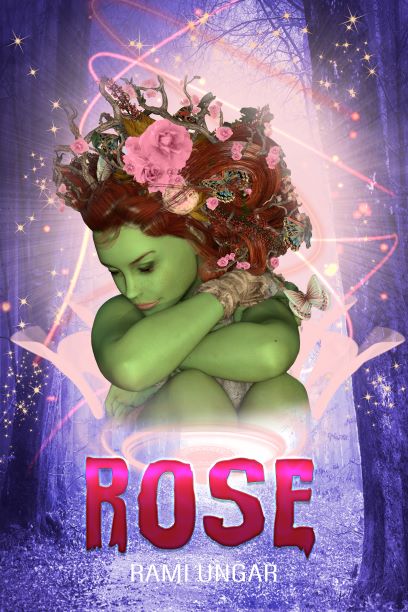
So if you’re unaware, Rose is a Kafkaesque fantasy-horror novel that was published on June 20th, 2019. The novel follows Rose Taggert, a young grad student who wakes up in a greenhouse with no memories of the past two years. Immediately afterwards, her body transforms into a plant/human hybrid as an attempt to save her life. As she tries to adjust to the changes, Rose realizes that those around her are not all they seem, leading to a desperate fight for survival.
I first started Rose as my college thesis back in 2014 during my last year in college, and finished the first draft back in 2015. Six drafts later, including one where I rewrote about two-thirds of the book,* it was published by Castrum Press in paperback and ebook, with the audio book being released six months later.
And as I said, it’s been my most popular book, with most of the reviews being overwhelmingly positive. I think it’s the odd concept of a woman turned into a plant/human hybrid. It was heavily influenced by my love of anime and manga, which I made sure showed in the book, as well as Stephen King’s novel Misery. It’s been quite heartwarming to hear so many people love it and even to say that it’s one of their favorite novels.
In fact, here’s what people are saying:
Loved the premise and all of the descriptions of turning into a plant creature, as well as several other body horror scenes, were disturbing in the best way. I also liked the psychological horror of the story and was often at the edge of my seat wondering what would happen next…Overall, a solid horror story! I feel the strong beginning and surprising and intense ending made this a great horror experience and a book I would definitely recommend.
Emma, Amazon
From start to finish, Rose does not disappoint. The story has good pacing and I was actually quite surprised as to how developed the charters were considering how short the book is. What I really enjoyed about this book was that even if you strip away all the supernatural elements it is still a good story and once it picks up you will not want to stop reading. I do have a couple things that I would have liked to have happened in the story but they are minor and with trying not to give any spoilers away, I will keep them to myself…If you’ve ever wondered what it would be like to be held captive by a psychopath with a magic tome then this book is for you. Do not let the cover fool you. This is not a tween fantasy novel.
Jarod, Amazon
In this work, Rami Ungar paints a captivating picture of Japanese folklore and magic, which serves as a backdrop for a story about captivity, manipulation, and possession! His narrative style also captures the dread and claustrophobia of being a captive, not to mention the twisted pathology of the captor! Scary stuff, and all the while you’re rooting for the bad guys to get their just desserts!
Matthew Williams, author of The Jovian Manifesto, Goodreads
There’s more like this, and a few unlike it, but I don’t want to make this post annoyingly long.
Anyway, if any of the above makes you want to check out Rose, I’ll include the links down below. And if you end up reading the book, please let me know what you think. Positive or negative, I love reader feedback, and it not only helps me in the long run, but other readers as well.
That’s all for now, my Followers of Fear. I’m sure I’ll be back with more news very soon. But until next time, good night and pleasant nightmares!
*Word of advice, don’t write flashbacks into your story unless they relate to the main plot of the story, let alone make them a third of the story and another third dependent on the flashbacks. They might be interesting or do plenty of character development, but they’re unnecessary to the main story and will in all likelihood be nixed from the final product. Believe me, I know.
I had a strange experience here on Friday. Don’t know if it was a ghost, but it was certainly weird.
ParaPsyCon was awesome again this year. Way more booths, including some I’m friends or became friends with; meeting new readers (one of whom, I swear, could have been a Chris Hemsworth impersonator) and seeing their enthusiasm when they purchased copies of my books; and, of course, being in one of my favorite places on Earth.
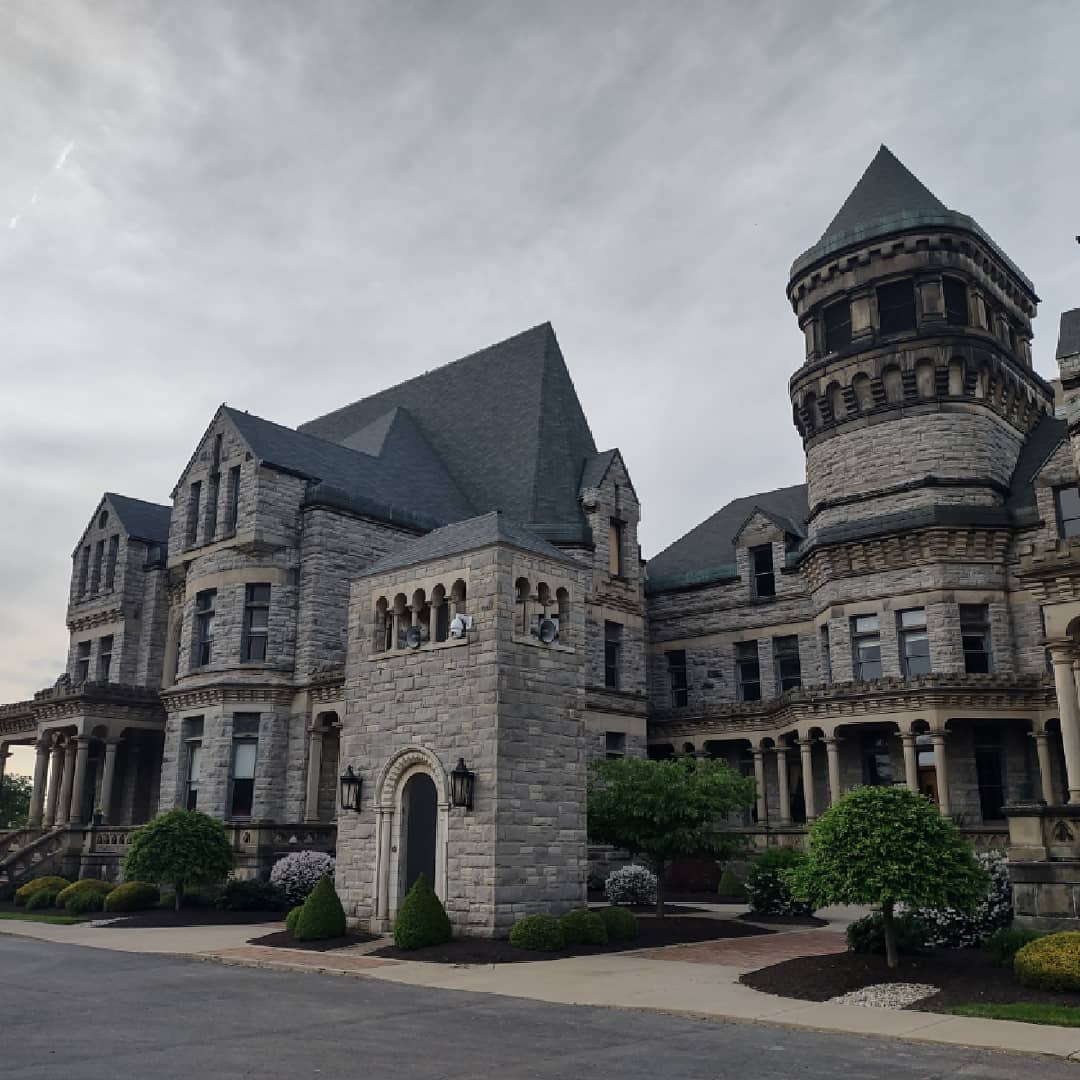
But this isn’t about ParaPsyCon. Because, as you already know, the Ohio State Reformatory is one of the most haunted locations in the country (as well as the filming location for several famous movies and shows, including Shawshank Redemption). And, as per usual when I visit, I experienced something weird.
Now, by “weird,” I can’t say for certain if it was something supernatural or paranormal. For all I know, it could be explained away by logical means. But I can’t explain it, and without any explanation, I just have to classify it as weird. Here’s what happened:
On Friday, after I finished setting up my booth, I decided to walk around, say hi to old friends and see what booths were set up this year. And as I’m walking the north end of the west cell block, I pass by several booths that had been finished as well and covered up with black tablecloths so nobody messes with the products underneath. Ahead of me, there’s a section of the floor that’s exposed to the foundations underneath, with metal bars around it to prevent people from falling in (I forget why that’s there).
And as I pass by the tables towards that open space in the floor, I notice movement out of the corner of my eye. And to my mind, it looks like a woman wearing a black shirt exiting one of the cells.
I stop, and turn around to confirm what I’ve seen. No one is there.
Like I said, “weird.” And I’m sure there are a few explanations as to what I saw, which might include the black tablecloths.
On the other hands, for a few years, Ohio State Reformatory did have a few cells for female inmates until the Ohio Reformatory for Women was opened in Marysville in 1916. So perhaps what I saw had something to do with that?
In the end, I can’t say. I can only say that it was weird. And that it likely won’t be the last weird experience I have at the Reformatory.
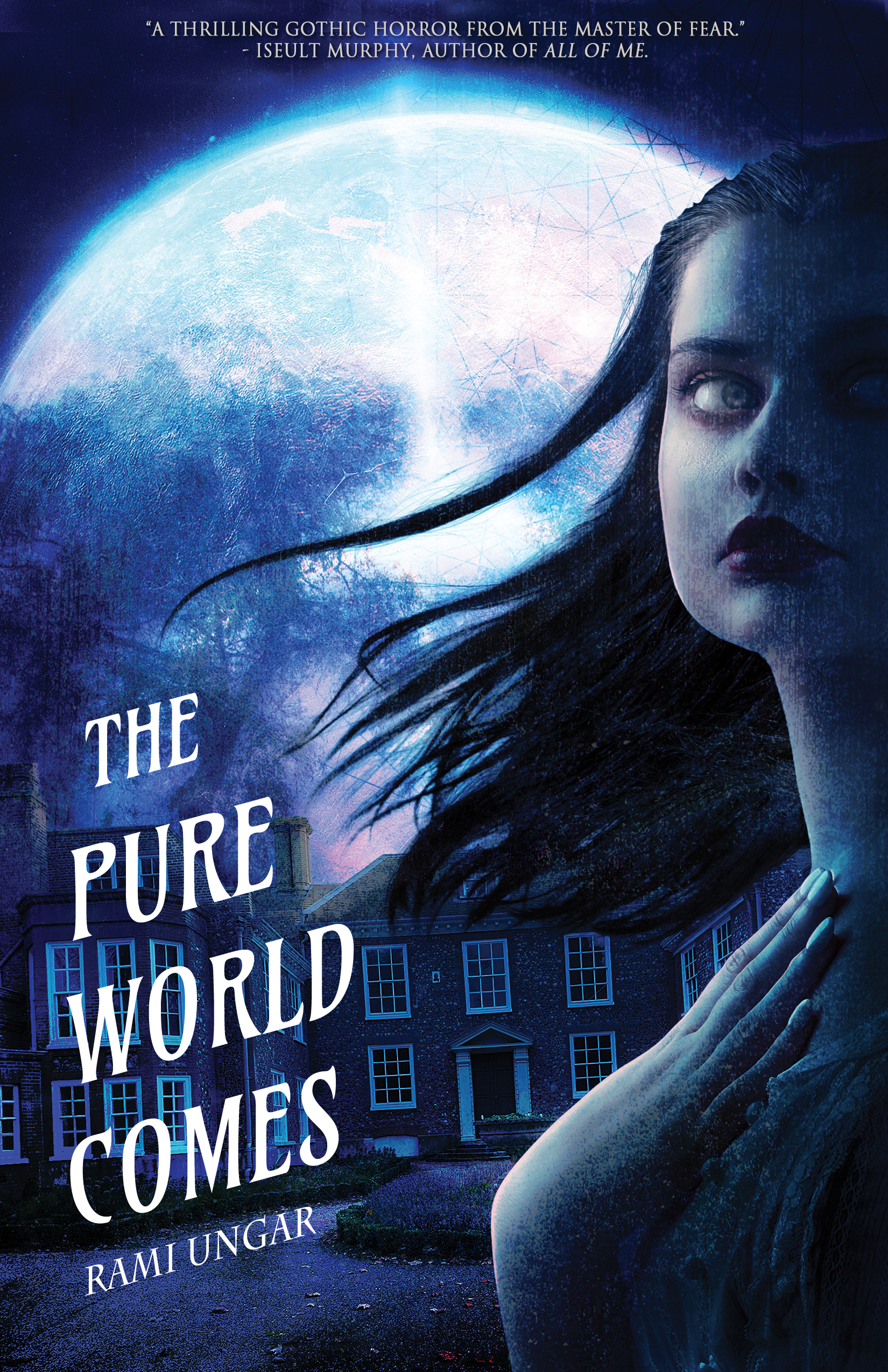
Speaking of this weekend, The Pure World Comes had a very successful weekend! Not only did my Victorian Gothic horror novel about a maid going to work for a mad scientist (“Think Frankenstein and Crimson Peak had a baby together,” as I told folks at the convention) get a bunch of new readers, but it also got a lot of great reviews online. Currently, it’s sitting at a 4.1 out of 5 based on 16 ratings and reviews on Goodreads, and 4.5 out of 5 on Amazon based on 4 reviews and ratings. And a family member of mine told me they thought it was my best work yet! And believe me, they would tell me if it sucked.
I’m so happy with the response TPWC has received in the past two weeks since it was released. And since I intend to keep it up, I’ll post links below. If you think this book might be something you’d want to read, I’ll leave links below (as well as for my other books). And if you enjoy what you read, please find a way to let me know what you think. Not only do your reviews help me out, but they let readers know whether the book is worth their time. A valuable service, believe me.
So, that’s all for now, my Followers of Fear. I’ve another busy week ahead of me, but I’m hopeful it’ll also be a good week. Until next time, good night and pleasant nightmares!
The editing process can take a toll on authors’ mental health, no matter their experience.
As I’ve mentioned more than once (especially during the past few weeks), the publishing process for Rose was something of a roller coaster for me. At least, it was on the mental health scene. There were days and weeks I was feeling on top of the world, and then there were weeks where I was freaking out and wondering how the hell I would ever get this novel into a state fit for publishing.
It’s been nearly three years since Rose was released, and I’m older, wiser, and I want to say calmer. However, I know that roller coaster could start up again during the editing process of Hannah and OtherStories, so I’m writing this post. Both as a reminder to myself, and to help anyone who might go through something similar with their own upcoming books.
Here’s are some tips for getting through the editing of publishing of your upcoming book and the mental health rollercoaster that it is.
First off, remember that this is natural. There’s nothing wrong with you, you shouldn’t be expected to stay happy because you’ve got a book coming out (whether it’s your first or your 247th), and every author goes through difficult periods in life. We have human brains, and those brains, while being the most advanced supercomputers on Earth, have some quirks built in. Our neurochemicals don’t always act naturally, and life can upset those chemicals as much as genetics. So if you’re having a bad period, don’t heap further stress on yourself by being upset with yourself. Just remember that this will pass and good periods will happen as well.
Our brains. Great supercomputers, but they aren’t perfect. So these feelings are natural.
That being said, if your feelings become too much or last for prolonged periods, consult a licensed doctor/psychiatrist/therapist. They may be able to help you with medication, the talking cure, and strategies for coping with those wacky neurochemicals.
And that brings me to my next point: have a support networkand coping methods in place if you can. I know everyone’s circumstances are different, but it really helps to have someone to talk to or multiple people who can come together when you’re feeling down. Having those people who will stand by you and help take your mind off of the craziness of the publishing process can make things all the more bearable.
Not to mention those coping strategies. Taking some time for self-care when you need it improves things immensely. I already have Sailor Moon DVDs awaiting me in my room and ice cream in the fridge. Those are my comfort foods and anime, and they got me through more than a few crazy nights. Not to mention that methods such as hypnosis and meditation, going for a run or dancing, a nice drive, a good book and so many other things, can really help when your mental health starts to spiral.
That being said, certain coping mechanisms should only be done sparingly. For example, I tend to eat more sugary foods and drink alcohol when I’m under stress. Not the healthiest way to deal with my feelings, so I have to be careful not to do it too much.
Okay, now that we’ve gone over the self-care stuff, here are some practical tips when it comes to the editing and publishing of the book:
Edit in chunks or manageable blocks. This is something BSC Publishing Group, which is publishing Hannah, is doing with their clients. Rather than sending notes for the entire book all at once, they send notes for a few chapters or a single story at a time. That way, neither author nor editor is overwhelmed by the process and it feels more collaborative. I kind of like it, as it means I have less of a giant workload to get through, and I can work on other projects in-between chapters. And if you like it, maybe talk to your editor or publisher to see if you can do something similar.
Expect big gaps without activity. You know how you have to wait several weeks or months to hear if a short story is accepted or rejected by a publisher? It’s even worse with a book. Case in point, three months would often go by between submission of a new draft of Rose and getting new notes. And the time between acceptance of Hannah and the first round of notes was about six months. So no, you didn’t do anything wrong. And no, the publisher isn’t ignoring you. They’re just juggling a lot of projects, and they have to devote time to all of them.
Approach each issue/suggestion individually. Finding out your stories has issues, such as a plot hole or a character that doesn’t make sense, or a scene that doesn’t work like you thought it would, can seem insurmountable. Just know that every novel and collection has issues that need work on, including great ones. For Rose (which I like to think is great), after I got my anxiety under control, I went after each problem individually. First I handled the main problem with the antagonist, then the issue presented with the amnesia, and then the monumental problem with the flashbacks, which led to two-thirds of the book getting rewritten. Hopefully that won’t happen to you (though on the plus side, it did rid the book of some problems later in the draft). But taking it one problem at a time does yield results over trying to tackle, and agonizing over, all of them at once.
Remember, the publisher believesin your book enough to publish it. Sometimes, editing the book and guessing what people will think of it, we tend to doubt our own abilities. But remember this: the publisher believes your book is not only good, but it’s good enough that it’ll sell copies and they won’t take a loss on it. And that’s in an unedited state with issues! So if you could write something that good in that state, you’re more than capable of getting it up to scratch for publication. Just keep reminding yourself that and it might boost your spirits a bit.
Finally, keep reading and writing. During the quiet periods in-between drafts or before you go to bed. When you’re wondering how to tackle a problem with your book or when you’re just looking for some down time. When inspiration strikes you or when the new book by your favorite author comes out. Just keep reading and writing. Do it because you love it. Because it’s nice to get lost in imaginary worlds with imaginary problems and imaginary people. Because it’s relaxing and a great way to let the problems of the world slip away. Plus you occasionally get insights from the stories of others to improve your own stories. But that’s not important. It’s important to just sit down and enjoy these activities, because they’re what got you into the storytelling business in the first place and have led you here. And they will lead you onwards from here too.
Rose had plenty of issues before publication, and Hannah still has its share. Still, the publishers for both believe/believed in them to publish them, and that’s an important thing to keep in mind.
Well, those are my thoughts on mental health and the publishing process. I’d include some stuff on marketing, but then we’d be here all night. Anyway, I hope you found these tips helpful. If you think of anything I missed, feel free to put it in the comments. And if you have a book you’re working to get up to snuff for publishing, I wish you the best of luck. You’re in the middle of a tough journey, but you can get through it. And if you managed to get through the trials of writing and editing the book in the first place, you can get through the trials of getting it in shape for the publisher.
Until next time, my Followers of Fear, good night and pleasant nightmares.
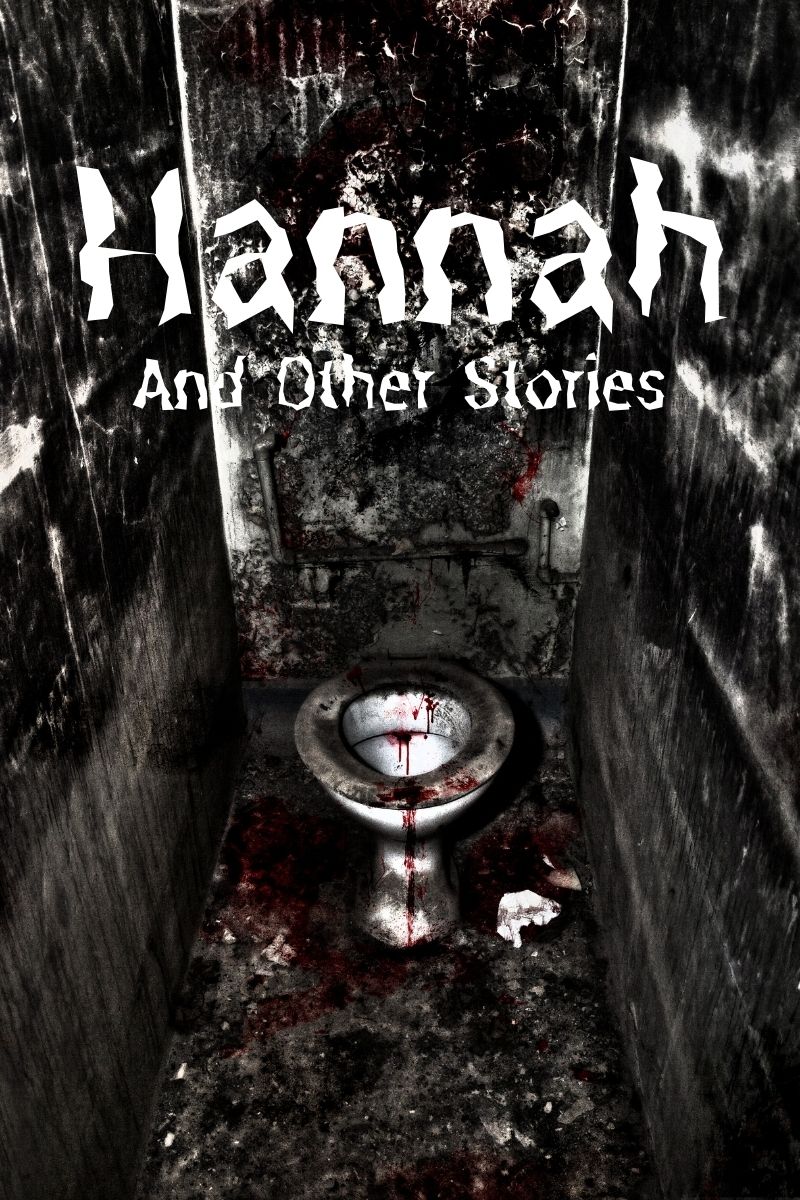
The placeholder cover I made for Hannah and Other Stories. I can’t wait to show you all the official cover someday soon.
Well, the story I was writing for that one anthology will have to be put on pause. Good thing I don’t have to submit till June.
So, as many of you are aware, back in October I signed with BSC Publishing Group to release a collection of short stories. The collection is going to be called Hannah and Other Stories and will consist of seven short stories, novelettes and novellas, including: Hannah, which follows two ghost hunters whose latest investigation has consequences for multiple people; The Autopsy Kid and Doctor Sarah, about a young girl’s relationship with a budding psychopath; and Poor, Unfortunate Souls, in which a rave underneath the streets of Paris receives an unexpected and horrifying guest.
Anyway, since I signed that contract, some time has passed, and I’ve been writing and editing stories like crazy so I don’t get rusty. And today, I finally received the first round of edits. And it looks like I have a lot of work to do!
Man, I wish all those edits I’d done back in spring and summer last year were enough to spruce up the stories. But I guess I wasn’t so lucky.
On the bright side, I still have some pretty clear memories of when I edited Rose back in 2018 and 2019. That was the last time I edited an entire book with a publisher, and it was quite the learning experience. Given what I remember, I will take it story by story, part by part, and try to identify the same issues my editors did, as well as using their suggestions to improve the story.
I will also make sure to take care of my mental and emotional health. It’s not something that’s talked about enough in the writing community, but this path we walk takes a toll on us writers. And that’s especially true when it comes to publishing an entire book! When I got the first edits back on Rose, for example, I went into a tailspin of anxiety. There were a lot of issues with the novel, a couple of which led to me rewriting around two-thirds of the book. Needless to say, I was upset with myself that I missed so many issues and worried I wasn’t going to be able to fix them. It took a lot of work for me to calm down again and start to work on the book again.
This time around, I’ll be better prepared. As I said before, I’ll take each story one at a time, and I’ll try not to let the issues with each story get under my skin. After all, not only have I been through this ordeal before, but I wrote these stories already and the publisher thought they were decent enough in their imperfect state that they wanted to publish them. If I was able to do that, I can edit the stories to a state where they can be released.
Plus, I have a support network I can rely on if things get to be too much, and I’ve already ordered my comfort anime from the library (nothing like a Sailor Moon binge to make you feel refreshed). Add in some ice cream and the occasional pizza delivery, and I’ll be fine.
Anyway, I’ll keep you all updated on the progress of the book, as well as my other projects. I may also write a post on maintaining your mental health during the publishing process at some point. In the meantime, if you’re looking forward to Hannah and can’t wait to read it, or you need something to read in the meantime, I’ll include links to Rose and my other books down below. Who knows? You might just find your new favorite horror story down below. Let me know what you think.
And please also check out the anthology Dead of Winter from the Dublin Creative Writers Cooperative and Spark Street Media, which contains the story “Azazel Dances” by myself and Richard Gerlach. It’s a great story inside a great anthology, so why not check it out?
And with that, I’ll take my leave. Until next time, my Followers of Fear, good night and pleasant nightmares.
A handy graphic for understanding the three act structure, courtesy of Wikipedia.
The other day, I was talking with some other writers about how to write a decent short story (an eternal question among writers, including the ones who’ve gotten them published). And I noticed that, with a lot of my recent short stories, most of them fall into a decent three act structure. And then I said, “I know the existence of the three act structure is dubious, but it’s the truth.”
And, like many odd things, that little exchange has stuck in my head.
So for those of you who don’t know, the theory of the three act structure states that all stories, especially longer ones, can be divided into three separate acts or sections: the setup, the confrontation, and the resolution. The acts may then be divided into smaller scenes or subsections, but they all fit into those categories. Some examples given of stories with the three act structure are Star Wars, Die Hard, and Avengers: Endgame (though I sometimes think everything before the five-year jump is its own separate act or prologue).
While many of us are taught this structure in school, most of our teachers will let us know that not everyone believes in the three act structure, let alone say they use it. Some prefer using a five act structure. Others say storytelling is too complicated and diverse to say a story can be divided into a formulaic structure. And nearly all playwrights will agree that if it can’t be told in one act, tell it in two.
Good example of a story in three acts (supposedly).
That last one might be a joke.
I’m usually of the camp that believes storytelling is too complicated and diverse to boil down into a structure. Look at Stephen King stories. Most of his shorts, like Graveyard Shift, Night Surf or The Boogeyman, are simple one-scene stories with maybe a twist at the end, and I dare you to try to fit books like IT or Salem’s Lot into three acts. Then there are stories like Kill Creek by Scott Thomas or Interview with the Vampire by Anne Rice, which feel like they fit into four acts.
As for my own books, Snake is in multiple sections, much like the books I was reading up to and during the writing process, and I see Rose as in-the-apartment and after-leaving-the-apartment (if you read the book, you know what I mean). I can’t see the stories in The Quiet Game as anything but a progression of events. And I wouldn’t even know where to start with The Pure World Comes or the stories in Hannah.
So, is the three act structure a real thing? Well, yes and no. I feel like it’s more of a framework for people to examine fiction, both others and their own. You don’t have to use it if you feel it doesn’t work for you or if you feel a story has too much happening in it to divide the plot into three separate sections.
But if you do find it helpful, use it to your heart’s content. I’m sure many writers, especially plotters like myself, find the three act structure helpful for planning their stories. And as I said above, many of my recent short stories, including the ones that have been published, fall into three acts. Though I think of them less as acts and more like beats, scenes, settings, or occurrences. And if I’m trying to keep a story within a certain word count, I can see using this structure to my advantage.
So what is the three act structure? It’s a prism to understand some fiction stories through, as well as an actual tool for writing. It’s not perfect, and most stories don’t fit into it that well, but that doesn’t mean the idea isn’t useful. Hell, it might even help you hone your craft and get a few more short stories out there. And that is never a bad thing.
Unless you’re trying to write an award-winning musical. Then you might want to keep it to two or maybe just one act.
That’s all for now, my Followers of Fear. March has just started and it’s already looking a lot better than January and February is (world events notwithstanding). I hope I can update you on exciting developments in the near future. And until next time, pleasant nightmares.
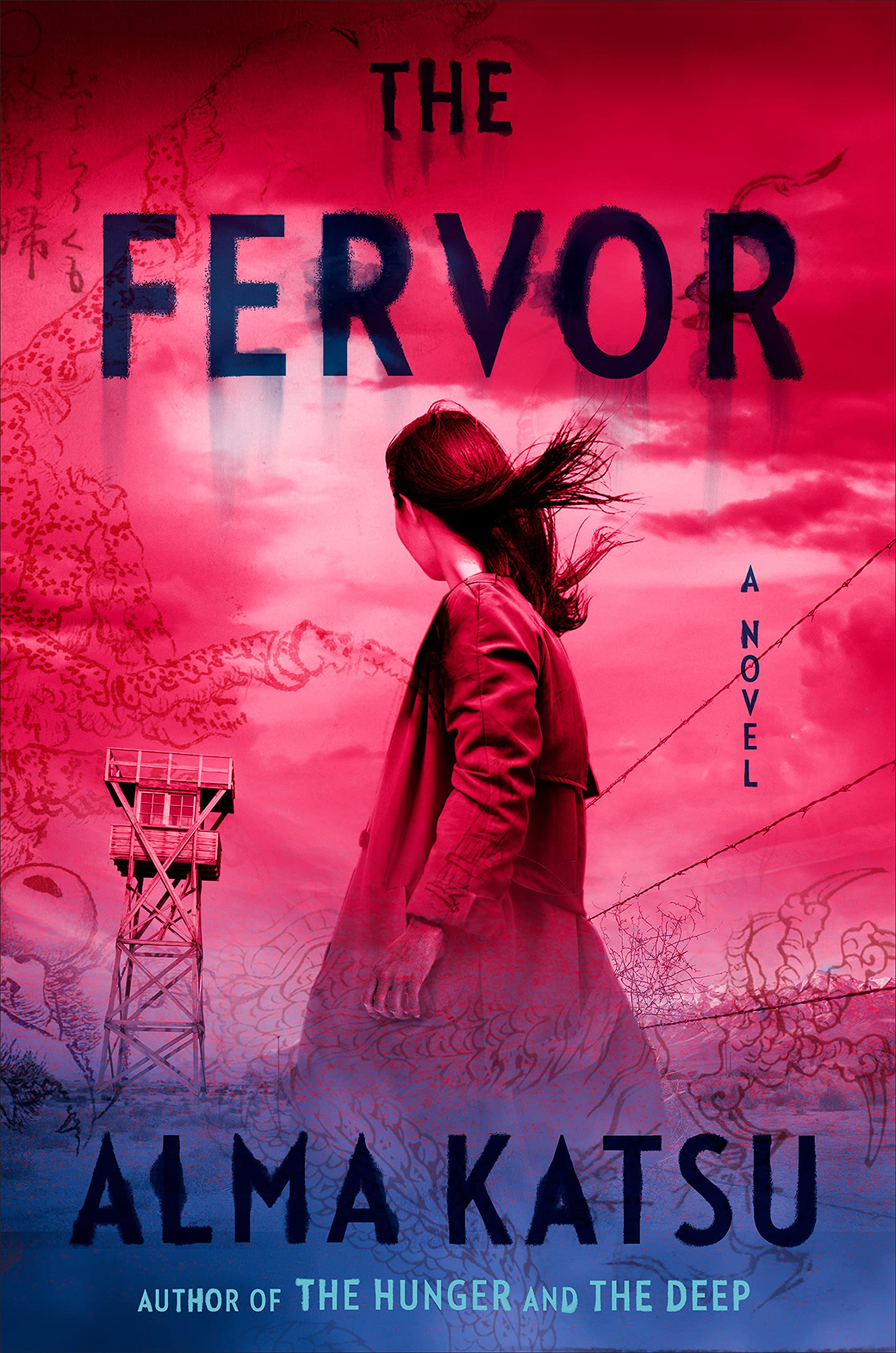
Some of you may remember at the start of the pandemic I had the pleasure to interview Alma Katsu, author of the critically acclaimed novels The Hunger and The Deep (you can read that interview here). I loved both novels, which took on the historical events of the Donner Party and the Titanic, respectively, and turned them into supernatural horror stories. It won’t surprise you, then, that I’ve been looking forward to her next historical horror novel for a while now.
Two pieces of good news: first, Ms. Katsu has a new novel, The Fervor, coming out in late April! The novel takes place during World War II at a Japanese internment camp and involves a strange disease and a stranger monster from Japanese legend. Yeah, you can tell this is right up my alley!
Second pieces of good news: Ms. Katsu has agreed to let me interview her about the book! So without further ado, let’s talk to Alma Katsu and find out why you should be as excited as I am for her new novel.
Rami Ungar: Welcome back to the blog, Ms. Katsu.Please tell us about The Fervor and how it cameabout.
Alma Katsu: First came the decision to set the next book in WWII. That had to do with trends in publishing, frankly; I’d sat in on the editors’ panel at the Historical Novel Society conference a few years ago, when it was time to come up with a proposal, and their advice was that historical fiction was pretty much dead except for WWII. I’d always thought it would be interesting to write about the internment camps, but then the question was how to turn that into a horror story? Objectively, the horror should be pretty evident: here was a government locking up its own citizens, people who hadn’t committed a crime, because they didn’t trust them. Because the average citizen (with the help of propaganda) believed that Asians were inherently sneakier and untrustworthy.
RU: You’ve talked about your Japanese heritage and how it influenced the story. Can you go into thatfor us?
AK: This was the first time where the main character of the book has the same ethnicity as me, and it was pretty eye-opening. For one thing, as I was writing I realized that I had a lot of resentments about the way my mother had been treated coming to America after the war, and the way I’d been treated as a minority (to a lesser extent) bottled up inside. Add to that the preconceptions about Asians and Asian women, in particular. This was an opportunity to write the truth, to dispel myths. It was freeing.
RU: I can only imagine!And speaking of Japanese elements, there’s been a surge of stories inspiredby Japanese culture, particularly yokai, in the West.Some examples include Nothing but Blackened Teeth byCassandra Khaw and my own novel Rose.What do you think of that surge,and where do you think it comes from?
The Fervor by Alma Katsu.
AK: I’m afraid I don’t have much to offer here. I know some folks are big into Japanese folktales and such, so I’m not aware of a surge per say. It always seems to be fairly popular thanks to anime! Japanese yokai and yurei are part of the fabric of life for Japanese, and so I’d heard and read stories when I was a kid, and it didn’t seem you could tell a horror story with Japanese characters without incorporating it in some way.
RU: Well, I can attest thatanime was definitely an influence on me.Anyway, The Fervor also involves anepidemic in a Japanese internment camp.Did the COVID-19 pandemic influence your decision to include that?
AK: I drew on COVID, yes, the feelings of mass panic and confusion, but The Fervor is about racism. I decided to write it after watching what’s been happening to this country over the past four years or so. I’m not naïve but it’s been bewildering to see racism go mainstream in America. It’s comforting in a way to think it could be a disease, something you could catch, as that at least is understandable. The January 6th attack on the Capitol also influenced the book: The Fervor was an attempt to look at what this country has been going through and compare it to another horrible incident in America’s past, and show that we haven’t changed much.
RU: I’m looking forward toseeing how that plays out in the book. So, what research did you do for the book?
AK: This was different from The Hunger (the Donner Party) and The Deep (the sinking of the Titanic), events that I didn’t know a lot about. I already knew a lot about life in the internment camps, because I’d heard stories from my in-laws, seen documentaries and read articles. I knew what the issues were, I knew how the interned felt and what they had gone through. For the book, it was more a matter of filling in the gaps. I lucked out in that a neighbor’s family had been interned at Minidoka, which is featured in the book, and had a trove of documents from the camp: maps, rosters, newsletters, all kind of non-official documentation that typically gets lost to time. It was a real windfall.
RU: Yeah, primary sources like that are always a boon when writingabout history or using it. And speaking of which, you’ve written about the Donner Party, the sinking of the Titanic, and now the Japanese internment camps. Are there any other ages or historical eventsyou would want to write a story about?
AK: After doing three books and having them change a bit each time (going from being fairly close to the history to becoming reinterpretations of events, maybe just shy of alternate histories), I think it’s time to re-evaluate. I’m sure there are plenty of interesting historical events (I’d love to do another Western, for example) but I’m a little burned out on close reads of history right now.
RU: Fair enough. Switchinggears a bit, what are you working on nowadays?And when can we expect tosee the TV series based on your spy novel, Red Widow?
AK: I just handed in the second in the spy novel series, and though I’m sure it’ll need some work, I’m glad to have that behind me. I’m working on a new project that I can’t talk about at the moment, and hope to be pitching a few TV proposals soon.
Red Widow, the TV series, is chugging along. The pilot script is being polished right now, and we hope to know whether we’ll be shooting the pilot before too long.
RU: Final question: what are you reading these days? And are there any recent reads that you wouldrecommend others check out?
AK: There are so many great books coming out this year that it’s hard to single out just a few. Let’s see… SA Barbes’ debut Dead Silence just came out. It’s space/horror: think Aliens meets Titanic. It’s a lot of spooky fun. I had the opportunity to read Andy Davidson’s The Hollow Kind, a wonderfully suspenseful, creepy southern Gothic with a dual timeline. It doesn’t come out until October, however. I’m really excited for Catriona Ward’s next novel, Sundial, which I think I liked even better than Needless Street.
RU: Well, thank you for joining us, Ms. Katsu. It was a pleasure to have you again. Please keep us posted on your progress.
If you are interested in The Fervor, you can preorder it now from most retailers. You can also check out Ms. Katsu’s other books, including The Hunger, The Deep and Red Widow. And, of course, you can find Ms. Katsu on her website, Facebook, Twitter and Instagram.
That’s all for now, my Followers of Fear. I look forward to reviewing The Fervor this coming spring. And in the meantime, I’m sure I’ll be back soon with plenty to share with you. Until next time, good night and pleasant nightmares!
I’ve been wanting to post something for the past several days, but I have nothing to really post about. But I’ve been getting antsy and current events are not helping (type “Texas synagogue” into Google and you’ll understand why), so I’m blogging about things going on in my life. If only just to distract myself and to let you all know I’m still alive.
And if you Googled what’s happening in Texas, please pray to the deity of your choice that everything turns out alright.
So, in my personal life, things aren’t too bad. Work was a little crazy during the first week of January (which is pretty much par for the course), but this week things got calmer, so I didn’t feel like tearing my hair out. And all month, I’ve been looking for a new apartment to move into when my lease ends this summer. I’ve got a few possibilities already scouted out and am on the waitlist for, so hopefully I’ll have a better idea on where I’ll be living soon.
On the writing front, things have been crazy! The work for the Kickstarter campaign has taken up quite a bit of my time (more on that in a bit). However, I have found time to write, or at least attempt to write. As I said in a previous post, I’ve been working on a story where I terrorize neo-Nazis, and that’s been going well. Actually, while finishing up the most recent chapter of that, I managed to fix a few problems with the logic of the story and cut out a superfluous character. It’ll still take me some time to get the first draft finished, but I think it won’t be too bad once it is. It’ll be in need of a lot of editing, but it won’t be half-bad.
On another note, the Kickstarter for “That Which Cannot Be Undone,” the horror anthology I’m helping to create, is 77% funded! Yeah, pretty amazing, huh? We think we can reach our full funding by the time the campaign ends in twelve days, but we’re doing everything we can to make sure that happens. In the spirit of that, I’m offering up signed copies of my books Rose, Snake and The Quiet Game for people who pledge to the campaign. So if you want to read some of my works (signed, no less), and help support the career of me and fellow Ohio horror authors, this is a great opportunity to do so. You can use this link to pledge: https://www.kickstarter.com/projects/crackedskullproject1/that-which-cannot-be-undone-an-ohio-horror-anthology
77% and counting. Why not join us?
As for the other projects, the paperback and ebook editions of The Pure World Comes is on schedule. I’ll be reaching out to a cover designer I’ve worked with before on the cover soon, and once I have that, I can start uploading/formatting the actual book on a publishing platform. And I’ll be starting work on Hannah and Other Stories soon, as well as following up on some submissions this weekend. With any luck, I’ll be able to post a real update on something soon.
Anything else? Oh yeah: in about two weeks, I’ll be driving over to Marietta, Ohio for the Hidden Marietta Paranormal Expo. It’ll take place on the 29th at the Lafayette Hotel, and I’ll be selling books and doing Tarot readings while there. Hope you can make it!
Well, that’s my update. I’m off to heat up dinner, watch a movie, and then do a late-night writing session. Until next time, good night, pleasant nightmares, and please pray for what’s happening in Texas.
With the year winding down, I thought I would let you know that I’m scheduled for a couple of events in 2022. Not many, but one is next month, so I figured I might put out a notice in early December. Sorry if you consider this spam in your reader or your email inbox.
First, I’ll be attending the Hidden Marietta Paranormal Expo in Marietta, OH on January 29th, 2022. This is a cool convention for those who enjoy the spooky and the dark, in a city that is known to have quite a few haunted locations (I’m thinking of taking a vacation there for my birthday next year). In fact, the expo will be held at the Lafayette Hotel, which is said to be haunted to the gills! You can find more information on Hidden Marietta’s website here.
And guess who’s going back to prison (so to speak)? That’s right, I’m going back to the Ohio State Reformatory for ParaPsyCon 2022. This year it’ll be on May 21st – May 22nd, 2022 and again it’ll be at one of the most haunted, if not the most haunted, prisons in America, the Ohio State Reformatory in Mansfield, OH. I had a really good experience last year, and I’ve learned from my fellow vendors, as well as my own mistakes, for ways to ensure that I have an even greater experience as a vendor. You can find out more about ParaPsyCon by checking out the website here.
Anyway, thought I’d mention it in case anyone is able to make it, especially the Hidden Marietta Paranormal Expo. I plan to bug you all less this year about my public appearances so you don’t get sick of me mentioning them. Except for news about new conventions and whatnot, I’ll probably only mention them right before they happen.
Anyway, I hope I’ll get to see you at one of these events and maybe read your Tarot and/or give you a signed copy of one of my books.
(And if you can’t, or if you’re looking for some scary reading for you or for friends and family this holiday season, I’ll include links for my stories below. Yes, I’m doing another book ad, but I only do this occasionally, like how I plan to do event notices.)
That’s all for now, my Followers of Fear. I’ll talk to you again very soon. Until next time, good night, Happy Hanukkah, and pleasant nightmares.
Oh, and if you’re wondering about That Which Cannot Be Done, I’ll update you on that in a future post. Probably the next one. Believe me, I have news. But like I said, trying to limit how much I advertise this sort of stuff.
Well, I found my least favorite novel of 2021. Given how much hype it’s been getting since 2020, I’m disappointed.
Drawing on Japanese folklore and mythology (gee, who do I know who’s done that before?), the story follows five college grads who go to an old Japanese mansion for a wedding ceremony (sounds like my dream wedding). The mansion is supposedly haunted by a bride whose fiancé died on the way to the wedding, and then had herself buried alive underneath the house. As night falls, strange things occur in the mansion, putting everyone at risk.
I hate to be negative about a novel. I know how hard it is to get your work published. But that being said, I’m still not sure how this novel got published in the first place. There’s so much to hate!
While the location and the concept are cool and the climax did make things more interesting, the rest is a hot mess. For one thing, I barely know these characters, because very little time is spent actually developing them. I know even less about our narrator, Cat, because what we learn about her is mainly just hints. We understand that she has depression and it messed with her pretty bad, but the specifics aren’t given and it just leaves the reader so confused.
As for the other characters, there’s nothing to like about them. One’s a “perfect” billionaire who’s sorry about something he did to the narrator (what, I don’t know); another is supposed to be the narrator’s best friend, but I don’t know anything about him to really get me to like him; one is supposed to come off as funny and instead just comes off as annoying; and the ironically most developed character is the best friend’s fiancée, who just hates the narrator because she’s insecure and think the narrator wants her man. They all seem to hate each other, yet insist that they’re all friends and should get along. Why they hang out with one another, I have no idea.
At least looking up hitobashira put that one Junji Ito story into context. Didn’t make it any scarier, but it did make it easier to understand.
As for the rest of the novel, there’s a scary story hidden in there that wants to come out, but it’s buried under a lot of problems. The language is trying to be flowery, but there are words in here that I’ve never read before. In the English language, no less! It feels like the author was trying to out-Lovecraft Lovecraft with the wordplay, and succeeded in all the wrong ways! Not to mention the Japanese stuff is never explained. I had to look up most of it myself, which is not a good sign if the book doesn’t spell it out for the unfamiliar reader.*
And finally, the psychological stuff is trying and failing to be psychological. It’s just wacky. Like watching a bunch of people on drugs trying to be profound and get into your mind. And the characters are drunk, but that’s no excuse. If you’re going to go for psychological, at least make sure it’s effective!
On a scale of 1 to 5, I’m going to award Nothing But Blackened Teeth by Cassandra Khaw a 1.3. One reviewer on the book’s back cover called it “The Haunting of Hill House for this century,” and I agree, in the sense that it takes the worst parts of that book and coalesces it into another haunted house. Avoid this one, and go read something else. Trust me, your time will be much better spent on other books.
*When I was editing Rose, I made sure that the Japanese concepts of kami and oni were spelled out because I knew plenty of my readers, including my parents, wouldn’t know anything about them. The novel has gotten a couple of negative reviews, but nobody’s criticized it for not understanding the Japanese mythology/folklore/religious stuff.
I won’t say Rose is better because of that, though. I’ll leave that up to the readers to decide. I’m just explaining what I did differently.
Just a note, Followers of Fear: today marks one week till the crowdfunding campaign for That Which Cannot Be Undone goes live. If you’re not aware, some of my fellow Ohio horror writers and I came together to create a small publisher, Cracked Skull Press, with the goal of putting a spotlight on Ohio horror writers. We’re gearing up for our first anthology, That Which Cannot Be Undone, the stories of which will be set around the theme “that which cannot be undone,” set in Ohio, and written entirely by Ohio horror authors.
Of course, we’re going to need your help to make it happen. We’re doing a crowdfunding campaign on Kickstarter starting November 29th and hoping to raise ten thousand dollars for paying the authors and editor, as well as other costs. And if you support the anthology, not only will you help us shine a light on Ohio horror, but there are perks to be gained for pledging your support.
And if we don’t make our goal, you won’t be charged for it. So your pledge won’t be taken unless we make our goal. That being said, we hope and think we’ll make our goal, so we hope you’ll join us. You can check out the project and sign up for notifications using the link below.
That’s all for now, my Followers of Fear. I’m off to work so I can work on my stories later. Until next time, good night, pleasant nightmares, and, if I don’t check in before Thursday, Happy Thanksgiving!




 Rami Ungar The Writer