Author Archive

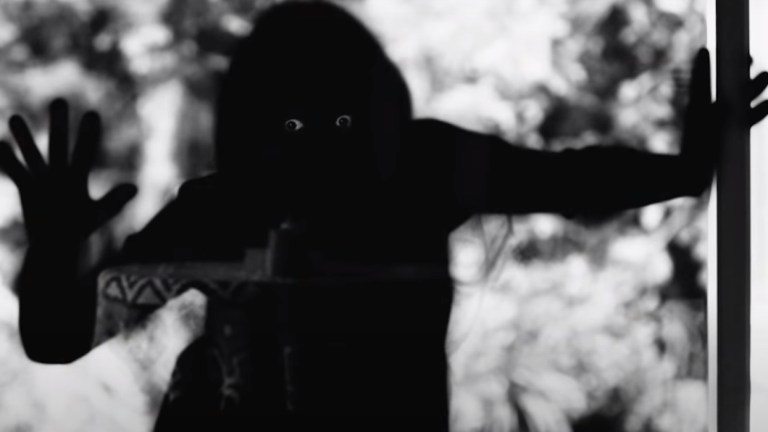
Ad for Black Peter Robinson’s Mourning Warehouse, and the image that inspired this story.

Wow, what a mouthful of a title. And what a story! I have a good feeling about this one.

But I’m getting ahead of myself. Let’s start with the point of this post: just a few minutes ago, I finished a new novelette. Titled “The Ghost of the Mourning Museum,” the story follows a man on vacation in the UK who visits the Museum of British Mourning.* While there, he encounters a little girl who says she’s the daughter of a mourning warehouse owner who died in the 19th century. As it turns out, the museum is haunted by that girl’s ghost, and seeing her is said to herald your death.

So yeah, if you read my post on the cult of Victorian mourning rituals, you can see how that might fit into this story. In fact, quite a few of my interests made their way into this story. Tarot, for instance; I was struggling at a certain point in the outlining stage of what should happen to my protagonist, so I just gave him a Tarot reading. I then pulled out my own deck, and used that to perform the reading for my character. What the cards gave me ended up propelling the story forward in just the right way.

And because I’d been to Britain on a study abroad trip years ago, I got to include a little bit of my experience in the story. Not much, but a little.

So, what’s next for this story? Well, at 10,535 words, publications are going to be very selective with what they’re willing to accept. That being said, I think this story has potential, so I’m going to find a few beta readers to give me feedback. Once I have that feedback, I’ll use it to spruce up this story. And then, once that’s done…who knows? At the very least, I’d like to get it out there and see if anyone else enjoys the story.

For now though, I’m drinking some beer and retiring for the night. Goodnight, my Followers of Fear. I’m sure we’ll catch up at some point this weekend. But until then, stay safe, pleasant nightmares, and…holy crap! WordPress informs me I’m past a hundred thousand views on this blog! Everyone, thank you so much for continuing to read this blog and support my writing career. You can’t imagine what it means to me. I hope you’ll continue to support me as I work on getting more stories out there and reaching my full potential as a writer.

Until then, pleasant nightmares!

I know I said that already. I don’t care.

*For the record, there isn’t a real Museum of British Mourning. I just made it up for the sake of this story. However, if one does come into existence in the future, I hope the museum will give credit where credit is due and make me part of the museum’s operations in some way.

Queen Victoria and her grandchildren by her daughter Princess Alice, mourning their mother and sister Princess Marie.

Yes, this is another Victorian England post. Don’t worry, it’s going to be relevant to horror and to the stories I write, believe me.

During my research into the era, I found that the Victorians really had a thing for mourning. In fact, they made ritualized mourning into something of a fine art or a pseudo-religious practice (hence why I call it a cult). You know how during a funeral, it’s tradition to wear black? Victorians took that to extremes: when someone you know died, you were required to mix black into your clothing, how much depending on your level of closeness to the deceased. A widow would have to wear full black clothes, usually made from crepe fabric; a child would wear black with white cuffs and frills; and servants would wear black bands around their arms (maids could also wear one around their caps or bonnets, or fully black caps and bonnets).

Also depending on the closeness to the deceased would determine the length of the initial mourning period. Yeah, you read that right: initial mourning period. For the Victorians, there were stages of mourning, particularly for close relatives. For widows, for example, the initial mourning stage could last up to two years, during which time they could only wear black clothes and black jewelry; black clothes was hung on mirrors and windows; and they were to refuse all socializing. Any letters they sent out had black borders, and it was encouraged for them to forget the outside world to focus on the deaths of their husband.

Of course, this was slanted very much towards women: men were allowed to wear only a black armband and go out because they were typically breadwinners. They could also remarry or enter the social scene sooner, because men were expected to have wives to take care of them and a mother for any children.

Furthermore, only women from the middle or upper classes took part in the full mourning ritual. Women from the lower classes, while still wearing black, would have to go out to earn a living. If one could be earned, of course; I’m not entirely sure, but I think I read that women could have difficulty finding work during mourning, if they previously weren’t working. In fact, many women and families went into debt or became homeless by observing mourning rituals.

Why did they do all this? Part of the reason may have been Queen Victoria herself: when her husband Albert, Prince Consort, died, she went into lifelong mourning for him, wearing black for the rest of her life and refusing to remarry. For a time, she even retreated from her royal duties. This inspired the cult of mourning and its associated rituals.

Part of it may have also been (and this is just my hypothesis, but I could be onto something) the resurrection men, grave robbers who stole bodies and sold them to medical schools for anatomy lessons. Back then, there was a huge demand for bodies at medical schools, but never enough supply, so resurrection men would step in to meet the demand (as well as be paid handsomely for it).* And because not everyone could afford safeguards to keep their coffins from being raided and stealing a body technically wasn’t a crime yet, all resurrection men had to worry about was getting caught by an angry mob.

Ad for Black Peter Robinson’s Mourning Warehouse, and the image that inspired my current story.

Regardless of what caused it, the cult of mourning existed, and everyone was expected to obey, especially married women. To fail or to opt out was to be accused of never having truly loved or been family with the deceased, or to be cold and cruel.

And where there is devotion, there is money to make off it: while poorer families would dye their clothes black or got them secondhand, those who could bought them from specialized “mourning warehouses,” department stores that sold mourning wear, as well as coffins and items associated with mourning. Some even rented out hearses and horses for their clients! Some of the biggest were the London General Mourning Warehouse, or Jay’s, and the Black Peter Robinson Mourning Warehouse.

But wait, there’s more! Post-mortem photography was also popular during this period. Photography was a lengthy and expensive process, so many families would only get photographs of their loved ones when they’d just passed. They would then be posed and prepared to look like they were sleeping, often next to living family members. Rather than morbid, this was seen as a good way to remember the dead and help with grief.

A post-mortem photograph. Because of course I would include one.

Of course, a lot of this fell out of fashion in the early twentieth century, first among the upper classes and then trickling down to the lower. Cheaper funeral practices became preferred, and post-mortem photography became unnecessary as getting a photograph became easier and more affordable. Today, only characters in books and neo-Victorians still practice any of these (yes, that’s a thing, but for another post).

And yes, resurrection men are largely a thing of the past.

Why do I bring this up? Well, besides being interesting, the story I’m writing now focuses on Victorian mourning to an extent, and doing some further research into Victorian mourning practices made me want to blog about them. So thank you for coming to my TED talk (I love making that joke).


That’s all for now, my Followers of Fear. I’m sure I’ll be back soon with more to rant or gush about. In the meantime, thanks for enabling my love of the Victorian era. And until next time, stay safe and pleasant nightmares!

*H.H. Holmes, one of America’s first recorded serial killers, did this with his victims, which leads me to think he was more interested in making easy money than in killing.

About two years ago, I binge-watched the entire first season of an anthology series called Channel Zero, this one focused on adapting popular creepypastas. The first season, Candle Cove, was terrifying enough to earn a 5 out of 5 review from me (which you can read here).

And then it took me two years to actually get around to watching season two, No End House. But over the past week, I watched it. How did it stack up? Let’s find out.

Based on the story No End House by Brian Russell, this season follows Margot, a young woman still mourning the sudden passing of her father the year before. One weekend, when her friends are home from college, they invite her out to a traveling haunted attraction called No End House, a house so terrifying that it’s said to change lives! They go to check it out, and find out that the house is more than a haunted attraction: it’s another world and a living organism unto itself. And they are its meal.

Like the first season, No End House uses a slow-burn approach to tell its story. Combined with a surrealism rooted in normal suburbia, it makes for a compelling watch that’s hard to look away. The characters are mostly nice enough to root for. My favorite was probably Seth Marlowe, played by Jeff Ward of Agents of SHIELD fame (Deke Squad forever!), who constantly surprised me with the reveals of his character. And John Carroll Lynch, who has played Twisty the Clown and Mr. Jingles in various seasons of American Horror Story, plays his character with plenty of love and pathos.

And there’s quite a bit of horror played around memory, the loss of or perversion of it. It’s a little chilling when you think of how memory is almost a physical, tangible thing used against the characters in this season.

That being said, the season does have its issues. The emphasis on emotional and character-driven storytelling is emphasized at the expense of the horror. There were no moments where I felt like crapping my pants or curling into a ball out of fright. Furthermore, there’s a missed opportunity to lean into the horror of the surrealism, just keeping it weird rather than creepy. All this is at the expense of the horror. Whereas the first season had this constant dread of the strange and unexplained, of the mystery at the center of it and how it affected the characters and the world, there was none of it in this season.

ON the whole, I’m giving Channel Zero: No End House a 3.4 on a scale of 1 to 5. It has some great characters and ideas, as well as some freaky scenes, but it misses numerous opportunities to scare the pants off us. If you’re looking for more story and character driven horror, this might be for you, but it won’t give you the buzz a real scary show will.

Despite how the second season compares to the first, I’ll probably still check out season three at some point. Likely within two years, though.

That’s all for now, my Followers of Fear. I’ve got a busy weekend ahead of me, but I’ll try to check in with something by Monday evening at the latest.

Until next time, stay safe, pleasant nightmares, and if you go to a haunted attraction but you can’t find anyone running the place, signing waivers, or paying/taking money…maybe reconsider stepping inside.

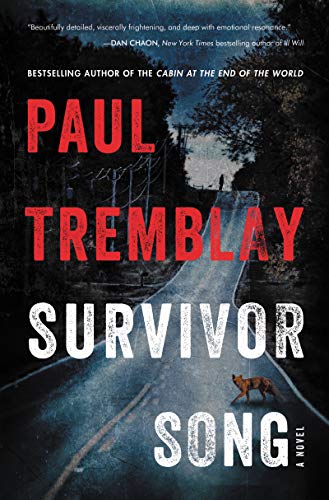
You would think that in the midst of a pandemic, nobody would be interested in pandemic fiction. Paul Tremblay’s new novel Survivor Song, released just last month, is about a pandemic (still trying to figure out if that’s coincidence or if Tremblay knew COVID-19 was on its way and wrote the story in response). And yet I, and many others, picked it up as soon as we could, and devoured it. I got it done in about a week, reading through the last half today. So yes, even in the midst of a pandemic, there’s an appetite for pandemic fiction. And Survivor Song is a welcome addition to the fold.

Survivor Song follows Dr. Ramola Sherman, a pediatrician experiencing a pandemic of her own in her state of Massachusetts. This one is a fast-moving form of rabies, one that affects its host within hours instead of days or weeks. As fear, anger, and conspiracy swirls around the state, Ramola gets a call from her best friend, Natalie, who is eight months pregnant and ready to burst. An infected man killed her husband and bit her. Thus begins a saga to find someplace to get Natalie treated, to save her and her baby. But with rabid humans and animals everywhere and time running out, can Ramola help anyone, let alone her friend and her friend’s baby?

A pandemic story with a slash of zombie thriller (though Dr. Sherman will remind you, none of the infected are zombies), Tremblay’s novel offers a stark, believable story of a disease running rampant through the state and the problems that come up in such a situation. That said, there are plenty of twists and unexpected turns, and they add to the tension of a clock running out of the story. Quite a few times I read something and was like, “Oh no!” or “Well, that’s a complication.” I also loved how Tremblay managed to hit on a lot of what we’re seeing in our current situation, including but not limited to: hospitals fighting an uphill battle; people not obeying health guidelines or employing easy “solutions” that are actually problematic; and crazy, convoluted conspiracy theories.

Also, that ending! Guy knows how to write a tense climax.

At the same time, there’s a deep-running love story here. Not a romance story or romantic love, but love between friends and a mother and child. Through Ramola and Natalie’s interactions, and the messages Natalie leaves to her child, you really come to care for these characters and hope for the best despite the threat of the worst.

If there’s one thing I didn’t care for and would’ve liked to see changed, it’s the ending of the story for Josh and Luis, two teens whom Ramola and Natalie meet while trying to get to the hospital. They were in the story for only a short time, but I really grew to like those goofy nerds and would’ve liked to see more of them in the story, or maybe in a story of their own. And not just because they were Doctor Who fans (Whovians, unite!).

All in all, Survivor Song by Paul Tremblay is a thrilling and emotional read and perfect for these mad times. On a scale of 1 to 5, I’m giving the book a 4.5. Stay inside, grab a bite, and get ready for one roller-coaster of a story. Just hope the bite you grab isn’t something biting your arm off while you’re at it.

And while I still have your attention, guess what happened last night? Stephen King tweeted about this book, and I replied mentioning my progress in it and when I hoped to have it finished. He retweeted it. King retweeted it! And I’ve been fangirling ever since (while at the same time daring to hope this isn’t the last time I end up on his radar). What a world, right?

My friend and fellow blogger whose tastes are way different than mine, Kat Impossible, tagged anyone who was interested in doing this tag. It sounded fun and informative, so I thought I would give it a try. It took me a while to get around to writing my own version and answering the questions–Kat’s post came out right after I got back from my trip, and I had a few posts to write before this one–but it’s finally out.

All credit goes to The Long Voyage for the original version of this tag. You can read it here.

NEVER HAVE I EVER…

…started a novel that I did not finish.

Before age 12 or 13? All the time. I wrote maybe five or six novels (which probably had word counts of short stories or novelettes at most) that didn’t get finished. There was a pirate story, a Frankenstein story, a caveman story, and a few zombie stories. Finally started getting some vampire stories to completion in middle school. I think it was a problem of focus and interest, rather than the story themselves. Then again, I was so young. Youngsters aren’t very good at staying focused on goals without seeing immediate gains from all their hard work.

More recently, I have some short stories and novelettes that I started in the past two years and stopped working on after awhile. Still figuring out why, but I think they may have leaned a little too far from horror and into dark fantasy to keep my interest. It’s sad, but what are you going to do?

…written a story completely by hand.

I did once! And it wasn’t one of those cute, two or three-page school assignments, either. One of my teenage attempts at novel-writing, a vampire novel called Mahiro, was written entirely by hand for its first draft. I had, like, seven notebooks filled with vampire fighting. And subconscious exploration of my sexuality through homage to Anne Rice and the movie Van Helsing, but that only occurred to me after I realized my sexuality.

…changed tenses in the middle of a story.

I think the first couple of attempts at Rose were in the past tense. But on advice from my thesis advisor, I changed to present tense. It worked out in the end.

…not researched anything before starting a story.

Most of my earliest stories started out that way. It wasn’t until maybe high school that I started to do research, and I only got good at it around college, when research became important for passing classes and getting my degree.

…changed a protagonist’s name halfway through a draft.

I don’t think I have, actually. Maybe the surname of a minor character, but never a protagonist’s name, personal or surname.

…written a story in less than a month.

Several times. Especially this past year or so.

…fallen asleep while writing.

Never. When I get tired, I’ll just go to bed.

…corrected someone’s grammar in real life or online.

Too many times to count. It’s a bad habit of mine.

…yelled in all caps at myself in the middle of a novel.

Um…I don’t think so. Is that something people do?

…used “I’m writing” as an excuse.

I think so. I didn’t want to go somewhere with my dad and sisters, even though a friend of mine would’ve been there to play. I just had to write that day. I hope the friend didn’t take it personally!

…killed a character based on someone I know in real life.

More than once. In fact, it’s something I warn people I’ll do if they get on my bad side. In fact, there are two people on there now. I just have to find the right stories to place them in…
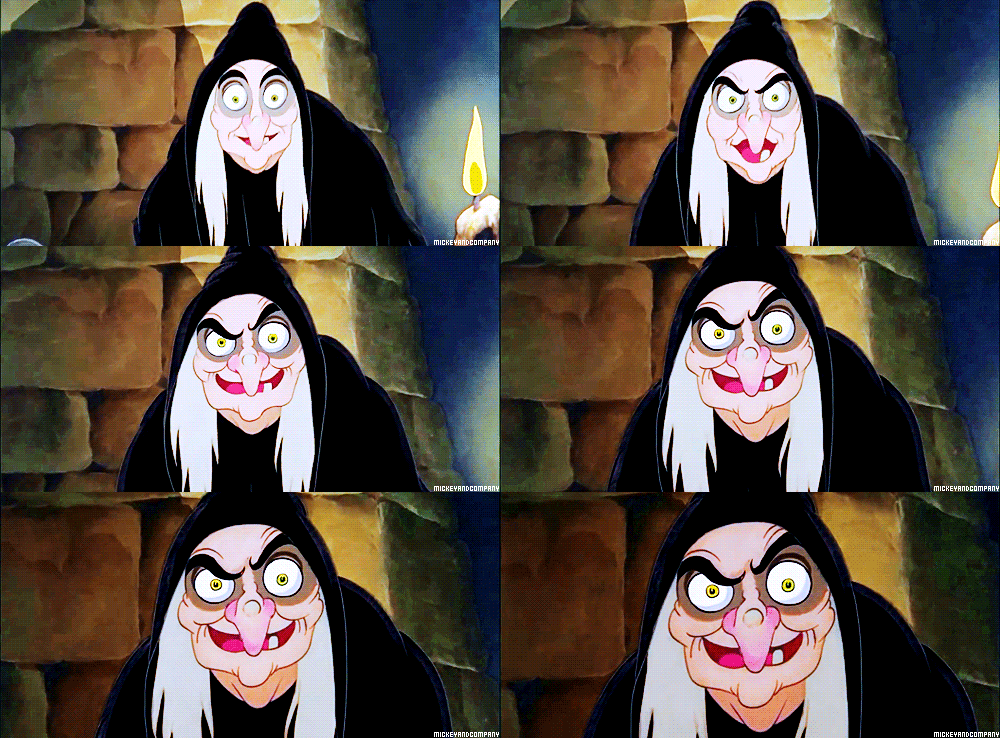
Don’t ever mess with me.

…used pop culture references in a story.

Oh, all the time! Game of Thrones was mentioned once or twice in Rose, the 1960s Batman TV show gets a mention in River of Wrath, and I include so many references to some of my favorite anime in Toyland. And that’s just the tip of the iceberg.

…written between 1 AM and 6 AM.

Plenty of times. I’m actually thinking of changing my sleep schedule so I could do it more often (like Franz Kafka did), but I worry about the effects on my health should I need to get back on a normal schedule.

…drank an entire pot of coffee while writing.

I hate coffee, so that’s a no. I’ll usually have tea or, if it’s a weekend, beer or wine.

German wheat beers are my favorite kind of beer.

…written down dreams to use in potential plots.

Yes. One early story from college, Daisy, was inspired by a dream. And I think a couple more have been, but I can’t think of any off the top of my head.

…published an unedited story online/Wattpad/blog.

Oh hell no! I know the importance of editing. It can literally save a story from being thrown into the trash.

…procrastinated on homework because I wanted to write.

I don’t think so. I’m pretty good about getting that stuff done so I have time to write later. Besides, that stuff can creep up on you if you’re not careful.

…typed so long my wrists hurt.

Only if I’m wearing my watch. Which is why I normally type with it off.

…spilled a drink on my laptop while writing.

Not while writing, but once. I aim to never let it happen again.

…forgot to save my work/draft.

Never! How dare you insinuate I have!

…laughed like an evil villain while writing a scene.

Um, yeah! All the time! And sometimes when I’m not writing. It’s me, come on!

…cried while writing a scene.

Not my thing.

…created maps of my fictional worlds.

No, because more often than not, my stories take place in this world. All I need is a Google search and I’m good.

FOLLOWERS OF FEAR, I TAG YOU!!!

If you want to try this, go right ahead. Just make sure to link back to me and to The Long Voyage. And, as always, have fun with it!

That’s all for now, my Followers of Fear. I hope you’re having a good weekend so far. If I got at least twelve hours of sleep, I know I did. If you need me, I’ll be doing what I do best on weekends…whatever that is. Until next time, stay safe and pleasant nightmares!
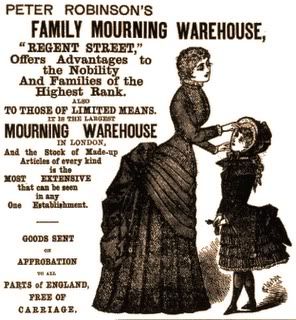
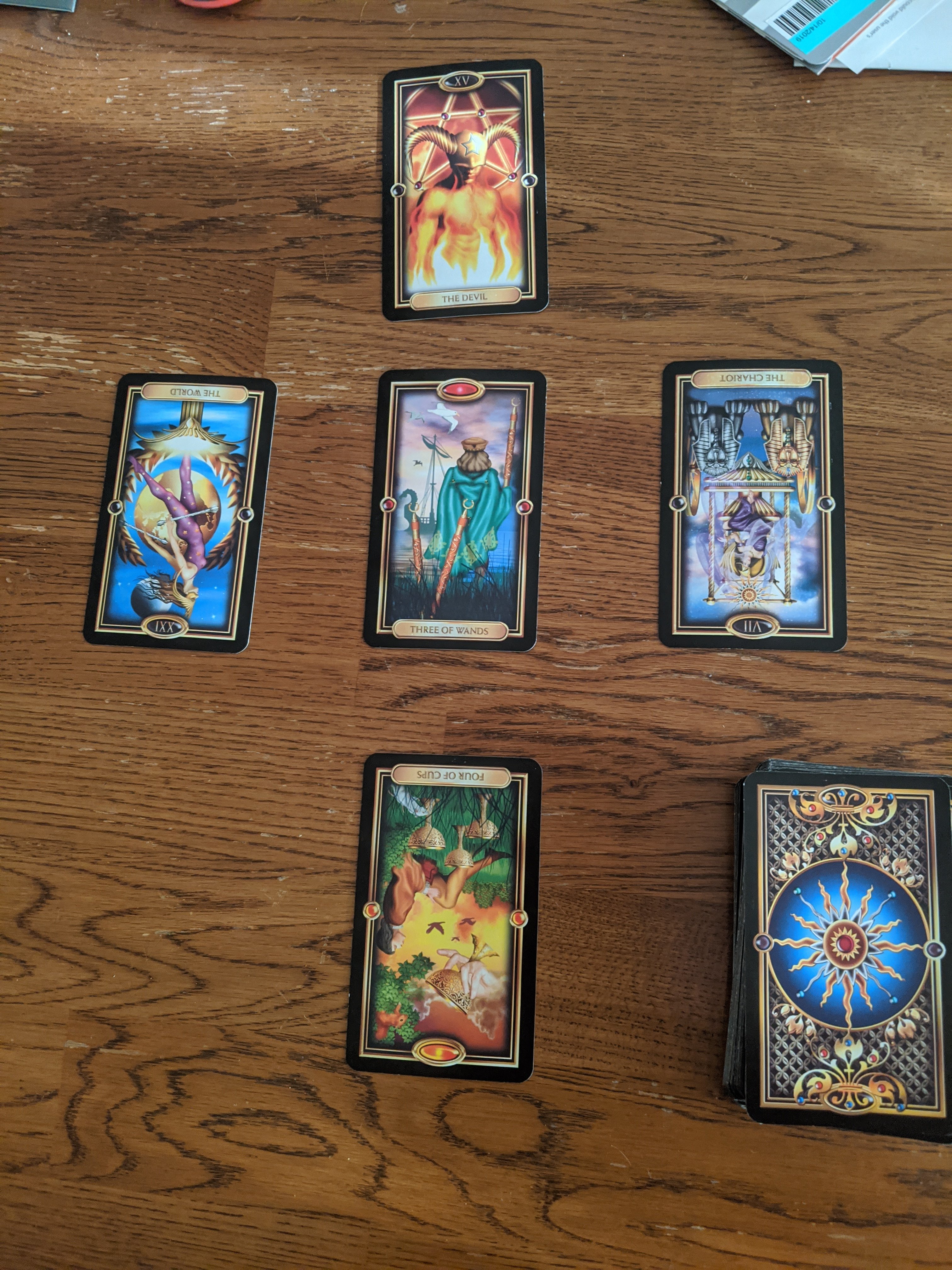
My latest Tarot reading. What it indicates…only I can tell.

About five years ago, I bought a Tarot deck and a how-to guide on how to use the cards. And after a few readings, I used it infrequently, maybe once a year. Until recently, that is. A book I read and really enjoyed featured Tarot quite heavily, as well as a few friends and acquaintances who read the cards (including one who mentions it on her blog quite regularly), spurred me to try reading the cards again. Which became something of a regular habit. And then I hit upon the idea of doing readings at the Indie Author Book Expo in Iowa last month. I bought a second deck (never use a deck for yourself and for others. It mixes energy in all the wrong ways).

And I’ve come to an opinion on Tarot. One I would like to share with you.

But before that, let me tell you about Tarot if you’re unfamiliar. Tarot cards are like playing cards, but instead of hearts, diamonds, spades and clubs as the four suits, there are wands, swords, cups and pentacles (sometimes called disks). In addition, there are twenty-two trump cards called the Major Arcana, for a total of seventy-eight cards. Originally used as playing cards, the cards started being used in cartomancy, or fortune telling through cards, in the 18th century, with each card having a different meaning, often several meanings, and affecting the reading.

So yeah, I’m breaking the Torah’s prohibition on fortune-telling. But I already break the prohibition of consulting spirits at least twice a year, and God hasn’t struck me down since, so I think I’m fine.

In any case, Tarot isn’t supposed to tell the future. Many users will attest that Tarot is supposed to be used more for insight and guidance, like asking for advice. Perhaps it’ll tell you what could happen in the future, but like the future, that could change from day to day. That’s what I say, anyway.

Now that we’ve gotten all that out of the way, what are my thoughts on Tarot? Well, before this week, I would’ve maintained that I’m undecided, and that perhaps the cards do have something to them, but it could all just be coincidence and humans looking for patterns where there are none.

But on Sunday, I had a reading that proved scarily accurate. So far, it’s been very on the nose about events that have occurred this week, to the point I shouted a very naughty word to my otherwise-empty apartment. Now, I’m not sure. Perhaps there is something there, like with the haunted locations I visit. To say the least, it’s weird.

Whether or not there’s anything to Tarot, I can’t lie that it has an effect. At the Expo last month, I did a reading for a young woman asking something near and dear to her heart of the cards. The reading the cards gave her seemed to lift her spirits and give her hope, and she seemed very interested in buying a deck of her own. I hope things work out for her, and I’m glad I was able to put some joy in her day.

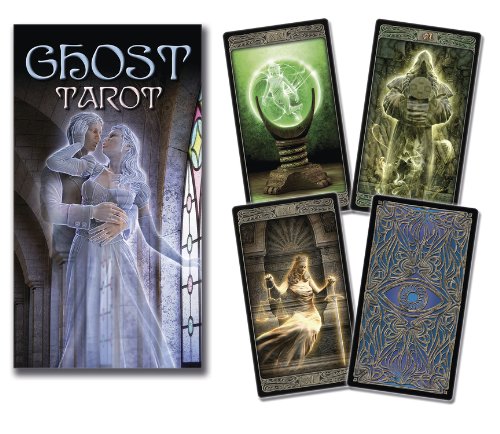
So, I’ll keep reading the cards. I’ll use my Gilded Tarot deck (a reading of which is pictured above) for myself, and the Ghost Tarot deck (pictured to the right) for others. Besides being something I could do at conventions and expos, it’s fun and does give insight. Never a bad thing.

Do you have any experience with Tarot? What are your thoughts on it?

After the failure that was the Grudge reboot earlier this year (see my review here), I was hopeful after learning a television series based on the original Ju-On movies was going to be released in Japan. And it was being brought to America through Netflix. And as soon as I could, I sat down to watch all six episodes of JU-ON: Origins. After all, it was guaranteed to be better than the Grudge reboot, but would it be legitimately scary?

JU-ON: Origins begins with a paranormal researcher named Odajima appearing on a talk show with an idol who experienced supernatural happenings at her apartment after her boyfriend goes house-hunting for them. At the same time, a troubled high schooler named Kiyomi becomes involved with a mysterious house near her school. This and other events leads to many people’s lives becoming involved with the house, a house whose history is alive and kicking, and in the worst possible way.

While this series bears very little resemblance to the original story of the movies beyond a cursed house and several men questioning if they’re the father of the children they’re raising, it’s definitely a better horror story than the Grudge reboot. And even better, it’s freaking scary.

First off, the show does a great job of setting up a mystery. The characters spend their time running down multiple leads, each one leading to a new aspect of the haunting. And each new aspect seems to add more questions than it answers. But even better, there are a number of terrifying moments. There were quite a few moments, especially in the later episodes, where I was squirming in my seat. Anyone who gets to episode five will shiver every time they think of it.

I also liked how they incorporated famous tragedies from Japan’s recent history into the story. A lot of the major events of the story occur around the same time as the murder of Junko Furuta, the sarin gas attacks, and the Kobe child murders (which, by the way, are terrifying in their own rights). Almost as if to say the house’s evil has some sort of connection to those events.

And if you don’t like subtitles, there’s an English dub on Netflix, and it’s decent. The English dialogue matches very well with the Japanese lip movements, and there are some well-known anime voice actors in the series (I had a lot of fun making jokes about that in the calmer moments of the show). Though I am sad to say, that’s not Nicholas Cage voicing the main character Odajima, but a guy named Brock Powell doing a really good Nicholas Cage impression.

This scene! Oh God, I’m shivering again.

If there’s one thing I didn’t care for, it was that I would’ve liked to see more from the original films incorporated into the story. I’m not asking for a direct based-on-the-movie or Kayako and her son to fully appear on screen, but I would’ve enjoyed more references or incorporation of the original story that’s become so beloved by fans.

And just a trigger warning: this series delves into subjects such as domestic violence and sexual assault. So if that’s a turn-off, maybe don’t watch this one.

For everyone else, however, JU-ON: Origins is a terrifying TV show that will satisfy anyone else bored with more recent entries into the Ju-On and Grudge franchises. On a scale of 1 to 5, I’m giving this show a 4.5. Head on home and settle in to watch it. Just make sure to watch with the lights on.

Also, if you go house hunting and the house has a history, make sure that it hasn’t harmed anyone in at least a decade before deciding it’s your dream home!

Everyone, sing it with me.

Happy Birthday to the blog,
Happy Birthday to the blog.
Happy Birthday to Rami Ungar the Writer
Happy Birthday to the blog.

Great job singing, everyone. Except you. Yes, you. You were off-key.

So, as this post says, Rami Ungar the Writer, the very blog you’re reading right now, is nine years old as of today. And even though my memory of starting this blog at my local library has faded over time, this blog hasn’t. True, there were times where I thought it would. During the first year or two of college, there were days where I was lucky to get one or two views a day. I would wonder if writing this blog was even worth it, given how few people were reading what I had to say as I tried to make something of myself as a writer.

But I kept at it. I’m stubborn when it comes to goals, particularly writing-related goals, and I kept blogging. And you know what? People found my posts. They liked them, commented on them. Some even decided to subscribe to the blog. When my books came out, some of those subscribers elected to read them. And many of my subscribers have become dear friends of mine. I’ve even had the pleasure of meeting a few in person, and making happy memories with them. It’s been quite the ride.

As of writing this post (and I know it’s tacky to brag, but nine years! That’s a long time to be blogging, especially in Internet time), Rami Ungar the Writer has 1,694 posts (including this one); 1,217 subscribers; 6,160 likes; and 4,526 comments. Crazy to think about. Even crazier, despite all common sense, some of you are actually proud to be Followers of Fear. I think one or two of you even used the title in hashtags on Twitter. The world is truly something else.

So what’s next? Well, even without a pandemic, I doubt much would change. I’ll be writing and editing stories and working on getting them published. I’ll have reviews on new works of horror as I come across them (and a few new ones are now cheap enough to rent through YouTube, so that’ll work). If I want to discuss a particular aspect of writing or of horror, I will. And if there’s any ghost-hunting or travels to be done, I’ll post about it.

Anyway, thanks for celebrating the blog’s ninth birthday with me. I’m so glad to have so many Followers of Fear interested in my stories and what I have to say. I hope you’ll continue to read what I write, blog or book form, and even let me know what you think.

Also, what do you think I should do for the tenth anniversary? Buy a cake and some champagne? Do another AMA on YouTube? Throw a wild party? I guess we’ll just have to wait till next year to find out.

So, until next time, thanks for being here. And as always, pleasant nightmares!

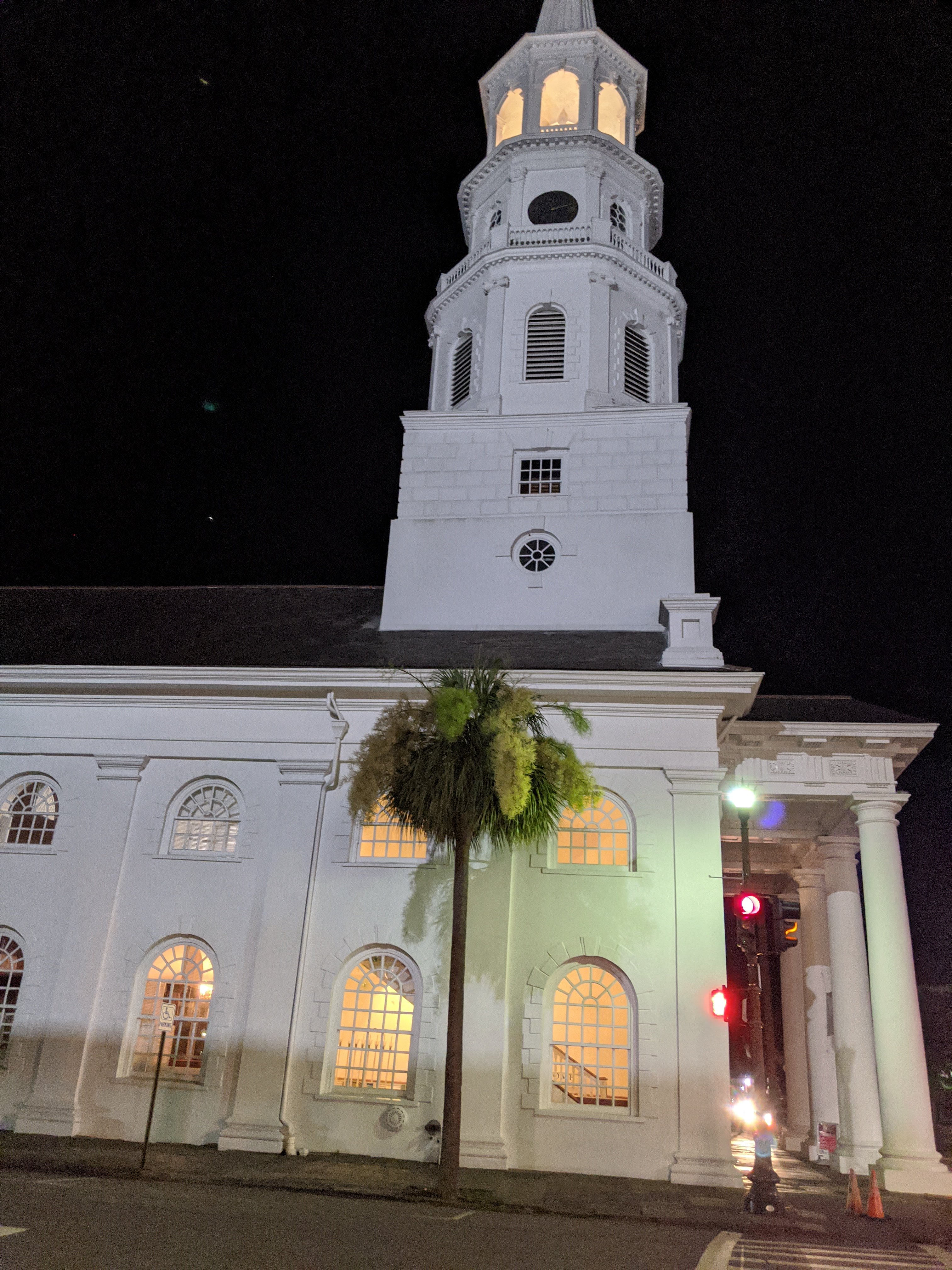
St. Michael’s Anglican Church. Supposedly a couple of brides haunt the place, having died on their wedding days.

My last post recounting my adventures from my recent trip to Iowa and South Carolina is about the haunted tour of Historic Charleston in South Carolina. The tour was operated by Ghost City Tours, which apparently has tours across the southern United States. I was joined by my buddy Ramsey Hardin, who you remember was my host while in South Carolina. And you know what? It was a fun experience.

Ramsey and I arrived at the meeting place around ten in the evening, and joined a group of people waiting for the tour. There were three tour guides there, to ensure that everyone could social distance while still getting the tour. Ramsey and I were placed with a young woman named Caroline, who is actually a fellow Ohioan originally. Yeah, we had a lot to talk about.

And we did talk a lot. Between locations on the tour, those of us who had had paranormal experiences were encouraged to recount them. Obviously, I talked about my many experiences, including the Lizzie Borden Bed & Breakfast, the Ohio State Reformatory, and my recent excursion to the Villisca Axe Murder House. I don’t think anyone else related a story, but Caroline did mention an occurrence involving a friend of hers. At least, I think it was a friend.

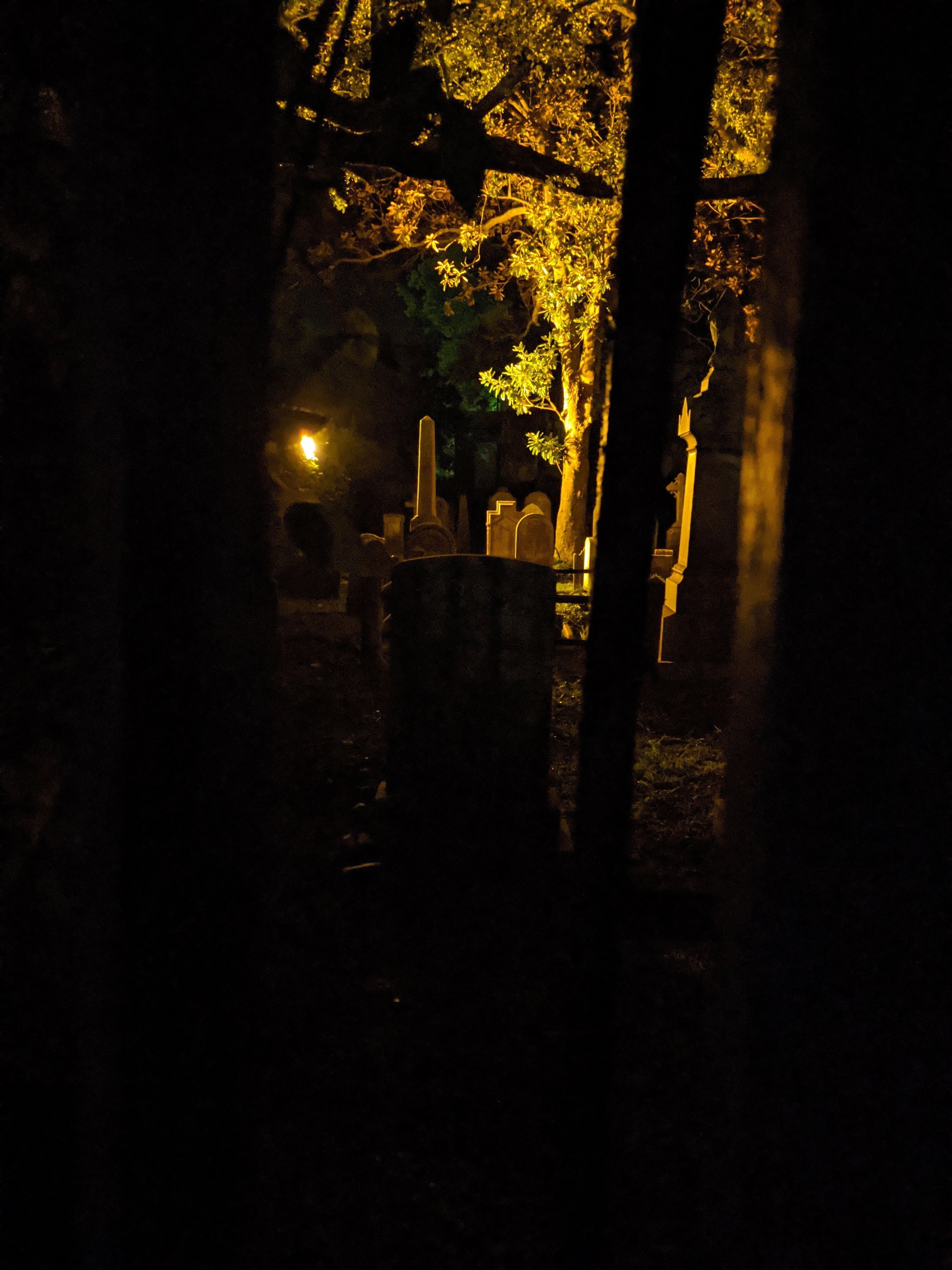
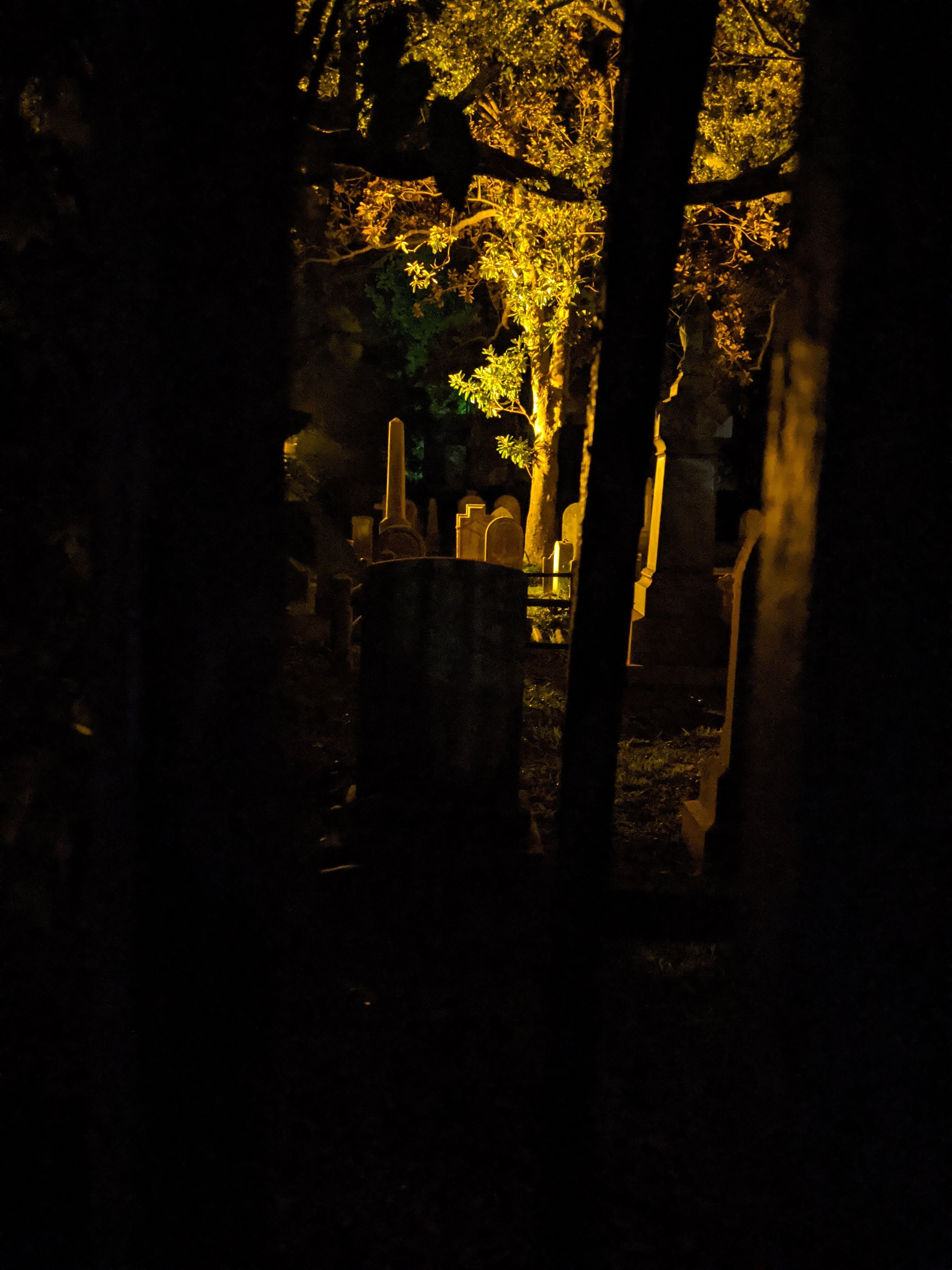
As for paranormal activity captured or witnessed…well, I thought I got something on my phone’s camera. Check out the photos below.

These photos were taken one after the other, and if you look at the far left of the second photo, it appears there’s a small orange light on the other side of that pole. One that’s not in the first photo. However, further inspection showed that I took a step to the left (hence why the streetlight is hidden behind a tree). That light I thought was a ghost orb was actually a reflection from the streetlamp off a length of metal. To quote Zak Bagans of Ghost Adventures, “this piece of evidence is debunked.”

However, I did catch something on video. Those photos were taken at the graveyard at St. Philip’s, which is known to be the resting place of Susan Howard Hardy, a woman who died in childbirth and who was secretly buried with her stillborn child. After I took those photos, I gave Ramsey my phone and managed to catch her on the dowsing rods. Here is the video of our short conversation.

Cool, huh? The “signal,” so to speak, was weak, but I managed to get some answers from her, and the information I got was consistent with the historical record. By the way, St. Philip’s Episcopal Church is not too fond of the fact that a ghost is known to roam their graveyard. They’ve taken a lot of measures to try and disassociate themselves as a haunted location, so it would be really bad if it became well-known as a location for a ghost that likes to show herself to anyone looking to contact her.

Hint, hint. Wink, wink.

Finally, the tour revealed some places I would love to do a ghost hunt or investigation if ever given the chance. Here are those places and why they’re haunted (AKA why I’ll have trouble convincing Ramsey to join me).

FW Wagener Building

Built by architect FW Wagener himself, the building lies on a street that is part of a busy shopping district near the bay, and has many great restaurants, hotels and galleries nearby. But in the past few years, this building has had several buildings come and go in the past few years. This may be related to the spirit of George Poirier, the son of a rich businessman who never worked a day in his life, living a life of leisure. Which became a problem when a series of events caused George to lose his fortune, leading to him hanging himself in the topmost window. He’s said to still be there, taking his rage out on patrons, which is why there’s so many businesses coming and going from the building (allegedly).

Four Corners of Law

At the intersection of Broad and Meeting in Charleston’s historic district are four buildings that have been used for various types of law: Charleston City Hall (city law), Charleston County Courthouse (state law), the US Post Office and Federal Courthouse (federal), and St. Michael’s Anglican Church (ecclesiastical law). Supposedly, a variety of spirits are known to haunt the buildings, including Lavinia Fisher, possibly America’s first known serial killer, who is said to haunt the Charleston County Courthouse, and two brides supposedly haunt St. Michael’s. Caroline showed us a photo supposedly taken of one of the brides in the church’s window, and it is scary. Like, what every CGI ghost tries to be, but way more terrifying.

The Old Exchange & Provost Dungeon

Also known as the old Exchange and the Customs House, this building has seen a number of uses throughout the years, and is now a museum. Various ghosts are said to haunt the place for various reasons, but I’m especially interested in the Provost Dungeon in the basement. Conditions in the basement were terrible for prisoners, as the building regularly flooded with the tides, drowning prisoners and causing them to contract a variety of diseases. Supposedly the ghosts on this level are quite upset and are known to be violent. One tour guide was supposedly so terrified of what he experienced, he quit and has never come back.

USS Yorktown

Okay, this one wasn’t on the tour, but as I said in my Impressions of South Carolina post, the air carrier is rumored to be very haunted. To the point that they sell a book about it in the gift shop. And I thought I saw a ghost on the main floor, and felt like I was being watched in the Engine Room when I visited. And they advertise ghost tours on the website. You can see why I would want to investigate the ship.


In fact, you can see why I would want to investigate any of these places! And I would have never known any of this stuff, except for the Yorktown, if I hadn’t gone on the tour. So thanks to Ghost City Tours, and to Caroline, for giving me the opportunity to learn Charleston’s creepier side. And I hope to be back down in Charleston very soon. Who knows? Maybe I’ll be able to stay overnight at one of these locations, and see if something is there.

In the meantime, if you want to check out Ghost City Tours, their website lists all the cities they operate in, including Charleston, New Orleans and Savannah, among others. Here’s the link if you’re interested.

That’s all for now, my Followers of Fear. I hope you were spooked out by this post. Until next time, stay safe, pleasant nightmares, and YOUR RESIDENCE IS HAUNTED! RUN WHILE YOU STILL HAVE THE TIME!!!

Before I start on the main subject of this post, I thought I’d ask a question of you, my Followers of Fear: how are you? You doing well?

Hey, it’s a pandemic and the world seems to get crazier every day. Might as well ask. Let’s talk in the comments below.

Anyway, you see that title? Inspiration, Motivation, Focus, Consistency. They’re more than just words. In fact, I think they’re why I’ve had such a crazy output of stories since November, including two novels.

Inspiration. This isn’t just limited to ideas for stories to write. Yeah, you want to have stories that excite you and that you think will excite others to read as much as it excites you to write them, but you also want inspiration for your drive. Let me explain: since Rose came out more than a year ago, I’ve heard from so many people who’ve enjoyed reading the book. I’ve had the pleasure of signing copies and talking to people about it, and even meeting the narrator of the audio book!

Being able to share my work with people, and knowing that they like it and even want to read more, is a huge inspiration for me. Imagining what someone might say for Rose or another story inspires me to sit in the chair at my desk and pound away at the keyboard on the laptop.

Motivation. If inspiration comes from knowing that people liked Rose and want to read more, then motivation is making sure I can do it again. I’m motivated to prove to the world that I’m not a one-book author (or one book by a publisher and four books published independently). This is another reason why I sit down in front of the computer every evening.

It’s also a good motivator for me to spend more time reading and less time streaming TV or anime, even though that is fun. I’m reading authors who have gotten their stories published—sometimes a few, sometimes many—and I’m thinking to myself, “Why did this story get published? Why does this work? What can I learn from this to improve my own stories?” And I think it works. At the very least, even the rejections come with good feedback more often than not.

Getting to meet Sara Parlier and discuss the book we worked on together was a great inspiration.

Focus. I always set a goal in mind for when I’m working on a story. When it’s writing, I try to get around 500 words down on paper, and everything after that is icing on the cake. For editing, I aim for at least three pages, and again, everything afterwards is icing on the cake. They’re simple goals, but more often than not they work. And at some point, a switch usually flips and I end up getting way more done than just those goals above. So, it works.

Consistency. None of the above three work unless you’re doing them often, though, and I’ve noticed the productive authors are always the ones who are doing them often. I tell people that a time fairy isn’t going to come to grant you time to write or meditate or exercise. You have to carve out the time yourself. It may take away from watching Netflix, but those shows will always be there waiting for you. The goals you’re trying to achieve? They won’t be there unless you make them a priority.

And you don’t have to go crazy in being consistent. A gradual build is good as well. I didn’t start writing most nights out of nowhere, I had to build up that habit over time. And it may take a lot more time than you want to build up the habit. But that’s okay. Trying too much too soon may overwhelm you, so it’s better to take it slow and build up your stamina so you can eventually be as consistent as you want to be.

Inspiration, Motivation, Focus, Consistency. They’re not always easy to find or build, but when you gather them together and use them, you can accomplish amazing things (and not just writing, either). How you go about finding them is up to you. But once you have them, you’ll be amazed at how hard it is to let them go. And just how much they improve your life.


So that’s all for tonight, my Followers of Fear. I’m deep in researching and outlining, so I’ll get back to that. In the meantime, stay safe, ask your doctor if demonic possession is right for you, and until next time, pleasant nightmares!

Oh, and since I mentioned it, I’ll post the links for Rose down below. If you haven’t read it yet and would like to check it out, please do. And if you enjoy what you read, leave a review online and let me know. I love reader feedback, and it helps me out in the long run. Enjoy!

Rose: Amazon US, Amazon UK, Amazon Canada, Audible