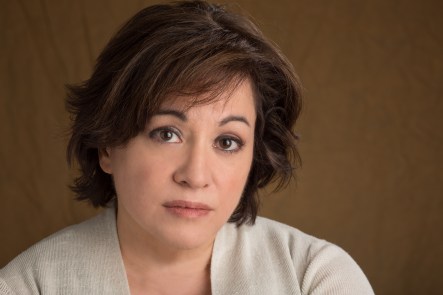
Author Archive

Hey everyone! So, a lot of my fellow writers, especially within the horror writing community, have been posting videos of themselves reading all or parts of stories they’ve written. This is actually something I wanted to do for a long time, so seeing my colleagues doing it gave me the push I needed to finally go ahead and do it. Plus, it gave me the opportunity to make a special announcement (more on that below).

Specifically, I read from “Car Chasers,” the short story that was published in the anthology The Binge-Watching Cure II back in December. It doesn’t have an audio version, and I wouldn’t want to try with Rose on a YouTube video when the audio book’s narrator, Sara Parlier, did such a great job, so this was the perfect choice.

However, this video almost didn’t make it to the Internet. Yeah, YouTube has this stupid policy where it won’t let you upload videos longer than fifteen minutes unless you go through this whole rigmarole with them. And they didn’t tell me this until I already spent nearly three hours uploading the video. So I had to go through that process, then wait another three hours to upload and release a video. Thanks, YouTube! Ruined my evening plans! I thought you were trying to be more creator-friendly! Hmph!

Anyway, here’s the video. Please give it a watch, and stick around till the end for a special announcement.

Well, what did you think? Hope my reading voice didn’t cause your ears to bleed.

Also, if you didn’t stick around to the end, here’s the announcement: you can get a signed copy of my novel Rose from me! All you have to do is send an email to ramiungar@ramiungarthewriter.com to get the full details.

Of course, you can still get Rose from Amazon and Audible, as well as any bookstores that happen to have copies in stock (there are a few), but this would be a bit more special. And you’d get a physical copy without forcing an Amazon employee to run around the fulfillment center while Amazon ignores social distancing rules.*

And if you haven’t already, please consider getting a copy of The Binge-Watching Cure II from Claren Books. You’d be supporting a great company and encouraging them to print more anthologies. And this book has a lot of great authors in it: Nick Younker, Amanda Crum, Bill Adler, Armand Rosamalia, and many more. And every story is chilling in each its own way. I’ll include links for that down below as well.

And remember, if you buy a copy of either and read it, please leave a review so that I and the other authors know what you thought of our stories. Thanks!

That’s all for now, my Followers of Fear. Until next time, happy reading, stay safe, be healthy, and pleasant nightmares!

Rose: Amazon US, Amazon UK, Amazon Canada, Audible

The Binge-Watching Cure II: Paperback, Kindle

*Hey, I make money through them, but that doesn’t mean the company is above criticism.

Sometimes, when working on a story, we find that it might be a bit longer than you had originally anticipated. And then you find out it’s going to be much longer. Perhaps even the length of a novel.

I may be on the verge of one such story. There’s a good chance after I begin writing this story set in Victorian England, it may not end as a novella, as I expected, but a full novel. And after finishing Toyland less than two months ago, plus River of Wrath to edit still (which I plan to do very soon, believe me), it feels too soon. And it’s hard to judge how big these stories can get just based on the outline I wrote up these past couple of days. Perhaps it just feels like a novel based on what I wrote up and will still be under sixty-thousand words, the threshold I establish for novels.

Then again, River of Wrath was originally supposed to be a novelette, but ended up being somewhere over sixty-thousand words. Not to mention there are two or three other stories I’ve written that I plan to someday expand into longer stories. This might be another sort of story like that.

Well, I always knew my plans for this year might change, depending on how things develop. And I am dying to get into this story, so one way or another, I’m going to write it and see where it goes. I just hope that when it’s done, no matter its length, it’ll be one hell of a story.

I also hope that when it’s finished, I’ve come up with a good title for it. I hear those are essential for telling a good story.

Well, that’s all I wanted to say. Just wanted to get all that off my chest before the writing process began. I’m off to board a carriage drawn by four demonic horses and driven by a skeletal figure in a top hat to take me to a fear-infested past. Wish me luck on my journey.

Until next time, my Followers of Fear, stay safe, be healthy, and pleasant nightmares.

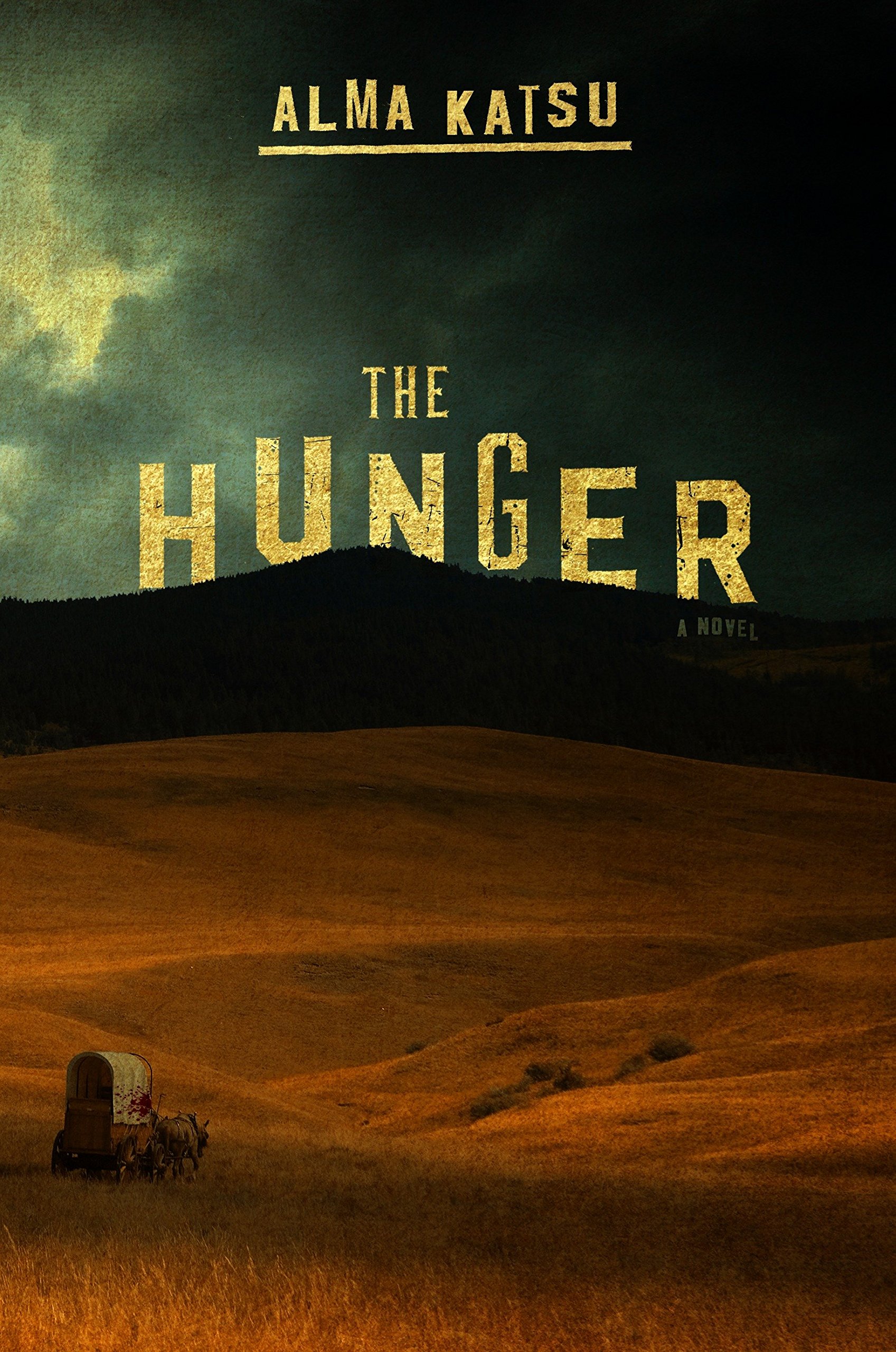
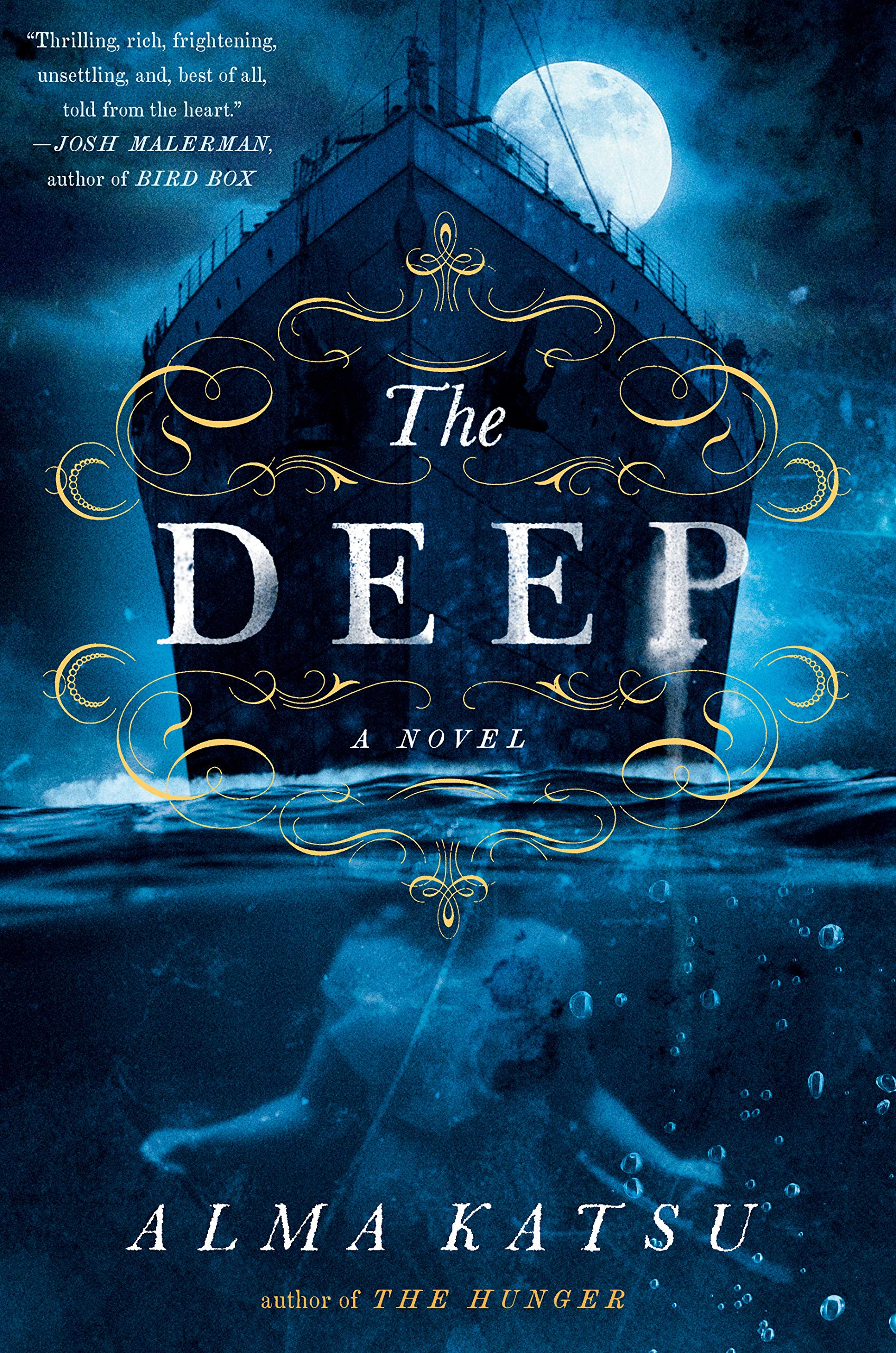
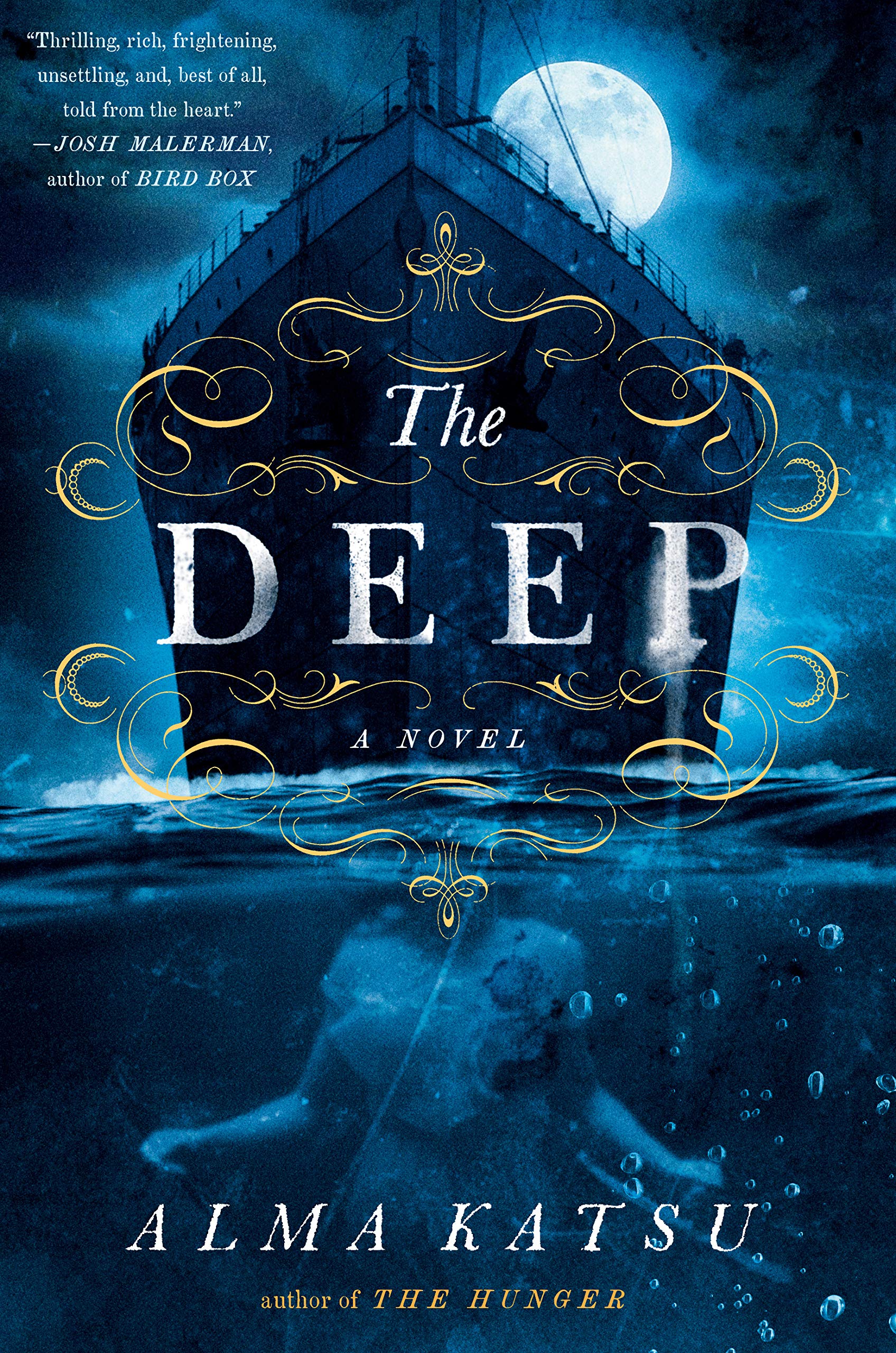
What’s up, Followers of Fear and other assorted humans? Recently, at the start of my self-isolation, I read a historical fiction novel with supernatural overtones called The Deep, which I thoroughly enjoyed (see my full review here). Having spoken with the author of The Deep, Alma Katsu, a few times over Twitter, I thought I’d ask if she’d like to be interviewed. She agreed, and the following interview resulted. Ladies, gentlemen, and non-binary gentility, allow me to introduce the author of The Deep and The Hunger (which is on my TBR list), Alma Katsu!

Rami Ungar: Welcome to the blog, Ms. Katsu. Please tell us a bit about yourself and your work.

Alma Katsu: My name is Alma Katsu and I’m the author of five novels, all historical with some element of horror or the supernatural. My most recent book is THE DEEP, a reimagining of the sinking of the Titanic and its sister ship the Britannic. My previous novel was THE HUNGER, a reimagining of the story of the Donner Party. I was very lucky with THE HUNGER, as the book made a number of best books of the year lists and was nominated for several awards, including from Locus magazine and the Bram Stoker Awards.

RU: Please tell us about The Hunger and The Deep, what inspired them and what the writing process for them was like.

AK: Both books are similar, in that they use a historical event as a springboard for a story, but different, too. THE HUNGER is a more of a dystopian—some people have compared it to Cormac McCarthy’s THE ROAD, and Dan Simmons’ THE TERROR. But both books are reflections of the eras in which they took place, which means THE DEEP is a more romantic story, very much of the Edwardian era, with its love of occultism and spiritualism. I tend to write character-driven stories, which might make for a slower pace than some fans of thrillers prefer, but I think it will hit the spot for people looking for a richer read.


My writing process for these books might seem a bit heretical, depending on what you’ve heard from other writers of historical fiction but I keep a very tight schedule doing the research. I was a professional researcher for over 30 years, so I have the benefit of a lot of trial and error and learning what works for me. I do a lot of on-the-spot research along the way, of course. Generally it takes 4-6 months to write the first draft, and then there are rounds of edits, some of which can end up changing the story quite a bit. Writing a novel is definitely a marathon, not a sprint!

RU: Or several marathons, sometimes. Continuing on the topic of historical fiction, obviously you have to take some creative liberties when it comes to famous events in history for the sake of the story. How do you decide what changes to make and how do you go about making them?

AK: Historical fiction is quite a big tent. Some books strive to be reproductions of historical fact with a thin veneer of fiction on top, but that’s not me. I use the historical event as the basis of another story, a different story, usually centered around a theme. The idea behind the THE DEEP has to do with women’s rights, which was a huge issue of the day. In the novel, you see a range of women, poor and very, very rich, struggling with the confines placed on their lives by society. On one end you have Annie Hebbley, the main character, a poor Irish girl who has come to work on the Titanic, and on the other, Madeline Astor, new second wife of JJ Astor, the richest man in America. In between you have a woman doctor (a rarity of the day), an aristocrat who earned her living running a high fashion house, and other poor women with few choices. There’s also the issue of class, and I can think of few settings better to explore this issue than the Titanic!

The changes I make to the historical record are in order to tell the story I’m trying to tell. As long as readers understand that, and are willing to give me a chance to tell them an entertaining and (hopefully) enlightening story, I don’t think there’s an issue.

RU: I have to ask, how hard was it to resist making a snarky reference to the movie Titanic in The Deep? Because the temptation would’ve killed me if I resisted.

AK: I hadn’t seen the movie until I went to write the book, because the movie is what most people today think of when they hear “Titanic,” and I wanted to know what their expectations would be. So, while it wasn’t my favorite movie of all time, I can see why it was popular, and what chords to strike with some people.

RU: You also host a podcast called “Damned History,” about the history behind the stories you write. Can you tell us a little more about that, and the writing process for each individual episode?

AK: The idea for the podcast came from the talks I gave on tour. Audiences told me they got a lot from the talks that enhanced their understanding of my books, but there are only so many people who are going to make it to a live event, so I thought podcasts were the perfect medium to make them available to anyone, anywhere. So, the material in the podcasts for THE HUNGER come from my book tour.
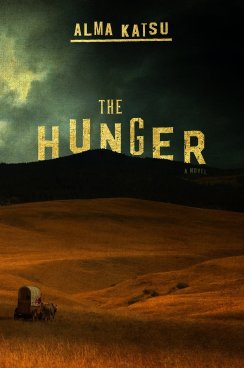
 

For the episodes for THE DEEP, they’re more on what I think people might find interesting, or what the questions so far have been about, so there’s one episode on Titanic conspiracy theories, and another on some of the real people on the Titanic.

RU: Are you working on anything new right now? And are there any historical events you would like to write about stories about someday?

AK: I’m working on the next historical novel right now, which will deal with World War II, and gearing up for the release of my first spy novel next year, RED WIDOW. This is a first for me, drawing on my career in intelligence, and I hope readers will give it a try.

RU: I’ll check them out, especially the WWII novel. That was the focus of my history major in college, after all. So, when you’re not writing, researching or podcasting, what do you do with your time?

AK: Working! I may retired from government but am still a consultant. There’s a lot of juggling going on in my life right now.

RU: I know what that’s like. What is some advice you would give other authors, regardless of background or experience?

AK: Write and read. Read a lot, read outside of your genre. And try to write every day, write through problems in your story, because writing is like a muscle.

RU: Finally, if you were stuck on a desert island for a while and could only bring three books with you until you were picked up, which would you bring with you?

AK: That’s tough. I’m not one of those writers who worships a particular book, and I like to use my reading to study how other writers have handled a particular issue in writing. I’d definitely have a Sandor Marai book among them, because I love the way he unfolds these terribly complex stories. Right now, I’m enjoying good mystery writing, particularly those of Laura Lippmann and Denise Mina. I like old Barbara Vine mysteries, too.

RU: All are excellent choices. Thanks for coming on the blog, Ms. Katsu. I hope you come by again with your next book.


Both The Deep and The Hunger are available from most book retailers. If you would like to check out Ms. Katsu’s podcast Damned History, you can find it on iTunes, Google Play, Spotify and Soundcloud. And you can find more about Ms. Katsu herself on her website Alma Katsu Books, as well as on Twitter.

If you would like to see more interviews I’ve done with authors, check out my Interviews page.

And if you’re an author who will be releasing a book soon or just released a new one and would like to be interviewed, send me an email at ramiungar@ramiungarthewriter.com. If I’m available, we’ll make some magic happen.

That’s all for now, my Followers of Fear. If you’re celebrating a holiday this weekend, I hope you’re finding it spiritually satisfying. Until next time, stay safe, be healthy, and pleasant nightmares!
This story is set in the Cthulhu Mythos (and may or may not involve the big tentacled guy. I aim to keep you guessing).

Well, this has been a productive day. Today I finished a new story!

“What Errour Awoke” is a story set in the Cthulhu Mythos.* The story follows Taylor Molton-Reed, a graduate student at my alma mater, Ohio State. One day, while teaching a class on the famous British poem The Faerie Queene, the description of one of the monsters in the poem awakens repressed memories in one of his students of a certain Great Old One (I’ll let you guess which one until you actually read the story). The student later relates to Taylor what he remembered, beginning a chain of events involving this particular eldritch monster and its plans for the people of this world.

This story was actually inspired by my own studies in college. I read the Faerie Queene‘s first book in one of my British literature courses, and remembered one of the monsters in it quite particularly. Years later, after I’d gotten deep into Lovecraft’s canon and became familiar with many of the entities in the story, I found myself thinking back on that monster and thinking to myself, “Hey, wait a minute! That sounds a lot like such-and-such entity!” Thus the idea for this story was birthed.

I had a lot of fun writing this story. For one thing, it’s set right in the Cthulhu Mythos, and there’s a certain thrill for me when it comes to writing stories set in that world (possibly because I’m an entity right out of that world?). For another, the majority of it takes place during our current pandemic. so it was cathartic to write about. I’ve compared the coronavirus to a Lovecraftian entity in the past, so writing about it in a Cthulhu Mythos story felt especially apropos. And finally, I had a lot of fun applying something other than the writing courses from my English major to a story, and modeling certain parts of the story after the first book of Faerie Queene.

In fact, I liked this story so much, I decided to put this into that collection of short stories I’ve been working on and switch out one of the weaker stories in it. That’s how much I loved it, and how confident I am readers will enjoy it.

Now, for the stats on the story. “What Errour Awoke” totaled out to 63 pages and 17,880 words, the last 13 pages and 3,880 words written over the course of this afternoon and evening (yeah, I went on one hell of a writing binge). This puts it at a novelette, so I’m two for two on getting at least one short(er) story done per month for the rest of 2020. Hopefully I can keep that up with the next story, which I’ll likely finish in May.

Speaking of which, what’s next? Well, I’ll be reaching out to some writers I know who may be able to give me some valuable feedback on how to edit “What Errour Awoke.” And while they’re doing that, I’ll be starting work on the last story for that collection, a novelette or novella set in my beloved Victorian England. Believe me, it’s going to be a strange one. A wonderfully strange one.

That’s all for now, my Followers of Fear. There’s a late Shabbat dinner and an Avengers movie calling my name. Until next time, Shabbat Shalom, stay safe, be healthy, and pleasant nightmares.

*Which means, if my parents ever read this story, they’re not going to get any of the references and think I made up more than I did for this story.

Those of you who don’t follow me on my other social media platforms may not know this, but at least once a week, usually Saturday, I post links to my novel Rose. The hope is, with enough regular mentions, people will notice the book and be tempted to read the book. If they see it often, it will worm under their skin and the possibility of entertainment they’re missing out on will nag at them. Perhaps they’ll even check it out just to see if they really are missing out.

It’s a simple strategy, but it does work. Not to the point where I’m getting dozens of new readers or reviews every week, but it does get results. For example, just this past week or so, Rose received two new ratings on Goodreads. And not too long ago, Rose received a bunch of new ratings on Amazon Canada and Amazon UK. And I think these consistent ads may have played a role in all of these new ratings.

And as I write this, I wonder if these new ratings are just a fraction of the new people reading Rose. They just haven’t let me know what they think as of yet.

This is why I keep posting about Rose. I want people to find the book. Someone like Stephen King may only need to post a couple of times about their upcoming book, and they’ll have thousands of pre-orders within hours. Less well-known but very established horror authors will post regular ads just to remind people that their book is coming out or that it’s already out or that it’s been out for a while. My philosophy is that I have to do ten times the work in order to get half of what I want. What I want is to have as many people as possible read my stories. So obviously, I’ll do what I can to get people to notice Rose.

I just can’t post everyday, because it would cost way too much money or because people would get sick of seeing Rose mentioned on my timeline. Or both.

In any case, I have a feeling that all my efforts are going to pay off even more than usual. Because COVID-19 has a lot of people isolating in their homes, they’re looking for new sources of entertainment, including books. Perhaps they’ll see Rose mentioned somewhere and think, “Hmm, that might pass the time for me. I’ll give it a read.”

Not the ideal way for someone to notice my work, but there you go.

And no matter the situation, I’ll keep writing and posting about my stories, with the hope that more people will notice and maybe want to read it. With any luck, they’ll find their new favorite horror story, and I’ll have another reader interested in my next book or publication, whenever that comes out.

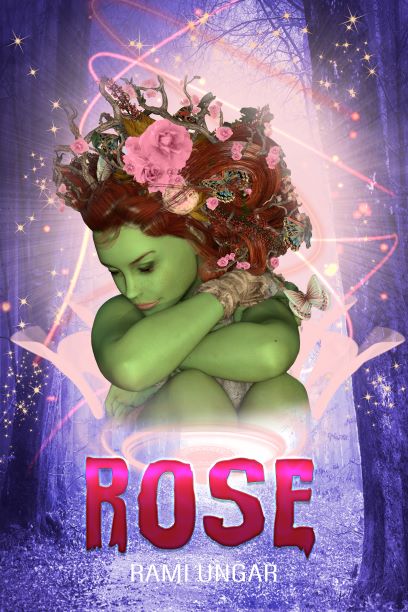
And if this post has got you at all interested in Rose, I’ll post the links below. Yeah, of course I would insert an ad into this post, what did you expect? Anyway, if you’re not familiar, Rose is the story of a young woman who wakes up with no memories of the past two years. Pretty quickly, her body undergoes a startling transformation, becoming a human/plant hybrid. As those around her react to her transformation, she soon realizes they’re not all they seem, leading to a desperate fight for survival.

It’s some dark, creepy shit and you can check it out by clicking on the links below. And if you do end up reading Rose, let me know what you think. Positive or negative, I love feedback from readers, and they help me out in the long run.

That’s all for now, my Followers of Fear. If, like me, you’re celebrating Passover, then Happy Passover (and next year in person). If you’re celebrating Easter this weekend, Happy Easter. And no matter what you believe or don’t believe, stay safe, be healthy, and pleasant nightmares to you all.

Rose: Available from the links below.

Rose: Amazon US, Amazon UK, Amazon Canada, Audible

For the past week, I’ve been working hard on a new story, the majority of which takes place during our current crisis. You know the one I’m talking about. And you know what? It’s been cathartic to write about.

I’ve said before that writing can be very good for your mental health. Recently, I posted my thoughts about the COVID-19 pandemic and it made me feel a hundred times better about the whole situation. In fact, lately I’ve felt like a million bucks. Still, I do feel the occasional twinge of worry or other negative emotions when I consider all we’re going through.

So these past two nights, when I’ve written my protagonist’s reactions to the pandemic and how it’s affecting him mentally and emotionally, as well as recounting how he and others treat the crisis, it was kind of freeing. Like I was channeling not just my own feelings, but the feelings of other people in this situation.

I’ve heard a lot of people, both in and outside of the horror genre, as well as people who don’t write, saying that there’s going to be a lot of new fiction based on this crisis. If I’m any indication, we’ll be seeing that fiction coming out sooner rather than later. Maybe within the next few months. And I think we’re going to see that, for the majority of these authors, setting a story during the COVID-19 crisis is their way of processing their feelings and what they or others were going through.

What sort of stories we’ll get from this crisis, I’m not sure. I feel like a lot of them will just use the crisis as a backdrop, similar to how The Deep by Alma Katsu uses the Titanic and its sister ship the Britannic as backdrops for a ghost story (see my review here of that book here). In my case, I’m writing a Lovecraftian horror story, which makes sense because I see the virus as almost a Lovecraftian antagonist a la Nyarlathotep, and the pandemic acts as a sort of base for the terror and paranoia that my characters will feel later in the story.

I have a few other predictions. In terms of romance stories, we’ll see stories about people falling in love from afar due to social distancing, or falling in love due to being stuck in the same area together. We may also get a lot of new Gothic horror stories. Why do I say that? Because since people started sequestering themselves in their home, my article on Gothic horror has been seeing huge spikes in views. Makes sense, I suppose: as much as people love their homes, even being cooped up 24/7 in the best homes can be taxing. And since Gothic horror stories tend to focus mainly on houses as the source of the horror, people are either reminding themselves that their home isn’t so bad as being stuck in The Overlook, or they’re planning on channeling their frustration into stories about homes as a source of horror.

Perhaps writing about this virus can help relieve stress over it as well.

Whatever stories result, I highly encourage authors to write their stories about the coronavirus. Especially if the story helps you process what you’re going through right now. Even if you’re not an author, writing your feelings down can be therapeutic, so go ahead and write whatever you feel. Doesn’t have to be deep or poetic, just as long as it gets your feelings out in a healthy way.

Doing so may not alleviate the crisis or all the problems the crisis is causing to pop up, but at least you’ll feel better for the activity.

That’s all for now, my Followers of Fear. I hope you’re staying safe and healthy and are doing well. And if you need a pick-me-up, here’s the link to a cute video of foxes laughing and getting cuddles to make you smile.

Until next time, Shabbat Shalom and pleasant nightmares!
The other day, I posted my thoughts on the COVID-19 virus. Among those thoughts was my desire for writers and readers alike to support authors who will be struggling during the ongoing crisis. For a lot of authors, this crisis will cut into conventions, teaching seminars, readings, and so much more that they rely on to sell their books and use their craft. The best thing we can do for those authors is to support them. This could be by buying their work, writing their reviews, anything else you can do to help them out while we’re all stuck inside and trying to protect our health.

That said, there’s an opportunity to do just that.

I’ve known Jason Stokes, owner of Gestalt Media, for about a year. He’s a writer whose work I’ve read and reviewed, but he’s also the owner of a publishing company that tries to give authors the best experience with a publisher as possible. This includes better royalty rates and more control over the creative process than you might find at another publisher. And the model’s worked so far; in the year or so they’ve been in business, Gestalt Media has acquired a number of authors, many of them horror authors, and are sending their stories into the marketplace.

Not only that, but Gestalt Media put together a charity anthology last year for victims of the Virginia Beach shooting which included the likes of Stephen King and Neil Gaiman. Yeah, not kidding, those authors let their short stories be used in the anthology, Dark Tides, to benefit victims and families of victims of that charity. You can check out the anthology’s Amazon page by clicking on this link.

Anyway, just like authors everywhere else, Gestalt Media is working hard to support its authors during this difficult time. They’re raising money on GoFundMe to ensure their authors are able to whether the storm, and they’ve already made almost ten percent of their goal. And for every dollar they make, companies like GoFundMe, Intuit and Yelp will match them. Yeah, every dollar does count here!*

Now, I know a lot of you might be struggling yourselves during this difficult time. Many of us are out of work and unable to make an income during this crisis. I understand. But if you are able to help somehow, please consider doing so.  I’m lucky enough to still be working and making enough money to meet my needs, so I was able to donate. And if I can, I want to help further, so I’m spreading the word where I can.

And if you can’t help out monetarily, maybe consider sharing the campaign on your social media. The more people who know about this,  the more people will be likely to donate. And if you can help out monetarily, great! You’ll be helping out plenty of authors.

Whatever way you can help, please do. We’re all in this together. In fact, the whole point of all these measures is to make sure we all get through the crisis together. This would only be a continuation of the communal preservation we’re engaging in.

And if you can’t help out, that’s fine too. We all have things we can and can’t do, even now.

Well, that’s all for now, Followers of Fear. I’ll include the link for the fundraiser down below. Until next time, pleasant nightmares!

Gestalt Media Creators Relief Fund

*How they were able to work that deal, I don’t know, but I’m not going to complain when they’re able to get results.

I heard about this book sometime last year and immediately requested my library buy copies (they did, and I was #1 on the list). I mean, a horror story set on the Titanic and having to do with some sort of creature living in the sea? Where do I sign up? And it came in for me at the library right before my library ceased operations due to the virus, so I was happy to get it when I did.

The Deep follows Annie Hebbley, a maid who works on the Titanic, and gets involved with the Fletcher family, a troubled married couple with a baby girl. Strange things occur on the ship leading up to that fateful (or fatal?) meeting. Years later, Annie meets Mark Fletcher, the very same man she waited on during that voyage, though now she’s a nurse on the Titanic’s sister ship the Britannic and he’s a wounded soldier returning from the battlefield of WWI. Coincidence? Or is something else at play? Something that has unfinished business with these ships and their passengers?

Let me tell you, this book has a lot going for it. For one thing, it’s set partially on the Titanic, which is always a fascinating topic and setting for any story. And turning it into a ghost story? Even cooler.* That, and the Titanic sailed during the Edwardian era, which is close enough to my beloved Victorian era that I felt right at home.

But beyond that, this is one damn good horror novel. Author Alma Katsu takes a psychological approach to this story, using hints to keep us guessing as to what’s going on. Are people going crazy onboard? Is there something supernatural afoot? Whether it be a seance or someone acting strange, you’re kept very up in the air about it up until the last fifth or so of the book, and even then, you may still have questions.

At the same time, you get to know a lot of these characters intimately. It’s a big cast, told from the points of views of Annie, Mark Fletcher and his wife Caroline, you have the POVs of several historical figures, including boxers Dai Bowen and Leslie Williams, whom I absolutely fell in love with; Madeleine Astor, worried about an alleged curse on her unborn child; and William Stead, an aged journalist with an interest in the occult.** But Katsu does a great job of developing each and every character and giving them a unique voice and issues to explore.

A lot of attention is paid to detail as well, the same sort of attention that went visually into James Cameron’s movie. It really brings alive the setting for both ships, and makes you feel like you’re there. And there are plenty of moments filled with tension, such as the aforementioned seance, a scene at the saltwater pool, or close to the very end, when things are finally revealed.

The ship may have sunk, but the stories about it, like my heart, will go on. And in some cases, get very creepy.

All these factors kind of make it feel like you’re watching a really dark and spooky stageplay about the Titanic, only you’re reading it out of a book. In fact, I can imagine The Deep being made into a stageplay someday, or perhaps even a Broadway musical, one that’s scarier and has less humor than Sweeney Todd. I’d even help adapt it if someone deemed me experienced enough and wanted me to.

I can’t find anything to put as a downside to this novel. Some might find it a bit too slow, or maybe too much time is spent on the characters’ problems and backstories. I didn’t, but I can see other people feeling that way.

Overall, I’m giving The Deep by Alma Katsu a 4.5 out of 5. It’s an unnerving, intimate historical horror novel that’ll have you enthralled. Pick up a copy, put on that one Celine Dion song you’re probably thinking of, and get ready to dive in to what may be a contender for next year’s Bram Stoker awards.

*Of course, when I try to turn a luxury cruise liner into a ghost story, Disney’s lawyers come after me. How was I supposed to know ritualistic murder wasn’t allowed in international waters? It’s always okay in wartime!

**I recognized him from my own research into Victorian England. When I came across him and the reference to the occult, I literally shouted “Wait, I know this guy!” to my empty apartment.

I had a revelation recently. No, not the kind that inspires texts that are the basis for entire religions. I had that already, and you do not want to know what information was imparted to me. No, it’s about Lovecraftian fiction.

Now, the common image among people, readers and writers, of Lovecraftian fiction is Cthulhu or any other Great Old One/Elder God/giant terrifying monster from the deep sea/outer space/alternate dimension. And that’s not wrong. From stories like The Dunwich Horror to the recent science-horror film Underwater, big monsters are a major part of the story and, along with the mind-bending insanity and dark truths they represent, are the main source of horror.

But it’s recently come to my attention that Lovecraftian horror stories are about more than just the monsters. Sometimes, it’s about psychological horror. Sometimes, you can have an effective scary story by not showing the monster, but by instead relegating the monsters to mere glimpses or suggestions and focusing on the characters’ reactions. And if done right, it can lead to some compelling horror.

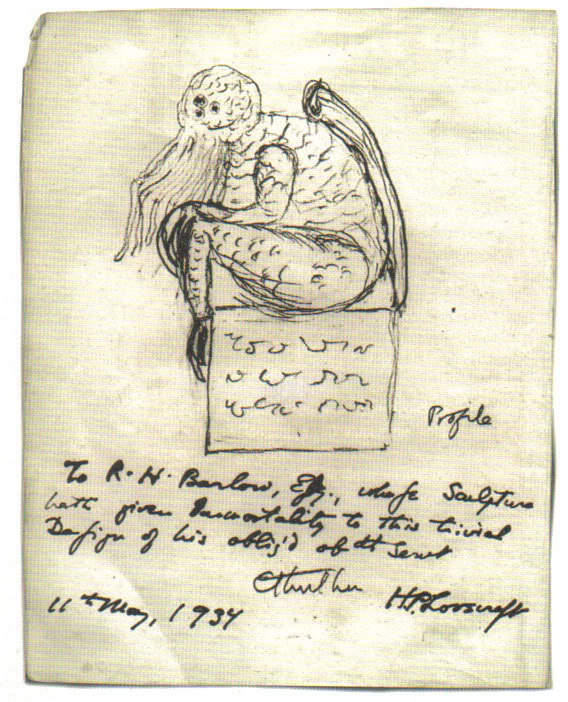
There are actually plenty of stories like this. And if you’re reading this blog, you’ve probably run into plenty of them. The Call of Cthulhu, for example. Being by Howard Phillips himself, it’s obviously Lovecraftian, but have you ever noticed that we never really see Cthulhu? Think about it. The closest we ever get to seeing the High Priest of the Great Old Ones himself is through the eyes of a Scandinavian sailor’s diary. The narrator only sees drawings and statues of him.

And yet we’re scared, because the very idea of what we glean from these diary recordings is of a worldwide cult, one devoted to a very real god. One that will use humans as its pawns so that, when it finally arises, it’s in prime condition to take over our world. And the cult will do away with anyone who gets in their master’s way.

And while that’s a great example, there’s plenty more where that came from. Last year’s film The Lighthouse (see my review here) was Lovecraftian with a capital L, but we barely saw any of the marine monstrosities supposedly behind the horrors occurring on the island. And what we did see, we weren’t sure if they were real (within the film, anyway). Are they monsters, or are they just the manifestations of two men on an isolated island having a breakdown? Or maybe it’s a bit of both. It’s hard to tell.

A great example of this Lovecraftian psychological horror, 2019’s The Lighthouse.

And not just The Lighthouse. Stephen King’s novella N is told from the POV of people who all claim to be guardians of a circle of stones. If they don’t perform certain rituals, the stones will become a portal for terrible monsters. We never see these monsters though, and it’s possible that all the characters are suffering from a shared delusion. Or is it something more?

And in the novel I’m reading now (I hope to finish it and have the review up tomorrow or Thursday), there’s a Lovecraftian undertone, but the focus is on the characters and how they’re dealing with all the lies and hidden secrets swirling around them.

Or maybe that’s not a Lovecraftian undertone, but some other supernatural undertone. I’ll let you know when I finish the novel.

Anyway, it’s a good thing I’ve noticed that. The story I’m trying to write next is going to be heading into that psychological/Lovecraftian territory, so hopefully I can do a good job of it. And even if I don’t, it’ll at least be good practice.

That’s all for now, my Followers of Fear. I’m off to bed. I hope you’re not going stir-crazy while social distancing yourselves. If you want, we can talk in the comments for a bit.

Anyway, until next time, pleasant nightmares!

It’s been a while since I’ve done any sort of tag, so I saw this on my friend Kat Impossible’s blog and I was like, “Sounds like fun.” And while I’m not sure I believe in “perfection,” I tried to come up with stories that come close to that in my personal opinion. Most of these titles are from the horror genre, but I do add some from other genres and even a few other mediums (I can be a rule breaker when I want to be). With that in mind, let us begin the Perfect Book Tag.

THE PERFECT GENRE

(pick a book that perfectly represents the genre)

I had a hard time choosing on this, between what could be considered a quintessential horror novel, and what could be the most terrifying novel (AKA the “perfect” horror novel). In the end, I wanted to include the quintessential novel elsewhere, and I hate repeating myself, so I decided on the most terrifying novel I’ve ever read, The Girl Next Door by Jack Ketchum. Honestly, this novel’s show of brutality, the ease in which regular people can be persuaded to commit acts of evil and the graphic descriptions of torture and cruelty were enough to make me put the book down at times just so I could process what I was reading and get control of my dread. If you want perfect horror, this might be close enough.

Just don’t blame me if this gives you an upset stomach or nightmares. Trust me, it’s a tough one to get through.

THE PERFECT SETTING

(pick a book that takes place in a perfect place)

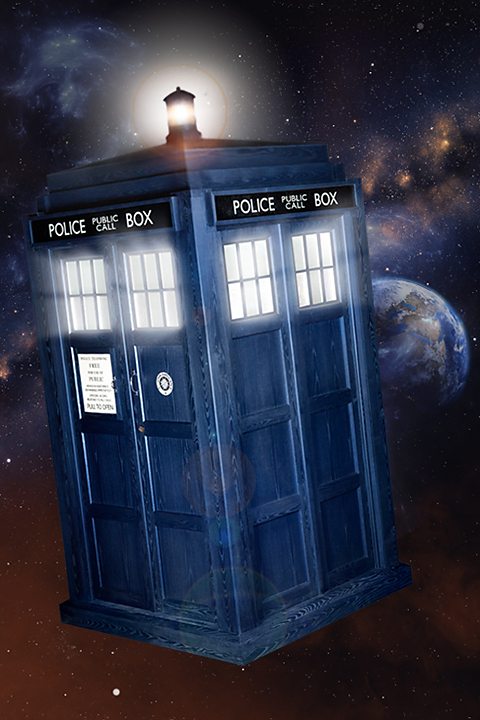
Again, I’m not sure if there’s anything considered “perfect” in entertainment, let alone a perfect setting. However, as far as I’m concerned, this might come damn close. The Doctor Who universe has every sort of setting imaginable. From futuristic cityscapes, to the distant past, and even our own modern times, you can find aliens, historical personages, gods and demons, magic (sort of) and science, friends and enemies, and even new universes or pocket universes! It’s an endlessly adaptable setting, and that’s why it’s my choice for perfect setting.

Also, I know it’s a TV show and the books are expanded universe and semi-canonical at best, but like I said, I like to break the rules.


THE PERFECT MAIN CHARACTER

(pick the perfect main character)

For this one, I didn’t pick perfect as in “they’re the best at everything and never have to improve. The story is just a way for the reader to fawn over how amazing the characters are.” Those are known as Mary Sues and Gary Sues, and most writers learn to stop creating them when trying to write compelling stories. Instead, I picked examples of characters I like to work with the most: women/girls who don’t start out as protagonist material, but as time goes on they grow into their heroine roles. Sailor Moon and Buffy are two great examples of those characters, as well as the reason I love that character type.

Neither Buffy Summers nor Sailor Moon started out as heroes who were thrilled with their roles. They just wanted to be normal girls, not burdened down with these destinies to save humanity from evil. But over time, as they get stronger and build their support networks, they become stronger, able to defy evil and inspire everyone around them and everyone watching them, regardless of age or gender. It’s part of the reason why these characters have endured over thirty years after their debuts, and part of the reason why I am who I am today.


THE PERFECT BEST FRIEND

(loyal and supportive, pick a character that you think is the best friend ever)


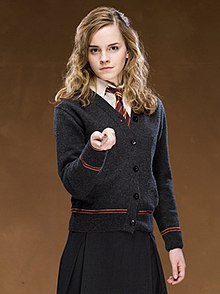
This one was easy. She’s smart, kind, brave, and is willing to point out when you’re wrong or doing something stupid. And she’s willing to stand up for the oppressed when no one else will, including many of the oppressed. She can be a bit stubborn, and at times she loses sight of reality when it comes to studies or other things she deems important. But honestly, Hermione Granger would make a great best bud.


THE PERFECT LOVE INTEREST

(pick a character you think would be an amazing romantic partner)

Let me level with you all. I may be bisexual, but I’m aromantic, so I don’t really feel romantic attraction to anyone. Sexual, definitely, but I have trouble imagining myself wanting to be tied to someone like a partner or lover. And since I don’t feel like telling the world about a character I may find sexy, I’ll just leave this one blank. Sorry if you really wanted to know what my type was or wanted to set me up with someone you know. You can’t change someone’s nature that easily.


THE PERFECT VILLAIN

(pick a character with the most sinister mind)

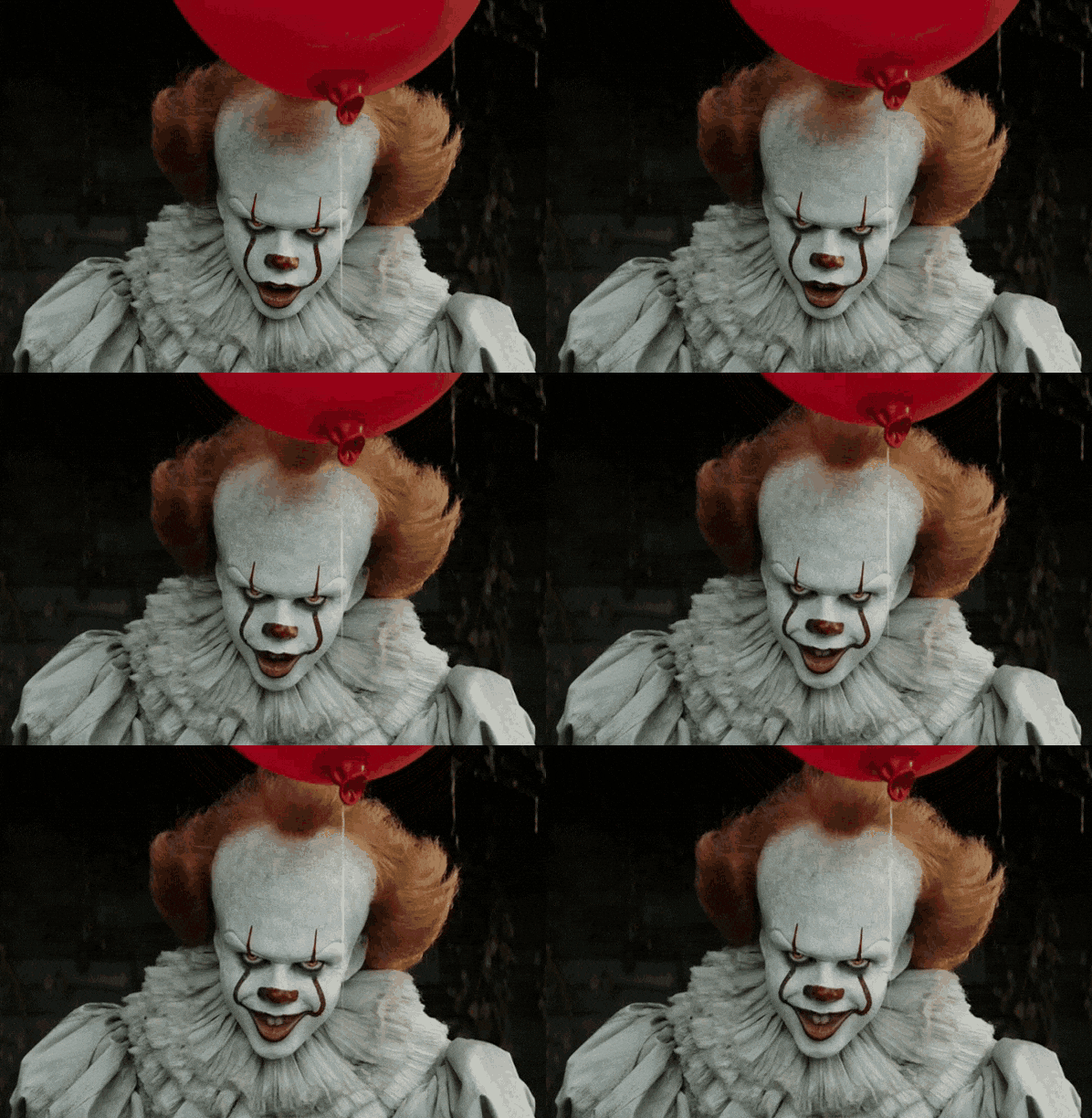
Remember that quintessential horror novel I mentioned as a contender for Perfect Genre? Yeah, IT was the runner-up. But in terms of villains, Pennywise is the ultimate, hence why he’s here. Honestly, he’s a perfect mix of both the human villain and the supernatural. He understands human fears and motivations, is a master manipulator and knows just how to get under our skin and either terrify us into a stupor or make us his pawn. At the same time, he’s this giant cosmic entity from beyond the universe, a thing we can only grasp as orange lights known as The Deadlights. His motivations aren’t born from hatred or greed or any human desire, but from the need to feed and eventually the need to procreate. It’s just another show of his Otherworldly nature.

And let’s face it, he’s devious! It takes a special sort of evil to enjoy being an evil clown 24/7, and Pennywise does it better than the Joker. Yeah, you read that right. What are you going to do about it?


THE PERFECT FAMILY

(pick the perfect bookish family)

Well, they’re not from any books, at least not originally, but the Addams Family would be my perfect fictional family. You can guess why.


THE PERFECT ANIMAL OR PET

(pick a pet or fantastic animal you need to see on a book)

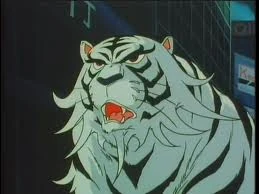
Although I’m against the breeding of white tigers (they’re a genetic abnormality and breeding them leaves the tigers with all sorts of genetic problems), White Blaze from the anime Ronin Warriors is a creature I always wanted. He’s a tiger and deadly towards his enemies, but he’s smart, kind and good with people. You could honestly have him babysit your kids, he’s that good. And in a fight against evil, you couldn’t ask for a better animal partner.

In fact, White Blaze might be part of the reason why tigers are my favorite animal. And it’s not hard to see why.


THE PERFECT PLOT TWIST

(pick a book with the best plot twist)

I won’t say what it was. But it left me reeling. Took me half the next chapter to realize the author was serious and wasn’t pulling my leg. Still the hardest a twist in a novel has ever hit me.


THE PERFECT TROPE

(pick that trope you would add to your own book without thinking)

Let’s face it, I love a cosmic horror twist. The idea of an entity that defies human conception, to the point it can drive us mad, excites me as a horror writer to no end.


THE PERFECT COVER

(pick a cover you would want on your own book)

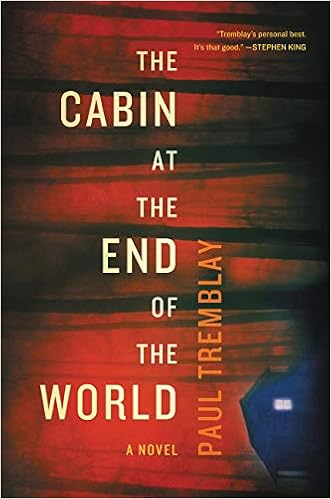
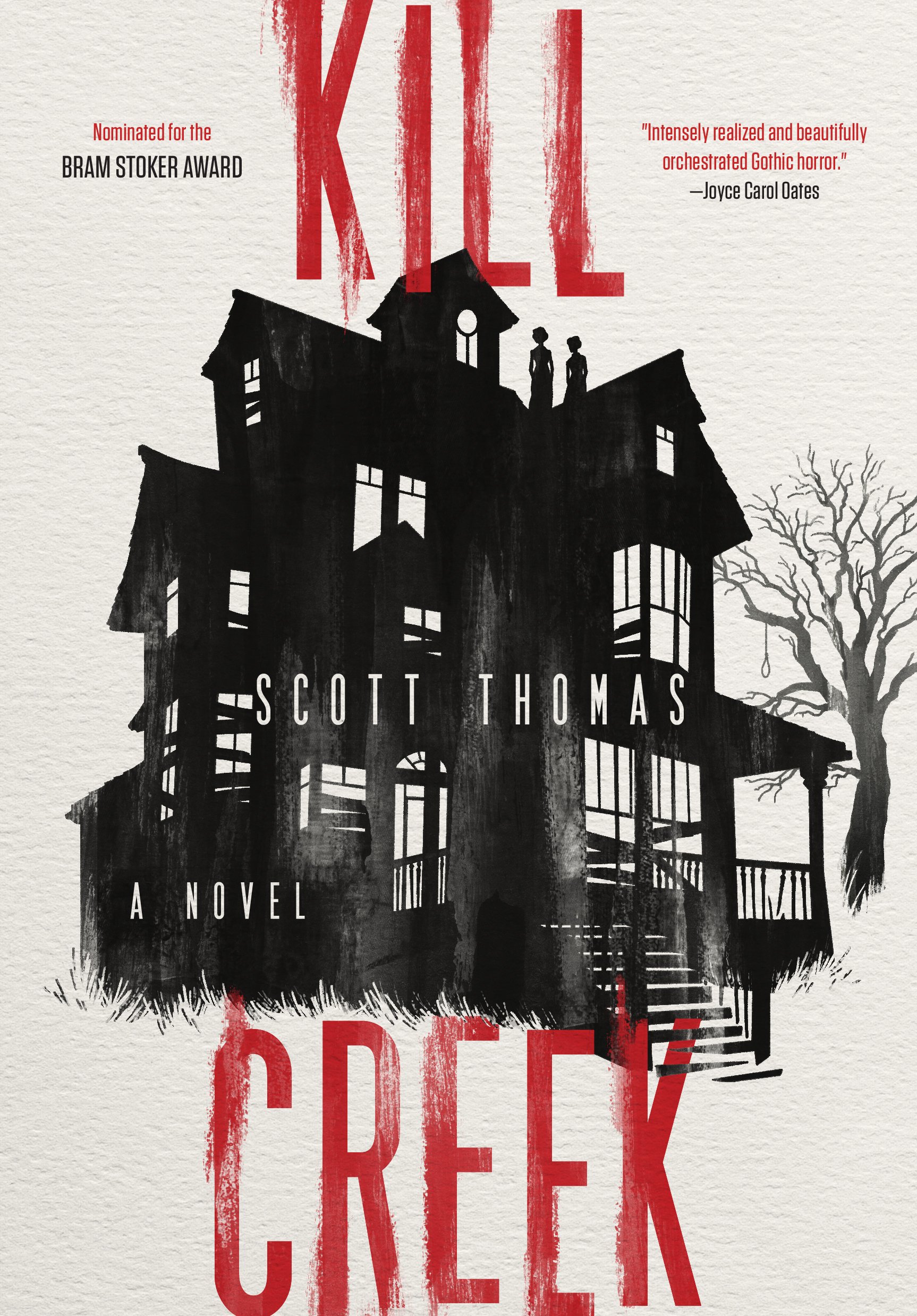
I want a cover similar to this on one of my books someday. Either that, or something that disturbs just to look at it.


THE PERFECT ENDING

(pick a book that has the perfect ending)

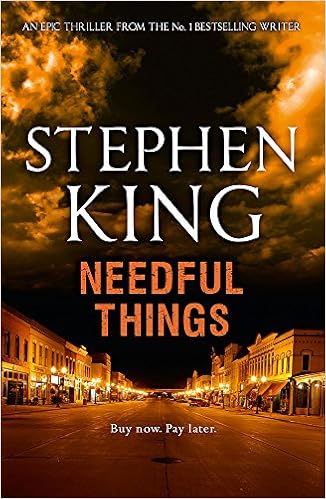
My favorite endings in horror have the horror continuing on long after the heroes appear to have won. So if I have to pick one that’s a good example, I think I’ll go with Needful Things by Stephen King. Great book with an enigmatic and terrifying antagonist. If you haven’t read it yet and you have a stomach for horror, you might want to change that sooner rather than later.


I TAG THEE:

  • Priscilla Bettis
  • Iseult Murphy
  • Joleene Naylor
  • Ruth Ann Nordin
  • Matt Williams
  • YOU!!! (If you want to)

That’s all for now, my Followers of Fear. Tomorrow, I finally start that essay, and then I start on a new short story. But in the meantime, what did you think of my choices? Any of them resonate with you? Let’s talk in the comments.

Until next time, pleasant nightmares!