Posts Tagged ‘cosmic horror’

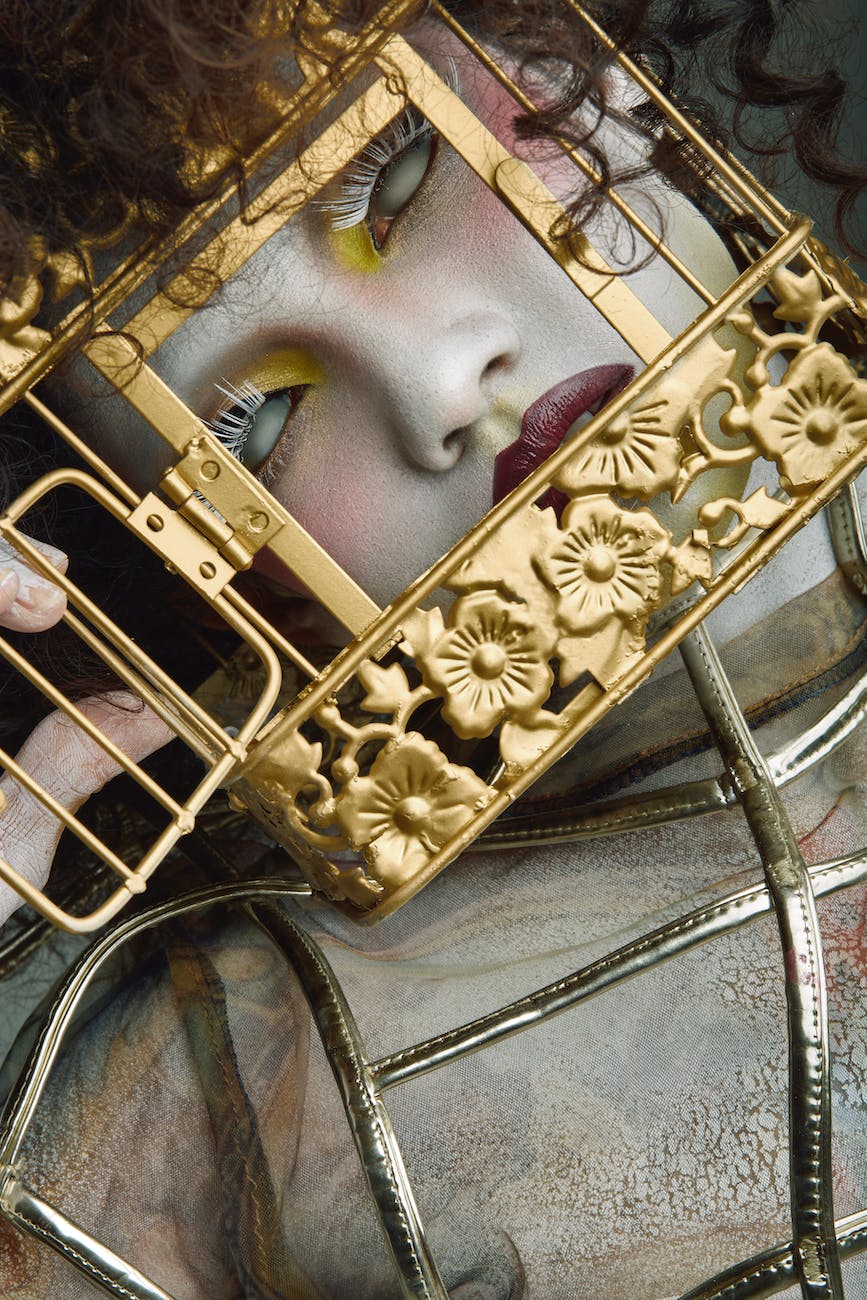
Photo by Niko MonDu00ec on Pexels.com

I’ve heard certain stories and writers described as weird fiction and weird fiction writers. I’ve also heard of New Weird, which refers to writers whose work is representative of a new wave of weird fiction. And I can think of examples of fiction that is described as “weird fiction.” Yet, I still find myself wondering from time to time, “How do you define weird fiction?”

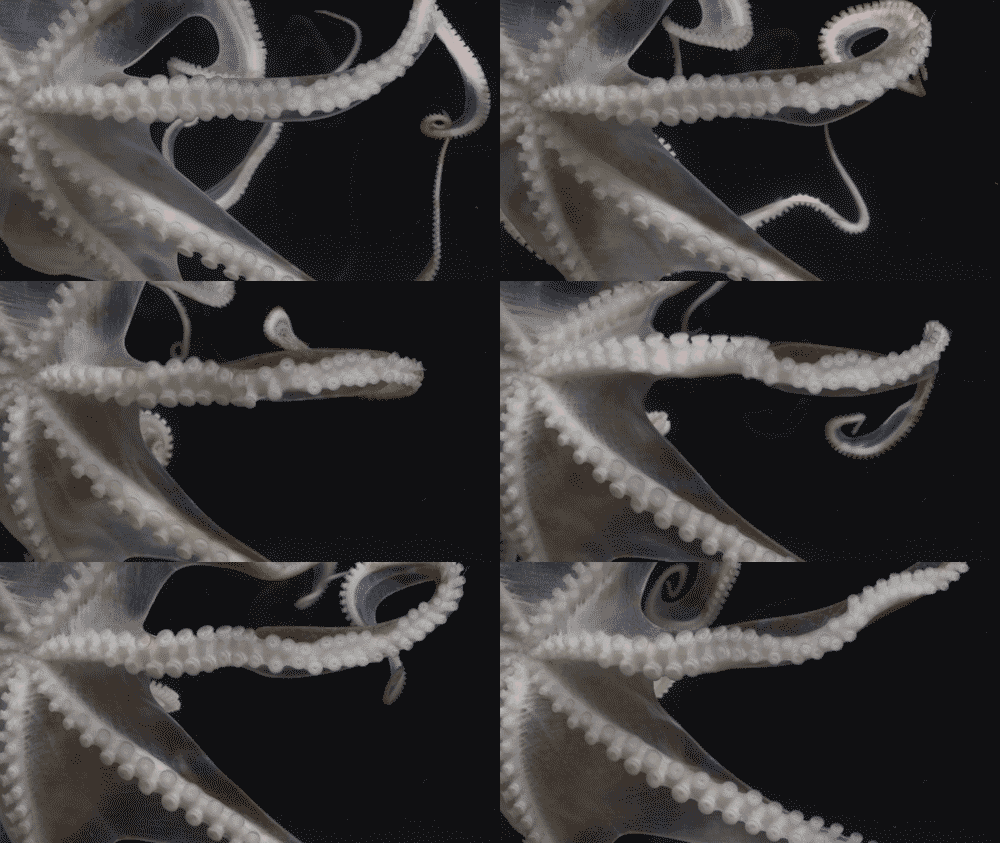
Most people I’ve talked to–and I’ve talked to many–say “I know it when I see it” when it comes to weird fiction.* However, being a non-human entity and having a very loose definition of “normal” in a world that seems to defy anyone’s definition of normal, that still isn’t enough for me. And I know HP Lovecraft and the Cthulhu Mythos is considered weird fiction, but is that because it involves tentacled monsters?

As usually happens when these sort of questions bug me to no end, I do research. And after talking to a lot of people, reading some articles, and watching a few YouTube videos on the subject, I think I’ve finally come to some conclusions.

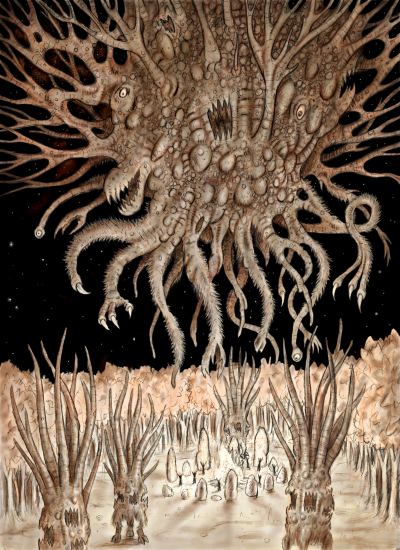
For one thing, “weird fiction” isn’t a specific genre like literary, romance, sci-fi or horror fiction. Rather, it’s a designation given to stories and writers who take traditional concepts within their genre and then find some way to turn them on their head and make them weird. Lovecraft and his friends’ fiction was called “weird horror” because it featured ancient cosmic beings with lots of tentacles instead of ghosts, werewolves and vampires. And today, you can call Junji Ito “new weird” because his work features women with their tongues being replaced by snails and their heads becoming the shells, or towns cursed by the concept of a spiral.

And this can apply to all sorts of other genres and kinds of stories. Magical realism, cryptozoological erotica, bizarro fiction, they can all be considered weird. And you can add weird to any sort of story. For example, perhaps you can write a romance story where the couple is actually a single person and their reflection. Or weird Western, where cowboys ride into a wilderness resembling that melting clock painting by Salvador Dali.

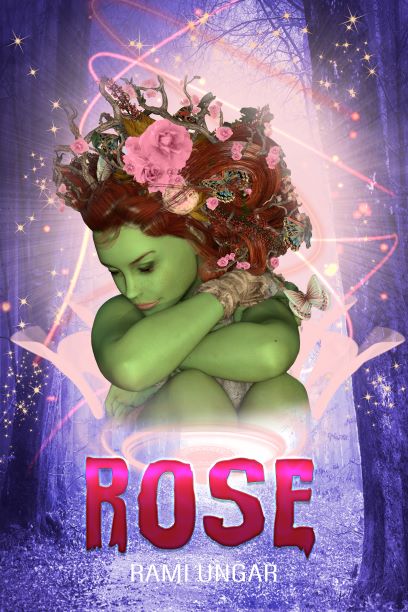
And now that I think about it, my own novel Rose could be considered weird fiction. I mean, I usually categorize it as “fantasy horror” or “paranormal fiction,” but it’s about a young woman turned into a plant/human hybrid (and that’s just the start of her problems). If that’s not weird, then I’m a sea lion (and I’m not).

Apparently, Rose could be considered “weird fiction.” I never realized.

So, how does one write weird fiction? Well, I don’t think anyone sets out to write exclusively weird stories. I think they’re just trying to create something original and that leads to going down a weird route. That being said, if you want to write something weird, here are a few things you can try to make it weird:

  • Disrupt the real. Weird fiction comes from being weird, so it helps if your story breaks either the characters’ or the readers’ sense of reality. In terms of the latter, you could modify the world in some way so that something weird by our standards is considered normal in the world of the story. One example I can think of is a story I once read where imaginary friends were real entities and an accepted part of the human life cycle, similar to losing your baby teeth or going through puberty.
    In terms of the former, write the story in a way where you and the characters share a similar reality, but then that definition of real goes out the window in a big way. Think Alice falling down the rabbit hole into Wonderland, or perhaps Little Red Riding Hood’s trip to her grandmother’s house becomes Lovecraftian and surreal.
  • Tentacles and cosmic elements. It’s a little stereotypical, but as I said, much of what made Lovecraft’s stories weird were the tentacles and the other elements that became the foundation of cosmic horror. So, if it works, why not use it?
  • Ask “what if I added this?” Plenty of times, we writers create our own stories by encountering another story and thinking of what we would add if we were the ones writing it. Just do the same thing, but think in terms of strange things you can add. And not just to other stories, but to just daily situations. What if you added surrealism to a religious matchmaking search, or if there was some visible way to instantly identify someone as having committed a crime? Thinking along those lines could allow you to write a weird fiction story.
  • Defy genre. While genres are categories we created, they do play a big role in writing and publishing. If you can write a story that doesn’t fit any particular genre but has elements of several, especially fantasy, sci-fi, and horror, it could be considered weird. There’s a bit more to it, but that can be a clear indicator of weird fiction.

Other than that, the only thing I can recommend is read plenty of weird stories and practice writing them. And while writing weird fiction isn’t exactly necessary for any writer, it can be a lot of fun and lead to some memorable stories. Hell, it may help you write more mainstream fiction. So, why not? Go ahead and get weird with it!

What tips do you have for writing weird fiction? Do you have any favorite stories that are considered weird?

*Fun fact: that phrase was coined by US Supreme Court Justice Potter Stewart in 1964 in his opinion on the case Jacobellis v. Ohio regarding a definition for obscenity, specifically hard-core pornography. The more you know.


Thanks for reading, everyone. It was a long article, but I wanted to get it out before I tried to intentionally write a weird fiction story (usually it happens by accident). I hope you enjoyed a post without a mention of Hannah (which, now that I think about it, has a weird story or two as well).

Anyway, I’ll be back soon enough. There’s some exciting stuff happening this week, after all. So, until next time, my Followers of Fear, good night and pleasant nightmares!

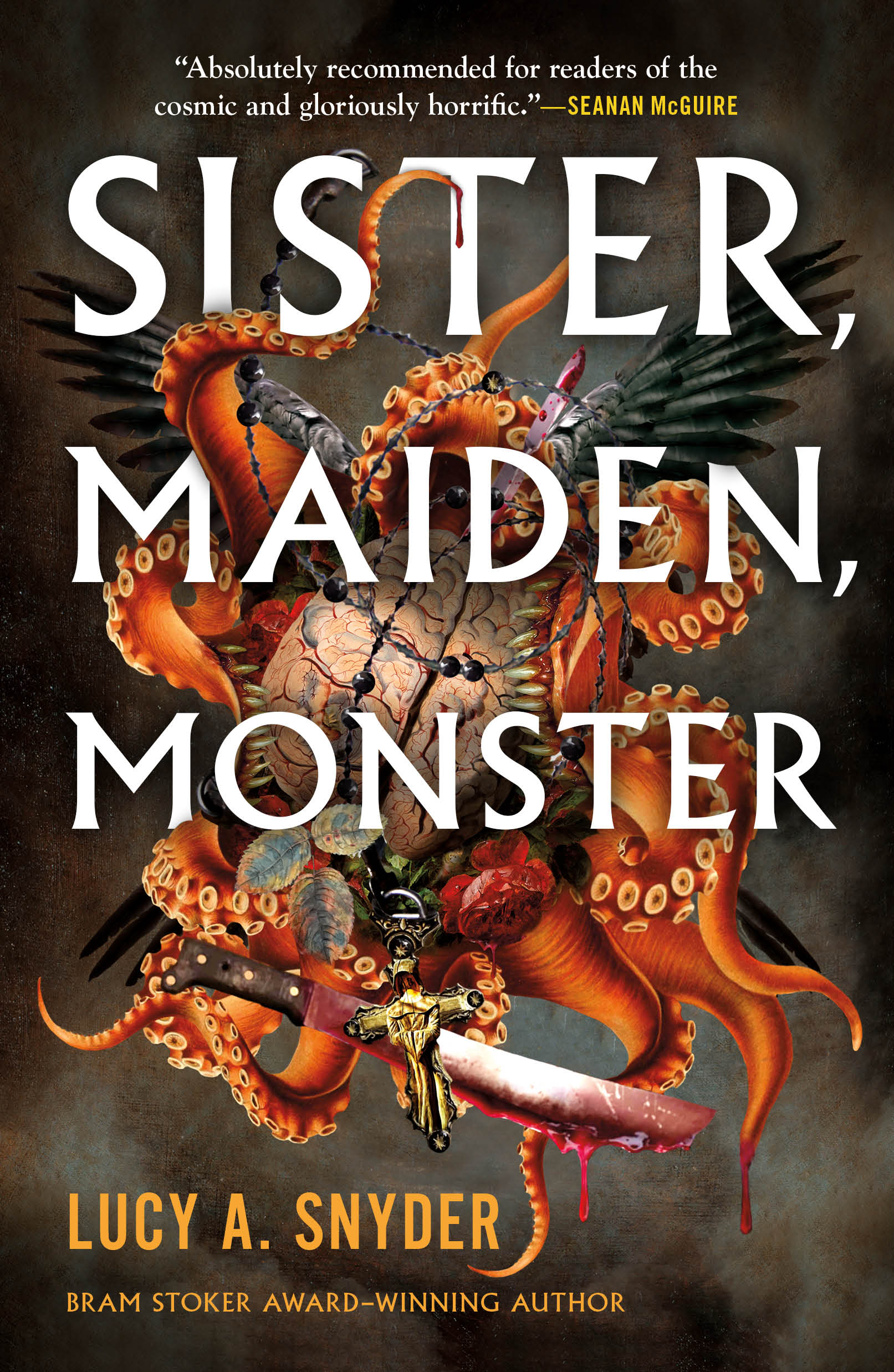
Before we start, I would like to thank Lucy A. Snyder and the team at Tor Nightfire for providing me with an ARC copy to read (and a special thank you to Lucy for the awesome galley copy she gave me a few months back).

Set a few years after our current COVID-19 pandemic, Sister, Maiden, Monster follows three separate women as their lives are affected by a terrible new disease raging across the planet. Known as polymorphic viral gastroencephalitis, or PVG, the disease is like the stomach flu from hell. For those who are lucky, it kills them very quickly. For the rest, it changes them, making them unable to eat most sources of nutrients. They have to get their nutrition through rather macabre means. And that’s only the start of the apocalypse that’s going to come.

So, it looks like there’s still an appetite for pandemic fiction, even after a real pandemic. At least, if the release of Sister, Maiden, Monster, the airing of “The Last of Us,” and one or two of my own stories, among other works, areanything to go by. And everyone telling those stories are making sure the hypothetical future pandemics are even more terrible than COVID-19 was. Which, honestly, I gotta respect.

Alright, onto the story. Sister, Maiden, Monster was great. I really enjoyed it. For one thing, the three main characters are really well-developed, which is great in such a character-driven story. There’s Erin, who’s seeing her life implode and strange new desires growing inside her after becoming infected; Savannah, a prostitute and dominatrix who discovers she has a talent for causing death in the name of new masters; and Mareva, a sickly woman who has been chosen for a terrible purpose. I really got to know these characters and get inside their minds. Which, by the way, was not always the most pleasant ride, believe me.

Speaking of which, Lucy Snyder does not shy away from showing what Stephen King calls the “gross-out” factor of horror. There are bloods, brains, gore, and plenty more body horror to make more squeamish readers feel faint. Add in the isolation and paranoia of living through another pandemic, this one worse than the one preceding it, as well as some good and delicious cosmic horror, and it makes for a rather scary read.

I did think that the time spent with each narrator was unbalanced. Somewhere between a third and half the book is from Erin’s perspective, and while I get why, I would have liked to see more from the other two narrators. Especially Savannah. That lady is wild and a lot of fun to read, even if you would be horrified by her if she were real.

I also noticed that something that appeared later in the book and which I loved seeing was foreshadowed earlier in the story, but I felt it could have been foreshadowed a bit more. Hell, I nearly forgot about the foreshadowing until the reveal, so that says something.

All in all, Sister, Maiden, Monster is a great, body horror-filled ride and I’m glad I got to be among the first to read it. On a scale of 1 to 5, I’m giving it a 4.3. The book releases this Tuesday, February 21st, so go preorder a copy, settle down when you get yours, and get ready to see the horror of the pandemic go through a terrifying metamorphosis.

Until next time, my Followers of Fear, good night and pleasant nightmares.

Photo by Pedro Figueras on Pexels.com

I’ve heard this term thrown about a few times since January, first in the new Scream movie and most recently in an analysis of a horror film on YouTube. “Elevated horror.” And the speakers, whether in in the Scream movie or in the YouTube video, made it sound like it’s a recognized subgenre of horror with its own staple of tropes and trappings. Like slasher and its killers and gore, or Gothic with its ancient, diseased settings and corrupting influence.

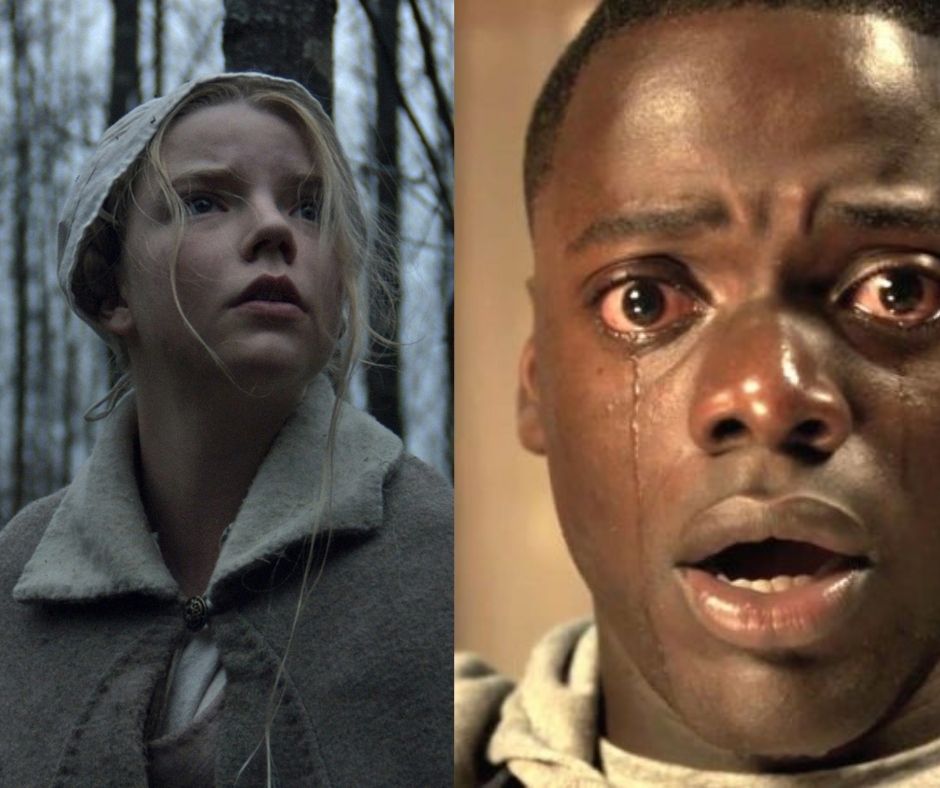
The thing is, it isn’t. Elevated horror isn’t an actual subgenre of horror. I’ve consulted with dozens of writers on this (thank you, Twitter and the Horror Writers Association Facebook group) and it’s not a subgenre. It seems like a subgenre of horror at first glance when you look at works referred to elevated horror. In movies, films referred to as elevated horror include The Witch, Babadook, It Follows and Get Out, among others: they’re horror stories that focus more on probing psychological drama, characters and metaphor than blood and gore or supernatural horrors. Often, there’s a powerful social commentary being presented through the narrative, such as Get Out‘s commentary on race.

In terms of literature, “elevated horror” might have all of these as well as flowery language. It might be almost called “literary horror,” because there’s an emphasis on wording the story nicely and making it just too dark to be called “literary fiction.” Examples include The King in Yellow by Robert Chambers, Interview with the Vampire by Anne Rice, The Deep by Alma Katsu, and A Cosmology of Monsters by Shaun Hamill.

And, most importantly, “elevated horror” can sometimes cross over into other genres, such as thriller, literary, or even comedy.

Can you really say The Witch and Get Out belong in the same subgenre?

Sounds like a subgenre, doesn’t it? But it’s not. The works called elevated horror are all as different from each other as roses are to tulips are to primulas. All flowers, but all different kinds of flowers. Let me explain: The King in Yellow and The Deep are cosmic horror mixed with deep psychological themes, The Witch is some cross between folk, religious and historical horror, and Get Out‘s searing satire makes it borderline horror-comedy. In fact, it was nominated at the Golden Globes under categories for comedies or musicals!

Yet all of them are given the designation of elevated horror. So, if it isn’t a subgenre, what is it?

The conclusion I’ve come to after speaking to numerous other writers is that elevated horror is actually horror films taking place in elevators.

Just kidding, that’s elevator horror, and the only example of that I can think of is 2010’s Devil.

No, “elevated horror” is a marketing term. And like all marketing terms, it’s directed towards a specific audience. Who is this target audience? It’s people who normally wouldn’t check out horror because they fear it’s low class, dangerous, or degenerate. They may want to check out horror or be curious, but the stigma still attached to the genre keeps them from doing so. Either that, or they won’t check it out unless a work is given a specific designation.

Calling something “elevated horror” is basically saying, “This isn’t like other horror stories, where half-naked teens are voyeuristically killed with tons of blood and gore, or where supernatural entities menace children in sewers. No, it has nuance and social commentary! There’s psychology and drama and fleshed out characters! You can be respectable while enjoying this!”

In other words, it’s another way of something is high-brow. “There are no explosions and superheroes here. No aliens or elves. No star-crossed lovers up against the odds. Only real people having real life situations, or real people in situations that are absurd but it’s okay, because it says something important about society.”

I almost wish it was a subgenre. I might have found a home for my ballerina-meets-the-King-in-Yellow story already (still working on that, give it time).

Pinhead may not be from an elevated franchise, but that doesn’t make him or Hellraiser any less awesome.

And the problem with this marketing term is it’s misleading. By calling certain movies or books “elevated horror,” it’s labeling all other horror as “trash,” or at the very least “common.” Either way, the designation puts other horror stories down. And that’s a shame, because there’s such good horror out there. Dark Harvest, Kill Creek and Salem’s Lot aren’t high brow, but they’re great stories that thrill and can leave their readers up late into the night. Same with The Thing or the Hellraiser franchise: they may never win Oscars, but goddamn are they scary, and the latter has led to one of the most memorable characters in the slasher genre.

I’m not trying to put down the term. I’m just saying we should understand what it means, both for works designated as such and those that aren’t. And if it lets you enjoy horror, great. Just make sure to check out works that aren’t “elevated” and whose creators don’t really think or care if their work is called that.

Personally, I can see some of my work being called elevated, but I’ll just say that I was trying to write a fun story and wanted others to enjoy it as well.

That’s all for now, my Followers of Fear. After getting my thoughts on this topic out, I’m off to dream of beasties and ghosts. Until next time, good night and pleasant nightmares.

I first heard about this film last month, described as The Call of Cthulhu meets small Norwegian island and with Barbara Crampton of Re-Animator and Chopping Mall fame heavily featured in the marketing. The trailer looked cool, so I mentioned it in a post about cosmic horror becoming popular, and patiently waited for it to come out. I watched it evening, so obviously I have to write a review about it.

Based on a short story by Paul Kane* and influenced by the works of HP Lovecraft, Sacrifice follows Isaac Jorgstadt and his pregnant wife Emma as they return to the tiny Norwegian island where he lived until he was a child and his mother took him to America. As his mother has recently passed, Isaac now owns the home and has come to see if he can sell it. However, between the townsfolk’s bewildering behavior, unearthed family secrets, and strange dreams, Isaac and Emma find themselves in the crosshairs of a powerful cult worshipping an ancient and terrible god.

Pandemic or no pandemic, I think we can call this the first good horror film of 2021.

First off, the movie was really well done. The strange behavior of the townsfolk adds to this feeling of unreality in the story, which is heightened by frightening imagery and occurrences. The tension between Isaac, who becomes more and more enchanted by the island, and Emma, who is just freaked out, compounds the uneasiness we feel. And the slow-burn nature of the story ramps up in just the right way in the third act.

I also like the way HP Lovecraft’s work is incorporated into the story. Images and statues of Cthulhu–or as he’s known in the movie, “The Slumbering One”–abounds; Isaac’s name in America is Pickman, a reference to Pickman’s Model; dreams play a prominent role in the film; and of course, we get the occasional tentacles. You really enjoy stumbling across all these references and being like, “I get that!”

I always enjoy when cosmic horror is incorporated well into a non-Cthulhu Mythos film.

Excluding Barbara Crampton’s attempt at a Norwegian accent and one line that could be misconstrued as offensive to certain belief systems,** I only had one problem with the film. During the climax, the ending was epic and scary, and then that final shot felt…anticlimatic. I would have liked to see a shot of the Slumbering One or his tentacles or something. Just something more Lovecraftian and scary to end the movie with. Is that too much to ask?

All in all, though, this was a creepy and enjoyable ride. On a scale of 1 to 5, I give it a 4.1 As of right now, it’s only available from iTunes, but I say it’s worth the cost to check out.† Especially if you can pair it with some good calamari.

That’s all for now, my Followers of Fear. I’m off to birth my own nightmares. Until next time, pleasant nightmares (or as they say in the film, “dream well”).

*Whose work I need to check out.

**That better have been a put down on female genital mutilation and not on bris milah or similar rituals, I’m just saying.

†Hopefully you have an easier time playing the movie than I did. Still not sure if that was my iTunes player or my computer, but I had so many issues with the streaming.

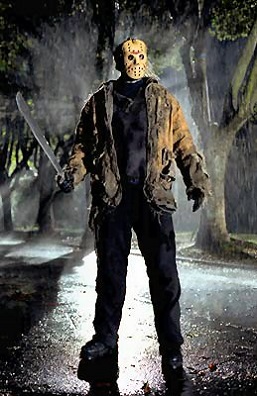
You’d be surprised how many people would want to see a ballet with this guy.

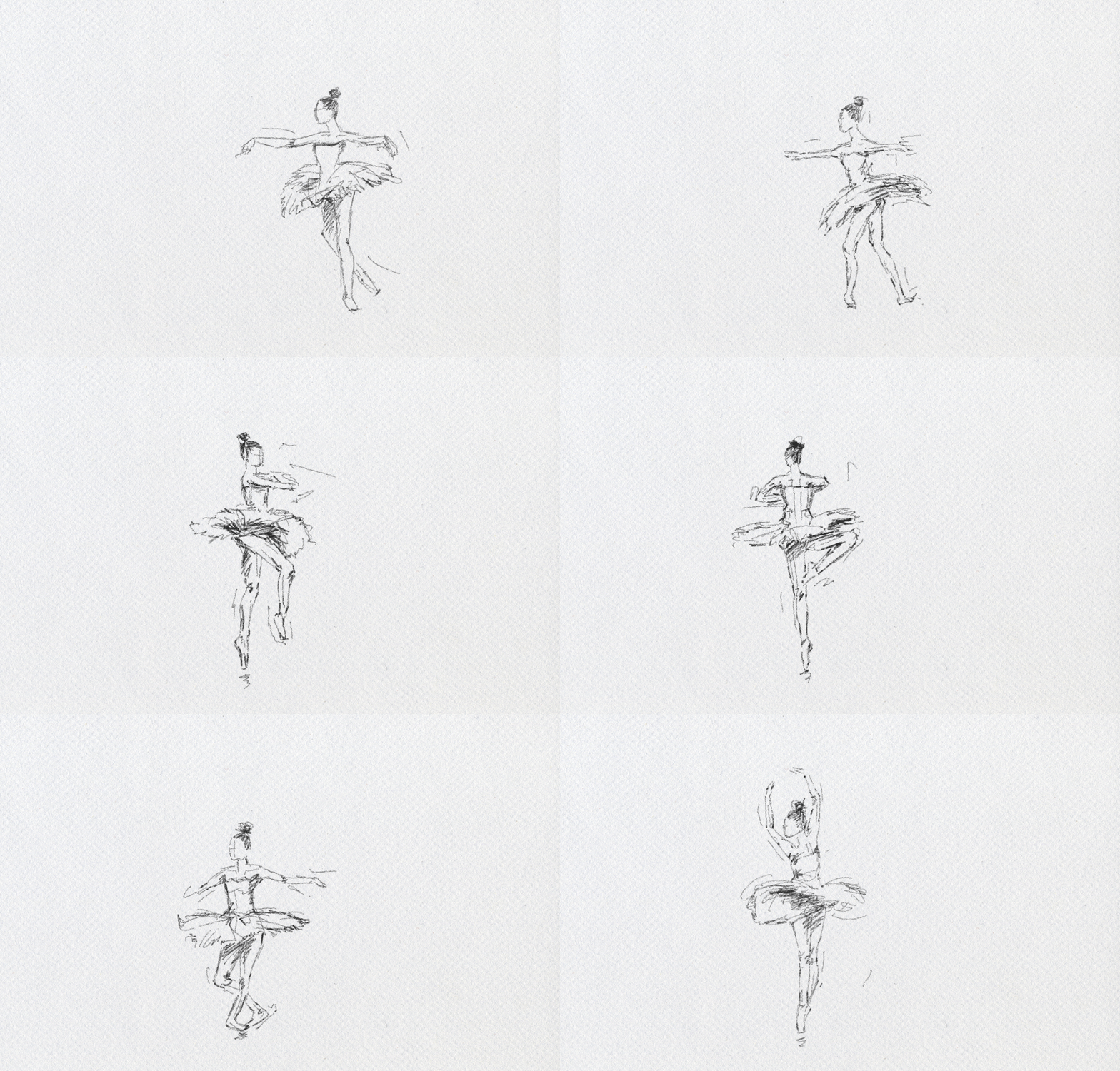
Many of you already know that I’ve been a huge fan of ballet for the past several years. Those of you who didn’t, now you do (and can read this post for my full thoughts on the art form). Ballets and dancers sometimes appear in the stories I write, and I have even had a few ideas for ballets that I’m keeping in reserve.* And since this pandemic began, I’ve missed going to the ballet and seeing these amazing shows. I hope that when the pandemic ends, I can see them live again.

And I hope that some of those ballets might be based on or around horror stories.

Yeah, I know what some of you are thinking. Ballet based on horror stories? When it’s so beautiful and sophisticated? But hear me out, it’s not such a crazy idea. There actually have been ballets written around horror stories or dark subjects. Dracula has a famous ballet, after all, and Frankenstein, Sweeney Todd and The Tell-Tale Heart, among others, have been adapted for dance. Giselle‘s entire second act is a ghost story involving vengeful female spirits; La Syphide features a spirit called a sylph and a coven of witches; The Rite of Spring was literally designed to unnerve people with its music and choreography; Fall River Legend is a loose retelling of the Lizzie Borden murders; and The Cage is literally about insectile females who eat their male counterparts!

And I would be remiss if I didn’t mention Black Swan, which melded psychological thrills with ballet, albeit being very inaccurate about life in a company.

So clearly, there is already a history of horror in ballet. And I think it would be cool and perhaps even groundbreaking to write some new, darker ballets after the pandemic ends and companies have had a chance to get back to putting on shows.

Were you aware ballet could be so scary?

And before you say, “But lots of families go to the ballet. Won’t these stories traumatize them?” I do admit that’s possible. However, I’m sure plenty of kids have come out fine from seeing Giselle or Rite of Spring. Besides, kids are often more resilient than we give them credit for. And nobody seemed bothered enough to ask that question when they were making family films in the 1980s (*cough* Secret of NIMH, Return to Oz, The Witches *cough*).

And there are plenty of properties and stories to adapt from. Obviously, I’ve got a few stories up my sleeve.** But if you’re still unsure, here are some stories I think would make great ballets if a company were to try:

I really think The Shining could make a great ballet if given the chance.
  • The Shining. I know this one has already been made into a movie, a TV miniseries, and an opera, but I think The Shining could make a stunning ballet. Compared to King’s other works, it’s not very complicated, and the story is quite personal as well as scary. The Overlook Hotel would make for a great set piece. And besides Carrie, The Shining is the only story I can think of suited for dance (and Carrie already has a so-so musical already, so perhaps not).
  • Friday the 13th. I know what you’re thinking, but hear me out. Friday the 13th has a passionate fanbase who will go mad for anything new in the franchise, including fan films. The films always feature a lot of action, which could easily translate to dance. And I’ve seen people bring up a Friday the 13th ballet on Twitter and get enthusiastic responses. Granted, when I did a poll on the subject, I only got two responses, but they both said they’d pay to see that kind of show, and the poll only went on for three hours. A longer poll might get more responses.
  • Something featuring a werewolf. As vicious beasts, as warriors against witches, and as tragic figures trying to understand their place in the world, werewolves are versatile creatures with an extensive mythology. It wouldn’t be too hard to come up with something involving them.
  • Something with cosmic horror. Again, I know what you’re thinking. But as I said in a previous post, cosmic horror is on the rise, and there are plenty of ways to tell an excellent story about great, indomitable entities without actually featuring them (or all of them). Like werewolves, it wouldn’t be too hard to come up with something. Just needs a little imagination.
  • The Legend of Sleepy Hollow. Washington Irving’s tale lends itself well to adaptation, so I think having a ballet around it wouldn’t be too much of a stretch.
  • Carmilla. A vampire novel predating Dracula, it’s famous for its Gothic storyline and lesbian themes. I think with a few tweaks (not to the LGBT romance), it could make an enchanting story.

As ballet is a constantly evolving art form, I think there’s plenty of room to experiment with adding horror to a company’s repertoire. Sure, it might not be conventional, but it could be a lot of fun. And who knows? In addition to bringing in new fans, a ballet based around a horror story could become as big as Nutcracker or other famous ballets. You never know.

What do you think about having horror-themed ballets? Are there any stories or storytellers who would be well suited to the art form? Let’s discuss.

*BalletMet, or NYCB, or any company who might be interested. Give me a call or send me an email. I’m not only easy to work with, I don’t cost an arm and a leg.

**Seriously, just email and ask.

I looked for a cosmic horror GIF, and this was my favorite.

Cosmic horror is everywhere these days. Since HP Lovecraft first kicked off the subgenre in the early half of the 20th century, it’s spread from pulp magazines to all corners of horror literature, to table-top roleplaying games and video games. And while cosmic horror has been in the movies and on TV sporadically since the 1960s, in the past couple of years we’ve seen a glut of it on those mediums: Annihilation, Stranger Things, The Color Out of Space, Underwater, Lovecraft Country (which I’ll be watching soon now that I have HBO Max), The Endless, and most recently, The Chilling Adventures of Sabrina‘s fourth season (though not very well).

And there are more on the way. Just today, I heard about a new film called Sacrifice coming out next month that has Lovecraftian themes (click here to check out the trailer). Sometime this year, the long-awaited anime adaptation of Uzumaki by Junji Ito is supposed to air. Richard Stanley, the director of Color Out of Space, hopes to do a trilogy of films based off Lovecraft’s work.

And there’s a lot more that I probably don’t know about. Plus new games, novels and short stories, comics, manga and anime, poems and art! Cosmic horror is kinda going mainstream right now. Or as mainstream as horror can get.

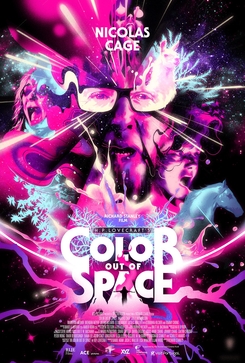
Color Out of Space was awesome. And we may have more like it in the future.

The question is, why now? Why is this particular subgenre only now just getting mainstream acceptance? Why the sudden enthusiasm?

I think there are a few reasons. One is time and a devoted fanbase. Cosmic horror, as I said, originally came from pulp magazines with very small circulation. However, the fans who enjoyed the stories of Lovecraft and those who played in his world–what would later be known as the Cthulhu Mythos–preserved and kept the stories going even after the deaths of the magazines and of Lovecraft. Through hard work and advocacy, more fans found cosmic horror and found themselves drawn to the stories. Then as now, fans would then tell other fans, or create their own work based on these stories, which has a looping effect of creating more fans through exposure. So, it may have taken time, but cosmic horror has been able to spread with patience and the love of many who follow it.

Almost sounds like cosmic horror is an eldritch deity in and of itself, doesn’t it? I find that hilariously appropriate.

Another factor at play, I believe, is that modern audiences are more receptive to that kind of horror than they have been in the past. Like I said, it’s taken time for cosmic horror to penetrate the public consciousness, and so for many people, cosmic horror may be a nice change of pace from the usual horror fare. We’ve seen plenty of haunted house stories, slashers, and sequels and ripoffs of possession or ghost stories. Those elements are not normally part of cosmic horror. In fact, it could be a breath of fresh air for audiences.

And finally, while cosmic horror normally deals with ancient, otherworldly gods and terrible secrets, it’s a great place to talk about modern issues. Granted, horror has always been a place to explore our everyday fears and anxieties, but cosmic horror, through the perspectives and interactions of its human characters against these terrors, can do it in a unique way. Lovecraft Country uses cosmic horror to explore racism, which both was part of the genre’s start and which is a current problem today.

Is it too much too hope that one of those works might be a kickass, terrifying adaptation of Hellstar Remina by Junji Ito?

And I wrote a novella, What Errour Awoke, that combined elements of cosmic horror with the current pandemic to explore the fear with the latter. And yes, I still hope to get that published.

So, with all these factors, can we expect more cosmic horror in the near future? I think so. Maybe not in huge numbers from the movie industry, as cosmic horror tends to have a spotty track record there.* But certainly in other mediums. Horror-themed TV has been booming, so we’ll likely see plenty of shows exploring those themes in the future. Comics and manga have always loved cosmic horror. And, of course, we’ll likely see many, many new books or short stories in that vein.**

So long as they’re made with lots of love, both for the subgenre and for the projects themselves, rather than for the money, I look forward to it.

Are you a fan of cosmic horror? Are you enjoying the wave of new works in the subgenre? Let’s discuss in the comments below.

*While they were well-received by critics and moviegoers, Annihilation and Underwater underperformed at the box office, and Color Out of Space only had a limited theater release.

**Hopefully, I’ll be able to add to this. I’ve a few cosmic horror ideas waiting to be written. I’d love to share them with you all someday.

My copy of Remina from the library.

I’ve been looking forward to this book getting an official translation and release here in the US for quite some time. And I was so excited when it arrived at the library, I stopped by yesterday afternoon to pick it up rather than wait till Friday. As you can guess, I stayed up late reading it, hoping the story within would give me some pleasant nightmares.

Known as Hellstar Remina in Japan, Remina kicks off with the discovery of a new planet that seemingly appeared from a wormhole several lightyears away. The discovery is hailed as the greatest development in astrophysics ever, and its discoverer, Dr. Oguro, names the new planet after his beloved, beautiful but shy daughter Remina, causing her own star to rise alongside the planet bearing her name. However, planet Remina is moving through space in ways that defy physics and sense. Planets and stars disappear in its wake. And it soon becomes clear that not only is this planet headed to our solar system, but it spells doom for all on the Earth. Especially the young woman who shares a name with it.

Oh man, I don’t think I’ve loved something from Ito this much since Uzumaki!

First off, the concept is well-executed. Ito takes this idea of a planet flying through space towards us, threatening everything we found our worldviews on as well as our lives and our planet, and turns it into this strange, dread-inducing story that somehow manages to ramp up more and more with every page. The planet itself is rather terrifying. There’s so many unknowns about it, and the more you learn and see of Remina, the more questions you have and the more you learn to fear it. It really puts the “cosmic” into cosmic horror.

I was also impressed with the human characters. Remina Oguro, the planet’s namesake, is easy to like. She’s shy and humble, and really only becomes an entertainer because she’s suddenly famous, so she might as well use it to get through life more easily. Which makes the hardship she goes through later so heart wrenching. As the planet bears down on the Earth and no solution seems to work, people begin to wonder if the Oguros, particularly Remina herself, have some hand in bringing the planet to them. In their terror, many abandon reason and decide the only way to save humanity is to kill Remina Oguro herself.

It’s not only an excellent example of cosmic horror–of humans dealing/reacting to their insignificance in the universe in the only ways they know how–as well as making you feel for Remina, but it feels really relevant to our current predicaments. Whether it be COVID-19 or the national election, you see people embracing the most insane conspiracy theories rather than accept an obvious reality. That is illustrated so well in Remina, and I felt a chill reading that.

This shot encapsulates so much of what makes Remina great.

Other aspects of the story worked as well. Ito’s art is amazing, as always. Earth in this manga is portrayed as being a few decades ahead of us a la The Jetsons, flying cars included, and it’s cool to see Ito give Earth this futuristic look. The characters are well-drawn, with our protagonists given a more realistic look while those driven mad by fear or anger are hyper-exaggerated to best portray their emotions. But the best illustrations are the spreads taking two full pages. They portray that cosmic dread so well, I spent quite a bit of time looking at them.

And as for the science aspect of the story, while more pseudoscientific than based in reality, it seems plausible enough to believe in for the moment.

The one aspect I disliked was just how quickly things escalated in the first chapter. Within about thirty or forty pages, things go from excitement and new promises to gloom-and-doom and psychotic, murderous behavior. I would’ve preferred things to move a bit more gradually before getting to that level.

All in all, Remina by Junji Ito earns itself a splendid 4.5 out of 5. It’s terrifying in both its cosmic and human aspects and will be hard to put down for any reader. Pick it up, settle in for a terrifying ride, and never name anything Remina.

Also, someone please adapt this story into a movie or miniseries! Live action or animated, this would be a great spectacle to see on screens. Just lay off the CGI except when absolutely necessary and it could be awesome.

It’s been a while since I’ve done any sort of tag, so I saw this on my friend Kat Impossible’s blog and I was like, “Sounds like fun.” And while I’m not sure I believe in “perfection,” I tried to come up with stories that come close to that in my personal opinion. Most of these titles are from the horror genre, but I do add some from other genres and even a few other mediums (I can be a rule breaker when I want to be). With that in mind, let us begin the Perfect Book Tag.

THE PERFECT GENRE

(pick a book that perfectly represents the genre)

I had a hard time choosing on this, between what could be considered a quintessential horror novel, and what could be the most terrifying novel (AKA the “perfect” horror novel). In the end, I wanted to include the quintessential novel elsewhere, and I hate repeating myself, so I decided on the most terrifying novel I’ve ever read, The Girl Next Door by Jack Ketchum. Honestly, this novel’s show of brutality, the ease in which regular people can be persuaded to commit acts of evil and the graphic descriptions of torture and cruelty were enough to make me put the book down at times just so I could process what I was reading and get control of my dread. If you want perfect horror, this might be close enough.

Just don’t blame me if this gives you an upset stomach or nightmares. Trust me, it’s a tough one to get through.

THE PERFECT SETTING

(pick a book that takes place in a perfect place)
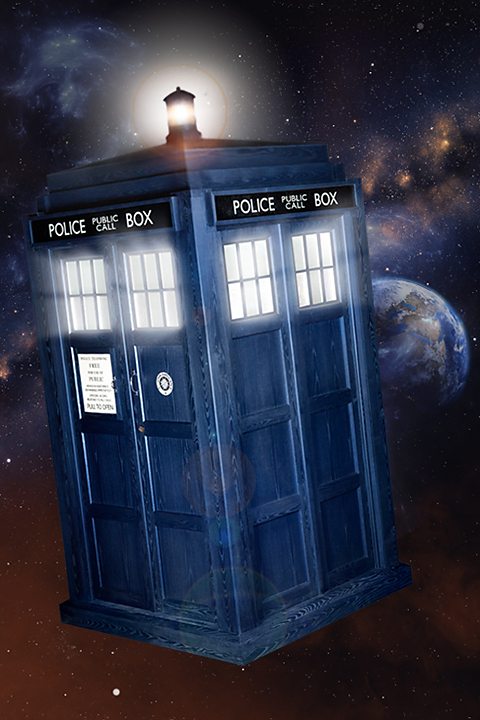
Again, I’m not sure if there’s anything considered “perfect” in entertainment, let alone a perfect setting. However, as far as I’m concerned, this might come damn close. The Doctor Who universe has every sort of setting imaginable. From futuristic cityscapes, to the distant past, and even our own modern times, you can find aliens, historical personages, gods and demons, magic (sort of) and science, friends and enemies, and even new universes or pocket universes! It’s an endlessly adaptable setting, and that’s why it’s my choice for perfect setting.

Also, I know it’s a TV show and the books are expanded universe and semi-canonical at best, but like I said, I like to break the rules.


THE PERFECT MAIN CHARACTER

(pick the perfect main character)

For this one, I didn’t pick perfect as in “they’re the best at everything and never have to improve. The story is just a way for the reader to fawn over how amazing the characters are.” Those are known as Mary Sues and Gary Sues, and most writers learn to stop creating them when trying to write compelling stories. Instead, I picked examples of characters I like to work with the most: women/girls who don’t start out as protagonist material, but as time goes on they grow into their heroine roles. Sailor Moon and Buffy are two great examples of those characters, as well as the reason I love that character type.

Neither Buffy Summers nor Sailor Moon started out as heroes who were thrilled with their roles. They just wanted to be normal girls, not burdened down with these destinies to save humanity from evil. But over time, as they get stronger and build their support networks, they become stronger, able to defy evil and inspire everyone around them and everyone watching them, regardless of age or gender. It’s part of the reason why these characters have endured over thirty years after their debuts, and part of the reason why I am who I am today.


THE PERFECT BEST FRIEND

(loyal and supportive, pick a character that you think is the best friend ever)
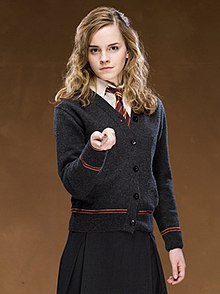
 

This one was easy. She’s smart, kind, brave, and is willing to point out when you’re wrong or doing something stupid. And she’s willing to stand up for the oppressed when no one else will, including many of the oppressed. She can be a bit stubborn, and at times she loses sight of reality when it comes to studies or other things she deems important. But honestly, Hermione Granger would make a great best bud.


THE PERFECT LOVE INTEREST

(pick a character you think would be an amazing romantic partner)

Let me level with you all. I may be bisexual, but I’m aromantic, so I don’t really feel romantic attraction to anyone. Sexual, definitely, but I have trouble imagining myself wanting to be tied to someone like a partner or lover. And since I don’t feel like telling the world about a character I may find sexy, I’ll just leave this one blank. Sorry if you really wanted to know what my type was or wanted to set me up with someone you know. You can’t change someone’s nature that easily.


THE PERFECT VILLAIN

(pick a character with the most sinister mind)
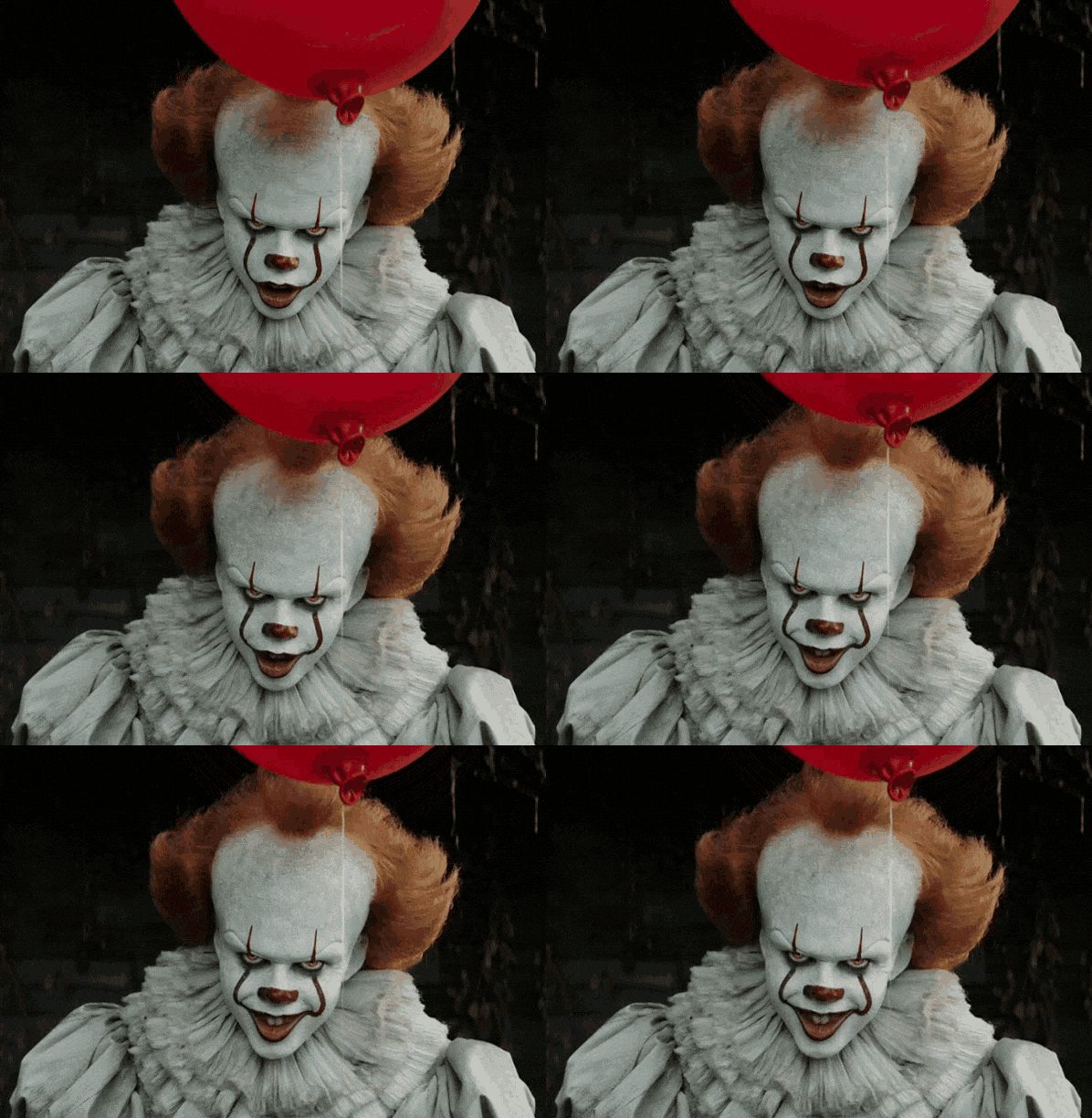
Remember that quintessential horror novel I mentioned as a contender for Perfect Genre? Yeah, IT was the runner-up. But in terms of villains, Pennywise is the ultimate, hence why he’s here. Honestly, he’s a perfect mix of both the human villain and the supernatural. He understands human fears and motivations, is a master manipulator and knows just how to get under our skin and either terrify us into a stupor or make us his pawn. At the same time, he’s this giant cosmic entity from beyond the universe, a thing we can only grasp as orange lights known as The Deadlights. His motivations aren’t born from hatred or greed or any human desire, but from the need to feed and eventually the need to procreate. It’s just another show of his Otherworldly nature.

And let’s face it, he’s devious! It takes a special sort of evil to enjoy being an evil clown 24/7, and Pennywise does it better than the Joker. Yeah, you read that right. What are you going to do about it?


THE PERFECT FAMILY

(pick the perfect bookish family)

Well, they’re not from any books, at least not originally, but the Addams Family would be my perfect fictional family. You can guess why.


THE PERFECT ANIMAL OR PET

(pick a pet or fantastic animal you need to see on a book)
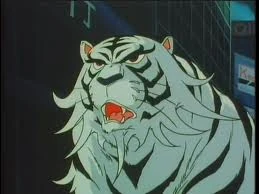
Although I’m against the breeding of white tigers (they’re a genetic abnormality and breeding them leaves the tigers with all sorts of genetic problems), White Blaze from the anime Ronin Warriors is a creature I always wanted. He’s a tiger and deadly towards his enemies, but he’s smart, kind and good with people. You could honestly have him babysit your kids, he’s that good. And in a fight against evil, you couldn’t ask for a better animal partner.

In fact, White Blaze might be part of the reason why tigers are my favorite animal. And it’s not hard to see why.


THE PERFECT PLOT TWIST

(pick a book with the best plot twist)
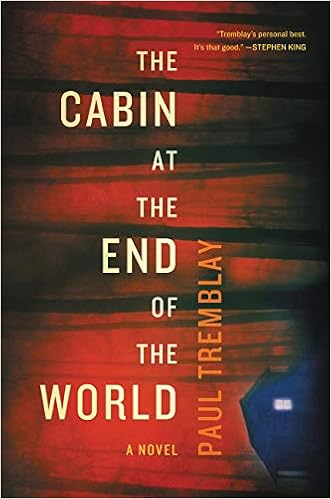
I won’t say what it was. But it left me reeling. Took me half the next chapter to realize the author was serious and wasn’t pulling my leg. Still the hardest a twist in a novel has ever hit me.


THE PERFECT TROPE

(pick that trope you would add to your own book without thinking)

Let’s face it, I love a cosmic horror twist. The idea of an entity that defies human conception, to the point it can drive us mad, excites me as a horror writer to no end.


THE PERFECT COVER

(pick a cover you would want on your own book)
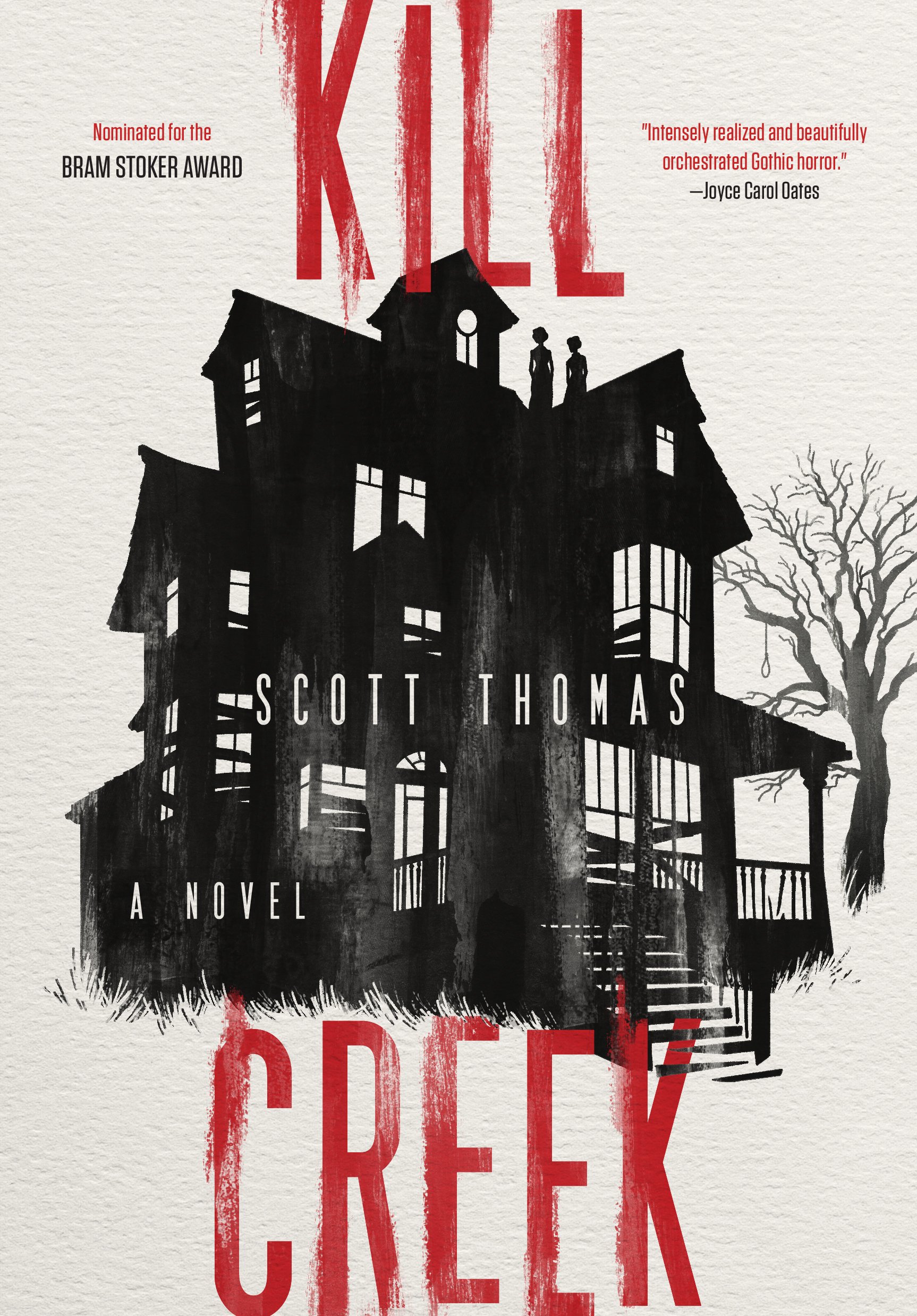
I want a cover similar to this on one of my books someday. Either that, or something that disturbs just to look at it.


THE PERFECT ENDING

(pick a book that has the perfect ending)
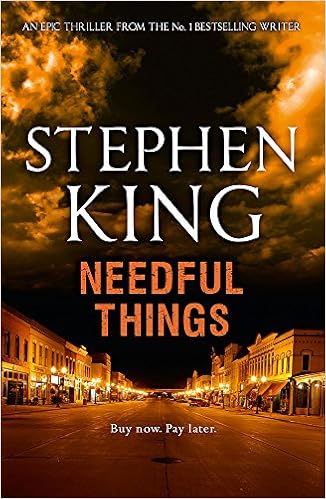
My favorite endings in horror have the horror continuing on long after the heroes appear to have won. So if I have to pick one that’s a good example, I think I’ll go with Needful Things by Stephen King. Great book with an enigmatic and terrifying antagonist. If you haven’t read it yet and you have a stomach for horror, you might want to change that sooner rather than later.


I TAG THEE:

  • Priscilla Bettis
  • Iseult Murphy
  • Joleene Naylor
  • Ruth Ann Nordin
  • Matt Williams
  • YOU!!! (If you want to)

That’s all for now, my Followers of Fear. Tomorrow, I finally start that essay, and then I start on a new short story. But in the meantime, what did you think of my choices? Any of them resonate with you? Let’s talk in the comments.

Until next time, pleasant nightmares!
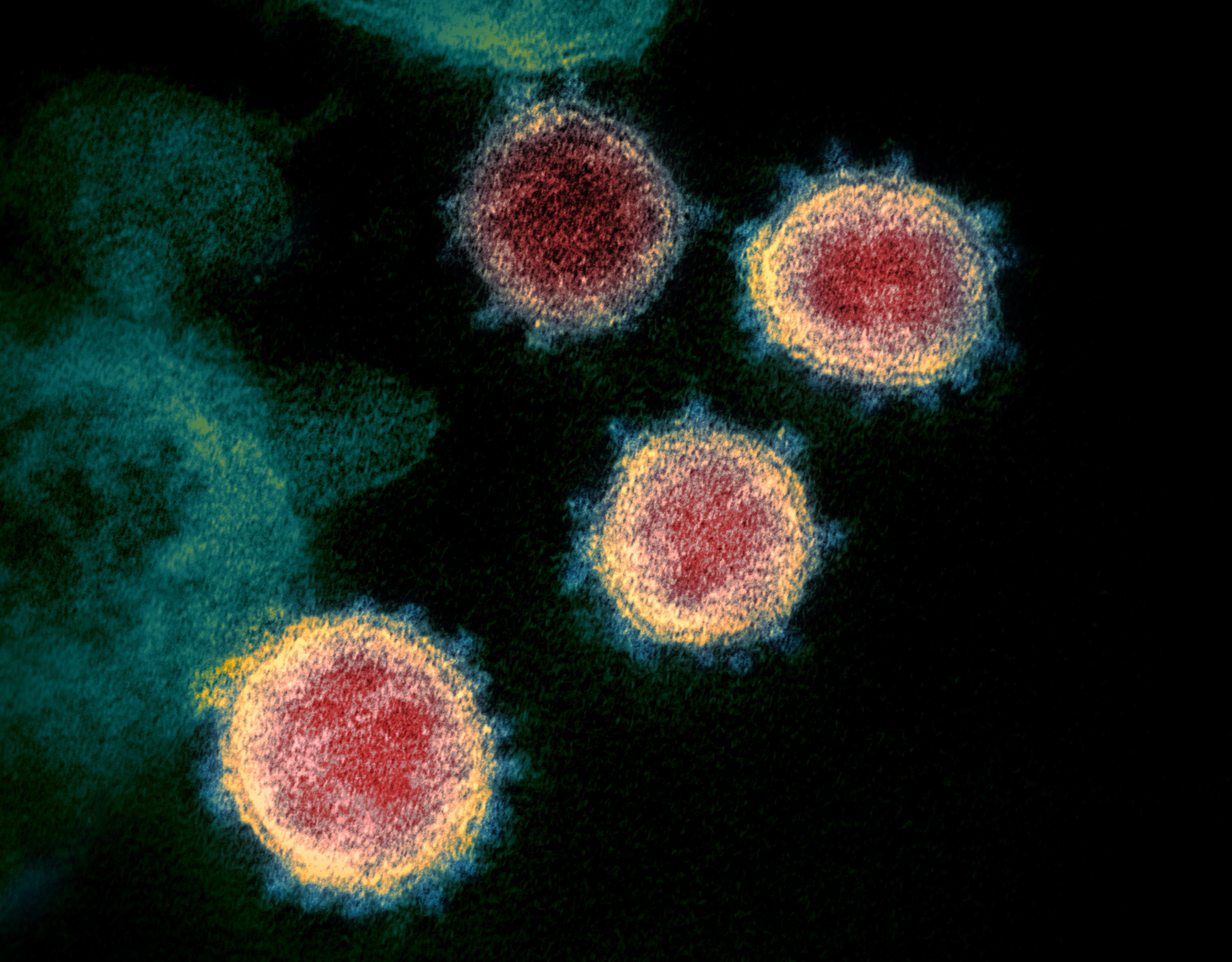
2020 has gotten off to a rocky start, to put it mildly. Threat of war with Iran, fires in Australia, and now the coronavirus, or COVID-19, has gone from an abstract threat we nervously made jokes about to a terrifying pandemic. It’s caused a lot of anxiety and terrified reactions, with people rushing to the store to grab supplies, turning to every supposed cure or preventive measure out there, and being afraid to go outside their homes.

And I know, the last thing you want to see is me talking about the virus. But you have to understand: I’m doing this for me. As many of you know, I have an anxiety disorder. And as much as I keep an upbeat attitude, wonder what everyone needs that much toilet paper for, and what we’re going to get for April (I’m hoping Cthulhu rises up from the Pacific), I have been feeling anxious over this virus. So anxious, in fact, that last night, instead of editing a short story like I’d meant to, I ended up binge-watching an entire series of anime till two in the morning. Escapism!

So what’s a guy to do? Well, in my case, I have to exorcise myself. Not literally, that’s a Friday night thing. No, I need to get my feelings out on COVID-19. Because I conquer what scares me, and in this case, this is how I do it.

Strap in, kids. This might be a long one.

My thoughts

What are my thoughts on this pandemic? Well, it’s almost Lovecraftian in how it’s inserted itself into our lives. First it’s this abstract and undefinable threat that we can’t imagine touching our lives. We even laugh at it. But pretty quickly, it becomes this thing that could not only affect us, but kill us. And our own species–loved ones, coworkers, the passerby on the street–are how it extends its invisible tentacles into the world.

The only thing to do is isolate ourselves, but that’s scary in and of itself. Even our most curmudgeonly need human contact of some sort. Can we survive without that human contact? And then there’s the economic toll, as people who rely on their jobs find themselves out of work or unable to make ends meet, relying on their dwindling savings to get by. It’ll be worse in more expensive cities to live in.

This pandemic can be likened to a Lovecraftian entity. And it’s just as ugly.

And depending on where you live, your leaders may be doing a great job at fending off the horror, or an inept one.

This may be the closest we get to actually experiencing a Great Old One invading our reality. And God, is it terrifying.

Good thing I have my collection of HP Lovecraft stories, plus four or five cosmic horror films on DVD and Blu-Ray in my collection. They’ll make great therapy. I should also see the movie Contagion again. It practically predicted this entire pandemic, so it’s worth another watch.

Anyway, there is a silver lining (and no, not the silver solution that con artist preacher is selling! That’s more likely to lead to heavy metal poisoning, the prick). Unlike Cthulhu or Nyarlathotep, there is a way to fight against this monster. As hard as it is, social distancing can limit infection and prevent further cases. So does extensive handwashing (no duh!) and other hygiene practices. And to avoid fake cures, keep this in mind: make sure to check with reputable sources like the CDC or National Institute of Allergy and Infectious Diseases. And if you don’t trust bureaucrats, remember this rule: if it sounds miraculous or too good to be true, IT PROBABLY IS TOO GOOD TO BE TRUE!!!! Any fix to a medical problem always required hard work to achieve. Even aspirin took forty years to get from the labs to the pharmacy. Don’t go for the quick “cure” just because it seems Heaven-sent.

This virus is going to change things, and possibly have lasting effects on society. I hope that it teaches people to at least be more considerate of others. Because right now, that’s what we need to do in order to make it out of this pandemic with a minimal death toll.

Speaking of considerate…

Support your authors if possible

As I said, this pandemic is effecting a lot of people’s jobs and livelihoods. This includes authors. They rely on bookstores, conventions and in-person events to sell their books and support themselves. Those places are either closing down or cancelling, which is huge slash in revenue. I’m extremely lucky, even if I don’t write full-time: my job allows me to make a good living and put away savings. Other writers aren’t so lucky. This virus is going to bite into them pretty deeply.

Care about authors? Consider supporting their work during these difficult times, if you’re able.

Now, I’m aware not everyone can do this, and I completely understand and sympathize. However, if you are in a position to help your fellow writers, please do so. Buy copies of their books in your favorite format, tell people about their work in reviews or tweets or whatever. Especially if you enjoy their work. It might be small gestures, but for the writers you’ll be helping, it’ll mean the moon and stars.

And it will give us time to come up with some decent stories involving COVID-19. I’ve already had one or two.

Final thoughts

Thanks for reading this post. I needed to get this off my chest. And I think, once I’ve taken care of myself a bit, I’ll be able to get back to writing and scaring people like I normally do. As for the rest of you, remember that everyone else is in the same boat as you. They’re as scared as you, but they can also be as brave as you. And if you’re a Follower of Fear, you’re likely very brave.

This too shall pass. And we’ll make it pass faster by keeping each other safe.

That’s all for now, my Followers of Fear. I’m off to set up and test my at-home workstation. Until next time, good night, pleasant nightmares, and REMEMBER, SWALLOWING OR GARGLING BLEACH IS GOING TO KILL YOU! Why would you think it would help you? It’s corrosive!

February is Women in Horror Month. Since women writers are a big influence on my writing–JK Rowling got me into storytelling in the first place, and Anne Rice helped pave the way for me to write darker fiction–I thought I’d recommend some stories for those who want to help support the month. You’ll see some familiar names here, but also some you may not be familiar with. Either way, I hope you’ll consider giving them a read.

Tiny Teeth by Sarah Hans. This is actually a short story by a friend and colleague of mine, but it is a scary one. Imagine a world where a virus turns children into dangerous, gnawing animals, and one woman’s experience in that world. You can find it on Pseudopod.org, a website where scary short stories are read by narrators and released as a podcast. Give it a listen. Guarantee you, it’ll be 45 minutes not wasted. Here’s the link.

Garden of Eldritch Delights by Lucy A. Snyder. This is also by a friend and colleague of mine, but it’s also a great collection of scary stories. The majority of them feature cosmic horror themes and entities, which I love, as well as intriguing characters and plots. A couple of the stories also incorporate sci-fi and fantasy themes, and feature a diverse cast, which is something I love to see. If you pick up Garden of Eldritch Delights, you will find it worth your time. Here’s the Amazon link.

The Amaranthine Books by Joleene Naylor. You’ve probably seen Joleene’s name around this blog before, but did you know she’s written an entire book series? She has, a vampire series called the Amaranthine books, and they all come highly rated. Even better, some of the books are free or under a dollar under the Kindle edition, so why not take the opportunity to read them? You can find all the Amaranthine books, and then some, on Joleene’s Amazon page.

In a Dark, Dark Wood and The Death of Mrs. Westaway by Ruth Ware. Technically, these are mysteries, but they have horror themes about them, so I’ll count them here. In a Dark, Dark Wood follows a mystery writer invited out to a bachelorette party by a friend she hasn’t seen in years, unaware of the forces conspiring against her. The Death of Mrs. Westaway stars a Tarot reader on hard times who finds out she’s received an inheritance from a grandmother she didn’t know she had, and what that inheritance entails for her. Both are terrifying and keep you on the edge of your seat with suspense. You can check out both further on the author’s Amazon page (and I need to check out more of her work).

Kept me on the edge of my seat the whole audio book.

Within These Walls and The Shuddering by Ania Ahlborn. No joke, Ania Ahlborn is one of the scariest writers I’ve ever had the pleasure to read, and I really need to read more of her work, as should you. Within These Walls follows a true crime writer as he and his daughter stay in the home of a Manson-like cult leader, and what happens while they’re there (I actually reviewed it a few years ago). The Shuddering follows a group of young adults as they go skiing at a mountain resort, only to discover the area has come under siege from a rather hungry enemy. Either one will leave you shaking in your boots! Here’s the Amazon page if you want it.

The Haunting of Hill House by Shirley Jackson. Come on, you know I had to include this. Even if I’m not a fan of this book, it’s undeniable that Jackson’s most well-known novel, and one of the most influential horror stories of the 20th century. Following a group of paranormal researchers as they explore the titular house and the effect the house has on them, this book is still a well-known classic in the genre, and some consider it required reading for fans and authors. It’s so well known, I won’t include any links for it (surprise!).

Interview with the Vampire by Anne Rice. Again, can you blame me? Whatever you think of the many sequels, it’s undeniable that Anne Rice’s debut novel has remained a classic for a reason. A journalist interviews a 200-year-old vampire named Louis, who recounts his creation in French New Orleans and his travels around the world looking for meaning and for more of his kind. It’s a haunting tale, the horror coming more from Louis’s psychological journey and despair rather than from the supernatural. As I said earlier, this novel also paved the way for my eventual turn to horror, so I can’t recommend it enough (and I’ll have to reread it someday). Again, no need for links. It’s that well-known.


What recommendations do you have for Women in Horror Month? Are you reading anything for it? Are you familiar with any of these books? What was your opinion of them?

That’s all for now, my Followers of Fear. I hope you find something good to read based on this list. I’ll be listening to The Accursed by Joyce Carol Oates this month on audio book, so maybe I’ll add it to a future list someday. I better get started soon!

Until next time, pleasant nightmares!